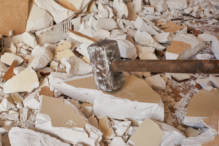
Renovating a kitchen often begins with demolition, the stage that clears out the old to make room for the new. It might seem like a straightforward process—swing a hammer, tear things down, and haul them away. However, kitchen demolition requires careful planning, safety awareness, and efficient execution to avoid costly mistakes. Electrical systems, plumbing, and structural components are all hidden beneath the surface, waiting to surprise the unprepared.
When done properly, demolition sets the stage for a smoother renovation, saving both time and money in the long run. While it may be tempting to dive right in, it pays to approach the process with strategy and care. Whether you’re preparing to replace cabinets, update flooring, or remove walls, understanding the essentials of kitchen demolition ensures a cleaner, safer, and more cost-effective renovation journey. Here are expert tips and advice to guide you through every step.
Planning your kitchen demolition project
Before lifting a single tool, planning is the most critical step in demolition. Kitchens house a complex mix of utilities—water lines, gas connections, and electrical wiring—all of which must be identified and secured before removal begins. Skipping this step can result in dangerous accidents or expensive repairs that delay the renovation.
Creating a clear plan helps organize each phase of the demolition. Decide which areas of the kitchen will be removed and which features should be preserved. Marking boundaries and making a checklist of tasks reduces confusion once the work begins. Preparing a budget for both labor and disposal also ensures you’re not caught off guard by hidden costs. With a structured plan in place, the demolition process becomes less chaotic, keeping the project efficient and safe while laying the groundwork for the exciting transformation ahead.

Protecting yourself and your property
Safety is non-negotiable during kitchen demolition. Dust, sharp objects, and falling debris pose risks not only to you but also to your property. Protective gear such as goggles, gloves, and masks is essential to prevent injuries and reduce exposure to hazardous materials like mold or asbestos that may be hidden in older kitchens.
Beyond personal protection, safeguarding your property matters. Covering nearby floors, sealing off doorways, and protecting countertops that aren’t being replaced can prevent unnecessary damage. Even small steps like laying down drop cloths or using plastic sheeting go a long way in reducing cleanup time and repair costs later. By treating demolition as a controlled process rather than a free-for-all, you ensure the space remains manageable. A careful approach keeps both you and your home safe, reducing risks that often turn into costly and stressful setbacks.
Disconnecting utilities before demolition
One of the biggest mistakes during kitchen demolition is failing to disconnect utilities before tearing down walls or removing appliances. Kitchens typically involve multiple utility systems—plumbing, electricity, and sometimes gas lines—all of which need to be addressed to prevent serious accidents.
Water should be shut off to avoid leaks or flooding. Electrical circuits powering appliances and outlets must be switched off to prevent shocks or fires. Gas lines require careful attention to eliminate the risk of dangerous leaks. Taking the time to disconnect these systems before starting demolition ensures the safety of everyone involved. It also prevents costly damage to your home’s infrastructure. While it may seem like an extra step, this precaution is one of the most important aspects of preparing for demolition, turning what could be a chaotic process into a controlled and manageable task.
Removing cabinets and countertops efficiently
Cabinets and countertops often make up the bulk of a kitchen demolition project. They may look easy to remove, but without the right technique, the process can cause unnecessary damage to surrounding walls or flooring. Starting with cabinet doors and hardware makes dismantling easier, reducing the weight of each section. Once the doors are off, you can focus on the frames and mounting brackets.
Countertops, especially those made of granite or stone, require extra care. These heavy materials can crack unexpectedly or injure workers if lifted improperly. Removing them in sections rather than as one piece makes the process safer and more efficient. Professional teams often reuse or recycle materials, reducing disposal costs and waste. By tackling cabinets and countertops methodically, you protect both your home and your budget, ensuring the demolition stage runs smoothly without adding unnecessary repairs to your renovation checklist.
Handling flooring removal with care
Kitchen floors endure years of wear, and removing them during demolition can reveal hidden challenges. Tile, hardwood, or laminate may be layered over older materials, making removal more complex than it first appears. Rushing through the process can damage subflooring, leading to costly repairs before new flooring is installed.
The key to efficient flooring removal is patience and the right tools. Specialized equipment helps lift stubborn tiles or glued-down materials without destroying the underlying surface. Professionals often separate reusable or recyclable flooring materials, minimizing disposal costs and environmental impact. A careful approach ensures that the foundation of your kitchen remains intact and ready for its upgrade. Treating flooring removal as a precise task rather than brute force protects your home’s structure while avoiding surprise expenses. This attention to detail during demolition lays a solid foundation for the renovation to come.
Dealing with walls and structural elements
Taking down walls is one of the most dramatic aspects of kitchen demolition, but it comes with risks if handled improperly. Not all walls are created equal; some are load-bearing, providing crucial support to the structure of your home. Removing one without professional guidance can cause structural damage and lead to expensive restoration work.
Before demolishing any wall, it’s important to consult building plans or work with experts who can identify its role. Non-load-bearing walls can usually be removed with fewer complications, but even then, utilities like wiring and plumbing may be hidden inside. By taking a cautious approach, you prevent costly mistakes and ensure the integrity of your home remains secure. Wall demolition should always be done with precision and planning, not impulse.
Managing debris and waste disposal
A kitchen demolition project generates more waste than most people anticipate. Cabinets, countertops, flooring, and appliances quickly pile up, creating clutter that slows down progress if not managed properly. Without an organized disposal plan, debris can overwhelm the worksite and increase labor costs.
Professional junk removal services provide efficient solutions for hauling away demolition debris. They ensure recyclable materials are separated, hazardous waste is handled correctly, and disposal regulations are followed. This prevents costly fines and keeps your project moving smoothly. Organizing debris removal from the start not only saves time but also reduces overall expenses. By planning for waste disposal in advance, you transform what could be a chaotic environment into a clean and manageable space.
Recycling materials for long term benefits
Kitchen demolition doesn’t have to mean sending everything to the landfill. Many materials removed during the process—like metal, wood, and certain appliances—can be recycled or even repurposed. Recycling reduces disposal fees, benefits the environment, and may even provide opportunities to sell salvaged items.
Professional teams are skilled at sorting materials for recycling, ensuring that valuable resources don’t go to waste. Not only does this save money on disposal costs, but it also contributes to sustainable practices that benefit the community. Recycling during demolition is more than an eco-friendly choice; it’s a cost-effective strategy that makes better use of what’s already available. By incorporating recycling into your demolition plan, you reduce your project’s environmental footprint while stretching your budget further.
Deciding between DIY and professional help
Many homeowners consider taking on kitchen demolition themselves to save money, but the true costs of DIY often outweigh the benefits. Without the proper experience, tools, or safety precautions, what seems like a simple task can quickly become overwhelming, dangerous, or more expensive than hiring professionals in the first place. Mistakes made during demolition often lead to costly repairs or delays.
Professional demolition teams bring efficiency, expertise, and equipment that most homeowners lack. They handle debris removal, utility disconnections, and structural assessments with precision, ensuring the project stays on schedule and within budget. While DIY may work for small, straightforward tasks, larger demolitions are best left to professionals who understand the complexities involved.
Preparing for the next stage of renovation
The end of demolition marks the beginning of the rebuilding process. A well-executed demolition leaves the space clean, safe, and ready for contractors to move in. Poorly handled demolition, on the other hand, can delay construction and increase costs as crews work around leftover debris or structural damage.
Preparing for the next stage involves more than just clearing out the old—it’s about setting up the site for a smooth transition. Ensuring utilities are properly capped, structural elements are intact, and the space is debris-free makes it easier for renovation work to progress. Professional cleanup services often provide the finishing touches that turn a chaotic demolition site into a blank canvas for the next stage.
Conclusion
Kitchen demolition may look simple, but it requires careful planning, safety precautions, and efficient cleanup to avoid costly mistakes. From disconnecting utilities and protecting structural elements to recycling materials and managing debris, each step plays a role in keeping the project on budget. Professional demolition services not only save time but also reduce risks, prevent damage, and ensure compliance with disposal regulations. Investing in expertise at this stage pays off throughout the renovation, setting a solid foundation for everything that follows.
North Bay Junk Removal, located in Santa Rosa, CA, provides professional junk removal services that make kitchen demolition more manageable. Their team focuses on safety, efficiency, and eco-friendly practices, ensuring each project is handled with precision. By trusting experts to manage debris, recycling, and cleanup, you can save money while keeping your renovation on schedule. For dependable service tailored to your needs, call 707-478-6817 today. North Bay Junk Removal is the partner you need for stress-free demolition and renovation projects.
Leave a Reply