
Preparing Your Space Before Drywall Removal
Embarking on a drywall removal project requires more than just tools and muscle—it demands meticulous preparation. Before you even think about swinging a hammer, safeguard your living space. Begin by removing furniture and covering floors with protective sheeting to prevent dust and debris from causing damage. Seal off adjacent rooms with plastic barriers to contain the mess and protect other areas of your home. This proactive approach not only keeps your environment clean but also reduces the time spent on post-removal cleanup.
Equally important is understanding the layout behind your walls. Use a stud finder to locate studs, pipes, and electrical wiring. Mark these areas clearly to avoid accidental damage during removal. Taking the time to map out what’s hidden behind the drywall ensures a safer and more efficient demolition process. Additionally, gather all necessary tools—utility knives, pry bars, and safety gear—before starting. A well-prepared workspace sets the stage for a smoother, more controlled drywall removal experience.
Choosing the Right Tools for Drywall Removal
The tools you select for drywall removal can significantly impact the efficiency and safety of the project. Essential tools include a utility knife for scoring drywall, a pry bar for removing panels, and a hammer for loosening nails. For larger areas, a reciprocating saw can expedite the process. However, it’s crucial to use these tools with precision to avoid damaging underlying structures or creating excessive dust.
Safety should always be a priority. Equip yourself with protective gear such as gloves, goggles, and a dust mask to shield against debris and airborne particles. Additionally, consider using a shop vacuum with a HEPA filter to capture dust as it’s generated. This not only keeps your workspace cleaner but also improves air quality, reducing health risks associated with inhaling drywall dust. By selecting the appropriate tools and safety measures, you can ensure a more efficient and safer drywall removal process.
Managing Dust and Debris During Removal
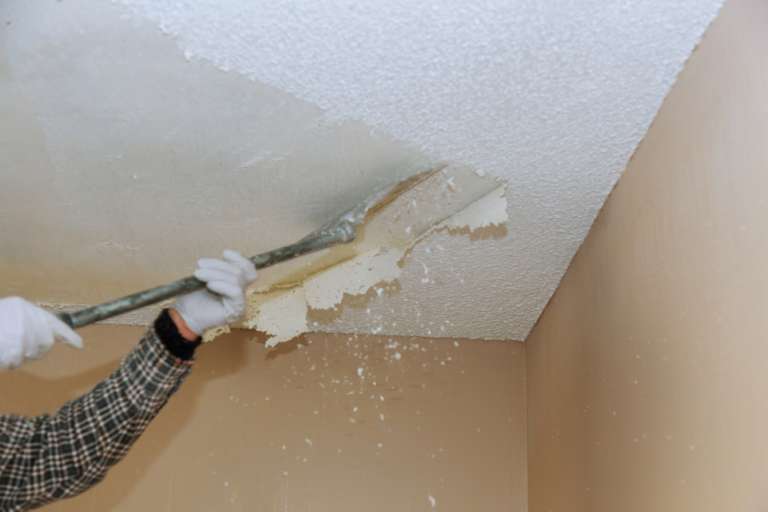
Drywall removal is notorious for generating significant amounts of dust and debris. To manage this effectively, start by wetting the drywall slightly before cutting or breaking it. This technique helps minimize airborne dust particles. Additionally, use a shop vacuum equipped with a HEPA filter to capture dust as it’s produced. Position fans to direct airflow towards open windows, ensuring that dust doesn’t circulate throughout the home.
Containment is key. Seal off the work area with plastic sheeting to prevent dust from spreading to other rooms. Avoid using the home’s HVAC system during the project, as this can distribute dust throughout the house. After removal, carefully bag debris in heavy-duty contractor bags to prevent leaks and facilitate easier disposal. By implementing these strategies, you can significantly reduce the mess and health risks associated with drywall removal.
Sorting and Separating Drywall Waste
Properly sorting and separating drywall waste is essential for efficient disposal and recycling. Begin by removing any nails, screws, or other fasteners from the drywall. This not only makes the material more suitable for recycling but also prevents damage to recycling equipment. Next, separate drywall from other construction debris such as wood, insulation, and metal. This segregation ensures that each material can be disposed of or recycled according to its specific requirements.
Bagging drywall waste in heavy-duty contractor bags helps contain dust and makes transportation easier. Clearly label bags to indicate their contents, facilitating proper handling during disposal. Additionally, check local regulations to determine the best disposal methods for drywall in your area. Some regions may have specific guidelines or facilities for drywall recycling. By taking these steps, you contribute to environmental sustainability and ensure compliance with local waste management policies.
Recycling Drywall Waste Responsibly
Recycling drywall is an environmentally responsible way to handle waste from demolition projects. Drywall is primarily made of gypsum, a material that can be processed and reused in various applications. Before recycling, ensure that the drywall is free from contaminants such as paint, adhesives, or other materials that can hinder the recycling process.
Contact local recycling centers to inquire about their acceptance of drywall waste and any specific preparation requirements. Some centers may accept drywall in bulk, while others may require it to be separated or processed in a particular way. By recycling drywall, you help divert waste from landfills and contribute to the conservation of natural resources. Always stay informed about local recycling programs and follow their guidelines to ensure effective and responsible recycling practices.
Understanding Local Regulations for Drywall Disposal
Local regulations play a crucial role in determining how drywall should be disposed of. In some areas, drywall is considered construction and demolition (C&D) debris and may require special handling. It’s important to familiarize yourself with local waste management policies to ensure compliance and avoid potential fines.
Contact your local waste management authority to obtain information on drywall disposal guidelines. They can provide details on acceptable disposal methods, designated drop-off locations, and any preparation requirements. Adhering to these regulations not only helps protect the environment but also ensures that your project remains within legal parameters. Stay proactive by regularly checking for updates to local regulations, as policies can change over time.
Hiring Professional Junk Removal Services
For many homeowners, managing drywall removal and disposal can be overwhelming. Hiring professional junk removal services can alleviate this burden. These experts have the experience and equipment to handle drywall waste efficiently and in compliance with local regulations.
Professional services can assist with the entire process, from removal and sorting to transportation and disposal. They often have established relationships with recycling centers and landfills, ensuring that your drywall waste is handled responsibly. When selecting a junk removal service, consider their reputation, pricing, and commitment to environmentally friendly practices. By entrusting the task to professionals, you can focus on other aspects of your renovation project while ensuring that your drywall waste is managed properly.
Cost Considerations for Drywall Removal and Disposal
Understanding the costs associated with drywall removal and disposal is essential for budgeting your renovation project. Costs can vary based on factors such as the amount of drywall to be removed, the complexity of the job, and local disposal fees. Obtaining multiple quotes from contractors or junk removal services can help you compare prices and find the best value.
Keep in mind that opting for the cheapest option may not always be the most cost-effective in the long run. Consider the quality of service, reputation, and environmental practices of the service providers. Investing in professional services that adhere to proper disposal and recycling methods can prevent potential fines and contribute to a cleaner environment. By planning ahead and understanding the financial aspects, you can manage drywall removal and disposal costs effectively.
Post-Removal Cleanup and Restoration
Once the drywall has been removed and waste properly disposed of, the next step is cleanup and restoration. Begin by thoroughly cleaning the work area to remove any remaining dust and debris. Use a vacuum with a HEPA filter to capture fine particles and wipe down surfaces to ensure cleanliness.
If the removal was part of a larger renovation project, assess the condition of underlying structures such as studs, insulation, and wiring. Address any issues before proceeding with new installations to ensure the integrity and safety of your home. Restoration may also involve patching holes or repairing surfaces to prepare for the next phase of your project. By taking the time to properly clean and restore the area, you set the stage for a successful and safe renovation outcome.
Conclusion
Efficient drywall removal and waste management are crucial components of any renovation project. By preparing your space, selecting the right tools, managing dust and debris, sorting waste, and adhering to local regulations, you can ensure a smoother and more environmentally responsible process. Hiring professional junk removal services can further streamline the task, providing expertise and compliance with disposal standards. Understanding cost considerations and planning for post-removal cleanup and restoration will help you stay within budget and maintain the integrity of your home. For residents in Santa Rosa, CA, seeking assistance with drywall removal and waste management, North Bay Junk Removal is a trusted local provider. Reach out at 707-478-6817 to learn more about their services and how they can support your renovation needs.
Leave a Reply