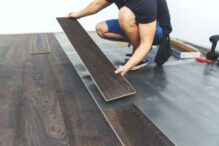
Preparing Your Space for Flooring Removal
Before beginning any flooring removal project, it’s essential to prepare the area meticulously. Clear the room of furniture, appliances, and decorative items to create a spacious work zone. Proper preparation includes covering doorways and vents with plastic sheeting to contain dust and debris. Protect walls and adjacent surfaces with painter’s tape and drop cloths. Ensuring you have adequate lighting and easy access to exits will also make the process safer and more efficient. Wearing protective gear, including gloves, goggles, and a mask, is critical to prevent injuries and exposure to harmful dust or chemicals. Planning the workflow and designating areas for debris collection can save significant time and reduce the risk of accidents.
Understanding the type of flooring you are removing will determine the tools and techniques required. Vinyl, laminate, hardwood, and tile each have distinct removal processes that influence how you proceed. For instance, vinyl and laminate might require a utility knife and pry bar, while tile often demands a hammer and chisel. Being prepared with the right tools and protective gear ensures that the removal process proceeds smoothly and minimizes potential damage to subflooring or surrounding areas. Taking time to plan and set up a controlled environment ultimately makes the project safer and less stressful.
Identifying the Flooring Material
Accurate identification of the flooring material is essential for efficient removal. Different materials respond to removal techniques in unique ways, so recognizing whether your floor is laminate, vinyl, hardwood, or tile guides the approach you take. Hardwood may require careful prying to avoid splintering, whereas tile can shatter if not handled correctly. Some older flooring may contain adhesives or underlayment that need special attention, including potential disposal requirements for hazardous materials. Understanding the structure and layers beneath the top surface helps prevent unnecessary damage to the subfloor and makes the process more efficient.
Knowing the flooring material also allows for appropriate tool selection. A hammer, chisel, or pry bar may be necessary for some floors, while others benefit from specialized saws or scrapers. Recognizing the thickness, condition, and fastening method of your flooring helps anticipate challenges, such as stubborn nails or glued sections. Assessing the floor in advance provides insight into potential safety hazards and allows you to plan debris disposal. This step ensures that flooring removal is handled methodically, minimizing surprises and reducing overall project time.

Gathering Essential Tools and Equipment
Having the right tools and equipment is crucial for safe and effective flooring removal. Essentials include pry bars, hammers, utility knives, screwdrivers, chisels, and floor scrapers. For larger projects, power tools such as oscillating multi-tools or demolition hammers can save time and reduce physical strain. Additionally, having buckets, trash bags, and containers ready for debris collection will streamline cleanup. Proper personal protective equipment, including gloves, goggles, masks, and knee pads, ensures safety throughout the process. Adequate preparation prevents unnecessary interruptions and helps maintain a steady workflow, reducing frustration and risk of injury.
Organizing your tools beforehand also enhances efficiency. Lay out items in order of use and ensure all equipment is functioning properly. Having a debris removal strategy, such as a designated area or bins for materials, helps maintain a safe workspace. For adhesive-heavy floors, consider solutions like heat guns or chemical removers to simplify extraction. Being well-equipped reduces downtime and promotes a smoother removal process, allowing you to focus on precision rather than scrambling for supplies. A structured setup makes the project more manageable and less stressful from start to finish.
Ensuring Safety During Removal
Safety is a paramount concern when removing flooring. Wearing protective gear is non-negotiable, including safety goggles to prevent flying debris, gloves for handling sharp materials, and a respirator mask to avoid inhaling dust or mold spores. Be mindful of proper lifting techniques to protect your back when handling heavy flooring sections. Clearing walkways and maintaining a clutter-free workspace reduces the risk of trips and falls. Additionally, turn off power in areas where electrical outlets or wiring may be exposed during removal. Implementing safety measures not only prevents injuries but also allows the project to proceed without unexpected delays.
Understanding potential hazards associated with each flooring type is also important. Older floors may contain nails, staples, or asbestos-containing materials that require caution. Tiles can crack unpredictably, sending shards into the air, and adhesives may emit harmful fumes. Maintaining awareness and using correct techniques for removal prevents accidents. Regular breaks and hydration also help maintain focus, reducing the likelihood of mistakes. Prioritizing safety ensures that the flooring removal process is not only efficient but also protects both your health and your home environment throughout the project.
Removing Hardwood Floors Efficiently
Removing hardwood floors requires careful attention to avoid damaging the subfloor. Start by prying up boards from one corner using a crowbar or pry bar, working slowly along the length of each plank. If the boards are nailed, use a hammer or nail puller to remove fasteners. For glued sections, a heat gun or adhesive remover can soften the glue, making extraction easier. Work in small sections, alternating sides to maintain balance and minimize splintering. Patience is key when dealing with hardwood, as rushing can lead to breakage and complicate debris disposal.
After boards are lifted, inspect the subfloor for residual nails or adhesive residue. Remove nails with pliers and scrape off any remaining glue using a floor scraper. Smooth any rough patches to prepare the surface for new flooring. Collecting debris in manageable piles reduces hazards and simplifies cleanup. Maintaining a systematic approach ensures that hardwood removal is efficient, minimizes waste, and preserves the integrity of the underlying subfloor for subsequent flooring installation.
Handling Tile Removal Safely
Tile removal involves careful technique to prevent damage and ensure safety. Begin by loosening grout lines with a grout saw or rotary tool, then use a hammer and chisel to lift individual tiles. Protective eyewear and gloves are essential due to flying shards. Work slowly and systematically, focusing on one tile at a time. Removing tiles in sections reduces the risk of injury and helps maintain control over debris. Being methodical and patient prevents unnecessary accidents and preserves the underlying floor structure.
After tiles are removed, attention should turn to the mortar bed or adhesive. Scrape or chip away remnants using appropriate tools, taking care not to gouge the subfloor. Dispose of broken tiles safely, placing them in sturdy containers to prevent injury. This stage often produces significant dust, so maintaining ventilation and wearing a mask is important. Following a structured process for tile removal reduces stress, minimizes damage, and ensures the area is ready for future flooring installation efficiently.
Dealing with Vinyl and Laminate Floors
Vinyl and laminate floors often require different techniques compared to hardwood or tile. Peel-back methods work well for floating laminate floors, while sheet vinyl may need a utility knife to cut sections for easier handling. Adhesive-backed vinyl might require heat application or chemical adhesive removers. Work slowly to avoid tearing or damaging the subfloor beneath. Keeping the workspace organized and clean of debris reduces hazards and improves workflow efficiency. Maintaining patience and using proper techniques ensures effective removal without creating unnecessary mess or damage.
Disposing of vinyl or laminate remnants carefully prevents clutter and potential safety risks. Roll or fold pieces as they are removed to make transport easier. If adhesives were used, ensure proper ventilation and use protective gloves to avoid skin irritation. Small scraps should be collected promptly to prevent accidents. Following these practices streamlines the removal process, preserves the underlying floor for new installations, and ensures a safer, cleaner workspace throughout the project.
Managing Adhesives and Underlayment
Adhesives and underlayment can pose challenges during flooring removal. Some floors are glued directly to the subfloor, requiring heat or chemical softeners for removal. Underlayment layers must be separated carefully to avoid damaging both the floor and the subfloor. Scraping and lifting slowly while monitoring the integrity of surfaces is essential. Keeping tools and workspace organized facilitates smoother removal and prevents accidental damage. Handling adhesives correctly minimizes effort and ensures the subfloor remains intact for future flooring projects.
Identifying different adhesive types helps determine the appropriate removal method. Water-based adhesives may soften with warm water, while solvent-based adhesives could require chemical solutions. Applying consistent pressure and using specialized tools reduces strain and avoids injury. Proper management of underlayment and adhesives ensures that the flooring removal process is controlled, efficient, and safe, providing a clean slate for subsequent flooring installation.
Efficient Debris Removal and Disposal
Debris removal is an integral part of flooring projects. Collecting materials as you go prevents clutter and enhances safety. Use sturdy containers or heavy-duty trash bags to manage broken boards, tiles, or scraps. Separate recyclable materials when possible, such as metal fasteners or certain types of flooring. A designated disposal area helps maintain a tidy work environment and reduces stress. Efficient debris handling allows for smoother progress and leaves the space ready for new installations without unnecessary delays.
Planning ahead for disposal also reduces the risk of accidents and saves time. For larger projects, renting a dumpster or scheduling pickup ensures that debris does not accumulate indoors. Using protective gloves and shoes while handling waste further prevents injury. Prioritizing organized cleanup maintains a professional approach and prepares the site for the next phase of flooring installation. Consistent attention to debris management ensures a safer, cleaner, and more efficient project from start to finish.
Preparing for New Flooring Installation
After removal, preparing the subfloor is critical for successful new flooring installation. Inspect the surface for damage, ensuring it is level, clean, and free of nails or adhesive residue. Repairs may involve sanding, patching, or reinforcing sections to create a uniform foundation. Cleaning thoroughly removes dust and debris that could affect adhesion or finish. Proper preparation sets the stage for a seamless transition to new flooring, ensuring durability and aesthetic appeal.
Consider moisture levels and material compatibility during preparation. Certain subfloor materials may require underlayment or moisture barriers before installing new flooring. Taking time to check these factors prevents long-term issues such as warping, mold growth, or uneven surfaces. Ensuring the subfloor is ready not only improves the installation process but also extends the lifespan of the new flooring. Meticulous preparation after removal creates a solid foundation for a successful and lasting flooring project.
Conclusion
Efficient flooring removal is both an art and a science, combining careful planning, the right tools, and safety measures to achieve a clean and ready space. Following proper practices—from preparing the work area, identifying materials, managing adhesives, to removing debris—ensures a smoother process and protects the underlying structure of your home. Taking these steps seriously not only enhances safety but also reduces stress and allows the project to proceed without unforeseen setbacks. Methodical execution ensures that new flooring can be installed on a stable, undamaged surface, making the most of your renovation investment.
For those seeking professional assistance with flooring removal or general junk management, North Bay Junk Removal provides comprehensive services tailored to your needs. Based in Santa Rosa, CA, their team is equipped to handle projects of any size with care and efficiency. You can reach them at 707-478-6817 for personalized guidance and reliable service. Choosing experts for your junk removal and flooring projects ensures safety, saves time, and delivers peace of mind while transforming your space with minimal disruption.
Leave a Reply