Understanding the Scope of Construction Debris
Construction projects leave behind a surprising amount of waste, ranging from broken drywall and splintered wood to metal scraps and old fixtures. Before any removal begins, it is essential to step back and recognize the variety of materials scattered across the worksite. This helps create a clear plan of action that reduces unnecessary delays and avoids missing important disposal requirements.
Every project has its own rhythm, and so does the cleanup. Smaller renovations may seem simple at first, yet they often generate mixed debris that can overwhelm bins quickly. Larger construction efforts carry the challenge of heavy materials such as concrete or brick, which need special handling. Understanding the scope at the start ensures safer removal, smoother logistics, and ultimately less disruption to the overall project timeline.
Preparing the Work Area for Removal
Preparation makes the difference between chaotic cleanup and efficient progress. Clearing pathways where debris will be transported keeps the removal process moving without unnecessary pauses. Workers benefit from having an organized system of movement, whether that means setting aside temporary staging areas or identifying exits for loading trucks.
A well-prepared site also reduces risks. Nails, sharp edges, and hidden hazards can lead to injuries if the ground is not inspected thoroughly. Marking unsafe areas, putting up barriers, or even laying protective coverings over flooring can protect both workers and property. By handling preparation with care, debris removal becomes less stressful and far more effective.
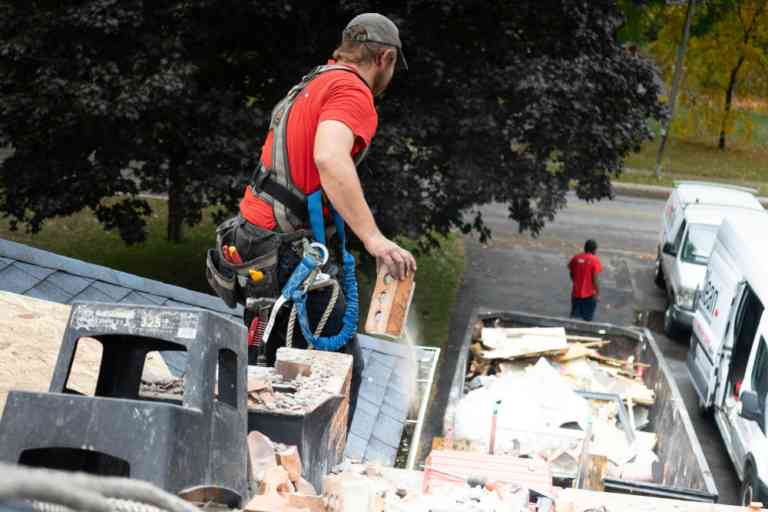
Sorting Materials Before Disposal
Not every piece of construction waste belongs in the same pile. Sorting debris early prevents headaches later, especially when certain materials are recyclable or require special handling. Wood scraps, metals, and concrete often have dedicated disposal or recycling streams that can be utilized to cut down on landfill waste.
By categorizing materials into groups before loading, the entire process feels more structured. Recyclables can be separated and sent to appropriate facilities, while non-recyclable items can be disposed of responsibly. Sorting is not just about organization but also about sustainability. With careful separation, construction projects can make a positive environmental impact without adding significant extra effort.
Choosing the Right Equipment for Debris Removal
The tools and equipment selected for debris removal determine how quickly and safely the job gets done. Dumpsters, wheelbarrows, heavy-duty bags, and protective gear all play an important role. Choosing the right container size avoids extra trips, while durable bags and bins keep smaller waste secure during transport.
Heavy equipment may be needed for larger projects. Excavators, loaders, or lifts help move oversized chunks of concrete or large piles of mixed materials. Protective gloves, helmets, and masks are equally essential to safeguard workers from dust, cuts, and other hazards. By investing in the correct tools upfront, debris removal becomes smoother and less physically demanding.
Ensuring Safety Throughout the Process
Safety should never be an afterthought when handling construction debris. From sharp nails to heavy beams, the risks are significant. Establishing a system where everyone involved understands the safety protocols keeps accidents to a minimum. This could involve designated walking paths, mandatory safety gear, or regular checks to ensure no one is handling debris without proper protection.
Dust is another factor often underestimated during removal. Cutting, drilling, or breaking materials releases particles into the air that may pose health risks. Wearing masks and using dust control measures such as misting can protect lungs from harm. A safe process does not just protect workers—it also ensures that cleanup remains steady without preventable interruptions.
Transporting Debris to Disposal Sites
Once debris is sorted and staged, transporting it becomes the next major step. This stage requires planning because not all waste can go to the same facility. Local disposal sites may have rules regarding hazardous materials, recyclables, or large volumes of heavy waste. Researching these requirements in advance saves both time and money.
Proper transportation also requires reliable vehicles. Trucks should be capable of carrying heavy loads without overfilling, and debris should be secured to prevent spillage along the route. Coordinating transport schedules with disposal facilities allows for quicker drop-offs, ensuring the worksite remains clear without long delays.
Recycling Opportunities in Construction Debris Removal
Much of what comes out of a construction site does not need to go directly into a landfill. Recycling offers opportunities to extend the life of materials that would otherwise be discarded. Metals can be melted down for reuse, wood can be repurposed, and even concrete can be crushed into aggregate for new construction projects.
Recycling not only benefits the environment but can also reduce disposal costs. Many facilities accept sorted recyclable materials at a lower fee, encouraging construction crews to separate waste responsibly. By viewing debris not as trash but as potential resources, the cleanup process becomes part of a cycle that benefits both the industry and the community.
Reducing Environmental Impact During Debris Removal
Construction debris has a significant effect on the environment if handled poorly. Sending everything to a landfill creates long-term waste problems and increases the project’s carbon footprint. By carefully choosing disposal methods that prioritize recycling, reuse, or eco-friendly disposal, the environmental impact can be minimized.
Another factor is transportation. Multiple trips to disposal sites with half-filled trucks add unnecessary emissions. Planning routes efficiently and ensuring loads are full reduces fuel consumption. When approached with environmental responsibility in mind, debris removal supports a cleaner community and a healthier planet.
Coordinating with Professionals for Debris Removal
While some construction crews attempt to handle debris removal on their own, professional assistance can streamline the process. Professionals are equipped with the right vehicles, disposal knowledge, and labor to handle both small and large projects. Their experience ensures compliance with local disposal rules, which reduces the risk of fines or project delays.
Coordinating with trained removal experts also saves time for workers who need to focus on building rather than cleaning. Instead of spending valuable hours hauling waste, teams can keep projects on schedule while professionals manage the debris. This collaboration allows construction sites to remain organized, efficient, and safe.
Maintaining a Clean Site After Debris Removal
The work does not end when the last truck leaves the site. Maintaining cleanliness ensures that the space is ready for the next phase of construction or for property owners to enjoy. Regular inspections after debris removal help catch leftover materials that might have been missed in the initial cleanup.
A clean site also makes future work safer and more efficient. Tools, materials, and finished surfaces are less likely to suffer damage when waste is not scattered around. By maintaining order after removal, projects finish on a stronger note and leave behind a site that reflects professionalism and care.
Conclusion
Construction debris removal is more than hauling away waste—it is a carefully managed process that involves preparation, organization, and a commitment to safety. By understanding the types of materials involved, preparing the worksite, sorting debris, and using the right tools, the process flows more efficiently. Recycling opportunities and eco-friendly disposal add another dimension of responsibility that benefits both the environment and the community.
For those who want the cleanup handled with expertise, reaching out to a reliable local provider is often the best choice. North Bay Junk Removal in Santa Rosa, CA has built a reputation for dependable junk removal services that keep projects on track. With a dedicated team and a commitment to responsible disposal, they make the process easier for homeowners, contractors, and businesses alike. To schedule assistance, call 707-478-6817 and take the next step toward a cleaner, safer construction environment.