northbay

Category: Restaurant Junk Removal

  • Essential Tips for Restaurant Junk Removal

    Essential Tips for Restaurant Junk Removal

    Understanding the Importance of Regular Junk Removal in Restaurants

    Restaurants generate a constant flow of waste from packaging, outdated equipment, and surplus inventory. Keeping this junk in check is essential for maintaining a safe and sanitary environment. When clutter accumulates, it can create obstacles in busy kitchens, increasing the risk of accidents and slowing down operations. Efficient junk removal not only clears space but also helps staff focus on core tasks without navigating through unnecessary hazards. By addressing junk systematically, restaurants can maintain an organized layout that enhances workflow, allowing chefs and servers to move seamlessly during peak hours.

    Implementing a routine junk removal plan ensures that all types of waste, from broken appliances to excess furniture, are dealt with promptly. It also prevents the long-term accumulation of items that could become costly to remove later. Regular removal encourages recycling and proper disposal, supporting environmental responsibility. Restaurants that prioritize junk management create a healthier atmosphere for both employees and customers, leaving a positive impression and demonstrating professionalism and attention to detail.

    Sorting and Categorizing Restaurant Waste

    Effective junk removal starts with sorting waste into categories that make disposal easier. Different materials require distinct handling methods, from electronics and metals to food packaging and old furniture. By separating items at the source, restaurants reduce the chance of contamination and make recycling more efficient. This approach minimizes the risk of cross-contamination in kitchens, ensuring that food preparation areas remain clean and safe. Staff members benefit from a structured system that clarifies what can be recycled, reused, or thrown away, saving time and reducing confusion.

    Organizing waste also highlights items that might still have value. Furniture or equipment in decent condition can be donated, while certain metals and electronics can be recycled for profit. Establishing clear categories for removal helps restaurant owners monitor disposal patterns and identify opportunities to reduce waste generation in the first place. This proactive approach ensures junk removal is both practical and environmentally conscious, reflecting a commitment to sustainable business practices.

    Scheduling Consistent Junk Pickups

    Maintaining a clutter-free restaurant requires scheduling consistent junk removal services. Regular pickups prevent waste from piling up, especially in storage areas and back-of-house spaces. By establishing a reliable routine, restaurants can anticipate when large items will be collected and plan accordingly, avoiding last-minute scrambles that disrupt operations. Predictable schedules also allow managers to allocate staff time efficiently, ensuring that employees are not distracted by the need to manage overflowing junk.

    Consistency in removal fosters a cleaner work environment and reduces stress among staff. Knowing that junk will be taken away on a set schedule encourages employees to adhere to disposal protocols, further enhancing overall organization. It also minimizes the risk of fines or violations related to improper waste storage. With a dependable system in place, restaurant operators can maintain smooth day-to-day operations while promoting a professional image for both staff and customers.

    Hiring Professional Junk Removal Services

    Engaging professional junk removal services can streamline the process and reduce strain on restaurant staff. Specialists are equipped with the tools and expertise to handle heavy, bulky, or hazardous items safely. By outsourcing junk removal, restaurants avoid the logistical challenges of transporting large items themselves, which can be time-consuming and potentially risky. Professional crews also ensure that items are disposed of according to local regulations, reducing liability concerns for business owners.

    In addition to safety and compliance, professionals often provide faster and more thorough removal than internal teams alone. They can efficiently sort, load, and transport materials, leaving the restaurant space ready for immediate use. Utilizing experienced services also allows restaurant staff to focus on core operations, improving productivity and morale. Overall, professional junk removal offers a practical solution for restaurants seeking to maintain a clean and organized environment without overburdening their team.

    Handling Hazardous Waste Properly

    Restaurants frequently generate hazardous waste, including cleaning chemicals, old grease, and expired ingredients. Proper disposal of these materials is critical to protect employees, customers, and the environment. Mishandling hazardous items can lead to health risks, contamination, or legal penalties. Developing clear protocols for hazardous waste ensures that these substances are stored safely and disposed of according to regulations, preventing accidents and environmental harm.

    Staff training is essential to ensure everyone understands the risks and procedures associated with hazardous materials. Labels, secure containers, and designated storage areas help minimize exposure and facilitate safe removal. Partnering with specialized disposal services may also be necessary for certain chemicals or equipment. By taking hazardous waste seriously, restaurants demonstrate a commitment to safety, regulatory compliance, and responsible environmental stewardship, while maintaining a functional and organized workspace.

    Repurposing and Donating Usable Items

    Not all restaurant junk needs to be discarded completely. Items in good condition, such as tables, chairs, and appliances, can be repurposed or donated to local charities, schools, or community programs. This approach not only extends the life of these materials but also supports the local community and aligns with sustainable business practices. Identifying items for donation requires regular inventory checks and assessment of their usability before disposal.

    Repurposing items internally can also offer creative solutions. For example, old wooden pallets may be turned into shelving, and outdated décor can be reimagined for seasonal displays. These strategies reduce waste and can save costs while enhancing the restaurant’s image as a socially responsible establishment. By considering donation and repurposing options, restaurants can maximize the value of their resources, minimize environmental impact, and contribute positively to their community.

    Managing Large Kitchen Equipment Disposal

    Large kitchen equipment such as ovens, refrigerators, and fryers can be challenging to remove due to size and weight. Planning for these items requires careful coordination to prevent damage and ensure safety. Disassembling equipment when possible, securing pathways, and using the right tools can simplify the removal process. Scheduling professional help for lifting and transport is often the safest choice, preventing injuries and costly damage.

    Proper disposal also involves understanding the potential for recycling or resale. Many metal components and electronics can be processed to recover value, reducing the environmental footprint of disposal. Documenting equipment removal and maintaining records ensures that restaurants comply with regulations and can track replacement schedules effectively. Handling large kitchen appliances with care is essential to maintaining a safe work environment and supporting efficient restaurant operations.
    Reducing Waste Through Preventive Measures

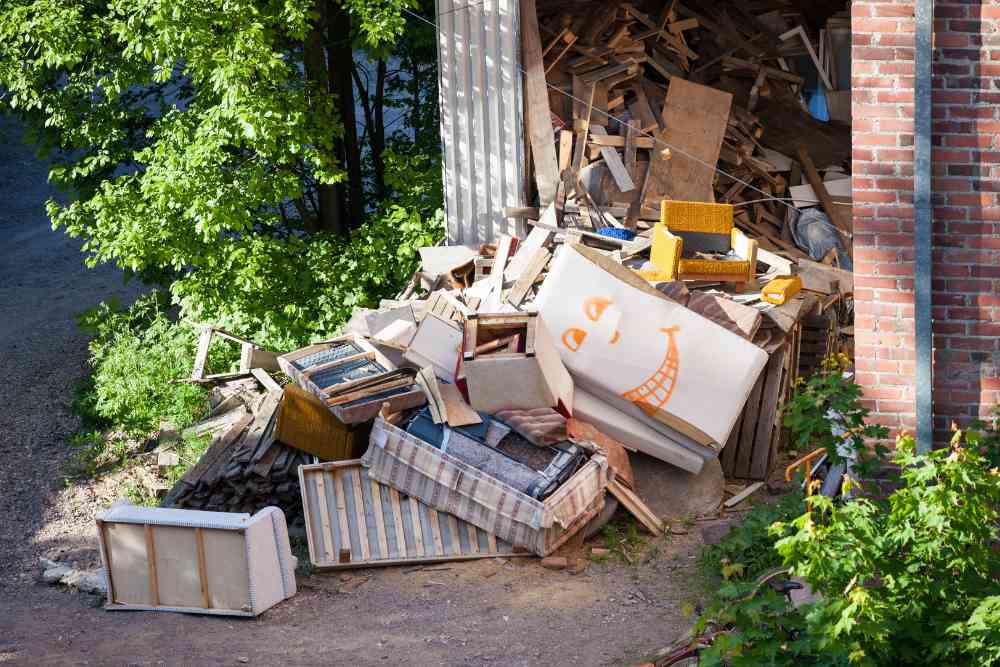
    Implementing preventive measures reduces the volume of junk restaurants generate. Regular maintenance of equipment, inventory management, and thoughtful purchasing decisions help minimize the creation of unnecessary waste. By addressing potential issues before they escalate, restaurants can extend the life of their assets and reduce the frequency of removal needs. Preventive strategies also include encouraging staff to follow waste reduction practices and recycling initiatives consistently.

    In addition to saving space and resources, reducing waste through prevention supports financial sustainability. Fewer discarded items mean lower disposal costs and less reliance on external junk removal services. Restaurants that proactively manage waste demonstrate operational efficiency, environmental responsibility, and foresight. This forward-thinking approach fosters a cleaner, safer, and more organized establishment, benefiting both staff and patrons alike.

    Maintaining Compliance With Local Regulations

    Restaurants must adhere to local waste disposal and health regulations to avoid fines and operational disruptions. Compliance includes proper sorting of recyclables, safe disposal of hazardous materials, and timely removal of waste. Staying informed about municipal guidelines ensures that all junk removal activities meet legal requirements, protecting the business from potential penalties and reputational harm.

    Regular audits and staff training support consistent compliance. Establishing clear procedures for documenting and disposing of various types of waste helps restaurants maintain transparency and accountability. Compliance also reinforces safety, reducing risks associated with improperly handled materials. By integrating regulatory requirements into routine operations, restaurants can manage junk effectively while fostering a professional and legally responsible environment.

    Streamlining the Back-of-House Space

    An organized back-of-house is critical for smooth restaurant operations. Clearing clutter, arranging equipment, and optimizing storage areas create a more efficient workflow and reduce safety hazards. Junk removal plays a central role in achieving this by eliminating obsolete or broken items that occupy valuable space. A streamlined kitchen and storage area allow staff to move quickly, access tools easily, and maintain hygiene standards without obstruction.

    Regular cleanouts also make it easier to identify maintenance needs and improve overall operational efficiency. By consistently managing junk and organizing space, restaurants can enhance productivity, minimize the risk of accidents, and create a positive work environment. A clean and well-arranged back-of-house contributes to the overall success of the restaurant and ensures that every team member can perform their duties effectively.

    Conclusion

    Maintaining a clutter-free restaurant requires dedication, planning, and a practical approach to junk removal. By incorporating regular pickups, proper sorting, and professional assistance, restaurant owners can ensure a safe, organized, and efficient environment for both staff and customers. Preventive measures and compliance with local regulations further enhance operational effectiveness, reducing risks and promoting sustainability. Consistent attention to junk management supports a cleaner workspace, smoother workflow, and a professional image that customers notice and appreciate.

    For reliable and professional junk removal services in Santa Rosa, CA, North Bay Junk Removal offers comprehensive solutions. Their team handles everything from furniture and kitchen appliances to hazardous materials, ensuring proper disposal in accordance with local regulations. Restaurants can benefit from their expertise and efficient service by contacting North Bay Junk Removal at 707-478-6817. Choosing their services allows businesses to maintain a safe, organized, and compliant environment while focusing on delivering exceptional customer experiences.

  • How to Tackle Restaurant Junk Removal in Record Time

    How to Tackle Restaurant Junk Removal in Record Time

    Streamline Your Junk Removal Process with a Clear Plan

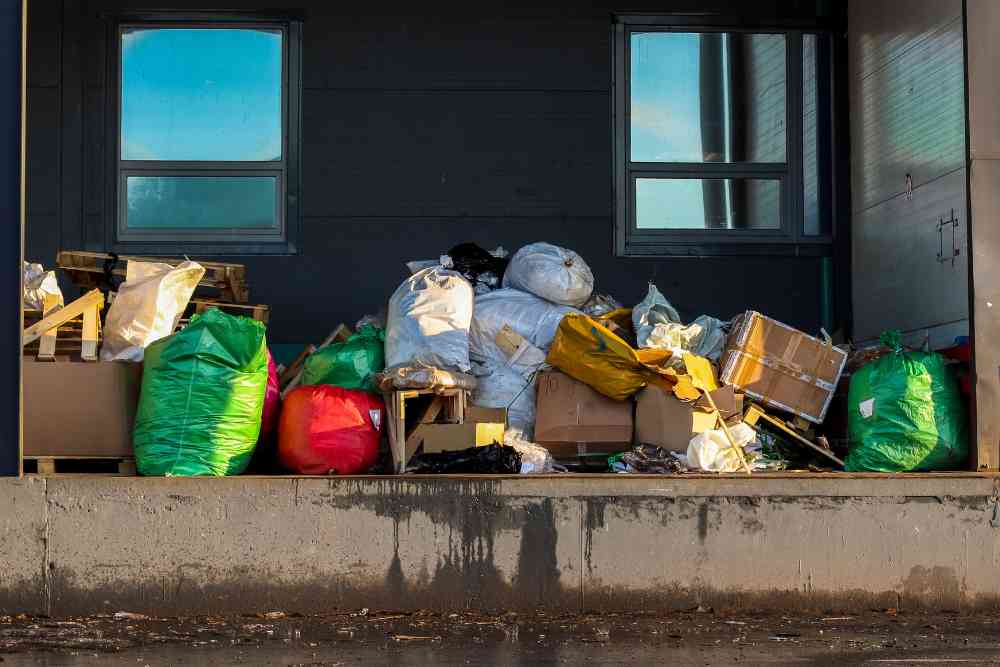
    Efficient junk removal in a restaurant hinges on a well-thought-out plan. Begin by categorizing the types of waste your establishment generates, such as food scraps, packaging materials, or outdated equipment. Designate specific areas for each category to simplify sorting and disposal. This proactive approach minimizes clutter and ensures that waste doesn’t accumulate in high-traffic zones, maintaining a clean and safe environment for both staff and customers.

    Implementing a regular schedule for waste removal is equally crucial. Depending on your restaurant’s size and volume, set daily or weekly pickups to prevent overflow. By adhering to a consistent routine, you can avoid the chaos of unexpected waste buildup and keep operations running smoothly. Remember, a clean space not only enhances the dining experience but also reflects your commitment to hygiene and professionalism.

    Educate and Equip Your Team for Efficient Waste Management

    Your staff plays a pivotal role in maintaining an organized junk removal system. Conduct training sessions to educate them on proper waste segregation, recycling practices, and the importance of timely disposal. Equip them with the necessary tools, such as color-coded bins and clear signage, to facilitate easy sorting. When everyone understands their responsibilities, waste management becomes a seamless part of daily operations.

    Encourage a culture of accountability by assigning specific team members to oversee waste management tasks during their shifts. This delegation ensures that waste is promptly addressed and prevents it from piling up unnoticed. By fostering a team-oriented approach, you create an environment where cleanliness and efficiency are prioritized, leading to a more pleasant atmosphere for both staff and patrons.

    Optimize Your Space by Regularly Assessing Equipment and Furnishings

    Over time, restaurant equipment and furnishings can become outdated or underutilized. Regularly assess the condition and functionality of items such as kitchen appliances, furniture, and decor. Identify pieces that no longer serve a purpose or are in disrepair, and prioritize their removal. This not only frees up valuable space but also allows for the introduction of more efficient or aesthetically pleasing alternatives.

    By staying proactive in evaluating your assets, you can prevent the gradual accumulation of unnecessary items that can clutter your establishment. Regular assessments also provide an opportunity to plan for upgrades or renovations, ensuring that your restaurant remains modern and appealing. A well-maintained space contributes to a positive dining experience and can even enhance operational efficiency.

    Implement a Systematic Approach to Large-Scale Cleanouts

    When undertaking a major cleanout, such as during renovations or seasonal deep cleans, approach the task systematically. Break the process into manageable stages, focusing on one area at a time. For instance, start with the kitchen, then move to storage areas, and finally address dining spaces. This methodical approach prevents overwhelm and ensures that each section is thoroughly cleaned and decluttered.

    During these large-scale cleanouts, consider involving your team in the process. Assign specific tasks or areas to different staff members, fostering a sense of teamwork and shared responsibility. Additionally, plan the cleanout during off-peak hours to minimize disruption to daily operations. By organizing the process effectively, you can achieve a comprehensive cleanout without compromising service quality.

    Utilize Professional Junk Removal Services for Efficiency

    While in-house efforts are valuable, enlisting the help of professional junk removal services can expedite the process and ensure thoroughness. Professionals have the expertise and equipment to handle large volumes of waste efficiently, allowing your team to focus on core operations. They can also assist with the proper disposal of items, adhering to local regulations and environmental guidelines.

    Choosing a reputable junk removal service with experience in handling restaurant-related waste ensures that the job is done correctly and promptly. Look for companies that offer flexible scheduling to accommodate your restaurant’s hours and needs. By partnering with professionals, you can streamline the junk removal process and maintain a clean and organized establishment.

    Maintain a Clean and Organized Back-of-House Area

    The back-of-house area, including kitchens, storage rooms, and staff break areas, often accumulates clutter and waste. Regularly inspect these spaces to identify and remove items that are no longer needed or are taking up valuable space. Implement organizational systems, such as shelving units and labeled bins, to keep items neatly stored and easily accessible.

    Encourage staff to adopt habits that promote cleanliness and orderliness, such as returning items to their designated places after use and promptly disposing of waste. By maintaining a tidy back-of-house area, you not only improve operational efficiency but also create a safer and more pleasant work environment for your team.

    Schedule Regular Maintenance and Waste Removal

    Consistency is key in junk removal. Establish a routine for waste removal and stick to it. Regularly scheduled pickups prevent waste from accumulating and becoming unmanageable. Depending on your restaurant’s size and volume, this could mean daily, weekly, or bi-weekly pickups. By adhering to a set schedule, you ensure that waste is consistently addressed, maintaining a clean and organized environment.

    In addition to regular pickups, schedule periodic maintenance checks to assess the condition of equipment and furnishings. This proactive approach allows you to identify items that need repair or replacement before they become problematic. Regular maintenance and waste removal contribute to the overall efficiency and cleanliness of your establishment.

    Implement Sustainable Practices in Waste Management

    Sustainability is increasingly important in today’s environmentally conscious society. Implement practices that reduce waste and promote recycling and composting. For example, separate organic waste from non-organic materials and ensure that recyclable items are properly sorted. Educate staff on the importance of these practices and encourage their participation.

    Partnering with local recycling centers and composting facilities can also enhance your sustainability efforts. By diverting waste from landfills, you contribute to environmental conservation and may even reduce disposal costs. Implementing sustainable waste management practices not only benefits the environment but can also improve your restaurant’s reputation among eco-conscious patrons.

    Invest in Quality Equipment for Efficient Waste Handling

    The tools and equipment you use for waste management play a significant role in the efficiency of the process. Invest in high-quality bins, dumpsters, and compactors that are appropriate for your restaurant’s needs. Ensure that these items are durable, easy to clean, and appropriately sized to handle the volume of waste your establishment generates.

    Regularly inspect and maintain your waste handling equipment to ensure it remains in good working condition. Well-maintained equipment reduces the risk of malfunctions and makes the waste management process more efficient. By investing in quality equipment, you can streamline junk removal and maintain a cleaner, more organized restaurant.

    Foster a Culture of Cleanliness and Responsibility

    Creating a culture of cleanliness within your restaurant involves more than just implementing systems and schedules; it requires fostering a mindset among your staff that values cleanliness and responsibility. Lead by example, demonstrating the importance of maintaining a clean environment and adhering to waste management practices.

    Encourage open communication about cleanliness issues and provide feedback to staff on their performance. Recognize and reward efforts that contribute to a cleaner establishment. By fostering a culture of cleanliness and responsibility, you ensure that waste management becomes an integral part of your restaurant’s operations, leading to a more efficient and pleasant dining experience for your customers.

    Conclusion

    Efficient junk removal in a restaurant setting is essential for maintaining a clean and organized environment. By implementing a clear waste management plan, educating and equipping your team, and utilizing professional services when necessary, you can streamline the junk removal process and ensure that your establishment runs smoothly. Regular maintenance, sustainable practices, and quality equipment further enhance the efficiency of waste management efforts. By fostering a culture of cleanliness and responsibility, you create an atmosphere that reflects professionalism and care, contributing to a positive dining experience for your patrons.

    For restaurants in Santa Rosa, CA, seeking reliable junk removal services, North Bay Junk Removal offers professional and efficient solutions. With a commitment to customer satisfaction and environmentally responsible practices, they can assist in maintaining a clutter-free and organized establishment. Contact them at 707-478-6817 to schedule a consultation and learn more about their services.

  • How Restaurant Junk Removal Improves Customer Experience

    How Restaurant Junk Removal Improves Customer Experience

    Creating a Welcoming Atmosphere Through Cleanliness

    Walking into a restaurant, guests notice the details before even opening a menu. The absence of clutter, old furniture, or overflowing trash bins speaks louder than words about how a business values its patrons. A tidy environment signals respect for customers, making them feel comfortable enough to stay longer and return in the future. When junk removal services clear out unnecessary items, restaurants gain open space that invites movement and encourages a more relaxed dining mood.

    The visual appeal matters just as much as the taste of the food. Patrons form impressions within seconds, and those impressions shape whether they recommend the establishment to others. Removing broken chairs, outdated décor, or unused appliances gives the space a fresh identity. With every cleared item, the dining area looks brighter, safer, and more inviting. This transformation adds up to a better overall experience, where customers not only enjoy their meal but also the environment that surrounds it.

    Enhancing Safety for Guests and Staff

    Safety can quietly dictate how customers feel in a dining setting. Piles of junk in hallways or storage rooms create tripping hazards, which may not be visible at first but can quickly lead to accidents. For staff moving quickly between tables and kitchens, these hazards increase stress and slow down service. By removing clutter, restaurants create smoother pathways and reduce risks, allowing both guests and employees to move comfortably and confidently.

    A secure space enhances trust. Diners rarely think consciously about safety measures unless something goes wrong, but their comfort often stems from an environment where risks are minimized. Professional junk removal helps eliminate heavy, unstable objects that could fall or block exits. This attention to detail doesn’t just keep accidents from happening, it builds a foundation of trust between the restaurant and its patrons. Guests may not always see the effort, but they certainly feel the difference.

    Improving Kitchen Efficiency and Workflow

    The kitchen is the heartbeat of any restaurant, and excess clutter slows it down. Old appliances shoved into corners, broken shelves, or unused containers occupy valuable square footage that should be dedicated to cooking and preparation. When these obstacles are removed, staff can move fluidly, reducing delays and mistakes during busy hours. A junk-free kitchen isn’t just neater, it’s a catalyst for efficiency.

    Customers sense this improvement without ever entering the kitchen. Meals arrive faster, orders are more accurate, and the dining rhythm feels smoother. The speed and consistency of service directly influence how guests rate their visit. Behind every plate served without delay lies a space designed for function, and that design starts with clearing away what no longer serves a purpose. Junk removal creates that hidden order, setting the stage for meals prepared with focus and delivered without unnecessary setbacks.

    Strengthening Brand Image and Reputation

    In the food industry, perception carries nearly as much weight as flavor. A cluttered patio or a visible stack of discarded equipment can overshadow even the best menu. On the other hand, a clean, polished setting elevates the brand in the eyes of visitors. Guests are quick to associate visible tidiness with professionalism and reliability. Removing junk becomes more than maintenance, it becomes an investment in brand reputation.

    A strong reputation extends beyond the walls of the dining room. Patrons talk about their experiences, and cleanliness always finds its way into those conversations. Online reviews often include remarks about atmosphere, and one photo of a messy corner can deter potential customers. Junk removal prevents those negative impressions by making the environment consistently photo-ready. The effort shows, even when it goes unspoken, leaving customers with the sense that they’ve chosen a place that truly cares about its image and their comfort.

    Making Room for Customer-Focused Upgrades

    When junk occupies valuable square footage, opportunities for improvement are lost. Old booths, outdated lighting, or broken signage take up room that could instead be used for enhancements. By clearing out what no longer adds value, restaurants create space for new seating arrangements, modern décor, or expanded dining areas. These upgrades do more than refresh the look, they directly improve how customers experience the environment.

    Guests feel the difference when changes are made with their comfort in mind. A larger dining floor means less waiting time, while improved décor creates a more enjoyable setting for family gatherings or business lunches. Junk removal paves the way for transformation, turning stagnant areas into functional ones that cater to evolving customer needs. Every square foot reclaimed becomes an opportunity to enrich the dining journey, making customers appreciate the thoughtfulness behind each upgrade.

    Reducing Stress for Restaurant Staff

    Customer experience isn’t shaped only by what guests see but also by how staff interact with them. Employees working in cluttered, disorganized environments often carry extra stress, which can reflect in their service. Junk piled in storage rooms or hallways makes tasks harder than they need to be, adding unnecessary pressure during already busy shifts. Removing these obstacles restores order and eases the daily workflow.

    When staff can find what they need quickly and move freely without dodging obstacles, they naturally perform better. That confidence translates to faster service, friendlier interactions, and a more relaxed atmosphere overall. Guests notice the difference when employees are not weighed down by frustration. Junk removal, though behind the scenes, indirectly contributes to smiles at the table and smoother service throughout the dining experience.

    Supporting Sustainability Goals

    More diners today care about sustainability, and they gravitate toward restaurants that demonstrate eco-conscious values. When junk removal includes proper recycling or donation practices, it aligns the business with these values. Guests may not see every step of the process, but they feel good knowing they are dining somewhere that takes responsibility for waste. That shared sense of responsibility builds loyalty and trust.

    Sustainability goes beyond public image. By disposing of old equipment and furniture responsibly, restaurants reduce their environmental footprint and free up resources to focus on greener practices. This commitment to sustainability enhances the dining experience because it appeals to the values of customers. They come not just for the food but for the assurance that they are supporting an establishment that aligns with their vision of a better, cleaner future.

    Preventing Odors and Unwanted Pests

    Junk left to gather dust in storage areas or behind the building often attracts more than just clutter. Unwanted pests thrive in forgotten corners, and unpleasant odors can drift into dining spaces. Both issues damage the customer experience instantly, often beyond repair. Junk removal addresses these problems at the source, eliminating the conditions that foster pests and foul smells.

    Customers may not know exactly why a restaurant feels fresh, but they immediately notice when it does not. Odor-free dining areas create comfort, while the absence of pests strengthens the impression of hygiene. These details silently shape how guests judge their visit. A simple step like removing unwanted junk ensures that the environment feels consistently pleasant, safeguarding the reputation of the restaurant and leaving customers eager to return.

    Creating Space for Outdoor Dining and Events

    Outdoor dining has become more popular, but junk often occupies patios, rooftops, or unused exterior areas that could be transformed into customer-focused spaces. By clearing these areas, restaurants gain new opportunities to host events, expand seating, or create cozy outdoor corners for casual dining. That extra space opens the door to experiences guests remember fondly and share with others.

    The impact goes beyond aesthetics. Outdoor spaces allow fresh air, natural light, and a relaxed atmosphere that enhances the dining mood. Families linger longer, and groups find more reasons to celebrate milestones in such settings. Junk removal, though not always glamorous, makes these transformations possible. It takes what was once wasted space and converts it into an extension of the restaurant’s personality, enriching the customer journey from start to finish.

    Building Customer Confidence Through Cleanliness

    Customers want to feel assured that the restaurant they choose values hygiene at every level. While sparkling tables and spotless restrooms are important, hidden clutter sends mixed messages. Junk removal communicates a deeper commitment to cleanliness, one that extends beyond surface appearances. Guests who sense this thoroughness build confidence in the establishment.

    That confidence keeps them coming back. A customer who feels secure about the environment is more likely to order freely, recommend the place to friends, and return for special occasions. Junk removal shapes this confidence subtly yet powerfully, by removing the doubt that clutter and disorganization create. Each cleared space silently tells customers they are in good hands, making their dining experience not only enjoyable but reassuring.

    Conclusion

    Customer experience is shaped by more than the menu. Cleanliness, safety, atmosphere, and efficiency all play vital roles in shaping how guests feel during their visit. Junk removal is a behind-the-scenes effort that touches every one of these aspects. From enhancing kitchen workflow to preventing odors and pests, the simple act of clearing away unnecessary items can transform how customers perceive a restaurant. It creates opportunities for upgrades, supports sustainability goals, and establishes a foundation of trust.

    For restaurants looking to strengthen their reputation and keep customers coming back, professional help makes all the difference. North Bay Junk Removal in Santa Rosa, CA, specializes in solutions that improve not only the functionality of businesses but also the comfort of their guests. With one call to 707-478-6817, restaurants can clear away the distractions and create a dining environment where customers feel valued. Choosing the right junk removal partner is more than maintenance, it is a step toward lasting customer satisfaction and continued success.

  • Restaurant Junk Removal: Why It Should Be a Priority

    Restaurant Junk Removal: Why It Should Be a Priority

    The Role of Cleanliness in a Restaurant’s Reputation

    The impression guests carry after dining is influenced not just by the food but by the environment. A cluttered back area, overflowing trash, or unused equipment sitting in corners can silently damage the image of an establishment. People notice details, and even small signs of neglect can ripple into assumptions about food safety and hygiene standards. Clean surroundings communicate that the restaurant takes pride in every part of its service, not just the meals served.

    Restaurant junk removal becomes part of reputation management. It sends the message that everything from the kitchen to the storage rooms is handled with care. Guests may not see the dumpster area or walk through the storage closet, but if the staff works in clean, organized conditions, that care carries over into the dining experience. A clean environment behind the scenes ensures confidence on the plate in front of customers.

    Junk Removal as a Step Toward Safety

    When old appliances or unused furniture pile up, they become more than just eyesores. They can block exits, clutter walkways, and create potential hazards for employees working in a fast-paced environment. A blocked path during a rush could lead to accidents that are entirely avoidable. Prioritizing junk removal minimizes these risks and keeps every corner of the restaurant safe.

    A safer workspace translates to better morale and productivity. Staff should not have to worry about tripping over discarded equipment or squeezing around unnecessary clutter. Regular junk removal keeps the restaurant compliant with safety codes and fosters a secure atmosphere for both workers and guests. Clean and hazard-free conditions ensure smoother operations, which directly benefit everyone involved.

    A Cleaner Space Boosts Efficiency

    The flow of a restaurant depends heavily on how easy it is for staff to move between stations. When unused chairs, broken appliances, or outdated stock take up space, efficiency suffers. Workers move slower, energy is wasted, and the kitchen struggles to keep up with the pace of orders.

    Junk removal is not just about tidying up. It streamlines the workflow, allowing employees to focus on their roles without unnecessary obstacles. An organized space reduces frustration, prevents delays, and helps the team operate in harmony. The result is a better customer experience, quicker service, and a calmer work environment.

    Environmental Responsibility Through Junk Disposal

    Restaurants generate waste beyond food scraps. Broken ovens, outdated furniture, and unused packaging materials add to the pile. Disposing of these items responsibly makes a significant difference in reducing environmental impact. Junk removal services often prioritize recycling or proper disposal, keeping items out of landfills whenever possible.

    By committing to eco-friendly junk disposal, restaurants show responsibility that extends beyond their own walls. It demonstrates care for the community and for the environment that supports the business. Customers increasingly value establishments that make choices aligned with sustainability, and prioritizing junk removal fits into that expectation seamlessly.

    Health Standards and Junk Removal

    Health inspectors consider more than just how clean the cooking surfaces look. They look at overall cleanliness, including storage areas, utility rooms, and waste management. Piles of unused junk can attract pests and create hidden sanitation issues. These risks put health ratings on the line and can even lead to fines or closures.

    Consistent junk removal plays a direct role in maintaining high health standards. It keeps spaces clear of hidden hazards and reduces the chance of rodent or insect infestations. When restaurants demonstrate control over all forms of waste, they ensure that food safety remains uncompromised, and health inspectors leave with a positive impression.

    Creating Space for Growth and Innovation

    Every restaurant wants room to grow, but clutter often limits possibilities. When broken refrigerators, unused shelves, or outdated décor take up valuable square footage, opportunities are lost. By clearing out the old, restaurants create room for upgrades that push the business forward.

    An open and organized environment sparks creativity and allows for new layouts, additional seating, or updated kitchen tools. Junk removal is not just a cleaning task but a chance to reinvent how the space functions. A restaurant with room to breathe has more flexibility to adapt to trends and changing customer demands.

    Financial Benefits of Removing Junk

    Holding onto broken or outdated items may feel cost-free, but in reality, clutter costs money. Old equipment that no longer works still takes up energy if plugged in. Broken chairs stacked in corners take up valuable space that could generate revenue through additional seating. Even wasted staff time navigating clutter translates into financial loss.

    Junk removal, on the other hand, saves money in the long run. It opens space for efficient equipment, reduces maintenance headaches, and ensures better use of square footage. What seems like a cleanup chore is actually a step toward stronger financial health for the restaurant.

    Junk Removal Encourages a Positive Work Culture

    Employees thrive in environments where their tools are accessible and their surroundings are clean. A cluttered back room or storage area sends the message that organization is not a priority, and staff may mirror that attitude in their own work. Over time, this can erode team morale.

    When junk is removed consistently, the workplace feels cared for. Employees know their safety and efficiency matter. They work in cleaner, more organized conditions, which fosters respect and accountability. A positive culture grows naturally when the environment supports both productivity and pride in the workplace.

    Preparing for Emergencies With a Clear Space

    In an emergency, clutter can become dangerous. Whether it is a fire, a medical incident, or even a sudden equipment failure, having blocked paths or excess junk slows down response time. Emergency exits need to stay clear, and storage areas should remain manageable in case quick access is required.

    Junk removal ensures readiness for unexpected situations. A clear and organized restaurant layout allows for faster responses and safer evacuations if needed. Being proactive about junk disposal is not just about daily operations but about preparing for events that demand immediate action.

    Customer Trust and Junk-Free Environments

    Guests may never step into a kitchen or storage room, but word travels fast when cleanliness is questioned. Even small glimpses of clutter, such as an overloaded dumpster or a disorganized patio storage area, can undermine trust. Customers want assurance that the environment supporting their meal is handled with the highest care.

    Junk removal is part of building trust that goes beyond what is seen. It proves that management takes responsibility for all areas, visible or not. A restaurant that values cleanliness in every detail reassures customers that quality and safety are priorities, strengthening loyalty and long-term success.

    Conclusion

    Restaurants succeed when every detail supports a safe, clean, and welcoming experience. Prioritizing junk removal creates healthier environments, boosts employee morale, and ensures operations run without unnecessary obstacles. From preventing safety hazards to enhancing customer trust, the benefits ripple into every part of a restaurant’s reputation and financial well-being. Ignoring junk may seem harmless, but over time it can become one of the biggest barriers to growth.

    For businesses ready to take this step, help is closer than you think. North Bay Junk Removal provides reliable junk removal services in Santa Rosa, CA, designed to support restaurants in creating safer, cleaner spaces. With a quick call to 707-478-6817, any restaurant can free itself from the clutter that holds it back. A cleaner space today paves the way for a stronger, more successful tomorrow.

  • Why Restaurant Junk Removal is Crucial for Health & Safety

    Why Restaurant Junk Removal is Crucial for Health & Safety

    Preventing Food Contamination from Waste Buildup

    A restaurant thrives on cleanliness, but waste accumulation has the power to undo all the hard work of a well-run kitchen. Leftover packaging, broken equipment, and discarded food containers often create hidden risks when they sit in back rooms or near food prep areas. Over time, these items can gather dust, mold, and bacteria that linger in the air or settle on nearby surfaces, eventually making their way into the meals served to customers.

    By ensuring that junk is removed promptly, restaurants reduce the chances of foodborne illnesses. Workers move more easily in clutter-free environments, cutting down on accidental contact between waste and fresh ingredients. A clean, junk-free kitchen sends a clear signal that food safety isn’t just a promise but a daily practice, one that shields both customers and staff from unnecessary health concerns.

    Reducing Fire Hazards Linked to Clutter

    Every restaurant has areas that fill up quickly with unused items, cardboard boxes, or outdated appliances. While these might seem harmless at first, they pose significant fire hazards when left unchecked. Stacks of flammable materials near stoves or hot equipment can ignite unexpectedly, endangering everyone in the building. Fire inspectors often cite excess clutter as one of the overlooked dangers that turn small sparks into catastrophic blazes.

    Consistent junk removal ensures that pathways remain open, emergency exits stay clear, and storage areas don’t double as fire traps. Staff can work knowing they are protected in an environment where safety comes first. This routine doesn’t just reduce the risk of fire—it demonstrates to employees and customers alike that the establishment takes proactive measures to guard against preventable disasters.

    Supporting Employee Safety in Busy Workspaces

    Restaurant employees navigate tight spaces, carrying heavy trays, rushing orders, and handling sharp utensils. Adding piles of junk or broken furniture to the mix can create unnecessary obstacles, leading to slips, falls, and workplace injuries. Even something as simple as an old chair blocking a corner can turn into a hazard when servers move quickly to meet the demands of a full dining room.

    When unwanted items are cleared away, workers enjoy more freedom of movement and fewer distractions. Safe, clutter-free workspaces boost productivity and morale, while lowering the chances of accidents. A focus on junk removal doesn’t just make a restaurant safer—it builds a workplace where staff feel valued because their well-being is a visible priority.

    Meeting Local Health Inspection Standards

    Restaurants live and die by their health inspection scores. A cluttered backroom or overflowing storage space filled with broken appliances and unused furniture can cause inspectors to question overall safety practices. Failing an inspection often leads to fines, warnings, or even temporary closure, all of which damage a restaurant’s reputation.

    Maintaining a junk-free environment makes inspections smoother and less stressful. When inspectors see a clean, organized space, it reflects a commitment to high standards and careful management. Regular junk removal helps ensure that restaurants are prepared at any time, avoiding penalties and preserving the confidence of customers who expect safe dining experiences.

    Minimizing Pest Infestations Through Cleanliness

    Rodents and insects thrive in places where clutter provides them with hiding spots. Piles of junk or unused equipment become shelters for pests, especially when food waste is nearby. Once infestations take hold, they spread quickly and can shut down a restaurant until the problem is solved. The damage extends beyond health concerns, tarnishing the image of the business in the eyes of the community.

    Proactive junk removal eliminates the environments pests rely on. By keeping storage areas clean and free of unnecessary items, restaurants reduce the risk of infestations before they even begin. Clean, open spaces leave fewer opportunities for pests to hide, making it easier to maintain a healthy environment that reassures customers and keeps operations running smoothly.

    Improving Air Quality and Sanitation

    When junk collects in corners, dust and allergens follow. Old carpets, broken fixtures, and discarded packaging trap particles that float into the air, affecting both staff and guests. Poor air quality in a restaurant doesn’t just make the space uncomfortable—it can trigger allergies, aggravate respiratory issues, and lower the overall dining experience.

    Removing clutter supports better ventilation and helps air circulate more freely. A clean atmosphere is immediately noticeable to guests, who may not consciously identify it but still sense the freshness of a well-maintained environment. This small but crucial detail underscores the restaurant’s dedication to creating a safe, comfortable space for everyone who steps through the doors.

    Enhancing Customer Confidence and Trust

    When customers walk into a restaurant, they notice more than the menu. The surroundings, from the dining room to the restrooms, shape their impression of the business. Junk piled in visible areas, or even hints of disorganization, can make diners question whether the same level of neglect exists in the kitchen. Once doubt takes root, it is difficult to rebuild trust.

    By prioritizing junk removal, restaurants show a commitment to order and cleanliness. A tidy environment tells customers that health and safety aren’t afterthoughts—they’re central to the dining experience. Guests are more likely to return and recommend a place that visibly respects both hygiene and comfort, proving that behind-the-scenes decisions directly influence customer loyalty.

    Boosting Operational Efficiency and Flow

    A restaurant functions like a machine, where every moving part must work in sync. Clutter interrupts this rhythm, slowing down service when staff must navigate around broken equipment or blocked pathways. Even small delays can ripple outward, affecting how quickly orders are delivered and how satisfied customers feel at the end of their meal.

    Junk removal restores efficiency by giving staff the space and freedom to perform at their best. Without unnecessary obstacles, workflows become smoother and more predictable. The entire dining experience benefits, from faster table turnovers to reduced stress among employees. A well-organized restaurant proves that efficiency and safety go hand in hand.

    Protecting Equipment and Infrastructure

    When old junk piles up around working equipment, it restricts airflow and access for routine maintenance. Refrigerators, ovens, and dishwashers all perform best when they have proper clearance. Obstructions not only shorten the lifespan of these appliances but also increase the risk of costly breakdowns.

    Removing junk ensures that expensive restaurant equipment is protected and maintained properly. It also prevents unnecessary wear on the building itself, as clutter can damage walls, block drains, and strain electrical systems. By investing in regular junk removal, restaurant owners safeguard the tools and spaces that keep their business thriving.

    Creating a Positive Work Culture

    The physical environment of a restaurant shapes how employees feel about their jobs. Cluttered and unsafe conditions breed frustration, while clean, organized spaces foster pride and motivation. Workers who see their employers investing in a healthy workspace often repay that care with loyalty and stronger performance.

    A focus on junk removal sends a clear message that safety and respect are priorities. It transforms the workplace into more than just a place to earn a paycheck—it becomes a space where people feel comfortable and valued. That culture directly impacts customer service, as happy, secure employees are better equipped to create memorable dining experiences.

    Conclusion

    The health and safety of a restaurant depend on more than just the food being served. Waste and clutter create risks that affect employees, customers, and the overall success of the business. From preventing contamination and fire hazards to keeping pests away and ensuring smooth operations, the impact of junk removal cannot be overstated. A clean and organized environment builds trust, supports efficiency, and helps restaurants maintain strong reputations within their communities.

    For dependable junk removal that helps restaurants in Santa Rosa, CA maintain the highest standards of health and safety, North Bay Junk Removal is the trusted choice. Their team understands the unique challenges faced by dining establishments and delivers solutions that protect both people and property. Call 707-478-6817 to schedule professional junk removal services and experience the difference a clutter-free environment makes for restaurant operations.

Call Now