northbay

Category: Kitchen Demolition

  • Kitchen Demolition Expert Tips and Advice

    Kitchen Demolition Expert Tips and Advice

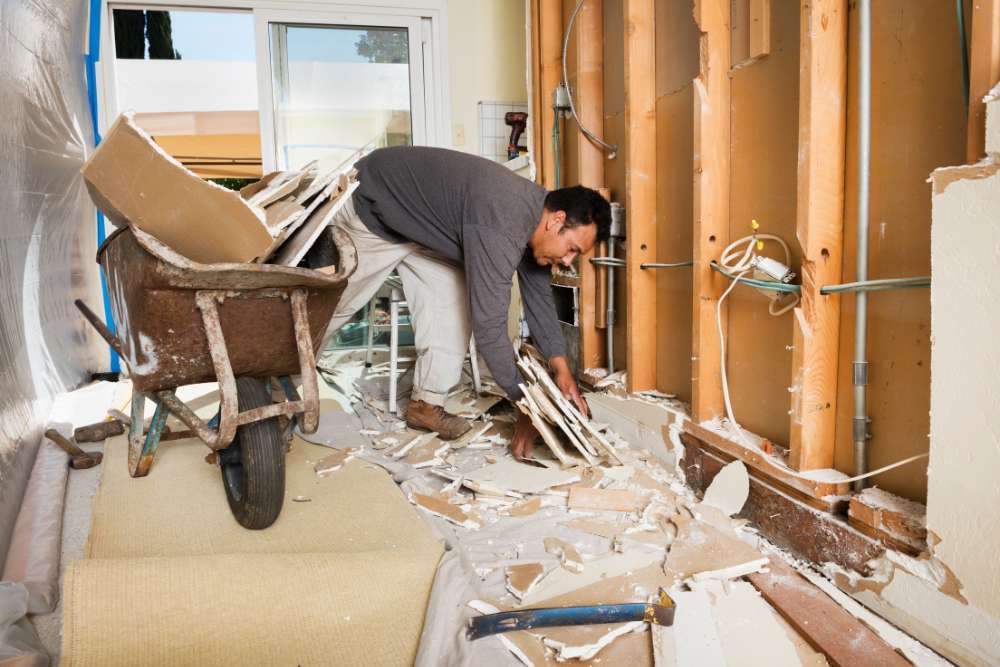
    Renovating a kitchen often begins with demolition, the stage that clears out the old to make room for the new. It might seem like a straightforward process—swing a hammer, tear things down, and haul them away. However, kitchen demolition requires careful planning, safety awareness, and efficient execution to avoid costly mistakes. Electrical systems, plumbing, and structural components are all hidden beneath the surface, waiting to surprise the unprepared.

    When done properly, demolition sets the stage for a smoother renovation, saving both time and money in the long run. While it may be tempting to dive right in, it pays to approach the process with strategy and care. Whether you’re preparing to replace cabinets, update flooring, or remove walls, understanding the essentials of kitchen demolition ensures a cleaner, safer, and more cost-effective renovation journey. Here are expert tips and advice to guide you through every step.

    Planning your kitchen demolition project

    Before lifting a single tool, planning is the most critical step in demolition. Kitchens house a complex mix of utilities—water lines, gas connections, and electrical wiring—all of which must be identified and secured before removal begins. Skipping this step can result in dangerous accidents or expensive repairs that delay the renovation.

    Creating a clear plan helps organize each phase of the demolition. Decide which areas of the kitchen will be removed and which features should be preserved. Marking boundaries and making a checklist of tasks reduces confusion once the work begins. Preparing a budget for both labor and disposal also ensures you’re not caught off guard by hidden costs. With a structured plan in place, the demolition process becomes less chaotic, keeping the project efficient and safe while laying the groundwork for the exciting transformation ahead.

    Kitchen Demolition

    Protecting yourself and your property

    Safety is non-negotiable during kitchen demolition. Dust, sharp objects, and falling debris pose risks not only to you but also to your property. Protective gear such as goggles, gloves, and masks is essential to prevent injuries and reduce exposure to hazardous materials like mold or asbestos that may be hidden in older kitchens.

    Beyond personal protection, safeguarding your property matters. Covering nearby floors, sealing off doorways, and protecting countertops that aren’t being replaced can prevent unnecessary damage. Even small steps like laying down drop cloths or using plastic sheeting go a long way in reducing cleanup time and repair costs later. By treating demolition as a controlled process rather than a free-for-all, you ensure the space remains manageable. A careful approach keeps both you and your home safe, reducing risks that often turn into costly and stressful setbacks.

    Disconnecting utilities before demolition

    One of the biggest mistakes during kitchen demolition is failing to disconnect utilities before tearing down walls or removing appliances. Kitchens typically involve multiple utility systems—plumbing, electricity, and sometimes gas lines—all of which need to be addressed to prevent serious accidents.

    Water should be shut off to avoid leaks or flooding. Electrical circuits powering appliances and outlets must be switched off to prevent shocks or fires. Gas lines require careful attention to eliminate the risk of dangerous leaks. Taking the time to disconnect these systems before starting demolition ensures the safety of everyone involved. It also prevents costly damage to your home’s infrastructure. While it may seem like an extra step, this precaution is one of the most important aspects of preparing for demolition, turning what could be a chaotic process into a controlled and manageable task.

    Removing cabinets and countertops efficiently

    Cabinets and countertops often make up the bulk of a kitchen demolition project. They may look easy to remove, but without the right technique, the process can cause unnecessary damage to surrounding walls or flooring. Starting with cabinet doors and hardware makes dismantling easier, reducing the weight of each section. Once the doors are off, you can focus on the frames and mounting brackets.

    Countertops, especially those made of granite or stone, require extra care. These heavy materials can crack unexpectedly or injure workers if lifted improperly. Removing them in sections rather than as one piece makes the process safer and more efficient. Professional teams often reuse or recycle materials, reducing disposal costs and waste. By tackling cabinets and countertops methodically, you protect both your home and your budget, ensuring the demolition stage runs smoothly without adding unnecessary repairs to your renovation checklist.

    Handling flooring removal with care

    Kitchen floors endure years of wear, and removing them during demolition can reveal hidden challenges. Tile, hardwood, or laminate may be layered over older materials, making removal more complex than it first appears. Rushing through the process can damage subflooring, leading to costly repairs before new flooring is installed.

    The key to efficient flooring removal is patience and the right tools. Specialized equipment helps lift stubborn tiles or glued-down materials without destroying the underlying surface. Professionals often separate reusable or recyclable flooring materials, minimizing disposal costs and environmental impact. A careful approach ensures that the foundation of your kitchen remains intact and ready for its upgrade. Treating flooring removal as a precise task rather than brute force protects your home’s structure while avoiding surprise expenses. This attention to detail during demolition lays a solid foundation for the renovation to come.

    Dealing with walls and structural elements

    Taking down walls is one of the most dramatic aspects of kitchen demolition, but it comes with risks if handled improperly. Not all walls are created equal; some are load-bearing, providing crucial support to the structure of your home. Removing one without professional guidance can cause structural damage and lead to expensive restoration work.

    Before demolishing any wall, it’s important to consult building plans or work with experts who can identify its role. Non-load-bearing walls can usually be removed with fewer complications, but even then, utilities like wiring and plumbing may be hidden inside. By taking a cautious approach, you prevent costly mistakes and ensure the integrity of your home remains secure. Wall demolition should always be done with precision and planning, not impulse. 

    Managing debris and waste disposal

    A kitchen demolition project generates more waste than most people anticipate. Cabinets, countertops, flooring, and appliances quickly pile up, creating clutter that slows down progress if not managed properly. Without an organized disposal plan, debris can overwhelm the worksite and increase labor costs.

    Professional junk removal services provide efficient solutions for hauling away demolition debris. They ensure recyclable materials are separated, hazardous waste is handled correctly, and disposal regulations are followed. This prevents costly fines and keeps your project moving smoothly. Organizing debris removal from the start not only saves time but also reduces overall expenses. By planning for waste disposal in advance, you transform what could be a chaotic environment into a clean and manageable space. 

    Recycling materials for long term benefits

    Kitchen demolition doesn’t have to mean sending everything to the landfill. Many materials removed during the process—like metal, wood, and certain appliances—can be recycled or even repurposed. Recycling reduces disposal fees, benefits the environment, and may even provide opportunities to sell salvaged items.

    Professional teams are skilled at sorting materials for recycling, ensuring that valuable resources don’t go to waste. Not only does this save money on disposal costs, but it also contributes to sustainable practices that benefit the community. Recycling during demolition is more than an eco-friendly choice; it’s a cost-effective strategy that makes better use of what’s already available. By incorporating recycling into your demolition plan, you reduce your project’s environmental footprint while stretching your budget further.

    Deciding between DIY and professional help

    Many homeowners consider taking on kitchen demolition themselves to save money, but the true costs of DIY often outweigh the benefits. Without the proper experience, tools, or safety precautions, what seems like a simple task can quickly become overwhelming, dangerous, or more expensive than hiring professionals in the first place. Mistakes made during demolition often lead to costly repairs or delays.

    Professional demolition teams bring efficiency, expertise, and equipment that most homeowners lack. They handle debris removal, utility disconnections, and structural assessments with precision, ensuring the project stays on schedule and within budget. While DIY may work for small, straightforward tasks, larger demolitions are best left to professionals who understand the complexities involved.

    Preparing for the next stage of renovation

    The end of demolition marks the beginning of the rebuilding process. A well-executed demolition leaves the space clean, safe, and ready for contractors to move in. Poorly handled demolition, on the other hand, can delay construction and increase costs as crews work around leftover debris or structural damage.

    Preparing for the next stage involves more than just clearing out the old—it’s about setting up the site for a smooth transition. Ensuring utilities are properly capped, structural elements are intact, and the space is debris-free makes it easier for renovation work to progress. Professional cleanup services often provide the finishing touches that turn a chaotic demolition site into a blank canvas for the next stage. 

    Conclusion

    Kitchen demolition may look simple, but it requires careful planning, safety precautions, and efficient cleanup to avoid costly mistakes. From disconnecting utilities and protecting structural elements to recycling materials and managing debris, each step plays a role in keeping the project on budget. Professional demolition services not only save time but also reduce risks, prevent damage, and ensure compliance with disposal regulations. Investing in expertise at this stage pays off throughout the renovation, setting a solid foundation for everything that follows.

    North Bay Junk Removal, located in Santa Rosa, CA, provides professional junk removal services that make kitchen demolition more manageable. Their team focuses on safety, efficiency, and eco-friendly practices, ensuring each project is handled with precision. By trusting experts to manage debris, recycling, and cleanup, you can save money while keeping your renovation on schedule. For dependable service tailored to your needs, call 707-478-6817 today. North Bay Junk Removal is the partner you need for stress-free demolition and renovation projects.

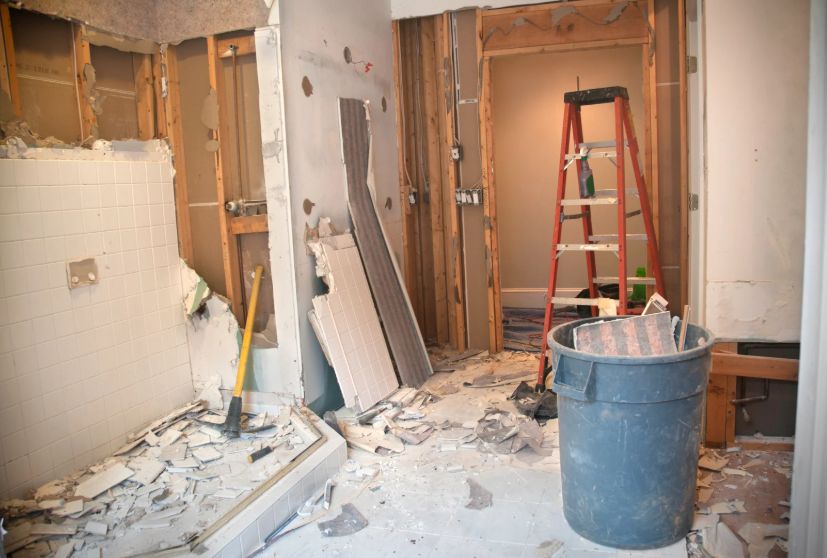
  • What’s Involved in Kitchen Demolition?

    What’s Involved in Kitchen Demolition?

    When it comes to home renovations, few projects are as exciting and intimidating as kitchen demolition. The heart of the home is about to undergo major changes, and before new cabinets, countertops, or appliances can be installed, the old must be carefully removed. While the thought of smashing through outdated cupboards may sound appealing, the process requires far more planning and precision than most homeowners expect. Proper preparation, the right tools, and clear safety measures all play a role. Understanding what’s truly involved in kitchen demolition helps ensure that the project runs smoothly and avoids costly mistakes.

    Preparing the kitchen space for demolition

    The first step in kitchen demolition is preparing the area. Clearing out appliances, dishes, and personal items ensures the workspace is ready and safe. Protective coverings should be placed over nearby floors and entryways to limit dust migration to other parts of the home. Proper preparation also involves shutting off utilities like water, gas, and electricity before any structural work begins. These safety measures prevent dangerous accidents and reduce unexpected complications.

    In addition, homeowners should establish a designated disposal area outside the kitchen. Buckets, bins, or tarps can be used to collect debris as it accumulates. This level of organization may seem unnecessary, but it saves time during cleanup and keeps the demolition process efficient. Preparing thoroughly not only safeguards the home but also makes the subsequent steps less overwhelming. A well-prepared space sets the foundation for a successful demolition project.

    Disconnecting appliances and utilities safely

    A critical part of kitchen demolition involves disconnecting utilities and appliances. Gas lines must be shut off properly to avoid leaks, while electrical connections to ovens, microwaves, and refrigerators should be safely disconnected. Even water lines to sinks and dishwashers require careful handling to prevent leaks or flooding. Taking shortcuts during this stage can lead to dangerous consequences, which is why many homeowners call in professionals for assistance.

    Removing appliances like stoves, refrigerators, and dishwashers is more than just unplugging or unhooking them. Many are heavy and awkward to move, requiring proper lifting techniques or additional manpower. Some may also contain components that need to be disposed of properly, such as refrigerants in old fridges. Ensuring that these appliances are removed safely not only protects the home but also makes the demolition process more efficient. Safety and careful planning are the cornerstones of this step.

    Removing cabinets and countertops

    Cabinet and countertop removal is often one of the most satisfying aspects of demolition, but it still requires precision. Upper cabinets should be removed first to prevent them from collapsing unexpectedly while working on lower sections. Screws, nails, or adhesive securing them to the wall must be carefully released. Once detached, cabinets should be lowered carefully to avoid damaging walls or flooring.

    Countertops can present unique challenges depending on the material. Laminate tops may come loose easily, while stone or concrete counters require heavy lifting and sometimes specialized equipment. Careful handling during removal minimizes the risk of damaging underlying cabinetry or walls that may remain in place. Proper disposal of these bulky materials also needs to be factored into the process. Whether salvaging reusable pieces or arranging junk hauling, cabinet and countertop removal is a step that demands patience and strength.

    Taking down walls when necessary

    Not all kitchen demolitions require wall removal, but in many remodels, opening up space is the goal. Taking down walls requires a clear understanding of which are load-bearing and which are not. Mistakes here can have major consequences for the home’s structure. Consulting with a professional or structural engineer before swinging a hammer ensures safety and protects the integrity of the building.

    Once it’s confirmed that a wall can be removed, proper tools like reciprocating saws and sledgehammers help break it down efficiently. Dust barriers and debris control methods should be in place before starting. Wall removal often reveals hidden wiring or plumbing that must be handled with care. This makes the process slower and more detailed than many expect. However, when done correctly, removing walls transforms a kitchen, creating open layouts and brighter spaces.

    Flooring removal during kitchen demolition

    Flooring is another major component of kitchen demolition, and the type of material dictates how complex the task will be. Tile removal requires chisels, hammers, and sometimes power tools to break through adhesive layers. Vinyl and laminate often peel up more easily, though they can still leave behind stubborn glue. Hardwood flooring can be nailed, glued, or stapled down, making its removal a time-consuming process.

    Removing flooring also exposes the subfloor, which should be inspected for water damage, rot, or uneven areas. Repairing these issues during demolition prevents costly problems later when installing new flooring. Debris from flooring removal can accumulate quickly, so frequent cleanups keep the work area manageable. Flooring demolition may feel like a separate project on its own, but it’s a vital part of creating a blank canvas for the new kitchen design.

    Managing dust and debris during demolition

    One of the biggest challenges during kitchen demolition is managing dust and debris. Demolition generates massive amounts of particles that can spread throughout the home if not properly contained. Using plastic sheeting, sealing off vents, and employing shop vacuums with HEPA filters helps maintain a cleaner environment. Proper ventilation is equally important, especially when adhesives or paints are disturbed.

    Debris should be gathered systematically as the demolition progresses. Dumping everything in one pile often slows down the process and creates hazards. Using buckets, bags, or small bins makes removal more manageable. Larger items, like countertops or old cabinets, should be removed from the site as soon as possible to free up space. By staying on top of dust and debris, homeowners make the entire project less stressful and more efficient.

    Recycling and disposal of materials

    Kitchen demolition produces a wide range of materials, from wood and drywall to tile and metal fixtures. Not all of it should go to the landfill. Many materials can be recycled, repurposed, or donated. For example, wood cabinetry might be salvaged for reuse, and metals like stainless steel or aluminum can often be recycled locally. Even old appliances may be accepted by recycling facilities if properly processed.

    Proper disposal planning makes a huge difference in the efficiency of the project. Having designated bins or piles for different materials helps ensure they are sorted correctly from the start. Professional junk removal services often provide eco-friendly disposal options, handling the hauling and recycling for homeowners. By focusing on sustainable practices, demolition projects reduce their environmental impact while keeping work areas cleaner and more organized.

    Safety considerations for homeowners and crews

    Demolition work comes with inherent risks, so safety precautions should never be overlooked. Sharp objects, heavy materials, and hidden hazards like mold or asbestos may be encountered during a project. Wearing protective gear such as gloves, masks, and safety goggles is essential. Proper footwear with non-slip soles also helps prevent accidents when dealing with debris.

    For larger or more complicated demolitions, it’s wise to bring in professionals who know how to handle potential hazards safely. Structural issues, gas lines, and electrical systems can all create dangerous situations if handled incorrectly. Establishing clear communication among everyone involved in the project further reduces risks. Safety isn’t just about protecting people; it also safeguards the home and ensures the project continues without unnecessary setbacks.

    Hiring professionals for kitchen demolition

    While some homeowners may feel confident tackling smaller demolition projects themselves, larger or more complex kitchens often require professional expertise. Experienced demolition teams bring knowledge, efficiency, and the proper equipment to handle every step safely. From disconnecting utilities to hauling away debris, professionals streamline the process and reduce stress for homeowners.

    Hiring experts also ensures that the demolition complies with local regulations and disposal requirements. Professionals are better equipped to manage unexpected complications, like hidden water damage or structural issues, that can delay projects. Investing in a professional demolition team ultimately saves time and reduces costly mistakes. For many homeowners, the peace of mind gained is worth the additional expense.

    Planning for the renovation ahead

    Demolition is only the first half of a kitchen transformation. Planning for what comes next is just as important as tearing down the old. A clean, prepared space gives contractors a fresh start for installing new cabinets, flooring, and appliances. Addressing subfloor or wall repairs during demolition ensures a smoother renovation phase.

    Having a renovation plan in place also helps determine how much demolition is needed. For example, if some cabinetry will be reused, it must be removed carefully rather than destroyed. Aligning demolition efforts with renovation goals keeps the project on track and minimizes wasted time and money. A thoughtful approach to planning bridges the gap between demolition and construction, making the overall project more successful.

    Conclusion

    Kitchen demolition is far more than swinging hammers and tearing down cabinets. It’s a process that requires planning, precision, and a strong focus on safety. From disconnecting utilities and removing cabinets to handling debris and preparing for renovation, each step plays a vital role in the transformation. Managing dust, recycling responsibly, and repairing hidden structural issues are just as important as the physical act of demolition. With careful preparation and smart disposal strategies, the project becomes less overwhelming and sets the stage for a smooth renovation.
    For homeowners in Santa Rosa, CA, North Bay Junk Removal provides reliable junk removal services to handle the aftermath of demolition. Their team is equipped to haul away cabinets, countertops, flooring, and other debris efficiently and responsibly. Whether preparing for a small update or a full-scale remodel, their services simplify cleanup and disposal. Call 707-478-6817 today to schedule professional junk removal and keep your renovation project moving forward without the hassle.

  • Tips for Efficient Kitchen Demolition Cleanup

    A kitchen demolition is often the first step toward a fresh, modernized space, but with it comes a mountain of debris, dust, and clutter. Cabinets, countertops, tiles, and drywall can quickly turn into a chaotic mess if not handled properly. What should be an exciting beginning can feel overwhelming without the right plan for cleanup. To keep the process manageable, preparation and organization are key.

    Efficient cleanup ensures that your renovation project stays on schedule and that your home remains safe during the transition. From removing bulky items to sorting recyclable materials, every step matters. With smart strategies, a messy kitchen demolition transforms into an organized process that leaves your space ready for its next stage of construction. By focusing on order and safety, you save time, reduce stress, and minimize potential hazards. A clear plan ensures the demolition doesn’t overshadow the excitement of your kitchen’s transformation.

    Preparing your space before demolition begins

    Getting ahead of the mess starts before the first hammer swing. Removing personal belongings, appliances, and cookware prevents them from being damaged or covered in dust. Clearing countertops and emptying cabinets ensures that no items are accidentally broken or lost in the debris. This step also creates more space for moving out large materials once demolition is underway.

    Taking precautions like sealing doorways with plastic sheeting and covering floors with protective materials can prevent dust and sharp fragments from spreading to other parts of your home. The better your preparation, the smoother the cleanup becomes afterward. Instead of scrambling to protect surfaces mid-demolition, you’ll know the essentials are safe. Thoughtful preparation not only protects your property but also creates a safer, more organized environment for everyone involved in the project.

    Removing large fixtures in stages

    One of the most effective ways to control demolition waste is removing large fixtures in manageable stages. Cabinets, countertops, and appliances should be taken out before smaller items are addressed. Tackling one type of fixture at a time keeps the debris organized, which makes cleanup easier and safer. Large materials often create sharp edges or bulky piles, so removing them in order ensures they don’t interfere with handling smaller debris.

    Breaking down large fixtures carefully also reduces the risk of injury. For example, detaching cabinets rather than smashing them allows you to stack or transport pieces neatly. Countertops can be cut into sections rather than hauled away in one heavy slab. By treating the removal as a step-by-step process, you minimize chaos while giving yourself a clearer plan for cleanup afterward. This methodical approach turns demolition into a structured task rather than a cluttered free-for-all.

    Sorting materials for recycling and disposal

    A kitchen demolition produces a wide variety of waste, from wood and metal to tile, drywall, and glass. Sorting these materials as you go makes disposal faster and more sustainable. Metals such as aluminum or stainless steel can often be recycled, while clean wood may be repurposed. Keeping piles organized during demolition prevents recyclable items from mixing with non-recyclable waste, saving time when it’s time for removal.

    This practice also reduces disposal costs. Recycling centers may accept certain materials at lower fees than landfills, and in some cases, they might even provide credit for metals. By planning ahead and sorting effectively, you not only lessen the environmental impact but also streamline cleanup. The key lies in treating waste as resources rather than garbage, giving value to what’s left behind and preventing everything from being lumped together unnecessarily.

    Containing dust and airborne particles

    Demolition dust can travel farther than expected, settling on furniture, electronics, and hidden corners of your home. To keep the mess under control, plastic sheeting should be used to seal off rooms, and vents should be covered to prevent dust from circulating through your HVAC system. Working with fans and air purifiers can also reduce airborne particles during the process.

    Sweeping up dust periodically rather than waiting until the end keeps it from accumulating into an overwhelming problem. Masks are essential during demolition, as dust from drywall and plaster can irritate the lungs. By keeping dust contained and addressing it consistently, you protect your health and reduce the time needed for post-demolition cleaning. Dust may seem harmless, but controlling it ensures that cleanup remains efficient and doesn’t stretch into days of wiping down surfaces long after the work is done.

    Using proper safety gear during cleanup

    Kitchen demolition cleanup is not just about removing debris—it’s about doing it safely. Gloves are essential for protecting your hands from nails, splinters, and sharp tile edges. Safety goggles prevent dust and flying fragments from causing eye injuries, while sturdy boots protect feet from falling materials. These items aren’t optional; they are fundamental to ensuring that the cleanup process doesn’t result in unnecessary accidents.

    In addition to personal gear, tools such as dust masks, knee pads, and ear protection make cleanup less taxing on the body. The process often requires lifting heavy objects and bending frequently, so having the right support reduces fatigue. A safe worker is a more efficient worker, and maintaining safety protocols ensures that the cleanup is completed quickly without interruptions caused by injuries or discomfort. Protecting yourself allows you to focus on completing the task thoroughly and effectively.

    Scheduling junk removal for bulky waste

    A major kitchen demolition generates more debris than most homeowners can handle on their own. Scheduling junk removal ensures that large volumes of waste are taken away efficiently, freeing up space for the renovation to continue. Instead of letting bulky items clutter your yard or driveway, professional hauling removes them in one organized step.

    Junk removal services also understand the correct way to dispose of materials, ensuring compliance with local disposal regulations. By relying on professionals for the heavy lifting, you save yourself from the strain of moving massive items like countertops or broken appliances. Scheduling pickups at the right time ensures that cleanup is seamless, and you won’t be stuck with piles of debris long after the demolition is over. This step prevents delays in your renovation and allows you to enjoy a cleaner, safer workspace.

    Protecting surrounding rooms from debris spread

    A kitchen demolition often spills beyond the boundaries of the kitchen if containment measures aren’t in place. Dust, small fragments, and even loose nails can find their way into nearby rooms, creating extra cleanup that could have been avoided. Using tarps, barriers, and sealed doorways helps confine the mess to the kitchen, where it’s easier to manage.

    Furniture and floors in nearby areas should also be covered with protective sheets. Even if these rooms aren’t part of the renovation, they can still suffer damage if precautions aren’t taken. By protecting surrounding rooms, you cut down on unnecessary cleanup and ensure the rest of your home remains functional during the project. This makes the process less stressful and allows you to maintain a level of normalcy while the kitchen is being transformed.

    Maintaining organization during cleanup

    Staying organized throughout demolition cleanup keeps the process efficient and reduces stress. Designating areas for specific types of waste—such as wood, tile, or metal—creates a flow that prevents clutter from taking over. Keeping tools and protective gear in a dedicated spot ensures you don’t waste time searching for what you need in the middle of the task.

    Regularly removing filled containers or bags helps maintain order. Instead of allowing debris to pile up uncontrollably, frequent disposal prevents overwhelming messes and makes the environment safer. Organization is not just about neatness; it’s about working smarter. 

    Preparing the site for renovation after cleanup

    Cleanup isn’t complete until the site is ready for the next stage of construction. Once debris is removed, the area should be swept and vacuumed to eliminate fine dust and small particles. Floors may need inspection for nails or screws left behind, and walls should be checked for hidden fragments. These final touches ensure that contractors have a safe and clear environment to begin the renovation.

    A well-prepared site accelerates the remodeling process. With a clean foundation, new installations such as cabinets, flooring, and appliances can proceed without delay. Taking the time to finish cleanup thoroughly pays off when the renovation begins, ensuring no surprises or setbacks arise from overlooked debris. 

    Managing cleanup according to project scale

    Not every kitchen demolition creates the same amount of waste. Small projects may only generate a few bags of debris, while full remodels can fill dumpsters with broken fixtures and heavy countertops. Tailoring your cleanup approach to the size of the project prevents wasted effort and ensures efficiency. Small jobs may be manageable on your own, but larger ones often benefit from professional assistance.

    Recognizing the scale also helps you plan resources accordingly. Renting the right size dumpster or scheduling multiple junk removal visits avoids unnecessary delays. By adapting your cleanup plan to the scope of the demolition, you save both time and money while ensuring that the mess never grows beyond your control. 

    Conclusion

    An efficient kitchen demolition cleanup requires preparation, safety, and organization at every stage. From sealing off nearby rooms to sorting materials for recycling, each decision contributes to a smoother process and a cleaner outcome. Without a plan, debris can overwhelm your space and delay renovations, but with the right strategy, cleanup becomes manageable and stress-free.

    For homeowners in Santa Rosa, CA, North Bay Junk Removal provides reliable junk removal services that simplify even the messiest demolition projects. Their team handles heavy lifting, disposal, and hauling with efficiency and care, ensuring debris doesn’t stand in the way of your renovation goals. Whether you’re removing cabinets, countertops, or entire fixtures, they offer dependable solutions tailored to your needs. Contact North Bay Junk Removal at 707-478-6817 to schedule service and keep your demolition project on track. With their help, cleanup becomes a smooth step toward your dream kitchen.

  • How Kitchen Demolition Can Open Up Your Space

    How Kitchen Demolition Can Open Up Your Space

    Kitchen demolition may sound like the messy part of a renovation, but it’s often where transformation truly begins. Many homeowners dream of a brighter, more open kitchen, yet forget that achieving it starts by carefully taking apart what already exists. Demolition clears away the old and creates room for something entirely new. It allows homeowners to envision possibilities that were previously hidden behind walls, cabinets, and outdated fixtures. Without this crucial step, modern upgrades can feel like mere surface changes instead of a full reinvention of the space.

    Approaching kitchen demolition with the right mindset makes it less about tearing down and more about unlocking potential. Once bulky structures and dated designs are gone, the room begins to feel more expansive. This shift not only improves functionality but also creates a clean canvas for creative ideas. Demolition, when planned thoughtfully, paves the way for both beauty and practicality in the heart of the home.

    Understanding the role of demolition in kitchen design

    Demolition plays a foundational role in kitchen redesign. By stripping the space back to its core, you expose what lies beneath—plumbing, electrical work, and the true dimensions of the room. These discoveries often shape the design process more than expected. For example, removing old cabinets might reveal extra inches of ceiling height or a window that deserves more emphasis. In this way, demolition is not only about subtraction but also about revealing hidden assets of your home.

    This stage also provides clarity for contractors and homeowners alike. Without the clutter of outdated features, the true footprint of the kitchen emerges, enabling more accurate planning and layout adjustments. Even if you don’t plan to expand the room, demolition can uncover small details that spark creative opportunities. 

    Creating an open floor plan through demolition

    One of the most compelling reasons for kitchen demolition is the chance to create an open floor plan. Walls that once divided the kitchen from the dining or living area can be removed, immediately making the home feel larger and more welcoming. This openness encourages interaction, allowing families and guests to connect more easily across shared spaces. The kitchen becomes more than a workspace—it evolves into a social hub at the center of daily life.

    Removing these barriers also changes the way natural light moves through your home. Rooms that once felt dark and isolated suddenly benefit from shared brightness, making the entire space more uplifting. The flow from one area to another feels seamless, increasing both comfort and functionality. Through thoughtful demolition, homeowners gain the flexibility to embrace modern living, where kitchens are not closed-off corners but vibrant, central spaces that reflect a more connected lifestyle.

    Maximizing storage opportunities after demolition

    Many kitchens suffer from storage limitations, often due to outdated layouts or bulky cabinets that don’t use space efficiently. Demolition opens the door to entirely new storage solutions by eliminating those restrictive features. Once the old is removed, you can rethink how every inch of the room is utilized. This could mean adding floor-to-ceiling cabinetry, hidden storage under counters, or even creative shelving that doubles as décor.

    With a blank slate, you’re no longer tied to the decisions made decades ago when the kitchen was first built. Instead, you can focus on designing a storage system that meets your current needs. Open shelving for everyday essentials, specialized compartments for appliances, or custom-built pantry areas become possible only after demolition clears the way.

    Improving natural light and ventilation

    Demolition often reveals new ways to improve natural light and airflow within the kitchen. By removing obstructive upper cabinets or even knocking down partial walls, sunlight has the chance to fill the space more fully. Natural light not only makes the kitchen more inviting but also reduces the need for artificial lighting during the day, helping homeowners save on energy costs while creating a healthier environment.

    Ventilation also improves with thoughtful demolition. A space that once felt stuffy can suddenly accommodate larger windows, skylights, or even a range hood system designed to move air more effectively. This shift makes cooking more enjoyable and keeps the entire home fresher. The combined benefit of better light and airflow transforms the kitchen into a place where people genuinely want to spend

    Increasing property value with a fresh start

    Kitchen renovations consistently rank as one of the top ways to increase property value, and demolition is the gateway to that transformation. Clearing away old fixtures and finishes makes room for modern updates that instantly attract buyers. Stainless steel appliances, contemporary cabinets, and quartz countertops all shine brighter when they aren’t competing with outdated materials. The demolition phase sets the stage for these improvements to take center stage.

    Even if you don’t plan to sell your home soon, increasing property value benefits you in the long run. A clean, modernized kitchen makes the home more appealing to future buyers and creates pride of ownership for you. By starting fresh, you eliminate the dated look and functionality issues that could have held back the home’s worth. In this way, kitchen demolition is not just about immediate changes—it’s an investment in your property’s future potential.

    Addressing hidden structural or utility issues

    Behind kitchen walls and beneath old floors, hidden problems often lurk. Leaking pipes, outdated wiring, or even mold can remain unnoticed until demolition begins. While discovering these issues may feel like an unwelcome surprise, addressing them early prevents bigger complications later. Demolition exposes these weaknesses so they can be fixed before new installations cover them up again.

    By resolving these hidden problems, you create a safer and more reliable environment for your household. It also ensures that your renovation lasts, since new finishes and appliances won’t be compromised by old, failing systems. This stage highlights why demolition is not simply about removal but also about investigation.

    Enhancing kitchen functionality with new layouts

    Functionality is one of the most important aspects of kitchen design, and demolition allows you to completely reimagine how the space works. Outdated kitchens often suffer from inefficient layouts that make cooking, cleaning, and socializing feel cramped. Once demolition clears the area, you’re free to reconfigure the space with modern design principles in mind, such as the kitchen work triangle or open-concept islands.

    This freedom creates room for practical features like extended counter space, multipurpose islands, or even dual sinks for busy households. The flexibility gained after demolition allows homeowners to prioritize their specific needs, whether that’s entertaining guests or streamlining daily meal prep. Functionality improves because the layout no longer reflects compromises from past decades but instead aligns with how modern families live. With a new layout, the kitchen becomes a tool that supports daily life rather than complicating it.

    Supporting eco friendly renovation goals

    Kitchen demolition also supports eco-friendly renovation goals when handled responsibly. Many of the materials removed—wood, metal, and even some fixtures—can be recycled or repurposed instead of being discarded. This approach reduces waste while providing useful resources for future projects. Choosing eco-conscious disposal methods turns demolition into a positive step for both your home and the environment.

    Clearing old structures also makes space for environmentally friendly upgrades. Energy-efficient appliances, sustainable countertops, and water-saving fixtures can all be installed once the old materials are gone. The demolition process essentially clears the way for greener living, aligning your renovation with broader sustainability goals. By planning disposal and upgrades carefully, you ensure that the project not only improves your kitchen but also minimizes environmental impact. Demolition becomes an opportunity to merge functionality, style, and responsibility in a single step.

    Making room for modern appliances

    Modern appliances are often larger and more advanced than their predecessors, requiring additional space for proper installation. Demolition clears the way for this transition, removing cabinetry or walls that restrict your options. Whether you want a double-door refrigerator, a built-in oven, or a smart dishwasher, creating space is often the first requirement. This ensures your new appliances don’t just fit physically but also blend seamlessly with the kitchen’s design.

    Beyond size, today’s appliances demand updated infrastructure. Improved electrical wiring, water connections, and ventilation may be necessary. Demolition makes it easier to upgrade these systems, preventing compatibility issues down the line. With space and infrastructure properly prepared, modern appliances can function at their full potential, enhancing both convenience and efficiency. 

    Simplifying maintenance with updated design

    Old kitchens often require constant upkeep, with worn surfaces, failing grout, and hard-to-clean corners demanding frequent attention. Demolition allows you to start fresh with durable, low-maintenance materials that simplify daily life. Modern flooring, countertops, and backsplashes are designed with ease in mind, resisting stains and wear in ways older materials never could. The process of clearing away the old ensures that these upgrades can be installed seamlessly.

    A simplified design also reduces clutter and unnecessary complications. Clean lines and efficient layouts mean less time spent cleaning awkward spaces and more time enjoying the kitchen itself. Demolition essentially eliminates the problems created by outdated designs, replacing them with modern solutions built for convenience.

    Conclusion

    Kitchen demolition is more than tearing down old cabinets or removing worn floors—it’s the first step toward creating a space that truly works for modern living. By opening up floor plans, improving light, and preparing for better layouts, demolition makes it possible to reimagine the heart of your home. It also provides the chance to uncover hidden issues, upgrade essential systems, and design with sustainability in mind. Each of these steps contributes to a kitchen that is not only beautiful but also functional, safe, and future-ready.

    For those who want professional help handling the mess and debris, North Bay Junk Removal offers dependable solutions. Based in Santa Rosa, CA, the company specializes in junk removal services that simplify even the most demanding projects. With experience, equipment, and a commitment to efficiency, they ensure the demolition process flows smoothly. To schedule expert junk removal, call North Bay Junk Removal today at 707-478-6817.

  • How Kitchen Demolition Services Save You Time and Money

    How Kitchen Demolition Services Save You Time and Money

    Clearing Space Quickly

    Kitchen demolition can feel like a daunting task, especially when every corner is filled with old cabinets, appliances, and flooring. Opting for professional demolition services transforms this overwhelming process into a streamlined experience. Skilled teams bring the right tools and techniques to remove materials efficiently, minimizing the disruption to your daily routine. Instead of spending days maneuvering around stubborn fixtures or struggling with heavy equipment, you benefit from a swift and organized approach. This ensures your kitchen renovation starts on the right foot without delays or unnecessary frustration.

    Beyond speed, professional demolition prevents accidental damage to your home. Cabinets and countertops can be removed carefully to preserve adjacent walls and flooring, which might otherwise require costly repairs. By entrusting experts with this task, you not only save time but also reduce the risk of unexpected expenses. The combination of efficiency and precision highlights the tangible value that professional services bring, turning what could be a stressful project into a manageable and predictable process.

    Avoiding Hidden Costs

    A major advantage of hiring kitchen demolition services is avoiding hidden costs that often arise with DIY projects. Renting specialized equipment, buying safety gear, and paying for disposal of debris can quickly add up. Professionals come equipped with everything needed for a clean and safe teardown, often including the hauling and disposal of old materials. This integrated approach eliminates surprise expenses and gives you a clear understanding of the investment required for your renovation.

    Furthermore, experts can identify potential complications before they become costly problems. Electrical lines, plumbing, and structural elements are handled with care, ensuring no inadvertent damage occurs. This foresight protects your budget and prevents delays in your remodeling timeline. Investing in skilled demolition ultimately translates to savings, allowing you to allocate funds to upgrading your kitchen rather than repairing avoidable mistakes.

    Efficient Waste Removal

    Kitchen demolition generates a significant amount of waste, from broken tiles to discarded cabinets. Handling this debris yourself can be physically taxing and time-consuming, but professional services include proper waste management. Experts sort, remove, and dispose of materials responsibly, often recycling items when possible, which contributes to environmental sustainability and reduces the clutter in your home. You avoid multiple trips to the dump and the stress of figuring out disposal regulations.

    This approach also creates a safer environment for your family. Loose nails, shards of glass, and splintered wood pose real hazards if not promptly cleared. Professionals ensure that all debris is removed and the area is left safe and ready for renovation. The dual benefit of safety and efficiency emphasizes how professional demolition services save both time and money while delivering peace of mind throughout your project.

    Protecting Structural Integrity

    Removing old kitchen components might seem straightforward, but improper demolition can compromise the structural integrity of your home. Professionals understand the correct techniques to dismantle cabinets, countertops, and appliances without affecting load-bearing walls or critical supports. This knowledge prevents costly repairs that may arise from accidental structural damage, protecting your home’s value and your investment in renovations.

    Additionally, experienced teams work methodically, often taking inventory of reusable materials. Salvaging usable cabinets, countertops, or fixtures can further reduce costs in your new kitchen design. By combining structural care with resourceful practices, professional demolition services provide a smarter, safer, and more economical path to achieving your dream kitchen.

    Reducing Project Delays

    Time is money, and delays during kitchen renovations can be frustrating and expensive. Professional demolition teams operate on schedules that keep projects moving smoothly, removing obstacles that might slow down contractors or remodeling work. Their experience allows them to anticipate potential issues and handle them proactively, reducing downtime and ensuring that subsequent phases of your renovation start promptly.

    Coordination with other tradespeople, such as electricians and plumbers, is also facilitated when demolition is completed efficiently. Clear and clean spaces allow for immediate installation of new components, preventing bottlenecks. The ability to maintain momentum throughout the project ultimately translates into reduced labor costs and quicker project completion, making professional demolition an investment in efficiency and convenience.

    Ensuring Safety Standards

    Kitchen demolition involves sharp tools, heavy materials, and exposure to potentially hazardous substances. Professionals are trained to follow safety standards and wear protective equipment, minimizing the risk of injury. Attempting demolition without proper knowledge or preparation can result in accidents that are both physically and financially costly. By relying on experts, you reduce the chance of injury and associated medical bills while ensuring a compliant and safe environment.

    Safety extends beyond personal protection. Professionals know how to handle materials like asbestos, lead-based paint, or mold that may exist in older kitchens. Proper identification and disposal prevent health hazards and legal issues, making professional services not only a practical choice but a responsible one. Prioritizing safety guarantees that your kitchen renovation is completed without unexpected setbacks.

    Time Management Advantages

    Time management is one of the most overlooked benefits of hiring kitchen demolition services. Professionals plan the process meticulously, prioritizing tasks and using efficient techniques to minimize wasted effort. They can often complete in hours what might take a homeowner several days, freeing you to focus on planning your new kitchen layout or selecting finishes and appliances. The ability to delegate this labor-intensive phase allows you to allocate your energy to more creative or enjoyable aspects of your renovation.

    Moreover, experienced teams can work around your schedule, arriving when it’s convenient and adapting to unforeseen changes. This flexibility enhances project efficiency and reduces stress. The structured approach, combined with adaptability, ensures that your kitchen renovation progresses smoothly, saving precious time and avoiding the frustration often associated with large-scale home improvement projects.

    Minimizing Environmental Impact

    Professional kitchen demolition services often include eco-friendly practices, such as sorting and recycling materials. Disposing of construction debris improperly can harm the environment and may violate local regulations. By entrusting the task to experts, you ensure that items like metal fixtures, wood, and appliances are recycled or disposed of responsibly. This not only contributes to sustainability but also reduces potential fines or fees associated with improper disposal.

    Reusing salvageable materials also supports cost efficiency, as reclaimed cabinets or countertops can be integrated into new designs or sold. The environmental consciousness embedded in professional services adds an additional layer of value, allowing you to renovate responsibly. This dual focus on ecological impact and cost-effectiveness reinforces why professional demolition services are a wise choice.

    Streamlining Renovation Planning

    Kitchen demolition services do more than remove old materials—they set the stage for a smooth renovation. By handling the demolition efficiently, professionals provide a clean slate for contractors and designers, allowing the next phase to proceed without interruption. Clear spaces simplify planning, measurements, and installation of new components, preventing errors and rework that could extend timelines and increase costs.

    The ability to see an unobstructed workspace early in the process also enhances decision-making. Homeowners can make informed choices about layout adjustments or material selections when the environment is ready for inspection. This proactive preparation ensures that your renovation proceeds logically and economically, saving both time and money while reducing stress throughout the project.

    Maximizing Budget Efficiency

    Ultimately, professional kitchen demolition services protect and maximize your renovation budget. By avoiding damage, preventing delays, and handling waste responsibly, they reduce unforeseen expenses. Reclaimed materials can offset costs, and the efficiency of skilled teams ensures that every phase of the renovation proceeds as planned. The upfront investment in professional services often results in long-term savings, as the risks associated with DIY demolition are mitigated and the project timeline remains predictable.

    Additionally, the peace of mind provided by professionals allows homeowners to focus on design and quality decisions rather than logistical headaches. The combination of financial prudence, time savings, and stress reduction highlights how demolition services deliver tangible benefits. Investing in expertise ensures that your kitchen transformation is as cost-effective and smooth as possible.

    Conclusion

    Choosing professional kitchen demolition services offers benefits that extend far beyond convenience. Efficiency, safety, and careful handling of materials translate into significant time and cost savings. Homeowners gain a clearer timeline for renovation, reduced risk of accidental damage, and a structured approach to waste management. This holistic service allows you to focus on designing and installing your dream kitchen while experts manage the heavy lifting and disposal responsibilities.

    For reliable junk removal solutions in Santa Rosa, CA, North Bay Junk Removal provides top-tier services that combine efficiency, safety, and environmental responsibility. Their experienced team can handle all aspects of demolition debris removal, ensuring your renovation proceeds without interruption. Contact North Bay Junk Removal at 707-478-6817 to schedule a service that saves you both time and money, making your kitchen renovation a smoother and more rewarding experience.

  • Kitchen Demolition Common Mistakes to Avoid

    Kitchen Demolition Common Mistakes to Avoid

    Embarking on a kitchen demolition without a clear plan can quickly turn a manageable project into a chaotic ordeal. Skipping over the planning phase often leads to accidental damage to surrounding walls, floors, or cabinetry you intend to keep. Even small oversights, like not knowing where electrical lines or plumbing pipes run, can result in costly repairs or hazardous situations. Effective planning ensures that every step of the demolition is deliberate and safe. Mapping out which items need removal first, securing necessary permits if applicable, and having proper tools on hand can prevent a scramble mid-project.

    Equally crucial is designating a space for debris collection and disposal. Without a clear strategy, debris can accumulate in walkways and work areas, creating hazards and slowing progress. Additionally, understanding the order of removal—starting with appliances, cabinets, and countertops—keeps the process efficient. Taking time to plan allows for better decision-making when unexpected challenges arise, minimizing risk while maintaining momentum. Ultimately, thoughtful preparation sets the stage for a smoother, safer demolition experience that protects both your property and your well-being.

    Failing to Protect Surrounding Areas

    One common pitfall during kitchen demolition is neglecting to protect floors, walls, and furniture outside the work zone. Dust and debris travel quickly, and unprotected surfaces can suffer scratches, dents, or staining. Using heavy-duty plastic sheeting, drop cloths, and painter’s tape around cabinets, counters, and appliances not slated for removal helps contain mess and reduces cleanup time. A lack of protection not only damages your home but also increases stress and prolongs the project timeline.

    Protective measures should extend to ventilation and airflow. Opening windows and running fans can help keep airborne dust at bay, preventing respiratory irritation and minimizing dust settling on unaffected areas. Covering vents, sealing doorways, and wearing protective gear such as masks and goggles adds an additional layer of safety. These steps ensure that demolition remains a contained process, sparing your home from unnecessary damage while keeping everyone involved safer and healthier.

    Overlooking Safety Gear

    Demolition may appear straightforward, but the work involves sharp edges, heavy lifting, and airborne debris that can cause injury. Skipping essential safety gear can result in serious accidents. Gloves, steel-toed boots, goggles, and durable clothing protect against cuts, punctures, and abrasions. Respirators or dust masks are critical for avoiding inhalation of dust, insulation fibers, or chemical residues, which can lead to long-term health issues if ignored. Safety gear is not optional; it is a fundamental precaution that preserves both physical health and confidence throughout the project.

    Even with proper tools and planning, accidents can happen. Wearing safety equipment significantly reduces the severity of injuries if a slip, fall, or object mishap occurs. Helmets and knee pads may also be beneficial during extensive work requiring crawling or overhead removal. Emphasizing safety from the beginning cultivates a mindset of caution and attentiveness, which in turn fosters efficiency, allowing the demolition to proceed at a steady, secure pace without unnecessary interruptions caused by preventable accidents.

    Mishandling Electrical and Plumbing Lines

    A critical mistake many make during kitchen demolition is underestimating the risks associated with electrical wiring and plumbing. Cutting or pulling appliances without turning off power or shutting off water can lead to shock, flooding, or extensive damage. Before demolition begins, confirm that circuits are deactivated and water lines are closed, and consider labeling pipes and wires to prevent confusion. Failure to account for hidden infrastructure can compromise safety and escalate repair costs.

    Professional consultation is often advisable when dealing with complex systems. Even seemingly minor wires or pipes may be connected to critical household systems. By carefully inspecting and managing utilities, you prevent accidents that could affect not only the kitchen but the entire home. Prioritizing the safe handling of electrical and plumbing lines ensures a smoother demolition process, reduces emergency scenarios, and lays a secure foundation for the next stage of kitchen remodeling or reconstruction.

    Underestimating Debris Removal Needs

    Many homeowners begin demolition without a concrete plan for handling the resulting waste. Kitchens contain heavy appliances, cabinetry, countertops, and mixed materials that accumulate quickly. Underestimating the volume and weight of debris can lead to blocked pathways, repeated trips to dumpsters, or injuries from improper lifting. Preparing a dedicated area for debris staging, renting a suitable dumpster, or arranging professional junk removal services keeps the workspace clear and organized.

    Proper disposal methods also influence the timeline and environmental impact. Separating materials for recycling, donation, or landfill ensures compliance with local regulations and promotes sustainable practices. Failing to plan for waste management not only prolongs the project but also introduces hazards as cluttered spaces increase tripping risks. Accounting for debris from the outset creates an efficient workflow, allows focus on the demolition itself, and helps maintain a cleaner, safer home environment throughout the project.

    Using Incorrect Tools

    Attempting a kitchen demolition without the right tools can slow progress and increase the likelihood of accidents. Common mistakes include using household tools for heavy-duty tasks or improvising with unsuitable equipment. Essential demolition tools such as pry bars, hammers, reciprocating saws, and utility knives enable controlled removal of cabinets, countertops, and appliances. Improvising can result in damage to surfaces, personal injury, and frustration that prolongs the project.

    Selecting tools appropriate for specific tasks enhances precision and reduces strain. For example, a reciprocating saw is ideal for cutting through dense cabinetry or metal fasteners, whereas a hammer and pry bar facilitate controlled dismantling. Using the correct tools also streamlines debris removal by allowing for modular disassembly rather than destructive tearing. Investing time in gathering proper equipment ultimately pays off with a faster, safer, and more predictable demolition process that preserves both your property and your energy.

    Ignoring Structural Considerations

    A common oversight in kitchen demolition is failing to recognize structural elements that support walls, ceilings, or floors. Removing cabinets or walls without understanding load-bearing components can compromise the integrity of your home. Observing and respecting structural supports prevents costly mistakes and potential hazards. Consulting with a professional or researching your home’s construction helps identify which elements are safe to remove and which require reinforcement.

    Structural awareness also affects the sequence of demolition. Removing superficial components before addressing underlying supports can lead to collapse or uneven surfaces that hinder remodeling. Proper assessment ensures that the work proceeds in a controlled and predictable manner. By respecting the home’s architecture and planning accordingly, you avoid costly repairs, maintain safety, and facilitate a smoother transition from demolition to renovation without unnecessary interruptions or risks.

    Rushing the Process

    Demolition can be exciting, prompting some homeowners to rush through the work. Moving too quickly, however, often results in mistakes such as damaged flooring, broken pipes, or uncontrolled dust spread. Allowing adequate time for careful, measured work ensures that each component is removed safely and efficiently. Patience prevents accidents and preserves the quality of materials that may be reused or recycled.

    Pacing also gives room to adapt when unexpected obstacles arise. Delays in demolition are often caused by unanticipated structural issues, hidden utilities, or stubborn materials. Taking a deliberate approach reduces stress, improves safety, and allows for precise removal that protects your home. By balancing enthusiasm with caution, the project remains on track without unnecessary setbacks, resulting in a cleaner, safer, and more organized environment for the next stage of your kitchen remodel.

    Disregarding Hazardous Materials

    Kitchens often contain materials that require careful handling, such as asbestos, lead paint, or mold. Ignoring these hazards can expose you and your household to serious health risks. Identifying and managing hazardous substances before demolition is essential. Professional testing or consultation ensures that these materials are removed safely and in accordance with regulations. Overlooking these risks can result in fines, contamination, and long-term health consequences.

    Proper disposal of hazardous materials is equally critical. Specialized containers, protective gear, and secure transport prevent contamination and exposure. Awareness and caution not only protect your family but also prevent delays caused by improper handling or accidental contamination. By proactively addressing hazardous materials, the demolition proceeds safely, minimizing environmental impact while prioritizing human health and legal compliance throughout the project.

    Neglecting Clean Up and Organization

    Leaving cleanup to the end of a demolition project often leads to cluttered spaces, increased risk of injury, and extended timelines. Regularly clearing debris as work progresses maintains order and allows for efficient movement through the kitchen. Using bins, carts, or a debris staging area keeps the environment organized and reduces hazards. Clean and organized workspaces are not just safer; they enhance efficiency and reduce stress, keeping morale high during a demanding project.

    Organized cleanup also facilitates recycling and donation of materials, ensuring responsible disposal and minimizing environmental impact. A proactive approach to tidiness allows for easier transition into renovation stages and prevents small issues from snowballing into larger obstacles. Maintaining continuous organization throughout demolition protects both your property and your well-being while fostering a professional and controlled atmosphere, ultimately making the process smoother and less taxing on everyone involved.

    Overlooking Professional Assistance

    While DIY demolition can be rewarding, attempting a kitchen teardown without professional guidance often results in costly mistakes. Professionals bring experience, proper tools, and safety protocols that drastically reduce risk. Consulting or hiring experts ensures proper handling of utilities, structural components, and hazardous materials. DIY errors may seem minor at first but can lead to significant setbacks or expensive repairs if overlooked.

    Even limited professional involvement can improve outcomes. Services such as partial demolition, debris removal, or consultation on structural concerns provide guidance and security. Combining personal effort with professional expertise creates a balance between cost savings and safety, resulting in a smoother, more predictable project. Acknowledging the limits of DIY capability allows for smarter planning, less stress, and a higher likelihood of achieving a successful kitchen renovation without unnecessary delays or hazards.

    Conclusion

    Kitchen demolition is an intricate task that demands careful preparation, attention to safety, and a mindful approach to managing debris, tools, and structural considerations. Avoiding common mistakes like rushing, ignoring hazardous materials, or mishandling utilities ensures that the process proceeds efficiently while minimizing risk. Strategic planning, proper protective measures, and adherence to safety protocols help maintain a controlled environment, prevent damage, and safeguard the well-being of everyone involved. Recognizing when professional assistance is beneficial can also greatly improve outcomes, saving time, money, and unnecessary stress while ensuring the project aligns with renovation goals.

    For homeowners in Santa Rosa seeking a hassle-free approach to clearing out kitchen spaces, professional junk removal services offer an invaluable solution. North Bay Junk Removal specializes in handling heavy appliances, cabinetry, countertops, and mixed debris efficiently and safely. By partnering with experienced professionals, homeowners can avoid injuries, manage waste responsibly, and keep their homes organized during demolition projects. Contact North Bay Junk Removal in Santa Rosa, CA at 707-478-6817 to schedule service and ensure a smooth, stress-free kitchen demolition experience.

  • The Best Techniques for Kitchen Demolition

    The Best Techniques for Kitchen Demolition

    Preparing Your Kitchen for a Safe Demolition

    Before you swing the first hammer, creating a plan and clearing the space is essential. Remove all personal items, appliances, and fragile belongings to avoid unexpected damage. Cover surfaces that must remain intact and lay down protective sheets for flooring and countertops. This preparation not only safeguards your home but also streamlines the demolition process, making it more organized and less stressful. Identifying the key areas for removal, from cabinetry to flooring, allows for a smoother, more controlled dismantling process, reducing unnecessary mess and risk.

    Taking time to turn off utilities such as gas, water, and electricity is a critical safety step. Skipping this precaution could lead to dangerous accidents or costly damage. Additionally, ensure you have the proper protective gear, including gloves, goggles, and dust masks, to prevent injuries and minimize inhalation of debris. A methodical approach to preparation lays the foundation for a demolition that is efficient, safe, and manageable, turning what could be an overwhelming task into a series of achievable steps that maintain control throughout the project.

    Selecting the Right Tools for Efficient Demolition

    Using the proper tools can dramatically improve the speed and precision of your kitchen demolition. Crowbars, sledgehammers, reciprocating saws, and drills are essential for dismantling cabinetry, countertops, and flooring. Lightweight tools can make maneuvering easier in tight spaces, while heavy-duty options handle the tougher demolition tasks. Choosing the right equipment not only saves time but also reduces strain on your body and prevents accidental damage to the structures you wish to preserve.

    It is also helpful to have containers or designated areas ready for debris collection. Separating materials as you go, like metal, wood, and drywall, simplifies later disposal or recycling. A strategic approach to using tools combined with organized debris management ensures that your kitchen demolition progresses smoothly, minimizing downtime and creating a safer environment for anyone involved in the process.

    Removing Cabinets and Countertops Safely

    Cabinet and countertop removal often represents the largest portion of kitchen demolition. Begin by carefully detaching cabinet doors and drawers, then unscrewing the main structures from walls. Countertops, whether laminate, granite, or wood, require attention to prevent cracks or splintering. Working slowly and methodically prevents damage to walls and adjacent surfaces, keeping your demolition controlled and precise.

    Once cabinets and countertops are removed, inspect the underlying structures for hidden issues like mold, water damage, or electrical problems. Addressing these discoveries immediately can prevent larger repairs later. Safe removal practices ensure that the demolition phase does not create unnecessary hazards and positions the space for a smooth renovation process, leaving the foundation ready for the next stage of kitchen transformation.

    Handling Appliances During Demolition

    Appliances require special consideration during a kitchen demolition. Disconnecting them properly is critical to prevent electrical or gas hazards. Refrigerators, stoves, dishwashers, and microwaves can be heavy, so enlist help or use moving equipment to reduce strain and avoid injury. Removing appliances early also creates more open space, making demolition of cabinets and countertops easier and faster.

    Properly handling and disposing of appliances can also benefit the environment. Consider donating or recycling appliances whenever possible instead of sending them directly to the landfill. Efficient appliance removal keeps the demolition area organized, reduces safety risks, and ensures that large items do not obstruct the ongoing work, streamlining the entire demolition process.

    Managing Flooring and Tile Removal

    Flooring and tiles can be among the most challenging elements to remove. Using specialized tools like pry bars, hammers, and floor scrapers helps lift tiles or laminate efficiently. When dealing with tile, wearing eye protection is essential to prevent injuries from flying shards. Layer by layer removal ensures that the underlying floor remains intact if it will be reused or replaced, reducing unnecessary repair costs.

    Proper disposal is equally important. Collecting debris into manageable containers keeps the workspace clear and prevents trip hazards. The careful removal of flooring and tiles minimizes dust and damage, making the area safer and ready for new flooring installation while keeping the demolition process organized and efficient.

    Dealing with Walls and Backsplashes

    Removing walls or backsplashes requires a thoughtful approach to avoid structural damage. Start by identifying load-bearing walls versus non-structural partitions. Use appropriate cutting tools for drywall and tile removal, and proceed gradually to minimize debris scattering. Removing tiles from backsplashes carefully preserves surfaces that may be reused or recycled, contributing to a cleaner, safer demolition.

    Pay attention to hidden utilities behind walls, including wiring and plumbing. Cutting into these systems accidentally can lead to costly repairs or serious hazards. A cautious, step-by-step approach ensures that walls and backsplashes are removed effectively, maintaining safety and structural integrity while preparing the kitchen for the next phase of renovation.

    Managing Debris and Waste Disposal

    A critical part of kitchen demolition is handling debris efficiently. Collecting and sorting materials like wood, metal, and concrete keeps the work area clean and reduces the risk of injury. Proper disposal strategies not only maintain a safer environment but also simplify the later stages of renovation by removing clutter that can impede progress.

    Renting bins or using a junk removal service streamlines the process. Clear pathways and organized waste management help workers navigate the demolition site safely and efficiently. Effective debris handling ensures that the space remains manageable throughout the project, making cleanup faster and more organized while maintaining focus on the renovation goals.

    Maintaining Safety Throughout the Demolition

    Safety is a continuous priority during kitchen demolition. Regularly inspect the workspace for hazards, such as sharp objects, unstable structures, or exposed utilities. Using personal protective equipment and maintaining clear communication among all workers reduces accidents and promotes a secure environment for everyone involved in the project.

    Additionally, take breaks and pace the work to prevent fatigue, which can lead to mistakes or injuries. Planning for emergency procedures, including first aid and fire safety, ensures that the demolition proceeds smoothly. Prioritizing safety at every stage not only protects individuals but also ensures the demolition is efficient, controlled, and less stressful.

    Preparing for Renovation Post Demolition

    Once the kitchen demolition is complete, preparing the space for renovation is essential. This includes leveling floors, patching walls, and ensuring all plumbing and electrical systems are ready for installation. A clean, organized site facilitates the work of contractors and reduces the chance of delays during the remodeling process.

    Documenting the condition of walls, floors, and cabinets before removal can also help identify areas needing attention during renovation. Taking these preparatory steps after demolition ensures that the space is ready for a smooth transition into a fully functional and aesthetically pleasing kitchen, saving time and resources in the long run.

    Enhancing Efficiency with a Junk Removal Partner

    Partnering with a professional junk removal service can greatly increase the efficiency of kitchen demolition. They provide the manpower, tools, and disposal expertise needed to handle large debris safely and quickly. This allows homeowners to focus on planning their kitchen layout and design rather than worrying about the logistics of removal.

    A reliable junk removal service can also ensure environmentally responsible disposal, recycling materials wherever possible. By integrating professional support into your demolition plan, the project moves faster, stays organized, and minimizes stress. This collaboration transforms the demolition experience into a more manageable, efficient process, paving the way for a successful renovation.

    Conclusion

    Completing a kitchen demolition requires careful planning, proper tools, and a keen eye for safety and efficiency. Each stage, from removing cabinets and appliances to handling flooring, walls, and debris, benefits from structured approaches and attention to detail. Efficiency improves when demolition is complemented with organized waste disposal and preparation for renovation, ensuring a smooth transition into your next project phase.

    For those in Santa Rosa and surrounding areas, North Bay Junk Removal provides expert junk removal services to simplify this process. Their team is equipped to handle any kitchen demolition debris, ensuring safe, timely, and environmentally responsible disposal. Homeowners can rely on North Bay Junk Removal for a stress-free experience, enhancing both efficiency and safety. Contact them at 707-478-6817 to streamline your kitchen demolition today.

  • Kitchen Demolition How to Do It Efficiently and Safely

    Kitchen Demolition How to Do It Efficiently and Safely

    Planning Your Kitchen Demolition for Smooth Workflow

    Preparing for a kitchen demolition begins long before hammers swing. Assessing the space, identifying hazardous materials, and creating a step-by-step plan can make the process far less chaotic. Understanding which components need careful handling such as cabinets, countertops, and appliances ensures safety while minimizing damage. Keeping essential tools ready and designating a safe area for debris helps maintain a controlled environment. Properly shutting off water, gas, and electricity in advance avoids unnecessary accidents. Efficiency is not only about speed but about foreseeing potential hazards and creating solutions beforehand. Planning also involves gathering protective gear like gloves, goggles, and masks to prevent injuries from dust, splinters, and sharp edges.

    Having a clear workflow reduces downtime and stress during demolition. Labeling items for recycling or disposal streamlines cleanup and helps prevent hazardous material contamination. Protecting floors and adjacent rooms ensures that the demolition does not create more work later. Coordinating with a professional junk removal service can also ease the burden, ensuring debris is removed promptly, leaving the space ready for renovation. With careful preparation, the demolition transforms from a daunting task into a manageable process.

    Tools and Equipment You Need for a Safe Demolition

    Using the correct tools is key to both safety and efficiency during a kitchen demolition. Essential items include pry bars, sledgehammers, reciprocating saws, and utility knives, each chosen based on the specific material being removed. High-quality tools reduce the effort required, preventing strain injuries. Protective equipment such as hard hats, steel-toed boots, and dust masks guard against common hazards, while heavy-duty garbage bins or wheelbarrows help manage debris. Electrical tools should always be checked for frayed cords or damage before use. Safety extends to ensuring ladders are stable and scaffolding secure when removing overhead cabinets or fixtures.

    Equipping the demolition team with the right tools and knowledge prevents delays and accidents. Efficiently staged equipment near the work area allows for smoother workflow, and having multiple disposal containers avoids repeated trips. Incorporating a system to segregate recyclable items from waste helps in reducing environmental impact. Professional demolition crews often use specialized equipment like dust extractors or portable vacuum systems to maintain a cleaner site. Even a DIY project benefits from considering ergonomics and safety in tool choice, making the entire demolition faster, cleaner, and safer.

    Removing Cabinets and Countertops Without Damage

    Cabinets and countertops are often the first targets in kitchen demolition, and removing them carefully preserves materials that might be reused. Start by emptying and detaching cabinet doors and drawers, labeling hardware for future use. Countertops may require cutting around plumbing or electrical fixtures to prevent damage. Using pry bars gently, lift cabinets from the walls to avoid cracking or breaking. For heavier countertops, enlisting a partner or mechanical support ensures safety and prevents injuries. Strategic dismantling rather than forceful tearing reduces stress on walls and floors.

    This methodical approach also protects surrounding structures from unintended damage. Salvaging materials can save money in the renovation process while also reducing landfill waste. Proper disposal or donation of removed items prevents clutter from piling up in the work area. Keeping a clean space encourages faster progress and reduces the risk of trips or falls. Coordinating debris removal alongside demolition helps maintain momentum, making the task less overwhelming and more efficient.

    Handling Appliances Safely During Demolition

    Appliances present unique hazards during demolition due to weight, sharp edges, and electrical connections. Begin by disconnecting all appliances from power sources and ensuring gas lines are safely turned off. Empty refrigerators, ovens, and dishwashers, removing shelves and detachable components for easier handling. Heavy appliances should be moved with dollies or lifting straps to reduce strain and prevent injury. Carefully plan the order of removal to maintain clear pathways and prevent obstruction in the work area. Wearing gloves and protective clothing reduces the risk of cuts or scrapes.

    Safe handling also includes considering the disposal or recycling of appliances. Metal components and electronics often require specialized junk removal methods. Professionals can transport appliances to proper recycling facilities, avoiding environmental hazards from improper disposal. Following a systematic approach to appliance removal keeps the worksite organized, reduces delays, and ensures that both workers and homeowners stay safe throughout the demolition.

    Dealing with Flooring and Wall Materials

    Removing old flooring and wall materials can be messy but manageable with a strategic approach. Identify the type of flooring—tile, laminate, hardwood—and the appropriate removal method for each. Tiles often need chipping tools, while laminate and wood planks may come off with a pry bar. Walls, particularly drywall, should be cut and removed in sections to control dust and debris. Protecting underlying subfloors and surrounding areas reduces additional repair work later. Using dust barriers or plastic sheeting helps contain debris, making cleanup faster and minimizing health hazards.

    Being systematic when removing these materials increases safety and efficiency. Smaller debris pieces should be collected immediately to prevent slipping or injury. Planning for waste disposal, including separating materials for recycling or donation, supports a cleaner worksite. A careful approach also allows for inspection of structural elements behind walls or under floors, identifying potential issues before renovation begins. Proper technique in flooring and wall removal is critical to a smooth transition into the kitchen remodel.

    Managing Dust and Debris Effectively

    Dust and debris can compromise safety and efficiency during kitchen demolition. Establishing containment measures such as plastic sheeting, sealed off vents, and dust extraction systems helps limit airborne particles. Wearing respirators and protective clothing ensures that workers avoid respiratory and skin irritation. Keeping a routine of immediate debris collection prevents tripping hazards and maintains a safer workspace. Sweeping or vacuuming frequently during demolition avoids excessive accumulation of dust and improves visibility.

    Efficient debris management reduces downtime and prevents injuries. Segregating materials into recyclable and non-recyclable categories simplifies disposal later and minimizes environmental impact. Temporary staging areas for debris make hauling smoother and faster. Collaborating with a junk removal service ensures that large debris is removed promptly, keeping the site clean. Thoughtful dust and debris control enhances both worker safety and overall demolition efficiency, leading to a more pleasant and productive project.

    Ensuring Electrical and Plumbing Safety

    Kitchen demolition can expose electrical wiring and plumbing lines, posing serious hazards if not addressed properly. Shutting off water and power at the source before any removal begins prevents accidental electrocution or flooding. Carefully marking outlets, switches, and pipes helps workers navigate the site safely. When cutting or dismantling walls, avoiding accidental contact with live wires or water lines is essential. Using non-conductive tools and maintaining a clear understanding of utility layouts reduces the risk of damage or injury.

    Regular inspections during demolition ensure that hidden hazards are managed. Professionals often check connections and surrounding materials before proceeding with heavy demolition work. Planning for safe removal of appliances and fixtures that are connected to utilities prevents costly accidents. Maintaining vigilance regarding electrical and plumbing systems safeguards both the crew and property, making demolition a controlled and risk-managed process rather than a chaotic one.

    Coordinating with a Junk Removal Service

    Partnering with a professional junk removal service streamlines the kitchen demolition process. Experts provide manpower, equipment, and experience to efficiently haul away cabinets, countertops, appliances, and other debris. This reduces stress on homeowners and allows for faster project completion. Pre-arranging pickup schedules ensures that the worksite remains clear, avoiding bottlenecks that slow down demolition. Professional teams also follow proper disposal protocols, including recycling and donating items whenever possible, minimizing environmental impact.

    Having a junk removal partner allows homeowners to focus on the renovation itself rather than worrying about waste management. It reduces physical strain and eliminates the need for multiple trips to disposal sites. Their knowledge of handling bulky or hazardous items ensures compliance with safety regulations. Working alongside a reliable service maintains momentum, keeps the site organized, and ultimately saves time, effort, and money during the demolition phase.

    Tips for DIY Kitchen Demolition

    Tackling a kitchen demolition on your own requires careful preparation and discipline. Start by wearing protective clothing, gloves, and eye protection. Follow a structured plan to remove cabinets, appliances, and flooring in a logical sequence. Avoid rushing, as hasty movements increase the risk of injury or accidental damage to surrounding areas. Using appropriate tools and techniques helps maintain safety and reduces frustration. Documenting the process with photos or notes can assist in reinstallation or renovation decisions.

    DIY demolition also demands proper disposal planning. Create designated areas for debris collection and separate recyclable items from general waste. Working in stages allows for better control and reduces the overwhelming nature of the task. Engaging a professional junk removal service, even just for debris pickup, can complement your efforts and ensure the space remains safe and manageable. With careful attention to detail, homeowners can successfully perform a DIY kitchen demolition while keeping risks minimal.

    Avoiding Common Demolition Mistakes

    Common mistakes during kitchen demolition include rushing through tasks, ignoring safety precautions, and failing to plan debris removal. Overlooking the disconnection of utilities or neglecting protective gear can lead to serious accidents. Improper handling of heavy appliances or cabinets increases the risk of injury and property damage. Forgetting to protect floors and walls can result in additional repair costs. Awareness of these pitfalls allows homeowners to anticipate challenges and implement safer, more efficient strategies.

    Mitigating errors involves methodical planning and preparation. Keeping tools organized, labeling parts for reuse, and coordinating with a junk removal service can prevent setbacks. Taking time to review the site, check for hidden hazards, and confirm proper utility shutdown ensures a smoother demolition process. Learning from these common mistakes enhances safety, preserves materials, and accelerates the overall timeline of the kitchen remodel, creating a more satisfying and stress-free experience.

    Conclusion

    A kitchen demolition is a complex task that balances safety, efficiency, and proper waste management. By carefully planning each step, using the right tools, and implementing effective dust and debris control measures, homeowners can reduce risk and streamline the process. Removing cabinets, countertops, flooring, and appliances methodically preserves materials for reuse and ensures the worksite remains organized. Prioritizing electrical and plumbing safety further protects both workers and property. Partnering with a professional junk removal service enhances efficiency and reduces stress, making the demolition process more manageable. Coordination and preparation transform a potentially chaotic undertaking into a controlled and productive project.

    For reliable debris disposal and comprehensive support during your kitchen renovation, North Bay Junk Removal in Santa Rosa, CA provides expert Junk Removal services. Their team ensures that all debris is removed safely and responsibly, allowing homeowners to focus on remodeling without worrying about cleanup. You can reach them directly at 707-478-6817 to schedule a service that keeps your project on track and your space free of clutter. With their assistance, kitchen demolition becomes safer, faster, and far less stressful, making your renovation experience smoother and more enjoyable.

  • How Kitchen Demolition Can Transform Your Space

    How Kitchen Demolition Can Transform Your Space

    Creating Room for Innovation and Style

    Kitchen demolition is more than just tearing down old cabinets and countertops. It is a chance to reinvent your cooking and living space from the ground up. Stripping away outdated fixtures uncovers hidden potential, letting natural light highlight areas that previously felt cramped. Removing the clutter allows you to rethink layout and flow, making room for more functional designs that reflect your personal style. This process can be surprisingly liberating, giving you a fresh canvas where creativity thrives and outdated elements no longer dictate the room’s aesthetic.

    Engaging in kitchen demolition also provides practical benefits that extend beyond appearance. Accessing walls, plumbing, and electrical systems becomes easier, allowing for updates that improve efficiency and safety. The removal of heavy appliances and worn materials reduces the risk of structural issues over time, while making the installation of modern solutions seamless. Each demolished element clears a path for improvements that are both functional and visually appealing, transforming your kitchen into a space that’s enjoyable to cook in, entertain guests, and spend quality family time.

    Enhancing Functionality Through Strategic Removal

    A key advantage of kitchen demolition lies in its ability to optimize functionality. By clearing space, you can introduce more efficient storage solutions, wider countertops, and better appliance placement. This creates a smoother workflow where movement between cooking, cleaning, and prep areas feels natural. Old cabinetry and fixtures often limit your options, but removal allows you to reimagine the layout with convenience and ergonomics in mind, giving each square foot purpose and maximizing usability.

    Strategically removing elements also helps identify underlying issues that may have gone unnoticed. Damaged subfloors, worn plumbing, and outdated wiring can be addressed before they become costly problems. This preemptive approach not only protects your investment but ensures your new kitchen operates efficiently for years to come. By carefully planning what to remove and how, you create a foundation for a modern, functional kitchen that adapts to your lifestyle without compromising style or comfort.

    Unlocking Space for Modern Appliances

    Kitchen demolition opens the door to incorporating state-of-the-art appliances that enhance both efficiency and aesthetics. Removing old appliances and cabinetry allows for the installation of energy-efficient models that reduce utility costs and contribute to sustainability. The process gives the freedom to reconfigure layouts for optimal appliance placement, ensuring convenient access and workflow. Open areas can accommodate larger or more specialized appliances, from double ovens to smart refrigerators, creating a kitchen that meets contemporary demands.

    Beyond functionality, the removal of outdated elements also makes a bold visual statement. Streamlined appliances paired with modern cabinetry and sleek surfaces can transform the kitchen into a welcoming centerpiece of the home. By embracing demolition as a transformative step, you’re not only upgrading equipment but redefining the way the space feels and functions. Each new addition becomes part of a cohesive design that merges practicality with style, making daily tasks more enjoyable and the space more inviting.

    Boosting Property Value with Thoughtful Updates

    Undertaking kitchen demolition is an investment in both comfort and future resale value. A modern, well-designed kitchen can significantly enhance the appeal of your home, attracting buyers and increasing marketability. By removing outdated or inefficient components, you create a blank slate to showcase thoughtful design and functional improvements. Each element removed paves the way for high-quality finishes and contemporary aesthetics that resonate with prospective homeowners.

    The process also allows you to address structural and mechanical updates that add long-term value. Repairing flooring, updating plumbing, and reinforcing walls during demolition ensures that your new kitchen isn’t just beautiful but built to last. Buyers often notice attention to detail and quality renovations, and a carefully executed demolition can make your property stand out. Transforming your kitchen through strategic removal positions your home as modern, efficient, and highly desirable in a competitive market.

    Improving Safety and Reducing Hazards

    Kitchen demolition isn’t just about aesthetics; it’s a crucial step for safety. Older kitchens may contain worn wiring, fragile cabinetry, or unstable structures that pose risks to daily use. Removing these elements allows for inspection and replacement, mitigating potential hazards. Demolition exposes hidden corners and materials that may have deteriorated over time, giving you the opportunity to address them before they cause damage or injury.

    Additionally, eliminating outdated appliances and flooring reduces the likelihood of accidents in high-traffic areas. The process encourages careful planning and installation of safer materials, from slip-resistant flooring to energy-efficient lighting. By prioritizing safety during demolition, you create a kitchen environment that protects your family while also setting the stage for a modern, functional, and visually appealing space.

    Facilitating Customized Design Solutions

    One of the most exciting aspects of kitchen demolition is the freedom to create a space tailored to your needs. Removal of existing fixtures allows for unique design choices, from custom cabinetry to personalized storage options. You can rethink color schemes, materials, and layouts that were previously constrained by outdated elements. The process offers a rare opportunity to craft a kitchen that reflects your personality and lifestyle rather than conforming to existing limitations.

    Customized solutions also enhance practicality. By removing unnecessary bulk and opening walls, you can incorporate features that optimize storage, accessibility, and convenience. This level of personalization ensures that every corner serves a purpose while maintaining aesthetic harmony. Demolition transforms the kitchen into a functional work of art, where every design decision supports both daily routines and long-term enjoyment of the space.

    Reducing Clutter and Increasing Organization

    Kitchen demolition naturally leads to a more organized environment. Removing old cabinets, countertops, and appliances allows for a streamlined approach to storage. You can introduce clever organizational systems such as pull-out shelves, pantry cabinets, and modular storage units that keep essentials accessible without cluttering the space. The result is a kitchen that feels open, orderly, and easier to maintain.

    Decluttering through demolition also creates mental space, reducing the stress associated with crowded or poorly designed kitchens. A clear, thoughtfully arranged environment promotes efficiency and comfort, making cooking and cleaning more enjoyable. The process encourages intentional design choices, where only necessary and functional elements remain, supporting both aesthetics and usability in your transformed kitchen.

    Encouraging Sustainable Practices

    Modern kitchen demolition often emphasizes eco-conscious methods. Proper disposal and recycling of removed materials prevent unnecessary waste and support environmental responsibility. Cabinets, countertops, and appliances can be sorted for donation, recycling, or safe disposal, reducing the environmental footprint. This approach aligns renovation efforts with sustainable practices, ensuring that transformation doesn’t come at the planet’s expense.

    Sustainable demolition also allows for careful selection of new materials, prioritizing energy efficiency, durability, and minimal environmental impact. By rethinking both removal and installation through an eco-friendly lens, you can achieve a kitchen that’s beautiful, functional, and responsible. This strategy enhances long-term satisfaction, as your space becomes both modern and conscientious.

    Preparing for Seamless Installation

    Demolition is an essential step for smooth installation of new kitchen elements. Clearing the space completely prevents conflicts during the fitting of cabinets, countertops, and appliances. It provides accurate measurements and a clean canvas, reducing delays and errors during construction. By preparing the area thoroughly, the installation process becomes more efficient and less stressful.

    A well-executed demolition also allows contractors to plan effectively for electrical, plumbing, and structural updates. This foresight minimizes unexpected challenges and ensures that the new kitchen integrates seamlessly with existing systems. Proper preparation through demolition sets the stage for a flawless installation that enhances both function and aesthetics, resulting in a kitchen that performs beautifully and looks cohesive from every angle.

    Creating a Fresh Atmosphere

    Kitchen demolition has the transformative power to refresh the atmosphere of your home. Removing old, heavy, or dark elements allows natural light and color to redefine the space. Fresh walls, floors, and countertops bring a sense of cleanliness and renewal, invigorating both cooking routines and family interactions. The process revitalizes the heart of the home, fostering an environment that feels inviting, open, and modern.

    This transformation extends beyond visual appeal. The removal of outdated materials can improve air quality and reduce allergens, creating a healthier environment. A refreshed kitchen encourages creativity, social interaction, and overall enjoyment of the space. Through thoughtful demolition, your kitchen becomes a place where style, functionality, and wellbeing converge, making daily life more satisfying and inspiring.

    Conclusion

    Kitchen demolition is a pivotal step in reshaping and revitalizing your home. The process enables homeowners to explore creative layouts, enhance functionality, and introduce modern appliances that reflect personal style. Beyond aesthetics, it addresses safety, organization, and sustainable practices, ensuring that your kitchen is both beautiful and practical. Each element removed clears the way for thoughtful design choices that maximize space and efficiency, resulting in a transformed environment that suits daily routines and long-term enjoyment.

    Engaging professionals for demolition and removal ensures a seamless and stress-free experience. North Bay Junk Removal in Santa Rosa, CA specializes in expert junk removal services, including all debris from kitchen demolition projects. Their team provides reliable, safe, and efficient removal solutions, allowing homeowners to focus on design and installation without worry. For assistance with clearing your kitchen space, contact North Bay Junk Removal at 707-478-6817 and take the first step toward transforming your home with precision and care.

Call Now