Planning Your Kitchen Demolition for Smooth Workflow
Preparing for a kitchen demolition begins long before hammers swing. Assessing the space, identifying hazardous materials, and creating a step-by-step plan can make the process far less chaotic. Understanding which components need careful handling such as cabinets, countertops, and appliances ensures safety while minimizing damage. Keeping essential tools ready and designating a safe area for debris helps maintain a controlled environment. Properly shutting off water, gas, and electricity in advance avoids unnecessary accidents. Efficiency is not only about speed but about foreseeing potential hazards and creating solutions beforehand. Planning also involves gathering protective gear like gloves, goggles, and masks to prevent injuries from dust, splinters, and sharp edges.
Having a clear workflow reduces downtime and stress during demolition. Labeling items for recycling or disposal streamlines cleanup and helps prevent hazardous material contamination. Protecting floors and adjacent rooms ensures that the demolition does not create more work later. Coordinating with a professional junk removal service can also ease the burden, ensuring debris is removed promptly, leaving the space ready for renovation. With careful preparation, the demolition transforms from a daunting task into a manageable process.
Tools and Equipment You Need for a Safe Demolition
Using the correct tools is key to both safety and efficiency during a kitchen demolition. Essential items include pry bars, sledgehammers, reciprocating saws, and utility knives, each chosen based on the specific material being removed. High-quality tools reduce the effort required, preventing strain injuries. Protective equipment such as hard hats, steel-toed boots, and dust masks guard against common hazards, while heavy-duty garbage bins or wheelbarrows help manage debris. Electrical tools should always be checked for frayed cords or damage before use. Safety extends to ensuring ladders are stable and scaffolding secure when removing overhead cabinets or fixtures.
Equipping the demolition team with the right tools and knowledge prevents delays and accidents. Efficiently staged equipment near the work area allows for smoother workflow, and having multiple disposal containers avoids repeated trips. Incorporating a system to segregate recyclable items from waste helps in reducing environmental impact. Professional demolition crews often use specialized equipment like dust extractors or portable vacuum systems to maintain a cleaner site. Even a DIY project benefits from considering ergonomics and safety in tool choice, making the entire demolition faster, cleaner, and safer.
Removing Cabinets and Countertops Without Damage
Cabinets and countertops are often the first targets in kitchen demolition, and removing them carefully preserves materials that might be reused. Start by emptying and detaching cabinet doors and drawers, labeling hardware for future use. Countertops may require cutting around plumbing or electrical fixtures to prevent damage. Using pry bars gently, lift cabinets from the walls to avoid cracking or breaking. For heavier countertops, enlisting a partner or mechanical support ensures safety and prevents injuries. Strategic dismantling rather than forceful tearing reduces stress on walls and floors.
This methodical approach also protects surrounding structures from unintended damage. Salvaging materials can save money in the renovation process while also reducing landfill waste. Proper disposal or donation of removed items prevents clutter from piling up in the work area. Keeping a clean space encourages faster progress and reduces the risk of trips or falls. Coordinating debris removal alongside demolition helps maintain momentum, making the task less overwhelming and more efficient.
Handling Appliances Safely During Demolition
Appliances present unique hazards during demolition due to weight, sharp edges, and electrical connections. Begin by disconnecting all appliances from power sources and ensuring gas lines are safely turned off. Empty refrigerators, ovens, and dishwashers, removing shelves and detachable components for easier handling. Heavy appliances should be moved with dollies or lifting straps to reduce strain and prevent injury. Carefully plan the order of removal to maintain clear pathways and prevent obstruction in the work area. Wearing gloves and protective clothing reduces the risk of cuts or scrapes.
Safe handling also includes considering the disposal or recycling of appliances. Metal components and electronics often require specialized junk removal methods. Professionals can transport appliances to proper recycling facilities, avoiding environmental hazards from improper disposal. Following a systematic approach to appliance removal keeps the worksite organized, reduces delays, and ensures that both workers and homeowners stay safe throughout the demolition.
Dealing with Flooring and Wall Materials
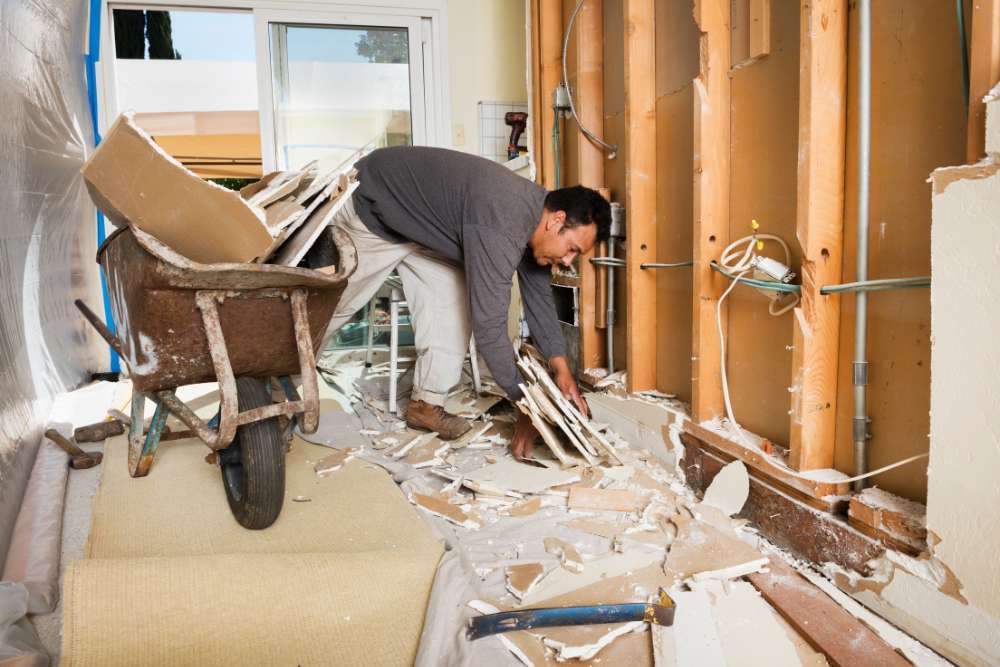
Removing old flooring and wall materials can be messy but manageable with a strategic approach. Identify the type of flooring—tile, laminate, hardwood—and the appropriate removal method for each. Tiles often need chipping tools, while laminate and wood planks may come off with a pry bar. Walls, particularly drywall, should be cut and removed in sections to control dust and debris. Protecting underlying subfloors and surrounding areas reduces additional repair work later. Using dust barriers or plastic sheeting helps contain debris, making cleanup faster and minimizing health hazards.
Being systematic when removing these materials increases safety and efficiency. Smaller debris pieces should be collected immediately to prevent slipping or injury. Planning for waste disposal, including separating materials for recycling or donation, supports a cleaner worksite. A careful approach also allows for inspection of structural elements behind walls or under floors, identifying potential issues before renovation begins. Proper technique in flooring and wall removal is critical to a smooth transition into the kitchen remodel.
Managing Dust and Debris Effectively
Dust and debris can compromise safety and efficiency during kitchen demolition. Establishing containment measures such as plastic sheeting, sealed off vents, and dust extraction systems helps limit airborne particles. Wearing respirators and protective clothing ensures that workers avoid respiratory and skin irritation. Keeping a routine of immediate debris collection prevents tripping hazards and maintains a safer workspace. Sweeping or vacuuming frequently during demolition avoids excessive accumulation of dust and improves visibility.
Efficient debris management reduces downtime and prevents injuries. Segregating materials into recyclable and non-recyclable categories simplifies disposal later and minimizes environmental impact. Temporary staging areas for debris make hauling smoother and faster. Collaborating with a junk removal service ensures that large debris is removed promptly, keeping the site clean. Thoughtful dust and debris control enhances both worker safety and overall demolition efficiency, leading to a more pleasant and productive project.
Ensuring Electrical and Plumbing Safety
Kitchen demolition can expose electrical wiring and plumbing lines, posing serious hazards if not addressed properly. Shutting off water and power at the source before any removal begins prevents accidental electrocution or flooding. Carefully marking outlets, switches, and pipes helps workers navigate the site safely. When cutting or dismantling walls, avoiding accidental contact with live wires or water lines is essential. Using non-conductive tools and maintaining a clear understanding of utility layouts reduces the risk of damage or injury.
Regular inspections during demolition ensure that hidden hazards are managed. Professionals often check connections and surrounding materials before proceeding with heavy demolition work. Planning for safe removal of appliances and fixtures that are connected to utilities prevents costly accidents. Maintaining vigilance regarding electrical and plumbing systems safeguards both the crew and property, making demolition a controlled and risk-managed process rather than a chaotic one.
Coordinating with a Junk Removal Service
Partnering with a professional junk removal service streamlines the kitchen demolition process. Experts provide manpower, equipment, and experience to efficiently haul away cabinets, countertops, appliances, and other debris. This reduces stress on homeowners and allows for faster project completion. Pre-arranging pickup schedules ensures that the worksite remains clear, avoiding bottlenecks that slow down demolition. Professional teams also follow proper disposal protocols, including recycling and donating items whenever possible, minimizing environmental impact.
Having a junk removal partner allows homeowners to focus on the renovation itself rather than worrying about waste management. It reduces physical strain and eliminates the need for multiple trips to disposal sites. Their knowledge of handling bulky or hazardous items ensures compliance with safety regulations. Working alongside a reliable service maintains momentum, keeps the site organized, and ultimately saves time, effort, and money during the demolition phase.
Tips for DIY Kitchen Demolition
Tackling a kitchen demolition on your own requires careful preparation and discipline. Start by wearing protective clothing, gloves, and eye protection. Follow a structured plan to remove cabinets, appliances, and flooring in a logical sequence. Avoid rushing, as hasty movements increase the risk of injury or accidental damage to surrounding areas. Using appropriate tools and techniques helps maintain safety and reduces frustration. Documenting the process with photos or notes can assist in reinstallation or renovation decisions.
DIY demolition also demands proper disposal planning. Create designated areas for debris collection and separate recyclable items from general waste. Working in stages allows for better control and reduces the overwhelming nature of the task. Engaging a professional junk removal service, even just for debris pickup, can complement your efforts and ensure the space remains safe and manageable. With careful attention to detail, homeowners can successfully perform a DIY kitchen demolition while keeping risks minimal.
Avoiding Common Demolition Mistakes
Common mistakes during kitchen demolition include rushing through tasks, ignoring safety precautions, and failing to plan debris removal. Overlooking the disconnection of utilities or neglecting protective gear can lead to serious accidents. Improper handling of heavy appliances or cabinets increases the risk of injury and property damage. Forgetting to protect floors and walls can result in additional repair costs. Awareness of these pitfalls allows homeowners to anticipate challenges and implement safer, more efficient strategies.
Mitigating errors involves methodical planning and preparation. Keeping tools organized, labeling parts for reuse, and coordinating with a junk removal service can prevent setbacks. Taking time to review the site, check for hidden hazards, and confirm proper utility shutdown ensures a smoother demolition process. Learning from these common mistakes enhances safety, preserves materials, and accelerates the overall timeline of the kitchen remodel, creating a more satisfying and stress-free experience.
Conclusion
A kitchen demolition is a complex task that balances safety, efficiency, and proper waste management. By carefully planning each step, using the right tools, and implementing effective dust and debris control measures, homeowners can reduce risk and streamline the process. Removing cabinets, countertops, flooring, and appliances methodically preserves materials for reuse and ensures the worksite remains organized. Prioritizing electrical and plumbing safety further protects both workers and property. Partnering with a professional junk removal service enhances efficiency and reduces stress, making the demolition process more manageable. Coordination and preparation transform a potentially chaotic undertaking into a controlled and productive project.
For reliable debris disposal and comprehensive support during your kitchen renovation, North Bay Junk Removal in Santa Rosa, CA provides expert Junk Removal services. Their team ensures that all debris is removed safely and responsibly, allowing homeowners to focus on remodeling without worrying about cleanup. You can reach them directly at 707-478-6817 to schedule a service that keeps your project on track and your space free of clutter. With their assistance, kitchen demolition becomes safer, faster, and far less stressful, making your renovation experience smoother and more enjoyable.
Leave a Reply