northbay

Category: Demolition Cleanup

  • Tips for Handling Demolition Cleanup in Older Homes

    Tips for Handling Demolition Cleanup in Older Homes

    Older homes hold character and charm, but behind their walls often lies a maze of unexpected challenges. When renovation plans include demolition, cleanup becomes more than a routine step—it transforms into a critical process requiring patience, planning, and attention to detail. Dust, debris, hazardous materials, and even hidden surprises are common during demolition in aging houses. Managing the aftermath properly not only keeps the project on schedule but also protects the safety of everyone involved.

    Handling demolition cleanup in older homes requires more than a broom and trash bags. It demands foresight, protective gear, and often the assistance of professionals who know how to handle waste responsibly. By approaching this stage with strategy and care, homeowners can prevent common pitfalls that delay progress. Cleanup doesn’t just clear space—it ensures the foundation for new improvements is safe, organized, and ready to support the next stage of transformation.

    Assessing potential hazards before demolition cleanup

    One of the most important first steps in demolition cleanup for older homes is identifying possible hazards. Materials such as asbestos, lead paint, and mold are frequently discovered during the demolition of structures built decades ago. These substances can pose serious health risks if not handled properly. A thorough inspection by trained professionals ensures dangerous materials are spotted before cleanup begins.

    Once hazards are identified, you can create a strategy that prioritizes safe removal and disposal. Handling contaminated debris without preparation can lead to costly mistakes and potential health concerns. By starting with an assessment, you set the stage for a safer and smoother cleanup process. Taking the time to recognize hazards not only reduces risks but also ensures that every step of the demolition and cleanup is carried out responsibly. Careful planning before the first piece of debris is moved makes a significant difference.

    Using protective equipment during cleanup

    Demolition cleanup in older homes is never complete without the right protective gear. Dust, sharp debris, and lingering contaminants are all risks to workers and homeowners. Gloves, goggles, dust masks, and steel-toed boots form the basic line of defense against injuries. In cases where hazardous substances may be present, respirators and disposable suits provide extra protection.

    Using the right equipment ensures that the cleanup process doesn’t create lasting health issues. Even simple tasks like sweeping can stir up dust that lingers in the air long after the project is finished. Protective gear allows you to work confidently while minimizing risks. It’s a small investment that prevents larger problems down the road. Cleanup in older homes isn’t just about removing debris; it’s about doing it in a way that safeguards everyone involved, turning a messy job into a controlled and efficient process.

    Containing dust and debris during demolition

    Older homes often contain layers of materials that produce significant amounts of dust when torn down. Without proper containment, fine particles can spread into every corner of the house. Sealing off work areas with plastic sheeting and using negative air machines helps keep dust localized. Covering vents ensures that heating and cooling systems don’t carry debris into other rooms.

    Containing dust doesn’t just make cleanup easier—it also protects your home and health. Simple steps like wetting surfaces lightly before breaking them down can prevent large plumes of dust. Creating barriers and cleaning as you go ensures the mess doesn’t expand. Containment keeps the demolition zone under control, allowing the rest of the house to remain functional during renovations. By prioritizing dust management, you reduce cleanup time and maintain a safer, more livable environment throughout the renovation process.
    Sorting materials for disposal and recycling

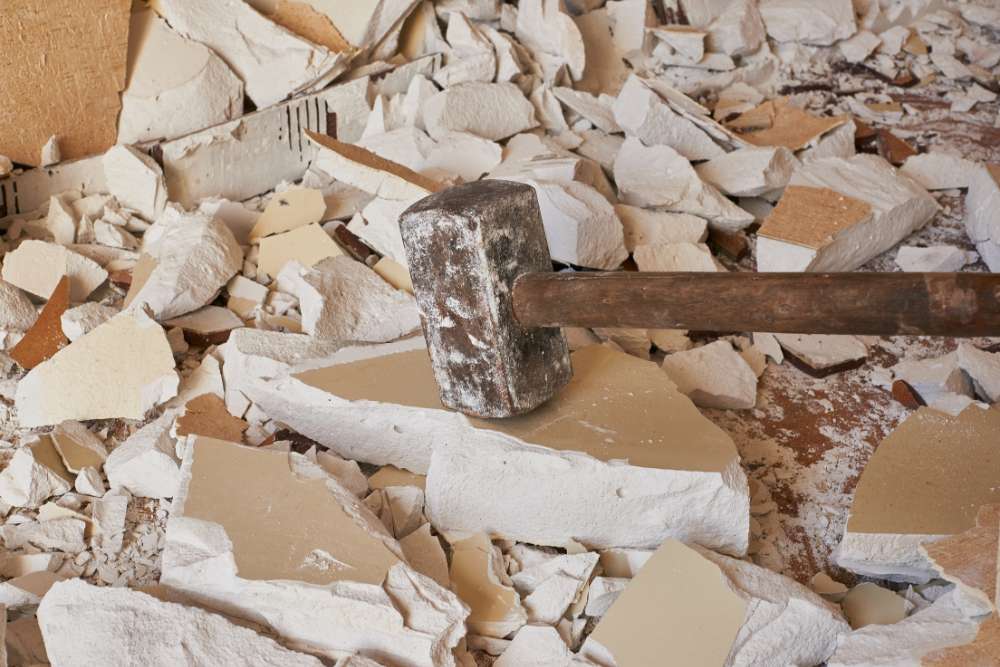
    Not all demolition debris belongs in the same pile. Older homes can produce a mix of materials, including wood, drywall, bricks, and metal. Sorting these items as you go makes the final disposal stage more manageable. Metals and clean wood can often be recycled, while hazardous materials require separate handling.

    By organizing debris into categories, you save time during transport and reduce disposal costs. Recycling also lessens the environmental impact of your renovation by keeping reusable materials out of landfills. Sorting might feel like an extra step, but it ultimately streamlines the process. With designated piles for each type of debris, cleanup becomes structured rather than overwhelming. Thoughtful sorting ensures your demolition project contributes to sustainability while staying efficient, making cleanup less of a burden and more of a responsible approach to renovation waste.

    Planning efficient debris removal

    Demolition cleanup becomes chaotic without a clear removal plan. Large piles of debris not only clutter the space but also slow down the progress of the renovation. Renting a dumpster or scheduling a junk removal service in advance helps keep the project moving forward. Planning where debris will be staged before disposal also prevents repeated disruptions.

    Efficiency is about more than speed—it’s about maintaining order. By coordinating debris removal as part of the overall project timeline, you avoid unnecessary delays. Having a removal strategy ensures each load of waste is taken out promptly, leaving work areas clear for construction. Whether you’re working room by room or tackling an entire house, organized debris removal creates a smoother process and a safer environment for everyone involved.

    Recognizing the value of professional help

    While DIY demolition cleanup may sound appealing, the reality is that older homes often contain hidden complexities. Heavy materials, potential hazards, and sheer volume can quickly overwhelm homeowners. Professional junk removal services bring expertise and efficiency, ensuring that cleanup is handled safely and correctly.

    Hiring professionals also eliminates the burden of navigating local disposal regulations on your own. They know how to separate recyclable materials, handle hazardous substances, and transport debris efficiently. Professionals streamline the process, saving time and energy so you can focus on the exciting aspects of your renovation. Recognizing when to call for help is not a weakness—it’s a smart choice that prevents costly mistakes and keeps the project on schedule. Professional cleanup transforms demolition from an exhausting task into a manageable step toward your home’s transformation.

    Protecting your home’s structure during cleanup

    Demolition doesn’t always mean tearing down walls recklessly. In older homes, it’s especially important to protect structural elements while cleaning up debris. Accidentally damaging beams, supports, or plumbing can add unexpected costs to your renovation. Using caution when removing materials ensures that the home’s foundation remains intact.

    During cleanup, avoid dragging heavy debris across floors or knocking against walls unnecessarily. Covering surfaces with protective materials helps prevent scratches and dents. By treating your home carefully during cleanup, you preserve its integrity for future improvements. Protecting the structure isn’t just about saving money—it’s about respecting the unique character of an older home while preparing it for upgrades. Careful cleanup ensures you’re not undoing the very charm that made the house worth renovating in the first place.

    Scheduling cleanup in stages

    Tackling an entire demolition cleanup at once can feel overwhelming. Breaking it into stages keeps the process manageable and organized. Start with one room or area at a time, completing both demolition and cleanup before moving forward. This step-by-step approach prevents debris from piling up across the entire house.

    Staged cleanup also allows you to adjust strategies as you go. If one method of dust control or debris sorting isn’t working, you can refine the process for the next stage. By dividing the project into smaller sections, you maintain momentum without burnout. Scheduling cleanup in stages provides a sense of progress, making the overall task feel less daunting. This methodical approach ensures that demolition doesn’t spiral into chaos but instead moves forward with structure and confidence.

    Understanding local disposal regulations

    Older homes may produce materials that can’t be disposed of in standard trash collection. Regulations often govern the disposal of items like asbestos, lead paint, and large construction debris. Understanding these rules ahead of time prevents fines and ensures your project stays on track.

    Researching local guidelines or working with a professional service that already knows the regulations makes cleanup far less stressful. Some areas even offer recycling programs for construction waste, which can reduce disposal costs. Knowing where and how to dispose of materials responsibly ensures compliance and peace of mind. Local regulations aren’t just bureaucratic red tape—they’re designed to keep communities safe and environmentally conscious. Taking them seriously helps ensure your demolition cleanup aligns with responsible practices and avoids unnecessary setbacks.

    Maintaining safety throughout the project

    Safety should remain the priority from the first hammer swing to the final bag of debris. Cleanup in older homes presents ongoing risks, from exposed nails to heavy lifting. Keeping walkways clear, using proper lifting techniques, and maintaining protective equipment are essential for minimizing accidents.

    Checking the worksite regularly for hazards also keeps the environment safe for both workers and residents. Cleanup should never feel rushed at the expense of safety. Prioritizing safety creates a work environment where progress continues steadily without interruptions from injuries or accidents. A safe cleanup process not only protects individuals but also ensures the renovation timeline stays intact. By committing to safety at every stage, you turn demolition cleanup into a structured, controlled process rather than a hazardous afterthought.

    Conclusion

    Demolition cleanup in older homes is a complex but essential step in any renovation. From assessing hazards and wearing protective gear to recycling materials and following disposal regulations, every detail plays a role in ensuring the process is safe, efficient, and responsible. Older houses carry history, but that history sometimes comes with extra challenges. By handling cleanup with care and planning, homeowners can preserve what’s valuable while removing what’s no longer needed.

    North Bay Junk Removal, located in Santa Rosa, CA, provides expert junk removal services tailored to these unique challenges. Their team understands the complexities of older homes and offers safe, efficient cleanup solutions that respect both structure and environment. With a focus on eco-friendly practices, they ensure that debris is disposed of responsibly and on schedule. For dependable assistance, call 707-478-6817 today. Choosing North Bay Junk Removal means choosing reliable, professional support for your next renovation project.

  • Why Professional Demolition Cleanup Saves You Money

    Why Professional Demolition Cleanup Saves You Money

    Demolition is often the most exciting stage of a renovation or construction project, but what follows is usually less glamorous—the cleanup. Many homeowners and contractors underestimate how much time, effort, and money gets lost when debris piles up without an efficient plan. Professional demolition cleanup may seem like an added expense at first, but in reality, it saves significant costs by streamlining disposal, minimizing risks, and preventing costly mistakes. Older homes, in particular, often conceal hazards that can escalate expenses when handled improperly.

    By relying on experienced professionals, you’re not just removing rubble—you’re investing in a process that protects your budget long-term. Cleanup is more than tossing debris into a bin; it’s about proper sorting, safe handling, and efficient removal that prevents unnecessary delays. Choosing professional demolition cleanup ensures your project progresses smoothly, saving both time and money while delivering peace of mind in every step of the process.

    Reducing hidden health and safety expenses

    Unseen health and safety risks are some of the most overlooked costs in demolition cleanup. Older buildings may contain hazardous materials like asbestos, mold, or lead-based paint, which can cause long-term health issues if mishandled. Attempting a DIY approach without proper training and protective equipment may result in exposure that leads to costly medical bills and potential liability.

    Professional cleanup services are equipped to identify and safely remove these risks. By managing hazards correctly, they prevent expensive emergencies, fines, or lawsuits. While the upfront cost of hiring professionals might appear higher, it eliminates the hidden expenses that often emerge when safety is compromised. In the long run, prioritizing safety through professional help saves both money and peace of mind, ensuring the project stays compliant and everyone involved remains protected.

    Saving time that translates into financial value

    Time is money, and nowhere is that clearer than during a demolition project. Cleanup delays often stall the entire renovation, creating a ripple effect that pushes back contractors, inspections, and construction crews. For every extra day wasted on disorganized debris removal, you’re paying more in labor, storage, or rental costs.

    Professional demolition cleanup teams streamline the process by working quickly and efficiently, freeing up space so construction can continue without unnecessary pauses. Their experience allows them to anticipate obstacles, organize debris for faster disposal, and keep the project on schedule. This time-saving benefit directly translates into financial savings because it reduces prolonged labor costs and avoids costly project delays. 

    Avoiding costly disposal mistakes

    Improper disposal of demolition debris can lead to unexpected financial setbacks. Municipalities often impose strict regulations on how materials like drywall, concrete, or hazardous waste should be discarded. Failing to comply may result in hefty fines or repeated trips to disposal sites, wasting both fuel and time.

    Professional cleanup services understand local regulations and follow disposal rules meticulously. They know which materials can be recycled, which require special handling, and how to transport debris efficiently. This expertise eliminates the risk of penalties and ensures your waste is managed in compliance with the law. By entrusting disposal to experts, you avoid the financial pitfalls of mistakes and free yourself from the stress of figuring out confusing rules.

    Preserving structural elements that save repair costs

    During demolition, it’s easy for inexperienced hands to accidentally damage structural components such as beams, flooring, or plumbing. These mistakes can lead to expensive repairs that far exceed the original cleanup cost. Preserving the integrity of the home or building during debris removal is not just about caution—it’s about experience and skill.

    Professional cleanup crews know how to remove debris without causing harm to vital structures. They handle materials strategically, ensuring that what needs to stay intact remains protected. This careful approach saves money by preventing unplanned repairs and keeping the renovation on track. When you protect existing features of the home, you’re preserving the value of your property while avoiding unnecessary setbacks. 

    Reducing equipment and rental expenses

    Demolition cleanup often requires specialized equipment to handle heavy debris safely and efficiently. From dumpsters and hauling trucks to protective gear and industrial tools, these resources can become expensive to rent or purchase for a one-time project. Many homeowners underestimate the full cost until they’re already deep into the process.

    Professional services come prepared with the right equipment, which eliminates the need for you to rent or buy costly gear. Their access to industrial tools ensures debris is managed quickly and effectively without unnecessary strain or risk. By outsourcing cleanup, you bypass the hidden costs of equipment rentals and repairs, as well as the time it takes to learn how to use them properly. This access to the right tools at no extra cost is another way professional cleanup saves money, ensuring efficiency without inflating your project budget.

    Enhancing efficiency through organized debris removal

    Piles of debris scattered across a worksite not only slow progress but also increase labor costs. Without a clear system for removal, workers waste time sorting, hauling, and re-handling the same materials. This disorganization directly translates into financial inefficiency.

    Professional demolition cleanup services excel in maintaining order. They create systems that separate recyclable materials, hazardous waste, and standard debris, moving each into its proper channel swiftly. This organized approach minimizes wasted effort and reduces the need for repeat handling, saving both time and labor expenses. Efficiency isn’t just about speed—it’s about working smart and ensuring that every hour contributes to progress. By keeping cleanup structured and methodical, professionals reduce wasted costs and allow the renovation to move forward seamlessly, protecting your budget from unnecessary overspending.

    Minimizing liability and legal expenses

    Demolition projects, especially in older homes, come with risks that extend beyond physical cleanup. If debris is disposed of improperly, or if someone is injured during the process, the homeowner or contractor may face legal consequences. Liability claims or fines can quickly escalate costs, turning a budget-friendly project into a financial headache.

    Hiring professional cleanup services reduces these risks significantly. They carry insurance, follow safety protocols, and ensure compliance with regulations, shielding you from potential liability. By entrusting experts, you’re not only protecting yourself legally but also financially. Avoiding lawsuits or government fines can save thousands of dollars that would otherwise be lost. What initially looks like an extra service fee ultimately becomes a form of financial protection, ensuring peace of mind and safeguarding your budget against unpredictable legal expenses.

    Unlocking value through recycling and salvage opportunities

    Not all debris from demolition is destined for the landfill. Many materials, such as metal, wood, and concrete, can be recycled or even resold if salvaged correctly. However, spotting these opportunities requires knowledge and a structured approach to sorting. Most homeowners miss this chance, throwing away materials that could offset project costs.

    Professional demolition cleanup teams are trained to identify recyclable and salvageable materials. They ensure these items are separated from general debris, reducing disposal costs and sometimes even generating small financial returns. By maximizing recycling opportunities, professionals help you save money while contributing to environmentally responsible practices. This added value turns what would have been waste into a resource, ensuring that your demolition project not only clears space but also stretches your budget further. Recycling is more than an eco-friendly choice—it’s a financial strategy when guided by experts.

    Preventing project delays that inflate costs

    Delays are among the most expensive problems in construction and renovation. If demolition debris isn’t cleared in time, contractors are forced to wait, and schedules are thrown off balance. These interruptions can lead to extended labor costs, additional rental fees, and even penalties from missed deadlines.

    Professional cleanup services keep the project on track by ensuring that debris is removed promptly and efficiently. Their ability to coordinate with other contractors means the worksite remains ready for the next phase without unnecessary downtime. Preventing delays not only keeps morale high but also protects your budget from spiraling out of control. When every stage flows smoothly, you save money across the board. Professional demolition cleanup is a critical investment in keeping schedules tight, reducing wasted resources, and ensuring that the renovation progresses as planned.

    Ensuring long term savings beyond the project

    The financial benefits of professional demolition cleanup don’t end when the debris is hauled away. Proper handling, sorting, and disposal reduce wear on the property, preserve structural integrity, and keep the environment safe from contamination. These advantages translate into long-term savings by preventing future issues such as water damage, mold growth, or regulatory penalties.

    Professional services provide peace of mind that your cleanup has been done right the first time. You won’t face the unexpected costs that often arise from rushed or careless DIY efforts. By investing in professional help, you’re saving money not just in the immediate project but for years to come. Demolition cleanup is more than a single event—it’s a process that influences the long-term health of your property and the stability of your budget. This foresight ensures savings well beyond the current renovation.

    Conclusion

    Professional demolition cleanup is more than just an added service—it’s a safeguard for your wallet. By addressing hazards, preventing structural damage, avoiding fines, and maximizing recycling opportunities, these services consistently reduce both immediate and long-term costs. Time savings alone translate into financial value, ensuring projects stay on track without costly delays. What may seem like an optional investment quickly reveals itself as a budget-friendly choice that protects your property, your health, and your bottom line.

    North Bay Junk Removal, located in Santa Rosa, CA, offers reliable junk removal services designed to meet these exact needs. Their expertise ensures that cleanup is done safely, efficiently, and in full compliance with local regulations. By focusing on organized debris management and eco-friendly practices, they help clients save money while maintaining project momentum. For professional support that protects both your home and budget, call 707-478-6817 today. North Bay Junk Removal is your partner in stress-free demolition cleanup.

  • Demolition Cleanup Steps to Take After the Job is Done

    Demolition Cleanup Steps to Take After the Job is Done

    The work of tearing down walls, breaking apart old fixtures, and hauling away heavy debris is only the beginning of a renovation project. Once demolition is complete, the cleanup phase plays a vital role in shaping how smoothly the next steps unfold. Too often overlooked, this stage determines whether a site is safe, organized, and ready for new construction. Cleanup involves more than sweeping floors; it requires thoughtful planning, proper waste disposal, and a careful eye to ensure nothing hazardous is left behind. By handling it effectively, homeowners and contractors set the stage for successful rebuilding.

    Clearing out large debris efficiently

    The first step after demolition is removing large debris that dominates the site. Pieces of wood, chunks of drywall, old fixtures, and shattered concrete often pile up quickly, making the space difficult to navigate. Tackling these oversized materials first clears pathways and restores a sense of order, preventing injuries and keeping the project on track. Using heavy-duty bins or designated piles for sorting makes this process more manageable.

    Efficiency in debris removal depends on organization. Separating materials that can be recycled from those that must be discarded saves time later when coordinating disposal. Professional crews often use trailers or roll-off containers to haul away large loads at once, minimizing downtime. For homeowners tackling cleanup themselves, prioritizing these big items before smaller details helps streamline progress. With the bulky pieces gone, the renovation area begins to resemble a workable site again rather than a demolition zone.

    Sweeping and vacuuming for dust control

    Demolition creates clouds of dust that linger long after walls or floors are removed. Fine particles settle on every surface and often spread beyond the work zone. Sweeping with stiff brooms clears heavier accumulations, but dust vacuums with HEPA filters are necessary for finer particles. This step not only improves air quality but also prevents dust from contaminating new materials once rebuilding begins.

    Dust control also protects the health of anyone on-site. Extended exposure to particles from drywall, insulation, or old paint can irritate lungs and cause lasting respiratory problems. Establishing a routine of frequent sweeping and vacuuming during cleanup reduces these risks significantly. It also makes the environment safer for contractors installing wiring, plumbing, or new finishes. Dust control may seem like a small detail, but it plays an essential role in transforming a hazardous site into a clean canvas for the next phase of work.

    Sorting materials for recycling and disposal

    Not all demolition waste belongs in a landfill. Many materials can be recycled, which reduces environmental impact and sometimes lowers disposal costs. Metals, clean wood, and certain types of drywall or concrete often qualify for recycling at specialized facilities. Sorting these materials during cleanup saves time and helps ensure that recyclable items don’t end up in general trash piles.

    This step requires some planning and knowledge of local recycling guidelines. Some areas enforce strict rules about construction debris, while others offer dedicated drop-off points. Proper sorting also helps contractors avoid fines for incorrect disposal. For homeowners managing the process, labeling bins and creating designated piles can make recycling much easier. By handling materials responsibly, demolition cleanup becomes more than just clearing space—it becomes a chance to make the project more environmentally sustainable.

    Demolition Cleanup

    Inspecting for hidden hazards after demolition

    Once debris is cleared, a closer inspection of the site is necessary to identify potential hazards. Nails protruding from wood, shards of glass, or fragments of tile can easily be missed during the rush of cleanup. Walking the site carefully and collecting these hazards reduces the chance of injuries for anyone working in the area.

    In older homes, hidden risks like asbestos or lead paint may also come to light. If uncovered during demolition, these require professional handling to ensure safety. Even smaller issues, like uneven flooring or exposed wiring, need to be addressed before reconstruction begins. A thorough inspection guarantees that no lingering danger remains. This stage might feel meticulous, but it is essential in transitioning from demolition chaos to a controlled environment prepared for building.

    Managing leftover fixtures and appliances

    Demolition often leaves behind more than just broken drywall and wood. Large items like sinks, cabinets, or appliances sometimes survive intact and must be removed separately. These pieces take up valuable space and can stall the renovation if not dealt with promptly. Deciding whether they will be reused, donated, or disposed of helps keep the cleanup process moving forward.

    Some items may have resale or recycling value, particularly appliances or metal fixtures. Donating them to local organizations can prevent unnecessary waste while benefiting others. For items too worn to repurpose, arranging proper disposal ensures the site is cleared effectively. Managing leftover fixtures requires both physical labor and decision-making, but handling it early prevents clutter from complicating the rebuild. By treating these items thoughtfully, cleanup becomes more organized and environmentally considerate.

    Ensuring safety before construction resumes

    Safety during cleanup is just as important as it is during demolition. Once large debris and dust are removed, it’s critical to verify that the environment is secure for the next crew to enter. That means ensuring floors are clear of trip hazards, stairways are unobstructed, and all exposed nails or screws are removed or hammered flat. A safe workspace reduces the risk of accidents during the building phase.

    This step also involves checking that utilities like gas, water, and electricity are properly managed. Reconnecting these systems without confirming safety could lead to dangerous situations. Taking the time to review site conditions allows contractors to focus on construction instead of worrying about lingering hazards. Safety preparation after cleanup ensures that the renovation continues smoothly and with minimal disruption, protecting both workers and the property itself.

    Organizing the space for new work

    A clean site is only half the battle—organization matters just as much. Once debris is removed and safety hazards are addressed, preparing the space for the next phase of construction streamlines the process. That might involve arranging tools, stacking new materials in designated areas, or mapping out clear walkways for easy access.

    Organized spaces save time and improve efficiency. Contractors can move freely without tripping over clutter, and materials are easier to locate when they’re needed. This organization also creates a professional environment, setting the tone for the renovation work that follows. By transitioning from demolition debris to a well-ordered site, homeowners and crews ensure the project stays on schedule and avoids unnecessary setbacks caused by disorganization.

    Considering professional cleanup assistance

    While some homeowners attempt to manage demolition cleanup themselves, the workload is often heavier than expected. Professional cleanup services bring experience, specialized equipment, and disposal resources that make the process much faster and more thorough. Hiring experts means debris is removed efficiently, dust is controlled, and materials are disposed of in compliance with local regulations.

    Although professional help involves a cost, it often saves money in the long run by reducing delays and preventing mistakes. Crews can handle large loads of debris in a single trip, something that might take homeowners multiple weekends to achieve. For those with tight renovation timelines, professional assistance is often the smartest choice. It ensures that once demolition is done, the cleanup is handled swiftly, allowing construction to resume without unnecessary delays.

    Planning disposal logistics in advance

    Effective demolition cleanup doesn’t happen by accident—it requires planning before the first wall comes down. Coordinating dumpsters, trucks, or waste bins ahead of time ensures debris has a place to go immediately. Without this foresight, materials can pile up quickly, creating safety hazards and slowing progress.

    Advanced planning also includes checking local regulations for debris disposal. Some areas restrict how certain materials can be handled, and failing to comply can result in fines. By arranging logistics early, homeowners and contractors can streamline cleanup, saving both time and stress. This preparation turns a potentially chaotic stage into a smooth, predictable process. In the end, having a disposal plan ready makes cleanup far less daunting and sets the stage for a seamless transition to reconstruction.

    Restoring the site for construction readiness

    The ultimate goal of demolition cleanup is preparing the space for what comes next. By the end of this stage, the site should be free of debris, dust, and hazards, resembling a blank canvas ready for building. Achieving this requires attention to detail, from sweeping corners to removing stray nails. A site that is fully restored is easier for contractors to work in and inspires confidence in the renovation’s progress.

    Restoring readiness also includes final checks of utilities, ensuring the framework of the structure is intact, and verifying that access points are clear. This creates a smooth handoff between the demolition and construction phases, reducing downtime. When done thoroughly, cleanup transforms a chaotic scene into a fresh start, marking the true beginning of the renovation journey.

    Conclusion

    Demolition cleanup is more than an afterthought—it is a critical stage that determines how efficiently a renovation can move forward. From hauling out large debris to controlling dust, recycling materials, and restoring safety, each step contributes to preparing a site that is both clean and functional. Without proper cleanup, construction teams face delays, hazards, and disorganization that can derail timelines and budgets. Thoughtful planning and execution of this phase set the tone for the success of the entire project.

    For homeowners in Santa Rosa, CA, North Bay Junk Removal offers expert demolition cleanup services tailored to meet these needs. Their team ensures waste is removed responsibly, sites are restored to construction readiness, and junk removal is handled with care. With their support, homeowners can focus on the excitement of renovation instead of the stress of debris. Call 707-478-6817 to schedule services and take the first step toward a seamless project.

  • How to Organize Your Demolition Cleanup for a Smooth Process

    How to Organize Your Demolition Cleanup for a Smooth Process

    Demolition often feels like the exciting spark that kicks off a renovation project, yet it also leaves behind a trail of chaos that can overshadow the excitement. Piles of wood, drywall, metal scraps, and endless dust quickly add up, turning what should be an inspiring moment into a logistical headache. When debris begins to stack without direction, progress slows, energy drains, and the enthusiasm for transformation can fade. This is why cleanup deserves just as much attention as the actual demolition itself.

    With a thoughtful approach, cleanup becomes an essential bridge between tearing down and building anew. Organized preparation allows the process to flow smoothly, keeping hazards under control and reducing costs in the long run. By planning how materials will be sorted, handled, and removed, you create order where there might otherwise be chaos. Ultimately, a well-structured cleanup sets the stage for a renovation that begins on the right foot.

    Planning your demolition cleanup strategy

    The smoothest cleanups don’t start when the dust settles; they begin before the first hammer swings. By planning ahead, you can anticipate the sheer volume of debris and decide how it will be managed from day one. This means evaluating the types of materials you’ll encounter, choosing whether to rent a dumpster, and even setting aside zones where debris will be sorted. These small but vital steps prevent confusion when demolition is underway and debris piles up faster than expected.

    Without a strategy, chaos is inevitable—waste becomes unmanageable, hazards multiply, and delays creep into the project timeline. Creating a detailed plan also helps you budget for disposal costs and reduces unnecessary trips to local facilities. Treating cleanup as a structured part of your demolition ensures the site stays clear and safe. With preparation, the transition from demolition to construction feels seamless rather than stressful.

    Sorting debris into clear categories

    One of the most effective ways to maintain order during demolition cleanup is by sorting debris into clear categories. Instead of mixing everything into a single heap, designate specific areas or containers for wood, metal, drywall, and recyclable items. Not only does this make cleanup more efficient, but it also allows you to identify valuable materials that can be salvaged or reused. For instance, copper piping or intact lumber can often be repurposed rather than sent straight to disposal.

    This extra layer of organization also saves you time and money later. Many junk removal services and recycling centers require pre-sorted materials, and failing to do so can lead to added fees or delays. While sorting requires more effort at the start, it prevents bigger headaches later in the project. By categorizing as you go, you turn what could be a messy pile into a structured process that benefits both efficiency and sustainability.

    Scheduling junk removal services at the right time

    Debris removal is most effective when timed properly, which means scheduling services strategically rather than waiting until the project ends. By arranging for pickups at different stages of the demolition, you prevent the site from becoming overwhelmed with piles of waste. A cluttered environment not only slows progress but also increases the risk of injury, making staggered removals a smart safety measure.

    Flexibility also plays an important role. As walls and structures come down, unexpected materials often appear, adding to the workload. When you’ve scheduled junk removal services in advance, you can handle these surprises without missing a beat. Having a removal plan keeps the demolition site organized and ensures progress never grinds to a halt. With timely service, cleanup becomes a natural rhythm within the renovation process instead of an obstacle in the way.

    Protecting surrounding areas during cleanup

    Demolition doesn’t confine its mess to a single area; dust, debris, and fragments can easily travel throughout the home or spill into the yard. Protecting surrounding areas with tarps, plastic sheets, or temporary barriers reduces this spread and saves you from additional cleanup headaches later. Containing the mess ensures that furniture, flooring, or landscaping outside the work zone remains intact and undamaged.

    Simple protective measures can save hours of unnecessary labor. For example, sealing doorways or using dust barriers limits how far particles travel, making post-demolition cleaning much easier. Containment also reduces the risk of accidentally damaging valuable property in spaces adjacent to the project. By treating surrounding areas with care, you demonstrate foresight and control, ensuring cleanup is not just about removing debris but about safeguarding the rest of your environment as well.

    Using proper tools and containers for cleanup

    Cleanup becomes significantly easier when you equip yourself with the right tools and containers. Wheelbarrows, heavy-duty bins, and sturdy trash bags allow you to move and collect waste efficiently without overexertion. For larger projects, roll-off dumpsters provide the space and capacity needed to keep waste manageable from start to finish. With proper equipment in place, the physical demands of cleanup become far less daunting.

    Safety tools are equally essential. Protective gloves shield hands from sharp edges, while goggles and dust masks protect against hazardous particles. These tools transform cleanup into a structured task instead of a risky, exhausting chore. Having the right gear not only streamlines the process but also protects everyone involved. When cleanup is supported with effective tools and reliable containers, the task feels manageable, organized, and far more productive.

    Coordinating with professionals for efficiency

    While many property owners attempt demolition cleanup themselves, there’s undeniable value in hiring professionals. Trained teams arrive with the tools, trucks, and knowledge to move heavy materials quickly and dispose of them responsibly. Their efficiency helps projects progress smoothly, eliminating the stress of managing every detail on your own. This assistance is particularly useful for larger demolitions, where debris accumulates faster than one person can handle.

    Professional junk removal also ensures compliance with local disposal laws. Certain items like treated lumber, old fixtures, or hazardous materials require special handling. Experts understand these regulations and know how to dispose of materials properly. By working with professionals, you not only save time but also gain peace of mind that cleanup is handled safely and legally. Their coordination turns a messy process into a streamlined, dependable service.

    Maintaining safety during demolition cleanup

    Cleanup carries risks that are just as significant as the demolition itself. Sharp nails, splintered wood, or broken glass can cause serious injuries if precautions aren’t taken. Maintaining safety means enforcing protective practices like wearing steel-toed boots, lifting with proper technique, and keeping work areas clear of obstacles. By treating safety as an ongoing focus, you reduce the chances of accidents disrupting your project.

    Accidents don’t just harm people; they halt progress and add costs to the renovation. A cleanup process that prioritizes safety keeps momentum steady and minimizes setbacks. Simple habits—like checking tools before use and using protective gear—create a secure environment where work can continue smoothly. In the end, safety transforms cleanup from a potential hazard into a controlled, efficient step of your renovation journey.

    Reducing environmental impact with responsible disposal

    Demolition often produces large amounts of waste, but not everything needs to go to the landfill. By recycling wood, metal, and other reusable materials, you can significantly cut down on the environmental impact of your project. Responsible disposal turns cleanup into an opportunity to give old materials a new purpose, whether through recycling facilities or donation centers.

    This approach also has practical advantages. Recycling often reduces disposal fees and frees up valuable space in dumpsters. Even small actions, like separating scrap metal, contribute to sustainability efforts while streamlining cleanup. Taking the time to think about the bigger picture ensures that your renovation doesn’t just improve your home but also respects the environment. Responsible disposal transforms waste into a resource, aligning cleanup with sustainable values.

    Preparing the site for renovation after cleanup

    The final step of demolition cleanup is preparing the site for the renovation that follows. Removing debris is just the beginning; sweeping up dust, filling holes, and checking for structural issues ensures the area is safe and ready for construction. A properly prepared site reduces the chance of complications later, such as uneven flooring or leftover debris interfering with new installations.

    This step also offers a moment to reimagine the space with fresh eyes. With the clutter gone, it’s easier to envision new layouts or designs without distraction. Cleanup prepares more than just the physical area—it creates mental clarity for the exciting stage ahead. By ensuring the site is truly ready, you set a strong foundation for progress and transformation.

    Adapting cleanup methods to project size

    Not all demolition projects generate the same level of waste, which is why adapting your cleanup methods is essential. A small bathroom renovation may only require a few heavy-duty bags and a truck, while tearing down an entire garage might call for multiple dumpsters and a professional crew. Matching your approach to the project’s scale saves both time and resources.

    Underestimating the size of your cleanup can leave you scrambling mid-project, while overestimating wastes money on unnecessary equipment. Tailoring your method keeps cleanup practical and balanced. By adapting your strategy, you avoid frustration and make sure the cleanup process is proportionate to the job. This flexibility ensures that no matter the project’s size, the cleanup remains efficient and well-suited to the task at hand.

    Conclusion

    Organizing demolition cleanup is the difference between chaos and control. When handled with foresight, every stage—from sorting debris to scheduling removal—supports a smoother, safer, and more efficient renovation. Planning early, maintaining safety, and considering environmental responsibility all contribute to a process that flows without unnecessary obstacles. Cleanup is not just a background task; it’s the framework that ensures progress continues uninterrupted.

    For homeowners in Santa Rosa, CA, professional support is always within reach. North Bay Junk Removal provides expert services that streamline demolition cleanup and junk removal. Their team handles heavy lifting, responsible disposal, and efficient debris management, allowing you to focus on the exciting part of your renovation. Call 707-478-6817 to schedule with North Bay Junk Removal today and ensure your project begins on a clean foundation.

  • What to Expect from Demolition Cleanup Experts

    What to Expect from Demolition Cleanup Experts

    When a demolition project takes place, it is only half the story. Behind every broken wall and cleared foundation lies a massive amount of debris that needs careful handling. This is where demolition cleanup experts step in, bringing structure and order to what would otherwise be overwhelming chaos. Their work goes beyond simply hauling junk; it is about precision, safety, and efficiency. Understanding what to expect from these professionals gives homeowners and contractors peace of mind. By relying on experts, the mess becomes manageable, allowing new projects to begin without unnecessary setbacks or hidden risks.

    The importance of professional cleanup services

    After demolition, piles of debris remain scattered across the site, creating challenges that go beyond appearance. These piles can hide sharp objects, heavy concrete chunks, or even hazardous materials that require safe handling. Professional cleanup services know how to manage these risks, ensuring the area is thoroughly cleared without leaving dangerous remnants behind. Their experience transforms an otherwise stressful process into a structured task with predictable outcomes.

    Beyond safety, professionals offer peace of mind by handling details homeowners may overlook. Disposal regulations, recycling practices, and transport logistics are all second nature to experienced crews. What might take a property owner days of sorting and hauling is managed with ease and efficiency by experts. By investing in professional services, you are not just paying for cleanup but for a seamless transition from demolition chaos to a site ready for its next purpose.

    The role of safety in demolition cleanup

    Demolition cleanup is not as simple as picking up rubble. Broken materials often have sharp edges, and heavy debris can cause injuries if mishandled. Safety is at the core of what cleanup experts provide. Their teams wear protective gear, use proper lifting techniques, and follow established protocols to reduce risks on the job. This ensures that both the crew and the property remain protected throughout the process.

    In addition to physical safety, there is also an environmental element. Professionals know how to identify hazardous materials such as asbestos or treated wood, ensuring they are separated and disposed of properly. This reduces the chance of environmental contamination while keeping the cleanup aligned with legal requirements. By prioritizing safety in every step, demolition cleanup experts bring a sense of security to a process that could otherwise be unpredictable and dangerous if handled alone.

    Efficient debris removal for faster progress

    Time matters when you are dealing with demolition. Every day the debris lingers is another day delayed in moving forward with construction or landscaping projects. Cleanup experts bring efficiency to the process, using their experience and equipment to clear large areas quickly. What could take weeks for a homeowner becomes a matter of hours or days for professionals. Their efficiency translates into real progress on your project timeline.

    Fast removal also means less disruption to your daily life. With heavy machinery and hauling trucks, crews can manage massive amounts of debris in a fraction of the time it would take to handle with basic tools. This efficiency keeps your property accessible, your neighbors happier, and your project moving forward without unnecessary pauses. Cleanup experts transform an overwhelming pile of debris into a streamlined process that paves the way for new beginnings.

    Proper disposal and recycling practices

    A major part of demolition cleanup is deciding where all the debris goes. Simply dumping everything into a landfill is no longer the responsible choice, nor is it always legal. Experts follow disposal guidelines to ensure materials are managed correctly. Wood, metal, and concrete often can be recycled, while hazardous items are carefully handled to prevent harm. This responsible approach sets professionals apart from casual cleanup attempts.

    Recycling not only helps the environment but can also reduce disposal costs. By separating materials and sending them to appropriate facilities, cleanup experts give debris a second life while lessening the burden on landfills. For property owners, this adds an extra layer of reassurance, knowing that the mess left behind is being handled sustainably. Expecting professional crews to incorporate recycling and responsible disposal ensures that your project contributes positively beyond the boundaries of your property.

    Tools and equipment that make the job easier

    One of the biggest advantages of hiring demolition cleanup experts is access to their tools and equipment. Heavy debris requires more than wheelbarrows and shovels. Cleanup crews bring specialized gear like skid-steer loaders, dump trucks, and cutting tools that simplify even the most challenging removals. This equipment allows them to manage debris that would be nearly impossible to handle manually.

    Not only does the right equipment speed up the process, but it also improves safety. For example, heavy concrete slabs can be lifted with machinery instead of risking injuries from improper lifting. With professional-grade tools, cleanup crews can accomplish tasks with precision and efficiency. Homeowners benefit from this expertise without having to invest in costly rentals or purchases. When experts arrive with the right equipment, it ensures the job is completed properly and with far less effort from the property owner.

    Reducing stress during major projects

    Demolition projects can already feel overwhelming without the added stress of cleanup. Once walls are down or old structures are torn apart, the debris can feel like an endless mountain of work. Cleanup experts alleviate this burden, taking on the most labor-intensive aspects so you can focus on the bigger picture of your project. Their presence reduces the emotional and physical strain of managing such a daunting task.

    Instead of worrying about hauling debris, meeting disposal requirements, or ensuring safety, homeowners can trust professionals to manage it all. This reduces not only stress but also the risk of costly mistakes. By handing the responsibility to experts, you allow yourself the freedom to concentrate on what comes next—designing, building, or enjoying the results of your project. The relief of knowing the cleanup is in capable hands is one of the most valuable benefits experts provide.

    Transparent pricing and clear expectations

    Another important aspect of hiring demolition cleanup experts is understanding costs upfront. Reputable services provide clear estimates based on the size of the project, the type of debris, and the work required. This transparency allows homeowners to plan budgets without fear of hidden fees or surprise charges. Clear pricing builds trust between the service provider and the customer.

    With transparent expectations, you also know exactly what will be included in the cleanup service. From hauling away debris to sorting recyclables, every detail is spelled out before work begins. This level of communication ensures there are no misunderstandings and that you receive the service you are paying for. Knowing what to expect financially and operationally removes uncertainty, making the cleanup process less stressful and more predictable from beginning to end.

    How professionals handle unexpected challenges

    No demolition project is completely predictable. Hidden obstacles like buried concrete, oversized debris, or hazardous materials can appear during cleanup. Experts are trained to handle these challenges without derailing the entire process. Their experience allows them to adapt quickly, bringing the right solutions and equipment to address unforeseen issues. This adaptability keeps the project on track.

    For property owners, this is one of the biggest advantages of working with experts. Instead of panicking when something unexpected arises, you can trust the crew to manage it efficiently. Their ability to troubleshoot problems ensures that no obstacle becomes insurmountable. Knowing that professionals are prepared for surprises provides reassurance and stability throughout the cleanup. What might feel like a major setback in a do-it-yourself attempt becomes just another task for trained demolition cleanup experts.

    Supporting your project from start to finish

    Demolition cleanup is not just about the end of the project. Experts often support the process from beginning to end, coordinating with demolition teams to ensure a smooth workflow. By staying involved throughout, they make sure debris is managed continuously rather than piling up into overwhelming heaps. This approach keeps the project moving efficiently at every stage.

    Their ongoing support also ensures that by the time demolition is complete, the cleanup is nearly finished as well. This means you can move seamlessly into the next phase of construction, renovation, or landscaping without unnecessary delays. Cleanup experts don’t just arrive at the end; they become part of the process, ensuring your project runs smoothly. Their support creates a bridge from the chaos of demolition to the excitement of building something new.

    The lasting benefits of professional cleanup

    Hiring demolition cleanup experts creates advantages that extend long after the debris is gone. A properly cleared site sets the stage for smoother construction, fewer safety risks, and an overall more efficient project timeline. The benefits continue in the form of improved property value, safer environments, and the peace of mind that comes from knowing the work was done correctly.

    For homeowners, these lasting benefits often outweigh the initial investment. The time saved, the stress avoided, and the professional touch all contribute to a more positive outcome. Instead of lingering concerns about debris disposal or safety hazards, you can focus on enjoying the results of your project. Professional cleanup transforms demolition from a stressful chore into a manageable process with lasting rewards that enhance both your property and your peace of mind.

    Conclusion

    Demolition cleanup is a vital step in any project, and relying on experts ensures it is completed safely, efficiently, and with lasting benefits. From handling hazardous debris to managing recycling and disposal, professionals bring knowledge and resources that make the process far easier than tackling it alone. Their ability to anticipate challenges, reduce stress, and deliver clear results gives property owners confidence at every stage.

    For residents in Santa Rosa, CA, North Bay Junk Removal offers trusted demolition cleanup services tailored to meet both small and large-scale needs. With a focus on safety, efficiency, and responsible disposal, their team ensures your property is cleared and ready for what comes next. To learn more or schedule professional junk removal, call 707-478-6817. North Bay Junk Removal is committed to transforming demolition debris into a clean slate, helping you move forward with confidence and peace of mind.

  • The Best Time to Plan for Demolition Cleanup Services

    The Best Time to Plan for Demolition Cleanup Services

    Demolition projects can be exciting because they pave the way for fresh beginnings, but the aftermath is never as simple as it appears. Once walls come down and debris piles up, it becomes clear that cleanup is just as important as the demolition itself. Planning for cleanup at the right time prevents chaos, reduces stress, and keeps projects on track. Whether you are tearing down a small structure or undertaking a larger commercial demolition, preparation for cleanup determines how smooth the overall process will be. By carefully timing when you book services, you gain efficiency, safety, and peace of mind.

    Understanding the role of cleanup in demolition projects

    Cleanup is often underestimated, yet it holds the key to completing any demolition safely and efficiently. After structures are dismantled, what remains is rarely manageable without professional intervention. Heavy debris, sharp materials, and dust all require specialized handling to prevent injury and environmental damage. Timing cleanup services to begin as soon as demolition ends ensures that your site transitions smoothly to its next stage.

    Another reason cleanup matters is compliance. Many local areas have strict disposal rules for materials such as concrete, metals, or hazardous waste. Ignoring proper disposal could delay your project and increase costs. Having a cleanup team already scheduled removes this risk, keeping everything aligned with regulations. Rather than viewing cleanup as an afterthought, it should be seen as an essential partner to demolition, making sure that the process does not stall at the finish line.

    Seasonal factors that influence cleanup scheduling

    The season in which demolition takes place can have a major effect on cleanup efficiency. For example, planning cleanup in the middle of rainy months can slow progress, as mud and water complicate debris removal. On the other hand, dry seasons often offer smoother conditions that allow teams to work faster and more safely. Considering the calendar before scheduling ensures fewer delays and a more predictable outcome.

    In regions with extreme heat or cold, worker safety must also be taken into account. Overly hot weather can be hazardous during physically demanding cleanup, while snow or ice adds risks of slips and equipment malfunctions. By coordinating with professionals, you can choose a time when seasonal conditions favor progress instead of hindering it. Paying attention to these environmental details helps projects move forward without unnecessary obstacles.

    The importance of aligning cleanup with project deadlines

    Every demolition project typically operates on a timeline, and cleanup plays a direct role in whether those deadlines are met. If debris is left sitting for too long, the next phase of construction or landscaping can be delayed. Booking cleanup services early ensures that the transition is seamless, keeping your project on track and avoiding unnecessary costs. Timing is as important as the work itself.

    Delays can also mean higher labor expenses, as teams may need to work overtime or return multiple times to finish tasks. Coordinating cleanup in advance prevents these inefficiencies. Professionals can arrive ready to clear the site promptly, allowing you to move ahead without hesitation. Aligning cleanup with your overall schedule ensures that each step of your project remains synchronized, from demolition through to completion.

    How to prepare for efficient cleanup services

    Preparation makes demolition cleanup significantly more efficient. Before professionals arrive, separating items that can be recycled or salvaged helps speed the process. Clearing access paths for trucks and equipment ensures teams can move debris without unnecessary obstacles. Even small steps taken before demolition begins can drastically improve how smoothly cleanup unfolds.

    Another aspect of preparation involves communication. Sharing project details with your cleanup team allows them to plan resources more effectively. When they know the scale of debris, potential hazards, and deadlines in advance, they can assign the right equipment and crew size. This level of coordination eliminates confusion and maximizes productivity. A little foresight before the demolition itself can save both time and money when cleanup starts.

    Why post demolition cleanup should not be delayed

    Delaying cleanup after demolition may seem harmless, but it often creates more problems than solutions. Piles of debris left unattended can become safety hazards, attracting pests, creating tripping risks, or even obstructing nearby areas. Dust and scattered materials also impact surrounding properties, leaving neighbors frustrated. Quick cleanup avoids these concerns by restoring order immediately.

    Beyond safety, delaying cleanup can impact morale. Seeing a project site cluttered with debris makes it feel unfinished and overwhelming. On the other hand, clearing away remains quickly creates a sense of progress and accomplishment. Cleanup done at the right time not only prepares the site for its next stage but also reinforces momentum, ensuring that the project maintains its forward pace without unnecessary lags.

    Balancing budget and timing for demolition cleanup

    Budget plays a significant role in planning, but timing directly impacts costs. Booking cleanup too late can result in added expenses if multiple trips or extended labor hours become necessary. By scheduling cleanup services early, you can secure availability and often lock in a more predictable price. Coordinating timing with budget expectations prevents surprises later on.

    It is also important to consider that delays may require renting equipment longer than planned or paying storage fees for materials. These additional costs add up quickly, making a poorly timed cleanup more expensive overall. When budget and timing are balanced, cleanup becomes more cost-effective and streamlined. Proactive planning ensures that financial resources are used efficiently, without unexpected obstacles draining your funds.

    Choosing the right professionals for cleanup services

    Not every cleanup provider is equally prepared for demolition projects. Some specialize in residential debris, while others handle larger commercial tasks. Choosing the right team ensures the work is done quickly, safely, and in compliance with regulations. Experienced professionals also understand how to manage different materials responsibly, from wood and concrete to metals and hazardous items.

    Scheduling with the right provider at the right time reduces stress. Reliable teams show up prepared with proper equipment, manpower, and disposal strategies, leaving you confident the project is under control. Making a careful choice about who handles cleanup, and when, can transform the entire demolition process into a smoother, more professional experience. The right people, arriving at the right time, ensure you never face unnecessary complications.

    Coordinating cleanup with contractors and builders

    Demolition rarely happens in isolation. Often, it is the first step before construction, renovation, or landscaping begins. Coordinating cleanup with contractors and builders prevents bottlenecks. If one team cannot start because debris is still in place, the entire project loses momentum. Scheduling cleanup to align with their timeline creates a steady workflow that benefits everyone.

    Contractors also rely on clean, safe sites to do their best work. Excess materials can get in the way of equipment or endanger workers. By removing debris promptly, you allow the next phase of work to start with efficiency and minimal risk. Coordination between all parties ensures that demolition is not a disruption but a bridge to progress. Planning cleanup carefully strengthens teamwork across the project.

    Environmental considerations in demolition cleanup timing

    Cleanup is not just about convenience; it also affects the environment. Materials such as concrete, drywall, or treated wood need to be disposed of properly to minimize pollution. Booking cleanup at the right time ensures that recyclable materials are separated before they are contaminated or mixed with other debris. Timely action increases the chances that resources can be reused rather than wasted.

    In addition, quick cleanup reduces the environmental risks of dust, soil contamination, and runoff. The longer debris sits exposed to the elements, the higher the chance it will impact surrounding ecosystems. Timely removal helps protect both your property and the environment at large. By viewing cleanup as a responsibility, not just a task, you contribute to a cleaner and safer community.

    Recognizing signs that it is time to call cleanup experts

    Sometimes it can be difficult to know when exactly to schedule demolition cleanup. One clear sign is when debris starts to interfere with access to your property or worksite. If trucks, workers, or equipment cannot move freely, it is time to bring in professionals. Visible hazards like sharp objects or unstable piles are also signals not to delay.

    Another sign is when deadlines are approaching. If construction or landscaping teams are ready to begin but debris still covers the site, cleanup should be prioritized immediately. Waiting any longer could push schedules back unnecessarily. Recognizing these moments helps you act quickly, ensuring your project continues without interruptions. Calling experts at the right time avoids both hazards and wasted time.

    Conclusion

    Planning demolition cleanup services at the right time is the key to avoiding unnecessary delays, safety risks, and financial setbacks. The process is most effective when it is integrated into your project timeline from the very beginning, rather than treated as an afterthought. By accounting for seasonal conditions, coordinating with contractors, and choosing the right professionals, you ensure that cleanup is both efficient and environmentally responsible. Recognizing signs that it is time to act allows your project to stay on schedule and your property to remain safe.

    For those looking for reliable solutions, North Bay Junk Removal offers expert demolition cleanup services that meet both residential and commercial needs. Based in Santa Rosa, CA, they bring the right equipment, experience, and dedication to every project. If you are planning a demolition and need dependable assistance, contact North Bay Junk Removal today at 707-478-6817. With their junk removal expertise, your site can be cleared quickly and thoroughly, giving you peace of mind.

  • Tips for Efficient Demolition Cleanup After a Home Renovation

    Tips for Efficient Demolition Cleanup After a Home Renovation

    When the dust settles after a home renovation, the cleanup phase often feels more daunting than the demolition itself. Piles of broken drywall, wood scraps, tiles, and insulation can quickly overwhelm even the most organized homeowner. Efficient demolition cleanup is about more than simply hauling away debris; it’s about ensuring your space is safe, organized, and ready for the next stage of transformation. Without a clear plan, leftover rubble can delay progress, create hazards, and sap your energy. With the right approach, however, cleanup becomes a structured process rather than a stressful chore. Knowing how to manage waste, handle safety concerns, and streamline disposal methods can make a huge difference. Whether you’re tackling small renovations or major overhauls, strategic cleanup not only keeps the project moving forward but also ensures your home remains livable and clutter-free. The key lies in preparation, methodical work, and responsible disposal practices.

    Assessing the scope of the debris

    Before lifting a single bag of rubble, it’s wise to pause and evaluate the sheer scope of what needs to be cleaned. Renovation debris isn’t uniform; it ranges from sharp nails and splintered wood to heavy concrete chunks and fragile glass. By taking stock of the variety and volume, you’ll gain clarity on what type of containers, safety gear, and removal methods are required. Without this initial step, cleanup can quickly spiral into confusion and wasted effort.

    Assessing debris also helps in planning disposal. Large items like old cabinets or appliances may need special handling, while drywall dust and insulation require containment to prevent spreading throughout your home. Creating a rough inventory of the materials on site allows you to categorize and prioritize. This deliberate start saves you from inefficiency and ensures no hazards are overlooked. In short, knowing exactly what you’re dealing with gives your cleanup a sense of control.

    Separating materials for easier disposal

    Once demolition leaves behind a mountain of waste, one of the smartest strategies is to separate materials by type. Instead of tossing everything into one heap, sorting wood, metal, drywall, tile, and general trash streamlines the disposal process. Many facilities accept materials differently, and recycling options can reduce costs while benefiting the environment. This organization also prevents dangerous items from being mixed in with standard debris.

    Sorting as you go saves enormous time later. For instance, keeping metals in one pile can make recycling trips more efficient, while stacking wood separately allows you to decide whether it can be repurposed or must be discarded. It also makes hiring junk removal services more effective since they can handle categorized piles faster. Separating materials may feel tedious, but it transforms cleanup from overwhelming chaos into a manageable system, ensuring each item ends up in its proper place responsibly.

    Using the right tools for cleanup

    Cleanup becomes far more efficient when you’re equipped with the right tools for the job. Heavy-duty contractor bags, sturdy wheelbarrows, dustpans, and shop vacuums are essential for tackling different types of debris. Sledgehammers and crowbars may have done the demolition, but now brooms, shovels, and carts take center stage in getting the mess under control. Skimping on tools often means extra trips, more frustration, and longer hours spent cleaning.

    Equipping yourself with protective gear is equally critical. Gloves shield hands from sharp edges, masks protect against airborne dust, and goggles guard your eyes. Simple items like a push broom can make sweeping drywall dust easier, while tarps help contain smaller particles. With the right mix of tools and equipment, each stage of cleanup becomes faster and safer. By investing in preparation, you transform what could be backbreaking work into a process that runs smoothly from beginning to end.

    Protecting your home during debris removal

    Demolition debris has a way of spreading into places you’d prefer it not to. Protecting the rest of your home during cleanup is essential if you want to avoid unnecessary damage. Covering entryways with plastic sheets, using drop cloths on floors, and sealing vents can prevent dust and debris from migrating into other living areas. Small protective measures can spare you from hours of extra cleaning later.

    Transporting waste also requires care. Dragging sharp boards or heavy materials through hallways can scratch floors or dent walls. Using protective mats or cardboard sheets creates safe paths for moving debris outside. Even something as simple as wrapping bulky items before hauling them through tight spaces reduces the risk of accidental damage. 

    Prioritizing safety during the process

    Demolition cleanup is not without risks, which makes safety a top priority. Broken glass, nails, and jagged edges can cause injuries if handled carelessly. Wearing gloves, boots with strong soles, and masks protects against these common hazards. Beyond personal protection, safety also involves maintaining clear pathways so you don’t trip while carrying heavy loads. Simple awareness and caution make the process far less dangerous.

    In addition, safety extends to how debris is lifted and moved. Overloading bags or carts increases the risk of strains or accidents. Using smaller, manageable loads keeps both your body and property safe. If heavy items like bathtubs or appliances are part of the cleanup, enlisting extra hands prevents unnecessary injury. Keeping first-aid supplies on hand is also wise for unexpected scrapes or cuts. 

    Efficiently handling large and bulky items

    Not all demolition debris fits neatly into bags. Large pieces like countertops, doors, or broken furniture require special handling. Instead of wrestling with them all at once, break items down into smaller sections whenever possible. Cutting larger boards or disassembling furniture makes transport easier and prevents damage to hallways or outdoor pathways. This method also makes disposal sites more willing to accept your materials.

    Bulky items can also benefit from organized staging. Grouping oversized debris near exits or driveways reduces back-and-forth trips. For extremely heavy objects, using dollies or sliders minimizes physical strain. If hauling feels impossible, scheduling professional junk removal can resolve the issue quickly and efficiently. Large and bulky debris might seem like the most frustrating part of cleanup, but with a methodical approach, it becomes less of a roadblock and more of a manageable step in completing the project.

    Maintaining organization throughout cleanup

    The difference between a smooth cleanup and a chaotic one often comes down to organization. Instead of randomly piling waste, establish designated zones for different materials. Keeping pathways clear makes it easier to move debris without constant obstacles. This system prevents repeated handling of the same items, saving you both time and energy.

    Organized cleanup also helps track progress. Watching piles shrink and areas clear provides a sense of accomplishment and momentum. Labeling bags or containers can make disposal more straightforward, especially if recycling or hazardous materials are involved. Maintaining a tidy worksite also boosts safety, reducing the chance of tripping over scattered materials. By treating cleanup as a structured process rather than an afterthought, you ensure the project progresses steadily. 

    Considering eco-friendly disposal methods

    Renovation projects often generate waste that can be recycled or repurposed instead of ending up in a landfill. Wood scraps may be used for secondary projects, while metals and appliances can often be recycled at local facilities. Separating recyclable materials from trash helps reduce environmental impact and aligns with sustainable practices.

    Eco-friendly disposal doesn’t just help the planet—it can also benefit your budget. Recycling centers sometimes accept certain materials at lower costs than standard disposal facilities. Some items may even qualify for rebates or credits. Exploring options such as donating usable materials to community programs ensures they serve a second purpose rather than becoming waste. Thinking creatively about disposal makes cleanup feel less wasteful and more purposeful. 

    Deciding when to call in professionals

    While small cleanup jobs can often be handled on your own, large-scale demolition projects frequently require professional help. Heavy loads, hazardous materials, or sheer volume can quickly overwhelm DIY efforts. Professional junk removal services are equipped to handle these challenges efficiently, saving you time and reducing physical strain. They bring the right tools and knowledge to manage debris safely and responsibly.

    Hiring professionals also accelerates the transition from demolition to the next renovation phase. Instead of spending days hauling debris, you can move forward with installing new features or enjoying your updated space. Professionals often have established disposal partnerships, making recycling and eco-friendly practices easier to implement. Knowing when to call in help isn’t a failure—it’s a strategic choice that keeps your renovation timeline intact. 

    Preparing your space for the next stage

    Cleanup is not only about removing debris but also about setting the stage for what comes next. Once the dust and rubble are cleared, your space should feel ready for transformation. This means vacuuming fine dust, wiping surfaces, and ensuring no stray nails or sharp objects remain. These finishing touches prevent small issues from becoming big frustrations during the next phase of work.

    Preparing the space also offers an opportunity to reassess. Without piles of waste in the way, you can clearly visualize how the renovation will unfold. This fresh perspective can inspire adjustments to your plans or highlight areas needing extra attention. A well-cleaned site also communicates readiness to contractors, signaling that work can move forward without delays.

    Conclusion

    Demolition cleanup is as vital as the renovation itself, shaping how efficiently the next stages unfold. With careful planning, organized methods, and attention to safety, the process becomes less about stress and more about progress. From assessing debris and separating materials to handling bulky items and exploring eco-friendly options, each step adds value and clarity to the project. Cleanup done right doesn’t just remove waste—it sets the tone for a home that feels renewed and ready for its next chapter.

    For homeowners seeking dependable assistance, North Bay Junk Removal provides professional support in Santa Rosa, CA. Specializing in junk removal, they ensure debris is handled swiftly, safely, and responsibly. Their expertise takes the burden off your shoulders, allowing you to focus on enjoying the results of your renovation. To schedule services, call 707-478-6817 today and let North Bay Junk Removal make your cleanup as smooth as your remodel.

  • Demolition Cleanup After a Renovation What to Expect

    Demolition Cleanup After a Renovation What to Expect

    Understanding the Scope of Post Renovation Debris

    After a renovation, the sight of scattered materials and debris can feel overwhelming. Renovation projects often leave behind dust, scraps of wood, broken tiles, and remnants of old fixtures. A proper demolition cleanup involves more than just sweeping the floor; it requires careful sorting and safe handling of all materials. Hazardous items such as nails, glass shards, and leftover chemicals must be treated with care to prevent accidents. Knowing what to expect allows homeowners to plan ahead, ensuring that every corner of the property is thoroughly cleared and ready for the next stage of use or decoration. Preparing for this process in advance helps reduce stress and ensures safety for anyone entering the renovated space.

    Cleanup begins with separating materials into categories, such as recyclable items, reusable elements, and waste destined for disposal. This sorting not only makes the job more organized but also supports eco-friendly practices by diverting materials from landfills. Large debris, such as cabinets or countertops, often requires specialized equipment or professional help for removal. Recognizing these challenges early allows homeowners to make informed decisions about hiring services versus tackling the cleanup themselves. By understanding the full scope of post-renovation debris, the process becomes more manageable and less time-consuming.

    Planning Your Demolition Cleanup Strategy

    Successful cleanup starts with a clear strategy. Homeowners should first identify all areas affected by renovation activities, noting where heavy debris or hazardous materials may be concentrated. Proper protective gear such as gloves, masks, and sturdy shoes is essential to prevent injuries. Establishing a timeline for debris removal ensures that the cleanup progresses efficiently and avoids prolonged clutter that could hinder the use of renovated spaces. Effective planning also allows for the allocation of resources, whether that involves renting dumpsters or scheduling professional junk removal services to handle large or complex items.

    Strategizing the cleanup process also includes considering disposal options. Certain materials, like metals, concrete, or electronic components, may require special handling and recycling procedures. Planning in advance can prevent last-minute complications and ensure compliance with local disposal regulations. By approaching the cleanup methodically, homeowners can minimize the effort required while maximizing safety and efficiency. A well-thought-out strategy transforms an overwhelming mess into a structured process, making the transition from construction chaos to a polished, usable space seamless and less stressful.

    Safety Precautions During Post Renovation Cleanup

    The cleanup following a renovation is not just about tidiness; safety is paramount. Debris may conceal sharp objects or toxic substances, making protective equipment non-negotiable. Wearing gloves, masks, and safety goggles can prevent injuries from splinters, dust, and accidental contact with chemicals. Additionally, lifting techniques should be carefully considered to avoid strain or accidents when moving heavy debris. Taking precautions before handling materials minimizes the risk of injury and contributes to a smoother cleanup process.

    Beyond personal protection, maintaining clear pathways during cleanup is crucial. Items left in walkways can cause trips and falls, especially in spaces where construction activity has disrupted normal flooring and layouts. Keeping tools and debris organized prevents clutter from becoming a hazard. Awareness of electrical lines or plumbing fixtures that may be exposed during demolition ensures further safety. These measures create a secure environment, allowing the cleanup to progress efficiently without endangering anyone involved. Following these safety precautions is essential for both professional and DIY post-renovation efforts.

    Efficient Disposal Methods for Renovation Debris

    Disposing of renovation debris efficiently requires careful planning and access to the right resources. Homeowners can sort materials for recycling, donation, or landfill disposal. Metals, wood, and certain plastics often have recycling options, while bulky items like old cabinets or broken furniture may need professional hauling. Choosing an organized approach prevents delays and ensures debris does not accumulate unnecessarily in living spaces. Proper disposal methods also minimize environmental impact and can reduce costs associated with waste management.

    Another key aspect is utilizing professional junk removal services for large or hazardous items. Such services bring the manpower and equipment to handle heavy materials safely and responsibly. They also often provide options for recycling or donating usable items, adding value beyond simple disposal. With a clear plan, homeowners can tackle post-renovation waste systematically, reducing stress and making the home ready for enjoyment sooner. This approach balances efficiency with environmental responsibility, resulting in a cleaner, safer space.

    When to Hire Professional Demolition Cleanup Services

    Homeowners may wonder when professional help is necessary for post-renovation cleanup. Large-scale renovations, heavy debris, or hazardous materials typically warrant the expertise of a cleanup service. Professionals offer equipment and experience that streamline the process, ensuring that debris is removed safely and efficiently. Even smaller projects can benefit from professional intervention if time constraints or physical limitations make DIY cleanup impractical. Knowing when to call experts prevents prolonged mess and reduces the risk of injury.

    Professional services also offer flexibility, accommodating specific schedules and volume requirements. They can handle the heavy lifting and transportation, alleviating the strain on homeowners. Beyond labor, professionals understand local disposal regulations and have established networks for recycling and donation, making compliance simpler. Engaging a cleanup service provides peace of mind, knowing that all aspects of debris removal are managed responsibly and promptly. This decision allows homeowners to focus on enjoying the newly renovated space rather than being bogged down by leftover mess.

    Understanding Costs of Post Renovation Cleanup

    The cost of post-renovation cleanup can vary based on the volume and type of debris, the size of the property, and whether professional services are employed. Homeowners should anticipate potential fees for dumpster rental, hauling services, and disposal of hazardous materials. Comparing options and getting estimates in advance helps in budgeting effectively. Being aware of costs before starting ensures no financial surprises arise during or after cleanup.

    Cost considerations also include labor and time investments if handling the cleanup independently. DIY efforts may save money but often require significant physical exertion and time commitment. Alternatively, professional services may incur higher upfront costs but deliver speed, safety, and convenience. Understanding the trade-offs allows homeowners to make informed choices, balancing budget with efficiency and peace of mind. Transparent planning around costs ensures that cleanup proceeds without unnecessary stress, keeping the post-renovation experience positive and controlled.

    Eco Friendly Practices in Demolition Cleanup

    Incorporating eco-friendly practices during demolition cleanup reduces environmental impact and promotes sustainability. Sorting debris for recycling and donating usable items helps minimize waste sent to landfills. Materials such as metals, wood, and electronics can often be recycled or repurposed, turning what might be considered trash into valuable resources. Homeowners can contribute to sustainable practices by planning for these options from the beginning of the cleanup process.

    Beyond recycling, careful handling of hazardous materials like paints, solvents, and chemicals prevents environmental contamination. Professional cleanup services often have established channels for responsible disposal and recycling, making green cleanup easier to achieve. Taking these steps not only benefits the environment but also encourages conscientious habits in the household. Eco-friendly demolition cleanup transforms a messy post-renovation space into an organized, responsible, and environmentally considerate area.

    Preparing Your Home Before Cleanup Begins

    Proper preparation sets the stage for a smoother demolition cleanup. Clearing pathways, covering sensitive areas, and ensuring access for hauling equipment can save time and prevent damage. Identifying high-risk zones where debris is concentrated allows homeowners or professionals to address these areas first, improving efficiency and safety. Advance preparation also includes gathering protective gear and planning for waste separation, making the entire process more organized.

    Additionally, preparation involves communicating with cleanup teams about specific requirements or concerns. Homeowners may want certain items salvaged or areas treated with extra care. Establishing these expectations early helps avoid confusion and ensures that the cleanup aligns with desired outcomes. A well-prepared home facilitates a faster, safer, and more effective post-renovation cleanup, allowing the refreshed space to be enjoyed sooner without unnecessary interruptions.

    Common Challenges in Post Renovation Cleanup

    Demolition cleanup presents a variety of challenges that homeowners should anticipate. Dust accumulation, scattered nails, and uneven flooring can create obstacles. Bulky furniture, leftover cabinetry, and construction waste require significant effort to move safely. Recognizing these challenges before beginning allows for better planning and resource allocation, whether that involves renting equipment or hiring professionals. Being prepared reduces frustration and increases the efficiency of the cleanup process.

    Unexpected complications may also arise, such as discovering hidden damage or previously unnoticed debris in attics, basements, or behind walls. Flexibility and adaptability are key to managing these surprises. Establishing a methodical approach to sorting, handling, and disposing of debris ensures that even unforeseen obstacles are addressed promptly. Homeowners who anticipate challenges are better equipped to navigate the cleanup process and achieve a thorough, safe, and timely restoration of their renovated space.

    Ensuring a Thorough and Complete Cleanup

    Achieving a truly clean post-renovation space involves more than superficial tidying. A complete cleanup addresses every corner, from floors to walls, and ensures that no hidden debris or hazardous materials remain. Attention to detail is essential, especially in areas prone to dust accumulation or where heavy renovation activities took place. A thorough approach guarantees that the space is safe and ready for daily use, reflecting the quality and care of the renovation project itself.

    Completeness also includes proper disposal of all materials according to local regulations and sustainable practices. Homeowners should check that no items are left behind that could create hazards or detract from the functionality of the space. Completing the cleanup with organized storage or removal of remaining items provides a sense of closure and satisfaction. A comprehensive cleanup transforms a chaotic post-renovation site into a polished and livable environment, showcasing the renovation’s success fully.

    Conclusion

    After a renovation, dealing with the debris can feel like a daunting task, but understanding the process makes it manageable. Sorting, safely handling, and disposing of materials efficiently ensures the space becomes usable quickly while minimizing risks. Whether addressing dust, hazardous materials, or bulky furniture, an organized and methodical approach transforms chaos into order. Planning ahead for resources, protective gear, and disposal methods helps homeowners navigate the cleanup with confidence and ease.

    For those who prefer professional support, North Bay Junk Removal in Santa Rosa, CA provides expert junk removal services that handle post-renovation debris swiftly and responsibly. Their team offers comprehensive solutions for homes of any size, ensuring safety, eco-friendly practices, and thorough cleanup. For a hassle-free experience, homeowners can contact North Bay Junk Removal at 707-478-6817 and reclaim their space efficiently. Choosing the right service guarantees that post-renovation cleanup is not only manageable but also seamless and stress-free.

  • Why Demolition Cleanup Should Be Handled by Professionals

    Why Demolition Cleanup Should Be Handled by Professionals

    Demolition is often the most exciting part of a renovation or construction project, but the work doesn’t end when the walls come down or the concrete is broken apart. What follows is an overwhelming amount of debris, dust, and heavy materials that must be handled with care. Cleanup is rarely straightforward, especially when hazardous materials, sharp edges, and immense volumes of waste are involved. Many assume demolition ends when the last blow is struck, but the true challenge lies in safely clearing away the aftermath.

    Professional demolition cleanup services exist for a reason. They bring structure to what could otherwise be chaos, ensuring waste is removed efficiently, safely, and responsibly. From hauling massive debris to sorting recyclable materials, trained crews turn a potentially dangerous process into a streamlined one. Understanding why this step matters and why it’s best left to experts can make the difference between a project that progresses smoothly and one that stalls in the rubble.

    The hidden dangers of post demolition debris

    After a structure is torn down, the remains can look deceptively simple—piles of wood, broken concrete, scattered glass, or twisted metal. Yet hidden within this debris are risks that the untrained eye may overlook. Splintered lumber may conceal nails waiting to puncture a boot. Concrete chunks, seemingly harmless, can shift without warning and cause injuries. Even the dust itself can pose long-term respiratory concerns. Handling such hazards without proper training quickly turns cleanup into a dangerous gamble.

    Beyond immediate injuries, certain debris can be hazardous to health or the environment if managed improperly. Materials like asbestos, lead paint, or chemical residues may be present in older structures and require specialized disposal methods. Professionals are equipped to identify and safely handle these risks. What might look like just another pile of rubble could in fact demand careful management, and this is precisely why relying on experienced crews is the safest choice.

    The time consuming nature of cleanup work

    On the surface, hauling debris might appear to be straightforward—pick it up, load it, and move on. In reality, demolition cleanup is one of the most time-consuming stages of a project. Every item needs to be gathered, sorted, and transported, often involving multiple trips and heavy lifting that quickly drains energy. Without an organized system, the process drags on and delays the entire renovation schedule.

    Professionals streamline this process with efficiency that only comes from experience. They arrive prepared with the right equipment, teams, and vehicles to remove massive amounts of debris in far less time than a DIY approach could achieve. Their ability to coordinate, load, and dispose of waste quickly not only accelerates the project but also minimizes stress for property owners. What could take weeks of sporadic cleanup on your own can be completed in a fraction of the time by skilled crews.

    The importance of proper disposal practices

    When debris leaves the site, the job isn’t finished—it’s just beginning another stage. Not all waste can be tossed into a landfill, and regulations exist to ensure materials are disposed of responsibly. Concrete may be recycled, wood may be repurposed, and metals are often separated for reuse. Improper disposal risks environmental damage and potential fines. For homeowners or contractors unfamiliar with local requirements, navigating this system can be overwhelming.

    Professional cleanup teams are well-versed in these practices. They know where materials should go and how to separate them efficiently. Their knowledge reduces the burden on clients while also supporting sustainability. Proper disposal not only clears a site but also gives debris a second life, preventing unnecessary strain on landfills. Choosing professionals ensures every material ends up in its rightful place, turning cleanup into an environmentally conscious step rather than a careless afterthought.

    The role of equipment in efficient cleanup

    The sheer scale of demolition debris demands more than a few wheelbarrows and a pickup truck. Heavy-duty equipment is essential for lifting, hauling, and transporting waste. Dumpsters, loaders, hauling trucks, and protective gear all play a role in moving tons of material. Without them, cleanup becomes exhausting, inefficient, and in some cases impossible.

    Professional crews arrive with this equipment already in hand. They are trained to operate it safely, maximizing efficiency while minimizing risks. This not only speeds up the process but also prevents unnecessary strain or injury for those attempting to handle the workload alone. What may require endless trips with makeshift tools can be completed quickly with the right resources. Access to specialized equipment is one of the strongest arguments for leaving demolition cleanup to experts rather than struggling with inadequate means.

    The connection between cleanup and project momentum

    Demolition is only one stage of a larger project, and how cleanup is handled can either push momentum forward or bring it to a grinding halt. If debris lingers on-site, construction crews cannot move forward. Delays pile up, costs increase, and the excitement of the renovation fades under the weight of clutter. Cleanup is not just about appearance; it directly influences how soon the next steps can begin.

    By hiring professionals, cleanup becomes a seamless transition rather than a stumbling block. Teams work quickly to clear the area, making way for builders, landscapers, or contractors to proceed without interruption. This continuity is vital for keeping projects on schedule and within budget. Clean workspaces also boost morale, creating an environment where progress feels tangible. Momentum thrives when each stage flows into the next, and demolition cleanup is the bridge that ensures this continuity remains intact.

    The environmental impact of professional cleanup

    Beyond convenience and safety, there is an environmental dimension to demolition cleanup that cannot be ignored. Waste generated during demolition is significant, and if not handled responsibly, it places unnecessary strain on landfills and ecosystems. Professional services recognize this and often incorporate recycling and reuse into their practices. Concrete may be crushed into aggregate, metals melted down for new products, and wood repurposed for other uses.

    This focus on sustainability benefits more than just the environment—it also creates cost savings in many cases. Recycling reduces disposal fees while offering materials a new purpose. Professionals understand how to strike the balance between efficiency and responsibility, ensuring projects align with modern environmental standards. Choosing expert cleanup isn’t simply about convenience; it’s a commitment to minimizing the ecological footprint of construction and renovation. The decision transforms a messy byproduct into an opportunity for sustainable impact.

    The safety benefits of hiring experts

    Physical safety during demolition cleanup cannot be overstated. Lifting heavy debris, navigating unstable piles, and handling hazardous materials all carry risks. Even small missteps, such as lifting incorrectly or stepping on a hidden nail, can lead to injuries that halt progress. For someone without experience, the danger compounds quickly.

    Professional teams reduce these risks dramatically. They follow safety protocols, wear protective gear, and are trained to recognize hazards before they escalate. Their experience allows them to handle challenges that an untrained individual might overlook. By entrusting the job to professionals, property owners protect themselves and others from preventable accidents. Safety is not just about avoiding harm—it’s about ensuring the entire project continues without costly interruptions caused by injury or mishap. With professionals in charge, peace of mind becomes part of the package.

    The cost efficiency of professional cleanup services

    At first glance, hiring professionals might seem like an unnecessary expense, but looking deeper reveals the opposite. Attempting demolition cleanup independently often results in hidden costs—truck rentals, landfill fees, equipment purchases, and the value of countless hours spent on labor. These costs add up quickly, often surpassing the price of hiring a skilled crew from the start.

    Professionals offer cost efficiency by bundling labor, equipment, and disposal into one streamlined service. Their ability to complete the job quickly reduces delays, saving money on extended project timelines. Additionally, their knowledge of recycling options can offset expenses by lowering disposal fees. Rather than struggling with mounting costs and logistical challenges, clients benefit from a transparent, efficient solution. In the long run, professional cleanup proves not only practical but also financially smart.

    The peace of mind that comes with expertise

    Demolition projects can feel chaotic, and the uncertainty of cleanup only adds to the stress. Questions arise: where should the waste go, how should it be hauled, and what if something hazardous turns up? Without clear answers, anxiety builds and delays follow. Peace of mind comes from knowing these concerns are in capable hands.

    Expert cleanup crews provide reassurance through experience and organization. They anticipate challenges, respond quickly to unexpected issues, and ensure every aspect of debris management is handled with care. For property owners, this translates into confidence that the project is progressing correctly and efficiently. The peace of mind professionals provide is not just a luxury—it’s an essential part of making demolition manageable. With their help, what could be a chaotic aftermath becomes a smooth, orderly transition to the next stage.

    Conclusion

    Demolition cleanup is far more than sweeping up after the dust settles—it is a critical stage that influences safety, timing, and the success of the entire project. The volume of debris, the presence of hidden hazards, and the challenge of proper disposal make it a task best left to experts. Professionals bring the right equipment, knowledge of regulations, and an efficient system that ensures the site is cleared quickly and responsibly. They also prioritize recycling, safety, and project momentum in ways that a do-it-yourself approach often cannot achieve.

    For property owners seeking reliable assistance, North Bay Junk Removal provides trusted junk removal services tailored to demolition cleanup needs. Based in Santa Rosa, CA, their team manages heavy debris with precision and care, offering both efficiency and environmental responsibility. To schedule professional junk removal services and ensure your project continues without delay, call North Bay Junk Removal today at 707-478-6817 and experience the difference expertise makes.

Call Now