northbay

Category: Flooring Removal

  • Flooring Removal The Essential Steps

    Flooring Removal The Essential Steps

    Old flooring can change the entire look and feel of a home. What once added charm may now appear worn, outdated, or damaged, leaving the space in need of renewal. Whether you’re preparing for a renovation or simply seeking a fresh design, flooring removal is the first step toward transformation. However, it’s not as straightforward as tearing up old material and replacing it. Each type of flooring comes with its own challenges, from adhesives to subfloor preparation, making a clear process essential. Understanding these steps saves time, prevents costly mistakes, and ensures a smooth installation for whatever new style you choose.

    Preparing the area before removal

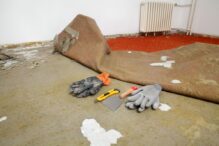
    Preparation is key to making flooring removal efficient. Before tearing into the floor, the room must be cleared of furniture, rugs, and any obstacles that could hinder the process. Even small items like lamps or side tables can create unnecessary hazards if left in the workspace. This step ensures the floor surface is fully exposed, allowing for a more focused approach.

    It’s also important to take precautions to protect adjoining areas. Covering vents prevents dust from spreading, and taping off doorways limits debris migration. Removing baseboards or trim pieces in advance can make it easier to access edges where flooring often clings tightly. By preparing the area thoroughly, you create an environment that supports efficiency and safety. What seems like a small detail at the beginning becomes a major factor in reducing frustration later, allowing the removal to proceed without interruptions.
    Flooring Removal

    Understanding different flooring types

    Not all floors are created equal, and the removal process differs significantly depending on the material. Hardwood floors, for example, may be nailed or glued down, requiring special tools and patience to pry them up. Carpet is often easier to remove, but tack strips and stubborn padding can complicate the process. Tile removal is perhaps the most labor-intensive, as the adhesive and grout often cling aggressively to the subfloor.

    Knowing what type of flooring you’re working with helps you choose the right techniques and tools. For instance, a heat gun may be useful for softening adhesives under vinyl, while a heavy-duty scraper is essential for removing ceramic tiles. By understanding the characteristics of the material, you can anticipate challenges before they arise. This foresight reduces wasted effort and makes the job more efficient. Each flooring type presents unique demands, and recognizing them early makes removal far more manageable.

    Gathering the proper tools and safety gear

    The success of flooring removal often depends on having the right tools at your disposal. Common items include pry bars, hammers, utility knives, scrapers, and sometimes power tools like jackhammers or floor strippers for tougher materials. Without the appropriate equipment, the process takes longer and can lead to unnecessary frustration or even damage to the subfloor. Preparing these tools ahead of time ensures that the work proceeds smoothly.

    Equally important is prioritizing safety gear. Flooring removal can expose sharp edges, flying debris, or dust that lingers in the air. Gloves protect your hands from splinters or cuts, while safety glasses shield your eyes. For materials like tile or old adhesive, a dust mask or respirator is vital to protect your lungs. Having the right gear makes a noticeable difference, allowing you to work confidently while avoiding preventable injuries. A safe, well-equipped workspace is essential for efficiency.

    Removing carpet and padding efficiently

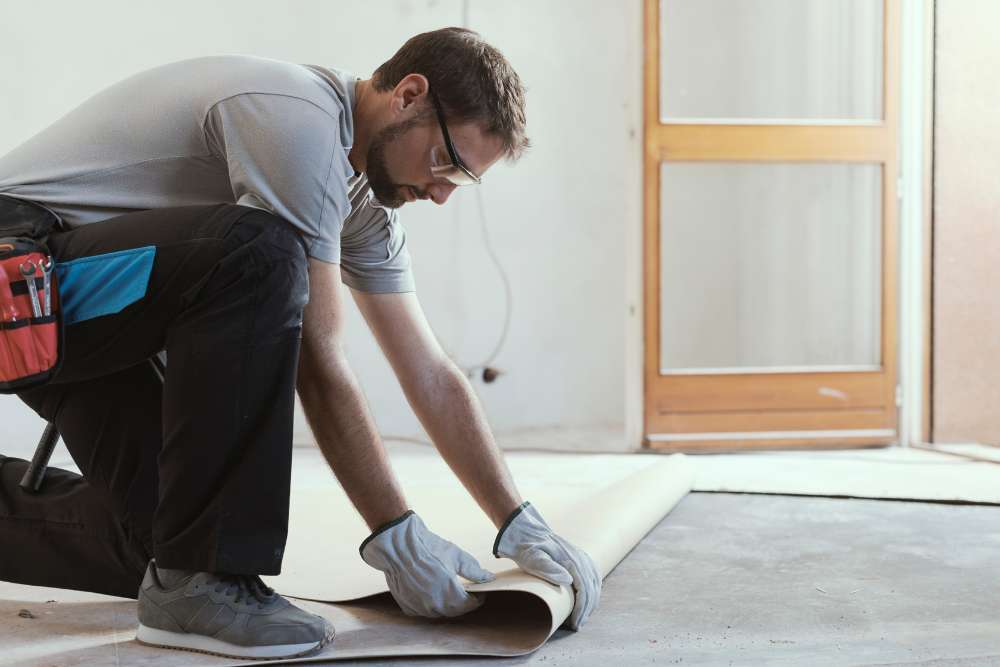
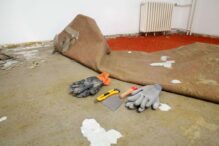
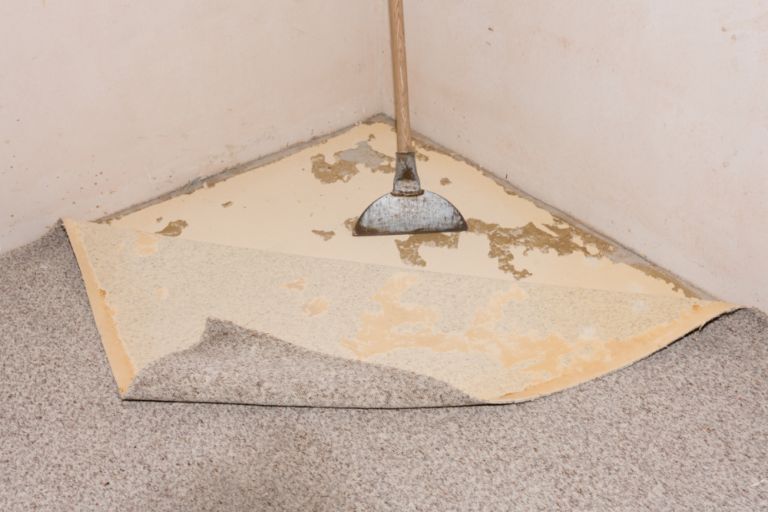
    Carpet removal begins by cutting it into manageable strips with a utility knife. Rolling each section makes disposal easier, and it prevents overwhelming piles from cluttering the room. Once the carpet is removed, the padding beneath often reveals the true challenge. Padding is usually stapled or glued, requiring careful effort to peel it up without damaging the subfloor.

    Tack strips around the perimeter add another layer of difficulty. These sharp-edged pieces hold the carpet firmly in place and must be pried up with care. Gloves are essential during this process, as tack strips can easily cause injuries. Once all components are removed, nails and staples should be extracted to leave the subfloor clean and ready for refinishing or installation. While carpet and padding are generally less complex than tile or wood, efficient removal still demands patience and thoroughness to ensure nothing is left behind.

    Tackling hardwood floor removal

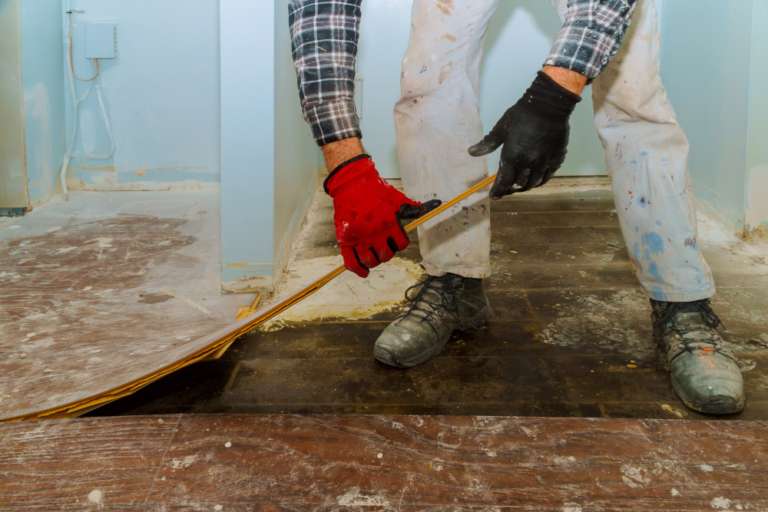
    Hardwood floors offer beauty and durability, but removing them can be challenging. If the boards are nailed down, the process requires prying up each plank carefully to avoid splintering and damaging the subfloor. When hardwood is glued down, the adhesive can be stubborn, often requiring specialized scrapers or even heat to loosen the bond. This type of removal is labor-intensive but necessary for a fresh start.

    One effective strategy is to begin at the edges or any loose boards and work toward the center. By creating leverage points, it becomes easier to pry the wood away systematically. For larger spaces, dividing the floor into sections helps maintain order during removal. Once the boards are removed, leftover adhesive or nails must be cleared to ensure the surface is even. 

    Dealing with tile and grout challenges

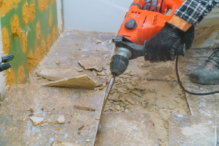
    Tile removal is one of the most demanding flooring projects. Tiles are often set with mortar or adhesive that bonds tightly to the subfloor, requiring significant force to break them free. Tools like a hammer and chisel or even a power chipping tool are often necessary. The work generates a large amount of dust and debris, making protective gear essential during the process.

    Once the tiles are pried up, the grout and mortar beneath present another challenge. Scraping or grinding these materials off the surface ensures the subfloor is smooth enough for new flooring. This step can be tedious, but skipping it risks uneven installation later. Collecting debris as you go keeps the workspace manageable and prevents tripping hazards.

    Addressing subfloor preparation

    After flooring has been removed, attention shifts to the subfloor. This step is critical because the quality of the subfloor directly impacts the success of any new installation. Holes, cracks, or uneven areas must be repaired to create a stable foundation. For wood subfloors, this may involve filling gaps, replacing damaged boards, or sanding down rough spots. Concrete subfloors may require patching compounds or grinding to level the surface.

    Cleaning is equally important. Dust, adhesive residue, and stray nails can interfere with new flooring. Thoroughly sweeping and vacuuming ensures the subfloor is free of obstacles. Preparing this surface properly prevents issues like squeaks, uneven planks, or tiles that fail to bond correctly. Although it’s easy to overlook, subfloor preparation is a vital step in the process. 

    Managing waste and debris removal

    Flooring removal creates a surprising amount of debris. Old carpet rolls, broken tiles, wood planks, and adhesive residue can quickly overwhelm your space if not managed properly. Having a waste disposal plan in place before starting ensures the project doesn’t stall. Renting a dumpster or arranging for junk removal services makes it easier to keep the area clear and safe.

    Proper disposal also means considering recycling opportunities. Many flooring materials, such as wood and metal, can be repurposed or recycled. Separating these items reduces landfill waste and supports sustainable practices. Bagging smaller debris keeps dust and sharp fragments contained, while larger pieces can be stacked neatly for pickup. An organized disposal approach not only keeps the project efficient but also makes the final cleanup less stressful. 

    Considering professional assistance

    While some homeowners enjoy the challenge of DIY flooring removal, others may find it overwhelming. Heavy materials, persistent adhesives, and the sheer scale of debris can make the process difficult to manage alone. Professional services offer an efficient solution, saving both time and effort. These experts bring specialized equipment and experience that ensures safe, thorough removal.

    Hiring professionals also provides peace of mind that disposal will be handled responsibly. From recycling to landfill regulations, experienced crews know how to manage waste properly. What might take a homeowner several days can often be completed in just a few hours with the help of a trained team. For those with tight schedules or limited physical capacity, professional assistance transforms flooring removal from a daunting project into a seamless step toward renovation. 

    Restoring and preparing for the new floor

    The final step in flooring removal is restoring the space so it’s ready for a fresh installation. Once all old materials, debris, and adhesives are cleared, the subfloor should be inspected one more time to confirm it’s smooth, level, and structurally sound. Any remaining imperfections can compromise the longevity of new flooring, so this final check is essential.

    Taking a moment to clean the space thoroughly also helps create an inviting environment for installers or for your own DIY installation. Vacuuming, wiping surfaces, and ensuring proper ventilation all contribute to better results. Once the area is prepared, you’re free to choose and install the flooring style that matches your vision. By following each step carefully, the entire process transitions smoothly from demolition to renovation. 

    Conclusion

    Flooring removal is often the hidden challenge behind any successful renovation. Each material presents unique obstacles, but with the right planning, tools, and approach, the process becomes manageable. From preparation and safety to debris disposal and subfloor restoration, every step is essential in paving the way for a new design. Homeowners who want to save time and effort can also rely on expert help for a faster, more efficient experience.

    North Bay Junk Removal, located in Santa Rosa, CA, specializes in junk removal services that include flooring demolition and debris hauling. Their team ensures materials are removed safely and disposed of responsibly, saving homeowners both time and stress. To schedule professional assistance, call 707-478-6817 today. With North Bay Junk Removal, the path to your next flooring project becomes smoother, easier, and far less overwhelming, giving you a clean slate for your renovation goals.

  • Best Practices for Flooring Removal and Disposal

    Best Practices for Flooring Removal and Disposal

    Removing old flooring is one of those renovation tasks that looks simple at first glance but can quickly reveal layers of complexity. From hidden adhesives to unexpected subfloor issues, this process demands both preparation and patience. Proper disposal of old flooring materials is equally important, not just for convenience but also for the environment. Tossing everything into a landfill is rarely the best option. Instead, careful handling, recycling where possible, and professional hauling can make a big difference. Following best practices ensures that the transition from outdated flooring to fresh surfaces is smooth, safe, and efficient.

    Preparing the work area before removal

    A successful flooring removal project begins long before the first tile is pried up or the first board is lifted. Preparation involves clearing the room of furniture, rugs, and anything else that could obstruct the process. Covering nearby doorways with plastic sheeting also helps contain dust and debris, making cleanup easier later on. Safety gear like gloves, masks, and knee pads should be gathered in advance so no one has to scramble in the middle of the job.

    Good preparation also includes inspecting the flooring type and condition. Hardwood, tile, laminate, and carpet each require unique strategies for removal. Identifying the materials beforehand avoids surprises and ensures the right tools are on hand. By laying this groundwork, homeowners reduce downtime and minimize the risk of damage to subfloors or surrounding structures. Proper preparation sets the stage for efficient removal and smoother disposal once the job is done.

    Using the right tools for the job

    Attempting to remove flooring without the correct tools often leads to frustration, wasted time, and even injury. For carpet, utility knives, pry bars, and staple removers are essential. Tile demands chisels, hammers, and in some cases, power scrapers. Hardwood and laminate may require circular saws to cut sections for easier handling. The right tools not only make the process faster but also reduce unnecessary damage to subflooring.

    Investing in or renting specialized equipment is worthwhile for larger projects. For example, floor strippers can peel away adhesives more efficiently than manual scrapers. Shop vacuums equipped with HEPA filters help control dust during demolition. By ensuring that proper tools are available before beginning, homeowners make the work safer, cleaner, and more effective. A well-equipped project prevents setbacks and keeps the flooring removal process moving forward at a steady pace.

    Handling carpet removal with care

    Carpet may seem easy to remove, but it often hides layers of staples, tack strips, and padding that complicate the job. Start by cutting the carpet into manageable strips and rolling them tightly for removal. This makes it easier to transport and prevents unnecessary strain during hauling. Once the main layer is gone, the real challenge begins with extracting stubborn staples and removing tack strips carefully to avoid damaging the subfloor.

    The padding beneath the carpet can present additional issues. Foam pads often crumble, leaving behind bits that must be scraped away. In some cases, adhesives secure the pad, requiring solvents or scrapers to remove it completely. Patience during carpet removal pays off by ensuring a clean, smooth surface ready for new flooring. Properly bundling and disposing of both the carpet and padding also streamlines the disposal process, reducing clutter and hazards on-site.

    Tackling tile removal effectively

    Tile removal is one of the most labor-intensive flooring tasks due to the strength of adhesives and the durability of ceramic or porcelain materials. The process often begins with breaking tiles using a hammer and chisel, then carefully prying them up piece by piece. Protective gear is critical, as shards can be sharp and hazardous. Once the tiles are gone, the thin-set mortar beneath usually requires significant effort to remove.

    For larger projects, power scrapers or rotary hammers with chisel attachments speed up the process. However, care must be taken not to damage the subfloor beneath. Tile removal generates a considerable amount of heavy debris that needs organized disposal. Collecting broken tiles in sturdy containers or bags prevents accidents and makes transport easier. By approaching tile removal methodically, homeowners ensure a cleaner workspace and a smoother transition to the next phase of renovation.

    Managing hardwood and laminate flooring

    Hardwood and laminate present their own set of challenges during removal. Hardwood, depending on its installation, may be nailed, glued, or stapled, each requiring different techniques. Cutting planks into smaller sections often makes removal easier, especially with glued floors. Laminate, on the other hand, is usually a floating floor system that comes apart once the first row is lifted, but edges and transitions can be tricky.

    Both materials often involve dust and splinters, so protective gloves and masks are important. Hardwood can sometimes be salvaged for reuse or recycling, making careful removal worthwhile. Laminate, while less valuable for reuse, should still be disposed of responsibly to avoid adding unnecessary waste to landfills. Knowing the difference between these materials and handling them accordingly ensures both efficient removal and environmentally conscious disposal practices.

    Dealing with adhesives and subfloor preparation

    After the visible flooring is removed, adhesives are often left behind as stubborn reminders of the old installation. Scraping adhesives can be tedious, but it is essential for preparing a smooth surface for new flooring. Heat guns, solvents, or specialized scrapers may be required depending on the type of glue used. Rushing through this step can lead to uneven subfloors that compromise the quality of the new installation.

    Subfloor inspection also reveals issues that might have been hidden under the old flooring. Cracks, water damage, or uneven areas should be repaired before moving forward. Taking the time to address these issues ensures that new flooring lasts longer and looks better. Thorough adhesive removal and subfloor preparation are best practices that prevent costly mistakes later in the renovation process.

    Recycling flooring materials responsibly

    Many flooring materials can be recycled rather than discarded. Carpet fibers, certain types of hardwood, and even broken tiles can often find new life in other applications. Recycling not only benefits the environment but can also reduce disposal costs. Researching local recycling facilities before starting a project ensures materials are directed to the right place rather than sent to landfills unnecessarily.

    Responsible recycling requires separating materials properly. For example, padding should be separated from carpet, and nails or staples removed from wood before recycling. Some recycling centers even accept adhesives or underlayment for processing. By committing to recycling where possible, flooring removal becomes a more sustainable process. Homeowners and contractors alike benefit from adopting eco-friendly practices that align with modern environmental goals.

    Using professional junk removal services

    Flooring removal generates large volumes of waste that can be overwhelming for homeowners to manage alone. Professional junk removal services offer a convenient solution by hauling away old flooring quickly and responsibly. These teams come equipped with the manpower, vehicles, and disposal knowledge to handle everything from carpet rolls to heavy tile debris.

    Hiring professionals saves time and reduces physical strain, allowing homeowners to focus on other aspects of renovation. Many services also prioritize recycling, ensuring materials are disposed of in environmentally responsible ways. By choosing professional help, flooring removal becomes less stressful and more efficient. It also guarantees compliance with local disposal regulations, avoiding potential fines or complications.

    Ensuring safety during flooring removal

    Safety should be at the forefront of any flooring removal project. Old flooring materials often conceal hazards like sharp nails, splinters, or even mold and mildew. Wearing protective gloves, goggles, and masks minimizes exposure to these risks. Proper ventilation is essential, especially when adhesives or solvents are involved.

    Using the right lifting techniques is also important to prevent injury. Flooring materials, particularly tile or hardwood, can be surprisingly heavy. Breaking them into smaller, manageable pieces reduces strain. Keeping the work area clean by regularly removing debris ensures clear walkways and prevents accidents. By following safety best practices, flooring removal becomes a manageable task rather than a hazardous undertaking.

    Planning disposal logistics in advance

    Disposal should never be an afterthought. Planning how and where flooring waste will be handled avoids last-minute stress. Renting a dumpster, scheduling professional junk removal, or coordinating trips to recycling centers should be arranged before removal begins. Knowing disposal costs and regulations in advance helps keep budgets on track.

    Planning also includes determining how different materials will be separated. Creating designated piles or bins for carpet, wood, and tile simplifies recycling and disposal later. By approaching the project with a disposal plan already in place, cleanup becomes a smooth, organized process. This foresight ensures that the flooring removal is not only effective but also efficient and environmentally responsible.

    Conclusion

    Flooring removal and disposal demand careful planning, the right tools, and a focus on safety. From handling adhesives and preparing subfloors to recycling materials and managing disposal, each step plays an essential role in the renovation process. Overlooking these details can lead to costly delays or safety hazards, but following best practices ensures a clean and efficient transition to new flooring. Taking the time to prepare and organize disposal plans also helps protect the environment and reduces unnecessary waste.

    For homeowners in Santa Rosa, CA, North Bay Junk Removal offers reliable junk removal services that simplify flooring disposal. Their experienced team ensures that debris is hauled away responsibly, whether it’s carpet, hardwood, tile, or laminate. By choosing their professional assistance, you can focus on the excitement of renovation while leaving the mess behind. Call 707-478-6817 to schedule junk removal services and keep your project moving forward smoothly.

  • The Advantages of Professional Flooring Removal

    The Advantages of Professional Flooring Removal

    Flooring plays a defining role in any space, setting the tone for comfort, style, and durability. When the time comes to replace old or damaged flooring, many homeowners assume that tearing it out is as simple as prying up boards or scraping away tile. Yet, flooring removal is often far more complicated than it appears. Hidden adhesives, stubborn nails, and heavy materials make the task labor-intensive and potentially hazardous for those without proper training. Attempting a do-it-yourself removal can quickly turn into a frustrating, time-consuming process.

    This is where professional flooring removal proves its worth. Trained crews bring the right equipment, techniques, and safety measures to streamline the process from start to finish. By choosing experts, you reduce stress while ensuring the job is completed efficiently and correctly. Professional removal not only saves valuable time but also protects your home from damage, setting the stage for a flawless installation of new flooring.

    Ensuring efficiency with professional expertise

    One of the main advantages of hiring professionals for flooring removal is the efficiency they bring to the project. What might take an inexperienced homeowner days or even weeks can often be completed in a fraction of the time by a skilled crew. Their familiarity with various flooring types, from hardwood to ceramic tile, allows them to use the right techniques for quick and clean removal.

    Efficiency also extends to minimizing disruption in your home. Professional teams work with precision, ensuring that debris is cleared as the job progresses instead of leaving piles behind. This means you can transition to the installation phase faster, reducing downtime in spaces like kitchens or living rooms that you rely on daily. With experts managing the process, flooring removal transforms from a daunting task into a streamlined step of your renovation journey.

    Reducing risks of damage to subfloors

    A major concern during flooring removal is the potential damage to the subfloor beneath. Subfloors provide the structural foundation for new flooring, and any harm to them can delay the renovation and increase costs. Professional flooring removal specialists know how to lift materials without compromising the integrity of what lies below. Their methods are designed to separate stubborn adhesives and nails without gouging or splintering subfloor surfaces.

    Avoiding subfloor damage is more than a matter of saving time and money; it ensures that your new flooring has a stable and level base. Uneven or weakened subfloors can cause future problems like creaks, gaps, or premature wear. Professionals understand these risks and address them with care, using specialized tools to protect the surface. By trusting experts with removal, you safeguard the foundation of your project and guarantee a stronger, more reliable flooring installation.

    Saving time with specialized equipment

    Flooring removal can be exhausting when attempted with basic hand tools. Professionals arrive equipped with heavy-duty machinery designed specifically for the task. Tools like floor scrapers, grinders, and dust-containment systems allow them to complete the work far faster and with less physical strain than manual methods. These specialized tools are not only efficient but also more precise in dealing with challenging flooring materials.

    Time savings become especially valuable in larger spaces or commercial projects where delays can disrupt daily routines or business operations. With professional equipment, a job that could stretch over days can often be finished within hours. This efficiency allows you to move forward with your renovation plans without unnecessary interruptions. Having access to the right machinery ensures the flooring removal process is smooth, effective, and tailored to the specific type of material being removed.

    Enhancing safety during flooring removal

    Removing old flooring is more dangerous than it may seem. Sharp edges, splintered wood, and heavy tiles pose physical hazards, while adhesives and dust can create health risks. Professionals prioritize safety, using protective gear and dust-control methods to reduce exposure to harmful particles. Their training ensures that they know how to handle hazardous situations that may arise during demolition.

    Safety also extends to handling the debris generated during removal. Large, heavy pieces of flooring can cause injuries if lifted incorrectly. Professional crews are trained in safe lifting techniques and often have multiple team members working together to distribute weight properly. By choosing professionals, you protect not only your own well-being but also your home, as experts are less likely to cause accidents that could damage walls, doors, or surrounding areas during removal.

    Managing debris disposal responsibly

    Flooring removal generates a significant amount of debris, including wood, tile, carpet, and adhesives. Figuring out what to do with these materials can be overwhelming for homeowners. Professionals streamline this process by managing debris disposal responsibly. They sort recyclable materials, separate hazardous items, and transport everything to appropriate facilities, ensuring compliance with local regulations.

    This approach saves you the hassle of arranging dumpsters or multiple trips to disposal sites. Proper waste management also reduces the environmental impact of your project, as recyclable materials are diverted from landfills. By relying on professionals, you eliminate one of the most challenging aspects of flooring removal: figuring out how to handle the mess afterward. Responsible debris disposal transforms a stressful cleanup into a seamless, eco-conscious solution that complements the efficiency of professional flooring removal.

    Preparing surfaces for new installations

    The work doesn’t end when old flooring is removed. The surface beneath must be properly prepared before new materials can be installed. Professionals understand the importance of inspecting subfloors for cracks, uneven spots, or lingering adhesive. They address these issues on the spot, creating a clean and level foundation for your new flooring.

    This preparation step is crucial for the longevity of the new installation. Without it, minor imperfections can lead to uneven floors, weak spots, or accelerated wear. By ensuring the surface is smooth and stable, professionals make it possible for your new flooring to not only look its best but also last longer. Their attention to detail during preparation prevents complications down the road, making professional flooring removal an investment in the overall success of your renovation project.

    Adapting methods to different flooring types

    Not all flooring is created equal, and each material requires a different removal approach. Hardwood planks may be nailed down tightly, while ceramic tiles demand chiseling and specialized equipment to loosen them. Carpet removal often involves dealing with tack strips and stubborn adhesives. Professionals know how to adapt their methods to suit each type of flooring efficiently.

    This expertise prevents unnecessary damage and speeds up the process. For instance, they might use specific machines for vinyl or laminate removal that ensure adhesives are lifted cleanly. By customizing their approach to the material, professionals achieve results that are cleaner and more precise than general DIY efforts. This adaptability guarantees that regardless of the type of flooring, the removal process is handled with the most effective strategy available.

    Reducing stress for homeowners

    Undertaking flooring removal on your own can be stressful, from the physical demands to the uncertainty of whether you’re doing it correctly. Professional services relieve homeowners of this burden by managing every detail of the process. With a trained crew on the job, you can focus on the exciting aspects of renovation rather than worrying about demolition challenges.

    This stress reduction extends to scheduling and logistics. Professionals coordinate the timing, manage the equipment, and handle disposal, giving you peace of mind. Instead of facing an unpredictable project filled with potential setbacks, you gain confidence knowing experts are in control. Stress-free flooring removal means you can enjoy the transformation of your space without being weighed down by the messy and demanding tasks that come before it.

    Increasing property value through quality work

    Professional flooring removal doesn’t just save time and effort—it can also enhance the long-term value of your property. By ensuring that old materials are taken out properly and surfaces are prepared correctly, professionals set the stage for a flawless flooring installation. A high-quality result reflects well on the property and adds to its overall appeal.

    Potential buyers or renters are more likely to notice smooth, well-installed floors than the behind-the-scenes demolition. However, the quality of removal directly affects how good the final product looks and performs. Investing in professional removal is an investment in your home’s value, as it ensures the final result is not compromised by mistakes made early in the process. Quality work from the beginning supports the long-term durability and appearance of your flooring.

    Offering convenience with professional services

    Perhaps one of the most overlooked advantages of professional flooring removal is the convenience it offers. From start to finish, the entire process is managed for you, eliminating the need for renting equipment, arranging disposal, or navigating complicated demolition tasks. The convenience of having experts handle everything frees up your time and energy for other important aspects of your renovation.

    Convenience also comes from predictable results. With professionals, you know when the work will be completed and what to expect during the process. There’s no guesswork involved, and unexpected problems are handled swiftly. This reliability makes flooring removal a smoother experience, giving you a clear path toward the transformation of your home. Professional services combine efficiency with peace of mind, creating a hassle-free solution to what might otherwise feel like an overwhelming challenge.

    Conclusion

    Flooring removal is one of those projects that may seem simple at first glance but quickly reveals its complexity once you begin. Hidden adhesives, stubborn nails, heavy debris, and dust create a demanding task that can overwhelm even the most determined homeowner. Professional flooring removal eliminates these challenges by providing expertise, specialized equipment, and responsible disposal. From protecting your subfloors to ensuring safety throughout the process, trained crews handle every detail with care and efficiency.

    For homeowners in Santa Rosa, CA, North Bay Junk Removal provides expert junk removal services that make flooring demolition far less stressful. Their team specializes in efficient debris hauling, safe disposal practices, and reliable service, ensuring your project stays on schedule. By calling 707-478-6817, you can schedule professional junk removal that complements your renovation and keeps your property clean and ready for transformation. With North Bay Junk Removal, every flooring project begins on a solid, stress-free foundation.

  • How to Safely Complete Flooring Removal

    How to Safely Complete Flooring Removal

    Removing old flooring is one of those renovation tasks that looks simpler than it is. Beneath the surface, however, it can be a demanding process that requires care, patience, and the right approach. Every type of flooring—from tile and carpet to hardwood—comes with its own challenges, and skipping safety precautions can turn a project into a disaster. By focusing on methodical steps and preparation, homeowners can avoid unnecessary risks while making room for something new. Safe flooring removal is not just about tearing things up—it’s about protecting yourself, your home, and ensuring the ground is ready for its next transformation.

    Understanding the importance of preparation

    The success of flooring removal begins before any tool touches the surface. Proper preparation means clearing the space completely, removing furniture, and protecting walls and fixtures from dust or damage. It’s easy to underestimate this step, but starting in a clutter-free environment keeps you from tripping over obstacles or accidentally damaging belongings. Preparation also sets the tone for efficiency, allowing the removal process to flow without constant interruptions.

    Equally important is planning how the debris will be handled once the flooring comes up. Flooring materials are heavy, awkward, and can generate a surprising amount of waste. Without a disposal strategy, you may find yourself buried in piles of broken tile, splintered wood, or carpet scraps. Thinking ahead about removal methods—whether hauling it yourself or arranging professional junk removal—saves time and reduces stress. Preparation ensures the project feels manageable from start to finish.

    Choosing the right tools for the job

    Not all flooring requires the same tools for removal. For carpet, utility knives, pliers, and staple pullers are essential. For tile, you may need chisels, pry bars, and sometimes even a hammer drill for stubborn sections. Hardwood removal often requires crowbars, mallets, and heavy-duty gloves to deal with nails and splinters. The wrong tool slows progress and can even make the job dangerous. Selecting the proper gear is as important as knowing how to use it safely.

    Investing in quality tools also pays off in reduced effort. Dull blades or cheap chisels can cause slips, leading to cuts or strained muscles. Specialized tools, while they may feel unnecessary at first, often save hours of hard labor and frustration. Before beginning, gather everything in one place and double-check that tools are in good working order. Being prepared with the right equipment ensures smoother, safer flooring removal every time.

    Protecting yourself with proper safety gear

    Flooring removal produces dust, splinters, and sharp debris that can pose serious hazards. Protective gear should never be optional. Safety glasses shield your eyes from flying particles, while gloves protect against cuts from nails, edges, and splintered materials. A sturdy dust mask or respirator is also vital, especially when dealing with older flooring that may contain harmful adhesives or chemicals. Protection is about prevention, and it starts before the first strike of a hammer.

    Footwear is another key component that is sometimes overlooked. Heavy, closed-toe shoes or boots guard against punctures from nails and dropped tools. Knee pads can also make long sessions on the floor less punishing and reduce strain. By dressing for safety, you minimize the risks of accidents and create peace of mind during the process. Flooring removal is challenging enough—there’s no reason to add injuries into the mix.

    Handling different types of flooring safely

    Every flooring type comes with unique challenges, and knowing how to handle each makes removal safer. Carpet often hides layers of staples and tack strips that can tear skin or cause puncture wounds if not handled carefully. Tile removal is notorious for flying shards, so taking time to work in small sections helps control debris. Hardwood can be stubborn, especially if glued or nailed down, and prying boards up without proper leverage can strain your back.

    Laminate or vinyl floors can peel up more easily but may reveal old adhesive underneath that requires careful scraping. Each surface demands patience, and rushing the process often leads to mistakes. Working methodically not only prevents injury but also reduces the chance of damaging the subfloor. Recognizing the differences in flooring materials prepares you to adapt your approach and complete the job without unnecessary complications.

    Managing dust and debris effectively

    Flooring removal creates an incredible amount of mess, and dust control is one of the biggest challenges. Fine particles from concrete backer board, adhesives, or even grout can travel throughout the house if not contained. Sealing off doorways with plastic sheeting and using fans or vacuums to control air movement helps minimize the spread. This not only protects your home but also reduces potential respiratory issues.

    Debris management is equally important. Broken tiles, splintered boards, or rolled-up carpet can quickly take over the space if not moved out regularly. Keeping a system in place—whether that’s hauling debris as you go or stacking it neatly until pickup—makes the process more organized. A clean workspace improves efficiency and makes it easier to stay safe. By addressing dust and debris from the beginning, flooring removal becomes far less overwhelming.

    Preventing damage to the subfloor

    The subfloor is the hidden structure that supports everything above, and protecting it during removal is essential. Heavy-handed prying or overzealous hammering can cause cracks, holes, or uneven surfaces that require costly repairs before new flooring can be installed. Working carefully, section by section, reduces the risk of long-term damage. Tools should be angled precisely to lift material without gouging into the wood or concrete beneath.

    After the flooring is gone, it’s also important to inspect the subfloor for any hidden issues. Moisture damage, mold, or warping may be revealed once the surface is cleared. Addressing these problems immediately ensures that the new flooring rests on a solid foundation. Preserving the integrity of the subfloor is one of the most critical steps in safe flooring removal, as it saves time, money, and frustration later.

    Understanding when professional help is needed

    While many homeowners take on flooring removal themselves, some projects require professional intervention. Flooring that has been glued with industrial adhesives, or tile that was set with thick mortar, may resist basic tools. In some cases, specialized equipment like power scrapers or jackhammers is necessary, and without training, these tools can be hazardous. Recognizing when the job has exceeded your capabilities is a form of safety in itself.

    There are also health concerns that call for expert assistance. Older flooring materials may contain asbestos or lead-based adhesives, both of which pose significant risks if disturbed. Professionals are trained to handle these situations safely and ensure proper disposal. Knowing your limits and when to call in help keeps the project efficient and minimizes unnecessary dangers. Sometimes, letting an expert handle the toughest parts is the safest decision you can make.

    Disposing of flooring materials responsibly

    After removal, disposal becomes the next challenge. Old flooring is bulky, heavy, and often not suitable for curbside pickup. Carpet, padding, tiles, and wood all need proper handling to prevent environmental harm. Simply dumping them in a landfill is not always the most responsible choice, especially when recycling options are available. Some materials can be repurposed, reducing waste and supporting sustainability.

    Arranging professional junk removal ensures that debris is managed correctly. Experts know how to separate recyclable materials and dispose of hazardous substances safely. They also spare homeowners the effort of lifting and transporting heavy loads, which can cause injuries. Responsible disposal is not just about clearing space—it’s about doing so in a way that benefits both the homeowner and the environment. Taking this step seriously closes the flooring removal process with responsibility and care.

    Creating a safe and efficient workflow

    A safe flooring removal process is also an organized one. Tackling the project in sections prevents fatigue and keeps the space manageable. Starting from one corner and moving systematically reduces confusion and prevents overlooked spots. Pausing regularly to clear debris and reassess progress maintains focus and keeps the worksite safe. Efficiency comes from structure, not speed.

    Establishing a clear workflow also makes it easier to adapt when challenges arise. Whether it’s a stubborn section of tile or hidden nails under carpet, having a plan keeps frustration in check. Working steadily instead of rushing minimizes mistakes that could lead to injury or damage. With a thoughtful workflow, flooring removal becomes less chaotic and more controlled, paving the way for a smoother renovation.

    Preparing the space for new flooring

    The final stage of flooring removal is preparing for what comes next. Once the old material is gone, it’s essential to clean thoroughly, removing dust, nails, and adhesive residue. This creates a smooth surface for the installation of new flooring, ensuring it bonds properly and lasts longer. Skipping this step can lead to premature wear, uneven surfaces, or costly repairs down the road.

    Beyond cleaning, homeowners should also check for moisture, level the subfloor, and make any necessary adjustments. These finishing touches guarantee that the upcoming installation has the best possible foundation. Preparing the space properly ensures that all the effort spent on safe removal pays off in the final result. It’s the bridge between demolition and renewal, setting the stage for a fresh start.

    Conclusion

    Flooring removal may seem straightforward, but the process requires patience, planning, and attention to safety. From protecting yourself with proper gear to preserving the integrity of the subfloor, each step plays a vital role in ensuring success. Handling different flooring types with care, managing dust and debris, and knowing when to call in professionals keeps the project both safe and efficient. Preparing the space thoroughly allows new flooring to be installed on a clean, stable foundation that will last for years.

    For those who want expert assistance with debris disposal, North Bay Junk Removal is a trusted partner. Located in Santa Rosa, CA, they specialize in junk removal services that make flooring projects easier and safer for homeowners. With reliable service and professional care, they handle the toughest cleanup jobs efficiently, so you can focus on the transformation ahead. To schedule support for your project, call North Bay Junk Removal today at 707-478-6817.

  • Flooring Removal: Choosing the Right Service for Your Home

    Flooring Removal: Choosing the Right Service for Your Home

    Removing old flooring may seem like a simple task, but it is often one of the most critical steps in preparing your home for a fresh start. Flooring sets the tone for a room’s style, comfort, and functionality, yet before new materials can be installed, the old ones must be cleared away properly. From outdated carpet and damaged tiles to hardwood that has lost its shine, each type of flooring presents unique challenges. Efficient removal is about more than tearing things out—it’s about ensuring the job is done safely, cleanly, and without compromising the surfaces beneath. Choosing the right flooring removal service allows homeowners to save time, avoid unnecessary mess, and prepare their home for lasting improvements. With so many factors to consider, understanding the importance of this step helps you move forward confidently in your renovation journey.

    Why flooring removal requires more than muscle

    At first glance, flooring removal may seem like a straightforward job—pull it up and toss it out. However, each type of flooring hides a network of adhesives, nails, grout, and padding that must be handled carefully. Ripping materials out without thought can damage the subfloor, add unexpected repair costs, and make the installation of new flooring more difficult. It’s not just a matter of strength; it’s about knowing the techniques that preserve the structure beneath.

    Professional flooring removal services combine experience with specialized tools to handle these challenges. What looks like an unyielding tile floor to a homeowner is, to them, a process they’ve perfected through practice. Their skill prevents unnecessary harm to your home while speeding up a job that could otherwise drag on for days. 

    Understanding the challenges of different flooring types

    Not all flooring is created equal, and neither are the challenges involved in removing them. Carpets, for example, often have layers of padding and tacks that hold fast to the floor, leaving behind stubborn remnants. Tile floors are notoriously difficult, with grout and mortar that cling tightly to the surface. Hardwood may splinter, crack, or resist prying if not approached carefully. Each type requires its own strategy to ensure clean and thorough removal.

    Attempting to remove flooring without this understanding can quickly lead to frustration. A homeowner may spend hours trying to pry up tile only to find adhesive still covering the subfloor. Professionals bring a knowledge of material behavior that streamlines the process. Their ability to adapt to the unique challenges of each flooring type ensures the surface is prepared for what comes next. 

    The role of tools and technology in removal

    Flooring removal may be physically demanding, but the right tools can make the difference between an uphill battle and a manageable job. Hand tools alone are rarely enough for modern flooring materials. Instead, specialized machines such as floor strippers, grinders, and dust-containment systems make the work faster and cleaner. These tools are not only expensive but also require training to use effectively.

    Professional flooring removal teams arrive with equipment designed to tackle even the toughest jobs. They know how to leverage technology to minimize damage, reduce dust, and save time. This not only protects the home but also enhances efficiency. For a homeowner, the cost and learning curve of acquiring such tools are rarely worthwhile. 

    How proper removal prepares for new installation

    Successful renovations rely on strong foundations, and flooring is no exception. Before new materials can be laid down, the surface must be free of adhesives, nails, and uneven patches. Improper removal may leave behind remnants that cause bubbling in carpet, uneven tile alignment, or gaps in hardwood installation. A rushed or incomplete job creates long-term frustrations that undermine the look and feel of your new floors.

    Professional flooring removal ensures a clean slate. By carefully stripping away every trace of old material, experts create a smooth surface ready for whatever comes next. This preparation not only improves the quality of the installation but also extends the lifespan of the new flooring. It’s the unseen groundwork that sets the stage for a polished result. 

    The importance of dust and debris control

    Few homeowners anticipate the sheer amount of dust and debris that flooring removal generates. Carpets shed fibers, tiles release fine particles, and adhesives crumble into sticky fragments. Left unchecked, these materials can spread throughout the house, affecting air quality and creating a mess that lingers long after the job is done. Controlling debris is just as important as removing the flooring itself.

    Professional crews approach removal with dust control in mind. They use containment systems, vacuums, and protective measures to keep the mess confined and minimize the impact on the home. This attention to detail protects both the occupants and the property..

    Safety concerns during flooring removal

    Safety risks lurk in every flooring removal project. Splinters from hardwood, sharp shards from broken tile, and tack strips from old carpet all pose hazards. Beyond the obvious dangers, there are hidden threats like asbestos in older adhesives or mold trapped beneath carpets. Handling these without proper knowledge or protection exposes homeowners to unnecessary risks.

    Professionals are trained to recognize and manage these dangers. They use protective gear, safe techniques, and proper disposal methods to ensure no harm comes to the residents or themselves. Their experience means they can anticipate issues before they become problems. While flooring removal might seem like a minor task, the potential safety concerns elevate it to a job best handled by those who know how to navigate the risks. 

    Why professional services save time and effort

    For many homeowners, the thought of tackling flooring removal on their own is motivated by a desire to save money. Yet what seems like a weekend project often drags into weeks of frustration. Old adhesives cling stubbornly, debris piles up faster than it can be hauled away, and the physical toll becomes overwhelming. The effort required can easily overshadow the cost savings.

    Professional services transform this experience. A team with the right tools and expertise can remove flooring in a fraction of the time it would take a homeowner. This not only reduces stress but also accelerates the entire renovation timeline. Instead of exhausting yourself on demolition, you can focus on the creative aspects of your project, knowing the foundation is being prepared correctly. In the long run, professional services save far more than just labor—they save the most valuable resource of all: time.

    The financial benefits of efficient removal

    It’s easy to assume professional flooring removal is an added cost, but the long-term savings tell a different story. Attempting the job without training can lead to costly mistakes, such as damaging the subfloor or leaving behind residue that complicates new installation. These missteps often require additional repairs that exceed the original budget.

    Professionals prevent these issues by doing the job right the first time. Their efficiency reduces labor hours, disposal fees, and the potential for expensive corrections later. They also know how to recycle or repurpose certain materials, lowering overall costs while benefiting the environment. What might initially appear as a splurge often proves to be the smarter financial decision. 

    The environmental responsibility of flooring disposal

    Every flooring material removed from a home eventually needs to go somewhere, and thoughtless disposal often means adding to already overburdened landfills. Carpets, tiles, and even hardwood can sometimes be recycled or repurposed, but separating and processing these materials takes knowledge and effort. Homeowners attempting removal alone rarely have the means to do this effectively.

    Professional services, however, incorporate eco-conscious practices into their cleanup. They know where to take materials for recycling and how to minimize environmental impact. By choosing such a service, you contribute to reducing waste while also ensuring compliance with local disposal regulations. This responsibility extends beyond the renovation itself—it reflects a commitment to sustainability. Flooring removal is not just about clearing space for something new; it’s also an opportunity to handle old materials in a way that respects the environment.

    How to choose the right flooring removal service

    With so many options available, selecting the right flooring removal service requires careful consideration. Look for providers who demonstrate experience, proper licensing, and a reputation for reliability. Ask about their approach to dust control, disposal practices, and how they handle unexpected issues like hidden damage or hazardous materials. A good service will be transparent about costs and timelines, giving you confidence in their process.

    Trust is built not only on promises but also on preparation. Services that arrive with the right equipment, a skilled team, and a clear plan often deliver the most consistent results. Consider the value of peace of mind when making your choice. The cheapest option may not always provide the level of care your home deserves. Choosing wisely ensures your renovation begins on the right foundation, with flooring removal handled smoothly and professionally from start to finish.

    Conclusion

    Flooring removal is more than just clearing old materials—it is the foundation upon which the rest of your renovation depends. From carpets that hide stubborn tack strips to tiles cemented with mortar, every type of flooring presents unique challenges that require skill, tools, and attention to detail. Proper removal prepares your home for a flawless installation while protecting your subfloors, your health, and your time. Professionals bring efficiency, safety, and environmental responsibility to a process that otherwise risks becoming overwhelming and costly. Their services create a smoother transition between the old and the new, ensuring your renovation is built on a clean and secure base.

    For reliable flooring removal and comprehensive junk removal solutions, North Bay Junk Removal is a trusted partner. Located in Santa Rosa, CA, they provide efficient services tailored to both residential and commercial needs. Call 707-478-6817 today to schedule professional junk removal and experience the peace of mind that comes with expert care.

  • How Flooring Removal Prepares Your Home for New Finishes

    How Flooring Removal Prepares Your Home for New Finishes

    Clearing the Way for Fresh Flooring

    Removing old flooring is often the first step in transforming a room. It’s more than just taking up worn-out carpet or scratched hardwood; it sets the foundation for the entire renovation. When floors are removed carefully, it ensures that the surface beneath is exposed, revealing potential issues such as water damage, uneven subfloors, or mold growth. Identifying these problems early prevents future complications and allows for a smoother installation of new finishes. The process can also make the space feel lighter and more open, giving homeowners a fresh perspective on how the room could look.

    Professional flooring removal minimizes the risks of damaging walls or existing structures. Specialized tools help strip away materials cleanly, reducing dust and debris that can linger and interfere with the installation of new flooring. Moreover, a clean, bare floor allows contractors to apply adhesives, underlayments, or leveling compounds effectively. This preparation ensures that hardwood, tile, or vinyl finishes adhere properly and last longer, creating a solid base for a home improvement project that enhances both aesthetics and functionality.

    Enhancing Safety and Efficiency

    Old floors can hide nails, staples, or broken tiles, posing a hazard during remodeling. Removing these surfaces carefully not only protects homeowners and workers but also prevents tools from being damaged. Safety becomes especially critical when dealing with heavier flooring materials such as concrete or thick laminate. Flooring removal often involves clearing multiple layers, which, if done improperly, could result in uneven surfaces or structural weaknesses. Taking time to remove flooring efficiently avoids the pitfalls of rushed renovations.

    Efficiency in removal can also speed up the overall renovation timeline. With debris hauled away, installers have an uncluttered space to work in, reducing downtime and errors. Proper removal ensures a level and clean base, which is crucial for precision when laying new materials. By investing effort in this preparatory step, homeowners can avoid future repairs, reduce long-term costs, and achieve a polished result that enhances the value and comfort of their home.

    Identifying Hidden Structural Issues

    Beneath the surface of old flooring lies a foundation that may need attention. During removal, cracks, water damage, or uneven subfloors often become visible, revealing underlying problems that could compromise the new flooring’s durability. Spotting these issues early allows for timely repairs, preventing long-term damage that might require costly interventions later. Additionally, uncovering structural concerns can inform decisions about the type of flooring best suited for the space, ensuring compatibility with subfloor conditions.

    Removing flooring is not just about aesthetics; it’s about understanding the home’s underlying integrity. Professionals carefully examine the exposed area for rot, mold, or weak spots that need reinforcement. Addressing these concerns during the removal process strengthens the overall structure and extends the lifespan of the new flooring. Homeowners gain peace of mind knowing that their investment is built on a stable and secure foundation.

    Preparing Subfloors for Optimal Installation

    Once old materials are removed, subfloors must be prepared to receive new finishes. This preparation can include leveling, cleaning, and applying moisture barriers. A properly prepared subfloor ensures that tiles do not crack, hardwood does not warp, and vinyl adheres without bubbles or gaps. Skipping these steps could lead to imperfections that detract from the flooring’s appearance and performance.

    Preparation also allows for customization. Homeowners can choose underlayments that provide insulation, soundproofing, or added comfort, enhancing the functionality of the new flooring. By starting with a well-prepared surface, the installation process becomes smoother, faster, and more precise, ensuring that the new floors not only look great but also perform reliably for years to come.

    Reducing Allergens and Improving Indoor Air Quality

    Old flooring often harbors dust, mold, and allergens that accumulate over time. Carpet fibers, in particular, can trap dirt and pet dander, while hardwood may conceal mold beneath. Removing these surfaces exposes the underlying layers and allows for thorough cleaning, improving indoor air quality. This step is essential for households with allergy sufferers or young children, creating a healthier living environment before new materials are installed.

    Professional removal services also handle disposal responsibly, minimizing the spread of dust and debris. By clearing away contaminants, homeowners ensure that new flooring is laid on a clean surface, reducing the likelihood of irritants becoming trapped beneath finishes. This contributes to a fresher, safer, and more comfortable home environment.

    Increasing Home Value Through Proper Renovation

    Investing in proper flooring removal before installing new finishes can enhance the overall value of a home. Buyers and appraisers notice well-prepared floors that are free from damage, unevenness, or signs of neglect. Quality installation on a solid base demonstrates attention to detail and long-term care, making the property more appealing and marketable.

    By addressing underlying issues and ensuring precise installation, homeowners not only improve the aesthetic appeal but also the structural integrity of their space. This foresight can translate into higher offers during resale or simply provide a more enjoyable and functional living area. Floors set on a stable foundation are less prone to issues, saving homeowners from expensive repairs and maintaining property value over time.

    Facilitating Eco-Friendly Disposal

    Flooring removal creates opportunities for environmentally responsible disposal. Old materials such as carpet, laminate, or tile can be recycled or donated if in good condition. This reduces the amount of waste sent to landfills and supports sustainable practices. Choosing professional services ensures that hazardous materials like adhesives or treated wood are handled properly, protecting both the environment and residents.

    Recycling old flooring can also benefit community projects or resale markets, giving materials a second life. By combining careful removal with eco-conscious disposal, homeowners contribute to sustainability while preparing their home for a fresh look. This approach aligns renovation efforts with environmental responsibility, making the process both practical and conscientious.

    Streamlining Future Maintenance

    Proper removal of old flooring simplifies future maintenance and cleaning. By starting with a level and even surface, new floors are less likely to develop gaps, warping, or other issues that complicate upkeep. Clean installation reduces crevices where dirt and moisture can accumulate, making routine care more efficient.

    Moreover, addressing potential subfloor problems early ensures that the new flooring remains in good condition for years. Homeowners benefit from reduced repair needs and longer-lasting finishes. A well-prepared base creates a durable foundation that supports easy maintenance and prolongs the life of the flooring investment.

    Creating Space for Design Flexibility

    Removing existing floors opens up possibilities for creative design. Homeowners can experiment with different textures, patterns, and materials without being constrained by previous installations. This flexibility allows for personalized aesthetics and tailored functionality, enhancing the living experience.

    With the old flooring gone, spaces can be reimagined and planned according to modern standards or personal preferences. Whether choosing hardwood, luxury vinyl, or patterned tiles, the absence of old layers allows for precise alignment, proper adhesive application, and seamless transitions. This freedom fosters creativity while ensuring that the finished product meets both style and practical needs.

    Reducing Installation Stress and Errors

    Proper flooring removal minimizes installation challenges. Uneven surfaces, hidden debris, and old adhesives can interfere with new materials, causing mistakes that are costly and time-consuming. Removing these obstacles in advance reduces stress for both contractors and homeowners, creating a smoother workflow.

    Experienced removal professionals handle the process efficiently, ensuring that the subfloor is ready for immediate installation. This preparation reduces the risk of mistakes, shortens project timelines, and enhances the quality of the finished floor. Homeowners can enjoy a worry-free renovation experience, confident that each step is executed with precision.

    Conclusion

    Investing time and effort into flooring removal sets the stage for a successful home renovation. Proper removal uncovers hidden issues, improves safety, and prepares the subfloor for precise installation of new finishes. This foundational step enhances the durability, appearance, and value of any home while reducing long-term maintenance concerns. A well-prepared space ensures that every plank, tile, or vinyl sheet fits seamlessly, delivering a polished and enduring result.

    For residents in Santa Rosa and surrounding areas, North Bay Junk Removal provides professional services that handle flooring removal efficiently and responsibly. Their team ensures safe disposal, environmentally conscious practices, and thorough cleanup, allowing homeowners to enjoy a fresh start with confidence. Contact North Bay Junk Removal at 707-478-6817 for reliable junk removal services that prepare your home perfectly for its next chapter.

  • Flooring Removal What to Expect During the Process

    Flooring Removal What to Expect During the Process

    Understanding the Flooring Removal Process

    Removing old flooring can feel overwhelming but knowing what to expect can ease the stress and help you prepare properly. The process usually begins with clearing the room completely so the removal can proceed safely and efficiently. This includes moving furniture, appliances, and any fragile items that could get damaged during the work. Professional teams often start with a careful inspection of the existing flooring to determine the type of material and how it is secured. Different flooring materials like tile, laminate, hardwood, or carpet each have unique challenges that influence the removal technique. Preparing the space also involves protecting walls and fixtures and ensuring there is adequate ventilation, especially if adhesives or old finishes will be disturbed. With the right preparation, flooring removal can proceed smoothly and safely.

    The next step typically involves loosening the flooring material carefully to minimize damage to the underlying surface. Professionals use specialized tools to pry up boards or tiles efficiently while reducing debris spread. Carpets are often rolled up and padding removed in large sections, while tiles may require breaking them into manageable pieces. Dust and debris control is critical at every step, as flooring removal can create a surprising mess. Proper disposal is planned in advance to keep the work area safe and organized. Understanding these preparatory steps helps homeowners set realistic expectations and reduces surprises when the process begins.

    Removing Hardwood and Laminate Flooring

    Hardwood and laminate floors require a delicate approach to avoid damaging the subfloor beneath. Often, removal starts by taking out baseboards or trim to gain full access to the edges of the flooring. Crews use crowbars and prying tools to lift boards carefully, starting from a corner and working methodically across the room. Some hardwood floors are nailed or glued down, which can require additional effort to loosen boards without splitting or breaking them. Laminate flooring tends to come in interlocking pieces, which can be lifted sequentially without extensive demolition. The removal process for both types aims to recover as much material as possible, especially if any boards can be repurposed or recycled.

    After lifting the flooring, attention turns to cleaning and preparing the subfloor for the next installation or refinishing. Nails, screws, or adhesives must be carefully removed to create a smooth surface. Sanding or leveling may be required if the subfloor has sustained minor damage during removal. Properly managing these finishing details ensures that any new flooring installation is stable and long-lasting. Removing hardwood and laminate flooring can take time, patience, and precision, but following a systematic approach prevents unnecessary damage and keeps the project on track.

    Tackling Tile and Stone Flooring

    Tile and stone flooring removal is physically demanding and requires careful handling to avoid injury and minimize dust. The process generally begins by loosening grout lines using specialized tools, which allows individual tiles to be lifted without shattering surrounding pieces. Some tiles may crack or break during removal, so wearing protective gloves and eyewear is essential. Flooring removal teams often use hammers, chisels, and pry bars to lift tiles while taking care not to damage the underlying concrete or plywood subfloor. Proper technique is crucial to reduce the amount of debris generated and ensure a safer environment for workers and homeowners.

    Once the tiles or stones are removed, the subfloor often needs cleaning and smoothing to prepare for the next installation. Adhesive residues and mortar can be stubborn, requiring scraping or chemical removal methods. Dust control and ventilation remain critical at this stage, as fine particles can linger and pose a hazard. Efficient planning ensures that waste materials are gathered and transported safely, keeping the property tidy. Removing tile and stone floors may be labor-intensive, but following a strategic and careful process reduces risk and ensures the subfloor is ready for the next step.

    Flooring Removal

    Carpet and Vinyl Flooring Removal

    Removing carpet and vinyl is typically faster than hardwood or tile, but it still presents challenges. Carpet removal begins by cutting the material into manageable strips and rolling it up for disposal. Padding beneath the carpet is often removed simultaneously, revealing the subfloor underneath. Vinyl flooring may be glued or loose-laid, which affects the removal technique. Adhesive residues from vinyl floors can be stubborn, requiring scraping or chemical treatments to ensure the surface is smooth for future installations. Professionals prioritize keeping the work area clean, as carpet fibers and vinyl fragments can scatter quickly and create hazards.

    Subfloor preparation is crucial once carpet or vinyl is removed. Nails, staples, and glue must be cleared thoroughly to prevent damage to new flooring. Cleaning and minor repairs may be necessary if the subfloor has been compromised or uneven. Understanding the differences between carpet and vinyl removal allows homeowners to anticipate the tools, time, and effort involved. Proper handling ensures the space is ready for a fresh, new flooring installation, and reduces the risk of hidden issues that could affect longevity.

    Handling Adhesives and Underlayment

    Many flooring types are installed with adhesives, which can make removal more complicated. Adhesive residues may require scraping, sanding, or specialized solvents to achieve a smooth subfloor. Underlayment, often found beneath hardwood, laminate, or vinyl floors, must also be removed carefully to prevent damage and maintain a clean base. Proper ventilation is essential when using chemical removers to protect both workers and the household. Experienced teams can identify which adhesives need extra attention and which can be removed with simpler methods, streamlining the process while keeping safety at the forefront.

    After adhesives and underlayment are removed, thorough cleaning ensures the subfloor is prepared for installation. Any unevenness or lingering residue can compromise the longevity of new flooring. Professionals often check for moisture or structural issues at this stage, addressing them before moving forward. Managing adhesives and underlayment properly not only makes the process more efficient but also reduces the likelihood of future complications. Homeowners benefit from a cleaner, safer, and more durable subfloor ready for the next step.

    Managing Dust and Debris

    Flooring removal generates dust and debris, which can create safety hazards and affect indoor air quality. Professionals typically use tarps, plastic sheeting, and dust barriers to contain particles during removal. Vacuum systems or shop vacs are often employed to clean as the work progresses, preventing dust from settling on furniture or carpets in nearby areas. Wearing protective gear such as masks, gloves, and eyewear is standard practice to minimize exposure to harmful particles. Homeowners should also plan for ventilation by opening windows or using fans to keep air moving and reduce dust accumulation.

    Efficient debris management is equally important for maintaining a safe workspace. Removed flooring materials, adhesives, and underlayment should be gathered and transported promptly to designated disposal areas. By keeping the work area organized, professionals minimize trip hazards and streamline cleanup. Proper dust and debris control not only protects the health of everyone involved but also ensures a smoother and faster flooring removal process. This attention to detail is crucial for both safety and efficiency.

    Planning for Disposal and Recycling

    Once the flooring is removed, proper disposal is essential. Different materials may require specific handling due to local regulations or recycling programs. Hardwood and laminate can sometimes be salvaged or repurposed, while tile, stone, carpet, and vinyl often need to be taken to landfills or recycling centers. Planning ahead for disposal reduces stress during removal and ensures materials are handled responsibly. Experienced teams coordinate transportation and disposal logistics to comply with environmental standards and minimize the impact on the home and neighborhood.

    Recycling is increasingly important for sustainable flooring removal. Wood, metal, and even some plastics from old flooring can be repurposed, reducing waste and conserving resources. Homeowners can work with professionals to identify recyclable components, contributing to environmentally conscious practices. A thoughtful approach to disposal and recycling not only simplifies the removal process but also promotes responsible stewardship of materials, leaving homeowners with a cleaner, safer, and eco-friendlier space.

    Ensuring Safety During the Process

    Safety is paramount during flooring removal. Professionals use proper protective equipment and follow established protocols to reduce the risk of injury. Floors can be slippery, nails may protrude, and heavy materials require careful handling. Proper lifting techniques and teamwork help prevent strain and accidents. Electrical and plumbing elements should also be considered, as flooring removal may expose wires or pipes that could pose hazards if disturbed. Awareness of these factors allows for a controlled and safe removal process.

    Homeowners also benefit from understanding safety considerations. Keeping children and pets away from the work area, clearing obstacles, and ensuring proper lighting are important steps. Professionals monitor the environment for hazards continuously and adjust their approach as needed. By prioritizing safety, the flooring removal process becomes more predictable and manageable, reducing stress and minimizing the potential for accidents or damage to the property.

    Estimating Time and Cost

    The duration and cost of flooring removal depend on several factors, including the size of the area, type of flooring, condition of the subfloor, and method of disposal. Hardwood or tile may take longer to remove than carpet or vinyl due to the complexity of the process. Adhesive removal, debris management, and subfloor preparation can also add time. Professional teams often provide estimates based on these variables to help homeowners plan their schedule and budget. Having realistic expectations about time and cost prevents surprises and allows for smoother project management.

    Efficiency and cost-effectiveness are achieved when removal is carefully planned. Factors such as access to the space, the need for specialized tools, and coordination with disposal services all influence the overall investment. Homeowners who understand these considerations can make informed decisions about hiring professionals, preparing the space, and setting a reasonable timeline. Accurate estimates and clear planning help ensure the flooring removal process is efficient, predictable, and stress-free.

    Preparing for New Flooring Installation

    The ultimate goal of flooring removal is to prepare the space for new flooring installation. Once the old flooring is gone and the subfloor is cleaned, leveled, and repaired, the room is ready for its next phase. Professionals may provide guidance on whether additional treatments, moisture barriers, or underlayment are necessary before installing new flooring. Proper preparation ensures that the new flooring lasts longer, looks better, and performs well under daily use.

    Homeowners benefit from understanding that flooring removal is not just about demolition but about setting the stage for a successful renovation. Thoughtful preparation includes checking for structural issues, addressing any moisture or unevenness, and ensuring the subfloor is pristine. With the right approach, removing old flooring becomes a crucial step toward achieving a polished, durable, and aesthetically pleasing new floor that meets both functional and design goals.

    Conclusion

    Flooring removal is a complex process that requires careful planning, attention to detail, and a focus on safety. From preparing the room and assessing the type of flooring to managing adhesives, dust, and debris, each step contributes to a smoother and more efficient project. Professionals bring the expertise, tools, and techniques necessary to ensure the subfloor is preserved and ready for new installation. Homeowners can benefit from understanding what to expect, allowing them to make informed decisions and feel confident throughout the process. The variety of flooring types, from hardwood and laminate to tile, stone, carpet, and vinyl, each presents unique challenges that require thoughtful handling and proper disposal strategies.

    Working with experienced junk removal specialists ensures that all materials are handled responsibly, whether salvaged, recycled, or safely transported to disposal facilities. By coordinating logistics, adhering to safety protocols, and managing the workspace efficiently, homeowners can enjoy a less stressful experience and a cleaner environment. For anyone in Santa Rosa seeking professional support for flooring removal or other projects, North Bay Junk Removal offers reliable, expert services. You can reach their team at 707-478-6817 to schedule assistance, making the process smoother, safer, and fully supported from start to finish.

  • When to Call for Professional Flooring Removal Services

    When to Call for Professional Flooring Removal Services

    Recognizing When Flooring Replacement Is Necessary

    Sometimes a home’s flooring shows subtle signs of wear that can easily be overlooked until it becomes a more significant problem. Creaks, warping, and persistent stains are often early warnings that the floor beneath your feet is no longer performing as it should. Attempting to manage these issues on your own can lead to frustration and damage that may escalate repair costs. Professional flooring removal services can assess the condition of your floors and determine whether removal is essential, ensuring a smoother transition to new materials without compromising the underlying structure. Knowing when to call a professional saves both time and money while preventing potential injury from handling heavy or hazardous materials improperly.

    Beyond visible damage, hidden problems like mold growth, water damage, or uneven surfaces can undermine safety and comfort. Professionals bring expertise and equipment to safely remove flooring, minimize dust and debris, and prepare the area for the next stage of renovation. Their approach ensures that materials are disposed of responsibly and in compliance with local regulations. Homeowners benefit from a cleaner, more efficient process and the peace of mind that comes from entrusting the task to trained specialists who understand the nuances of different flooring types and the risks involved in improper removal.

    Handling Hazardous Flooring Materials Safely

    Certain flooring materials contain hazardous substances such as asbestos or lead, posing serious health risks if disturbed during removal. Attempting DIY removal of these materials can release toxins into the air, potentially endangering your family and neighbors. Professional flooring removal services are trained to identify hazardous materials and follow strict safety protocols to prevent contamination. They use specialized protective gear and equipment to handle dangerous materials, ensuring that the removal process is safe and compliant with federal and state regulations.

    Even materials considered non-toxic can create hazards during removal. Heavy tiles, nails, and adhesives can cause physical injury, while airborne dust and debris can trigger respiratory problems. Professionals are adept at managing these risks through careful planning, proper tools, and thorough cleanup procedures. Their experience allows them to work efficiently, reducing disruption in your home while keeping everyone safe. Opting for experts for flooring removal ensures that safety is prioritized without compromising the quality of work or the integrity of the subfloor.

    Efficient Removal to Reduce Renovation Delays

    One of the most significant advantages of professional flooring removal is efficiency. Removing old flooring can be labor-intensive and time-consuming, often taking days for homeowners to accomplish themselves. Professionals bring the right tools, manpower, and expertise to expedite the process, reducing delays in your renovation timeline. Fast and thorough removal allows your renovation team to move forward without unnecessary interruptions, keeping your project on schedule and avoiding prolonged inconvenience.

    Efficiency is not just about speed but also about precision. Professionals know how to remove flooring without damaging walls, trim, or subfloors, which can become costly repairs if mishandled. Their systematic approach ensures that every component is addressed appropriately, preparing the space for installation of new materials. By delegating this demanding task to specialists, homeowners can focus on design decisions and other renovation tasks, confident that the groundwork is handled safely and efficiently.

    Avoiding Damage to Subfloor and Surrounding Areas

    Improper flooring removal can compromise the subfloor, leading to structural issues and additional expenses. Professionals are trained to remove a variety of flooring types—hardwood, laminate, vinyl, and tile—without damaging the underlying surface. They use techniques tailored to each material, minimizing the risk of splintering, cracking, or scratching. Protecting the subfloor is critical for the longevity and stability of the new flooring, and professionals ensure that it remains in optimal condition for installation.

    In addition, surrounding areas such as baseboards, walls, and cabinetry can be vulnerable during removal. Professionals employ careful methods to avoid unintended damage, preserving the integrity and aesthetic of your home. Their experience in handling tricky corners and edges ensures a seamless removal process, allowing your renovation to proceed smoothly. Investing in expert flooring removal provides protection for both your property and your financial investment by preventing costly mistakes and ensuring a clean, prepared surface for your next flooring project.

    When Renovation Projects Require Specialized Skills

    Home renovation projects often involve complex tasks that extend beyond simple removal. Certain flooring types, particularly those with intricate patterns or glued layers, require specialized knowledge to remove effectively. Professionals have the skill and experience to tackle these challenging materials, ensuring that the process is thorough without causing unnecessary disruption. Their expertise allows for a precise approach, which is particularly important when preparing the space for high-end or delicate flooring materials.

    Specialized skills also include knowledge of proper disposal methods, recycling options, and environmentally friendly practices. Experts can handle removal in a way that reduces waste and ensures compliance with local regulations. By calling professionals, homeowners benefit from their insight into material-specific challenges, making the renovation process more predictable and less stressful. This expertise reduces the risk of errors and guarantees that the space is fully ready for the next phase of improvement.

    Saving Time and Reducing Physical Strain

    Flooring removal is physically demanding and can strain even those in good health. Lifting, bending, and repetitive motion can lead to injuries ranging from muscle strains to more severe accidents. Professional flooring removal services alleviate this burden by bringing the necessary manpower and equipment to handle heavy materials safely. This not only protects homeowners from harm but also ensures that the job is completed more quickly and efficiently than a DIY approach.

    Time savings are equally significant. What might take a homeowner several days can often be completed in a single visit by a professional team. This efficiency allows other renovation activities to begin sooner, keeping your project on track. Choosing experts not only reduces physical stress but also maximizes productivity, ensuring that both time and energy are spent on planning and designing the next stages of your home transformation rather than struggling with labor-intensive removal tasks.

    Managing Large-Scale Flooring Removal Projects

    In some cases, flooring removal extends beyond a single room, encompassing entire floors or commercial spaces. Large-scale projects require careful planning, coordination, and the proper tools to execute effectively. Professionals are equipped to handle extensive removal jobs, managing logistics such as debris collection, disposal, and site cleanup efficiently. Their approach ensures that every part of the project is addressed systematically, preventing unnecessary delays and maintaining order throughout the process.

    Large-scale projects also benefit from the scalability of professional services. Teams can adapt to the size and complexity of the job, bringing additional equipment or personnel as needed. This flexibility is invaluable for renovations that involve multiple rooms or high-traffic commercial areas. By hiring professionals, property owners can be confident that large projects are completed safely, efficiently, and with minimal disruption to daily activities or business operations.

    Preventing Environmental Hazards During Removal

    Flooring removal can produce significant amounts of waste, dust, and debris, which, if not managed properly, can impact indoor air quality and contribute to environmental hazards. Professionals are trained to contain and dispose of materials responsibly, minimizing exposure to harmful substances. They follow best practices for recycling and disposal, reducing the environmental footprint of your renovation project and ensuring compliance with local waste management guidelines.

    Handling disposal correctly also mitigates potential fines or complications with local authorities. Professionals ensure that hazardous materials, adhesives, or synthetic compounds are removed safely, and that recyclable or reusable components are processed appropriately. Their knowledge of proper removal techniques protects both your household environment and the broader community. Engaging experts promotes sustainability and demonstrates responsible renovation practices that align with modern environmental standards.

    Recognizing the Value of Professional Expertise

    Professional flooring removal offers more than just physical labor; it provides peace of mind, efficiency, and safety. Experts bring years of experience, specialized tools, and knowledge that homeowners typically do not possess. Their ability to assess the condition of existing flooring, identify hidden problems, and execute removal with precision ensures that subsequent renovation steps proceed without unexpected setbacks. This expertise is particularly valuable for protecting your investment and avoiding costly errors.

    Choosing professional services also allows homeowners to focus on design and planning, knowing that the removal phase is handled thoroughly and responsibly. Skilled teams manage every aspect, from assessment to cleanup, with a level of care that reduces stress and increases confidence in the renovation outcome. Recognizing the value of expertise highlights why professional assistance is often the best choice for any flooring removal project, regardless of size or complexity.

    Reducing Stress During Home Renovations

    Home renovations are inherently stressful, and tackling flooring removal alone can amplify frustration and fatigue. Professionals help alleviate this burden by taking on one of the most demanding and time-consuming aspects of remodeling. Their organized approach ensures that debris is cleared efficiently, surfaces are prepared properly, and the area is safe for the next phase of work. This allows homeowners to concentrate on creative choices and other renovation tasks without distraction.

    Reducing stress also comes from knowing the job is done right. Mistakes during flooring removal can lead to structural damage or extended timelines, compounding anxiety and financial strain. By calling professionals, homeowners gain assurance that the process is managed competently and safely. This support contributes to a smoother renovation experience and a more satisfying outcome, demonstrating that professional assistance goes beyond labor to enhance overall project management and peace of mind.

    Conclusion

    When it comes to flooring removal, professional services provide an invaluable combination of safety, efficiency, and expertise. From assessing the need for replacement to managing hazardous materials, large-scale projects, and environmental concerns, experts ensure that the job is completed thoroughly and responsibly. Their skills and tools protect both your property and your personal well-being while facilitating a smoother transition to new flooring materials. Engaging a professional team can also save time, reduce stress, and prevent costly mistakes, making the renovation process more predictable and manageable.

    For residents in Santa Rosa and the surrounding areas seeking reliable junk removal services, North Bay Junk Removal offers a comprehensive solution. Their experienced team handles flooring removal, debris management, and responsible disposal, ensuring every project is completed safely and efficiently. To schedule professional assistance and reclaim your home with ease, contact North Bay Junk Removal at 707-478-6817. Their expertise in junk removal guarantees peace of mind and a streamlined, stress-free experience for all your flooring and renovation needs.

  • Best Practices for Flooring Removal

    Best Practices for Flooring Removal

    Preparing Your Space for Flooring Removal

    Before beginning any flooring removal project, it’s essential to prepare the area meticulously. Clear the room of furniture, appliances, and decorative items to create a spacious work zone. Proper preparation includes covering doorways and vents with plastic sheeting to contain dust and debris. Protect walls and adjacent surfaces with painter’s tape and drop cloths. Ensuring you have adequate lighting and easy access to exits will also make the process safer and more efficient. Wearing protective gear, including gloves, goggles, and a mask, is critical to prevent injuries and exposure to harmful dust or chemicals. Planning the workflow and designating areas for debris collection can save significant time and reduce the risk of accidents.

    Understanding the type of flooring you are removing will determine the tools and techniques required. Vinyl, laminate, hardwood, and tile each have distinct removal processes that influence how you proceed. For instance, vinyl and laminate might require a utility knife and pry bar, while tile often demands a hammer and chisel. Being prepared with the right tools and protective gear ensures that the removal process proceeds smoothly and minimizes potential damage to subflooring or surrounding areas. Taking time to plan and set up a controlled environment ultimately makes the project safer and less stressful.

    Identifying the Flooring Material

    Accurate identification of the flooring material is essential for efficient removal. Different materials respond to removal techniques in unique ways, so recognizing whether your floor is laminate, vinyl, hardwood, or tile guides the approach you take. Hardwood may require careful prying to avoid splintering, whereas tile can shatter if not handled correctly. Some older flooring may contain adhesives or underlayment that need special attention, including potential disposal requirements for hazardous materials. Understanding the structure and layers beneath the top surface helps prevent unnecessary damage to the subfloor and makes the process more efficient.

    Knowing the flooring material also allows for appropriate tool selection. A hammer, chisel, or pry bar may be necessary for some floors, while others benefit from specialized saws or scrapers. Recognizing the thickness, condition, and fastening method of your flooring helps anticipate challenges, such as stubborn nails or glued sections. Assessing the floor in advance provides insight into potential safety hazards and allows you to plan debris disposal. This step ensures that flooring removal is handled methodically, minimizing surprises and reducing overall project time.

    Gathering Essential Tools and Equipment

    Having the right tools and equipment is crucial for safe and effective flooring removal. Essentials include pry bars, hammers, utility knives, screwdrivers, chisels, and floor scrapers. For larger projects, power tools such as oscillating multi-tools or demolition hammers can save time and reduce physical strain. Additionally, having buckets, trash bags, and containers ready for debris collection will streamline cleanup. Proper personal protective equipment, including gloves, goggles, masks, and knee pads, ensures safety throughout the process. Adequate preparation prevents unnecessary interruptions and helps maintain a steady workflow, reducing frustration and risk of injury.

    Organizing your tools beforehand also enhances efficiency. Lay out items in order of use and ensure all equipment is functioning properly. Having a debris removal strategy, such as a designated area or bins for materials, helps maintain a safe workspace. For adhesive-heavy floors, consider solutions like heat guns or chemical removers to simplify extraction. Being well-equipped reduces downtime and promotes a smoother removal process, allowing you to focus on precision rather than scrambling for supplies. A structured setup makes the project more manageable and less stressful from start to finish.

    Ensuring Safety During Removal

    Safety is a paramount concern when removing flooring. Wearing protective gear is non-negotiable, including safety goggles to prevent flying debris, gloves for handling sharp materials, and a respirator mask to avoid inhaling dust or mold spores. Be mindful of proper lifting techniques to protect your back when handling heavy flooring sections. Clearing walkways and maintaining a clutter-free workspace reduces the risk of trips and falls. Additionally, turn off power in areas where electrical outlets or wiring may be exposed during removal. Implementing safety measures not only prevents injuries but also allows the project to proceed without unexpected delays.

    Understanding potential hazards associated with each flooring type is also important. Older floors may contain nails, staples, or asbestos-containing materials that require caution. Tiles can crack unpredictably, sending shards into the air, and adhesives may emit harmful fumes. Maintaining awareness and using correct techniques for removal prevents accidents. Regular breaks and hydration also help maintain focus, reducing the likelihood of mistakes. Prioritizing safety ensures that the flooring removal process is not only efficient but also protects both your health and your home environment throughout the project.

    Removing Hardwood Floors Efficiently

    Removing hardwood floors requires careful attention to avoid damaging the subfloor. Start by prying up boards from one corner using a crowbar or pry bar, working slowly along the length of each plank. If the boards are nailed, use a hammer or nail puller to remove fasteners. For glued sections, a heat gun or adhesive remover can soften the glue, making extraction easier. Work in small sections, alternating sides to maintain balance and minimize splintering. Patience is key when dealing with hardwood, as rushing can lead to breakage and complicate debris disposal.

    After boards are lifted, inspect the subfloor for residual nails or adhesive residue. Remove nails with pliers and scrape off any remaining glue using a floor scraper. Smooth any rough patches to prepare the surface for new flooring. Collecting debris in manageable piles reduces hazards and simplifies cleanup. Maintaining a systematic approach ensures that hardwood removal is efficient, minimizes waste, and preserves the integrity of the underlying subfloor for subsequent flooring installation.

    Handling Tile Removal Safely

    Tile removal involves careful technique to prevent damage and ensure safety. Begin by loosening grout lines with a grout saw or rotary tool, then use a hammer and chisel to lift individual tiles. Protective eyewear and gloves are essential due to flying shards. Work slowly and systematically, focusing on one tile at a time. Removing tiles in sections reduces the risk of injury and helps maintain control over debris. Being methodical and patient prevents unnecessary accidents and preserves the underlying floor structure.

    After tiles are removed, attention should turn to the mortar bed or adhesive. Scrape or chip away remnants using appropriate tools, taking care not to gouge the subfloor. Dispose of broken tiles safely, placing them in sturdy containers to prevent injury. This stage often produces significant dust, so maintaining ventilation and wearing a mask is important. Following a structured process for tile removal reduces stress, minimizes damage, and ensures the area is ready for future flooring installation efficiently.

    Dealing with Vinyl and Laminate Floors

    Vinyl and laminate floors often require different techniques compared to hardwood or tile. Peel-back methods work well for floating laminate floors, while sheet vinyl may need a utility knife to cut sections for easier handling. Adhesive-backed vinyl might require heat application or chemical adhesive removers. Work slowly to avoid tearing or damaging the subfloor beneath. Keeping the workspace organized and clean of debris reduces hazards and improves workflow efficiency. Maintaining patience and using proper techniques ensures effective removal without creating unnecessary mess or damage.

    Disposing of vinyl or laminate remnants carefully prevents clutter and potential safety risks. Roll or fold pieces as they are removed to make transport easier. If adhesives were used, ensure proper ventilation and use protective gloves to avoid skin irritation. Small scraps should be collected promptly to prevent accidents. Following these practices streamlines the removal process, preserves the underlying floor for new installations, and ensures a safer, cleaner workspace throughout the project.

    Managing Adhesives and Underlayment

    Adhesives and underlayment can pose challenges during flooring removal. Some floors are glued directly to the subfloor, requiring heat or chemical softeners for removal. Underlayment layers must be separated carefully to avoid damaging both the floor and the subfloor. Scraping and lifting slowly while monitoring the integrity of surfaces is essential. Keeping tools and workspace organized facilitates smoother removal and prevents accidental damage. Handling adhesives correctly minimizes effort and ensures the subfloor remains intact for future flooring projects.

    Identifying different adhesive types helps determine the appropriate removal method. Water-based adhesives may soften with warm water, while solvent-based adhesives could require chemical solutions. Applying consistent pressure and using specialized tools reduces strain and avoids injury. Proper management of underlayment and adhesives ensures that the flooring removal process is controlled, efficient, and safe, providing a clean slate for subsequent flooring installation.

    Efficient Debris Removal and Disposal

    Debris removal is an integral part of flooring projects. Collecting materials as you go prevents clutter and enhances safety. Use sturdy containers or heavy-duty trash bags to manage broken boards, tiles, or scraps. Separate recyclable materials when possible, such as metal fasteners or certain types of flooring. A designated disposal area helps maintain a tidy work environment and reduces stress. Efficient debris handling allows for smoother progress and leaves the space ready for new installations without unnecessary delays.

    Planning ahead for disposal also reduces the risk of accidents and saves time. For larger projects, renting a dumpster or scheduling pickup ensures that debris does not accumulate indoors. Using protective gloves and shoes while handling waste further prevents injury. Prioritizing organized cleanup maintains a professional approach and prepares the site for the next phase of flooring installation. Consistent attention to debris management ensures a safer, cleaner, and more efficient project from start to finish.

    Preparing for New Flooring Installation

    After removal, preparing the subfloor is critical for successful new flooring installation. Inspect the surface for damage, ensuring it is level, clean, and free of nails or adhesive residue. Repairs may involve sanding, patching, or reinforcing sections to create a uniform foundation. Cleaning thoroughly removes dust and debris that could affect adhesion or finish. Proper preparation sets the stage for a seamless transition to new flooring, ensuring durability and aesthetic appeal.

    Consider moisture levels and material compatibility during preparation. Certain subfloor materials may require underlayment or moisture barriers before installing new flooring. Taking time to check these factors prevents long-term issues such as warping, mold growth, or uneven surfaces. Ensuring the subfloor is ready not only improves the installation process but also extends the lifespan of the new flooring. Meticulous preparation after removal creates a solid foundation for a successful and lasting flooring project.

    Conclusion

    Efficient flooring removal is both an art and a science, combining careful planning, the right tools, and safety measures to achieve a clean and ready space. Following proper practices—from preparing the work area, identifying materials, managing adhesives, to removing debris—ensures a smoother process and protects the underlying structure of your home. Taking these steps seriously not only enhances safety but also reduces stress and allows the project to proceed without unforeseen setbacks. Methodical execution ensures that new flooring can be installed on a stable, undamaged surface, making the most of your renovation investment.

    For those seeking professional assistance with flooring removal or general junk management, North Bay Junk Removal provides comprehensive services tailored to your needs. Based in Santa Rosa, CA, their team is equipped to handle projects of any size with care and efficiency. You can reach them at 707-478-6817 for personalized guidance and reliable service. Choosing experts for your junk removal and flooring projects ensures safety, saves time, and delivers peace of mind while transforming your space with minimal disruption.

Call Now