northbay

Category: Drywall Removal

  • How to Manage Drywall Removal During a Home Renovation

    How to Manage Drywall Removal During a Home Renovation

    Home renovations often bring excitement, but they also come with a less glamorous task—handling drywall removal. While tearing down old walls might seem straightforward, it’s far more complex than simply swinging a hammer. Drywall dust, debris, and disposal can create serious challenges for homeowners, especially when the goal is to maintain safety and efficiency. Understanding how to manage drywall removal effectively can save time, reduce stress, and ensure the project stays on track.

    Proper drywall removal requires careful planning, the right tools, and a clear disposal strategy. It’s not just about demolishing walls; it’s about managing the process in a way that protects your home, your health, and the environment. By approaching drywall removal thoughtfully, you can make the renovation smoother and prepare your space for the improvements ahead. With smart choices and responsible disposal methods, this step in renovation becomes manageable and even rewarding.

    Preparing your space for drywall removal

    Preparation is one of the most important steps before beginning drywall removal. Renovation projects can easily create chaos, and drywall dust spreads quickly throughout the home if the space isn’t secured properly. Start by covering floors with protective materials and sealing off adjacent rooms using plastic sheeting. This minimizes the spread of dust and keeps other parts of your home livable during the process.

    Furniture, decor, and other items should be removed or securely covered to prevent damage. Ensure you have proper ventilation, but avoid fans that might blow dust further. Preparing your space sets the tone for an organized demolition, where efficiency and cleanliness go hand in hand. With the right setup, the mess becomes manageable, and the actual removal process feels less overwhelming. Taking the time to protect your home before starting ensures a smoother renovation from the very first step.
    Choosing the right tools for drywall removal

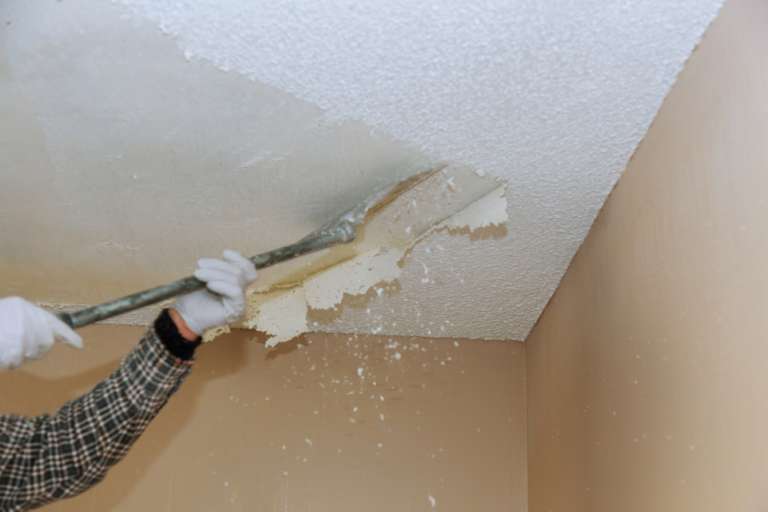
    The tools you use can make drywall removal either efficient or unnecessarily difficult. A utility knife, pry bar, hammer, and dust mask are essentials, but there are also specialized tools like drywall saws and oscillating multi-tools that make the job faster. Having a sturdy trash bin or debris bags ready is equally important, as drywall pieces pile up quickly.

    Safety gear should never be overlooked. Gloves protect your hands from sharp edges, while goggles shield your eyes from flying debris. The right tools and protective gear not only speed up the process but also reduce risks of injury. Investing in the right equipment makes drywall removal more precise and less stressful. With reliable tools, each cut and pull becomes purposeful rather than chaotic, allowing you to stay in control of the project from start to finish.

    Safeguarding your health during drywall removal

    Drywall removal often produces a cloud of dust that contains fine particles capable of irritating your lungs, eyes, and skin. Health should be a top priority during this process, especially for homeowners tackling the project themselves. Wearing a high-quality respirator or dust mask is crucial for filtering out harmful particles. Goggles and gloves add another layer of protection.

    It’s also wise to take breaks in fresh air if you’re working in an enclosed space. Proper ventilation through windows or air purifiers helps reduce dust buildup. For those with respiratory conditions, hiring professionals may be the safer choice. Protecting your health ensures the project doesn’t leave lasting impacts on your wellbeing. By taking precautions, drywall removal becomes less of a hazard and more of a manageable renovation step. Safe practices keep you moving forward confidently as you transform your living space.

    Minimizing dust and debris during the process

    Dust control is one of the biggest challenges when removing drywall. Even small sections can create an overwhelming mess if not handled properly. Scoring drywall with a utility knife before breaking it down helps reduce random crumbling. Working in manageable sections rather than tearing down large sheets keeps dust levels lower.

    Keeping a shop vacuum nearby allows you to clean as you go, which prevents piles of dust from spreading further. Wetting down the surface lightly with a spray bottle can also help limit airborne particles. By controlling debris, you not only make cleanup easier but also keep your living environment healthier during the renovation. Managing dust at every stage transforms drywall removal from a chaotic task into a process that feels controlled and organized, reducing frustration and ensuring your home stays as comfortable as possible.

    Organizing debris for proper disposal

    Drywall generates a surprising amount of waste, and if you’re not prepared, the debris can pile up quickly. Sorting pieces into manageable stacks or bags helps keep the work area clear and safe. Avoid overfilling bags, as drywall dust adds weight that can make them difficult to carry.

    Local disposal regulations often require drywall to be separated from other types of construction debris. Staying organized from the beginning makes transportation and drop-off much simpler. Consider setting up designated zones for reusable pieces, recyclable materials, and trash. With a thoughtful system in place, cleanup becomes less overwhelming, and disposal feels like a smooth extension of the removal process. Organized debris management not only saves time but also helps ensure you stay compliant with disposal rules in your area.

    Understanding local drywall disposal regulations

    Drywall isn’t always accepted at regular waste facilities due to the potential for contaminants like asbestos in older materials. Before you start hauling debris, check your local regulations to avoid fines or complications. Many municipalities have designated sites or recycling programs specifically for drywall and other construction waste.

    Staying informed ensures you’re disposing of drywall in a responsible way. Some regions even require proof that hazardous testing was performed before drywall is accepted. Following these guidelines protects the environment and keeps your renovation project running smoothly. Understanding the rules ahead of time saves both time and stress, allowing you to plan accordingly. Responsible disposal is not only about compliance but also about contributing to sustainable waste management practices in your community.

    Considering recycling options for drywall

    Many homeowners are surprised to learn that drywall can often be recycled. The gypsum inside drywall can be repurposed for agricultural use, soil amendments, or even as a component in new drywall sheets. Recycling centers may accept clean, uncontaminated drywall, keeping it out of landfills.

    Separating recyclable pieces from non-recyclable ones takes a bit of extra effort but pays off in reducing environmental impact. By recycling, you’re not just clearing out waste; you’re giving materials a second life in a sustainable way. Recycling drywall supports circular economy practices, where resources are reused rather than discarded. It’s a meaningful choice that turns renovation debris into something beneficial, proving that even demolition can have a positive environmental impact. With recycling options available, drywall removal can align with your commitment to sustainable living.

    Knowing when to hire professional junk removal services

    While DIY drywall removal may seem appealing, it’s not always the most practical approach. Large projects create massive amounts of debris that can overwhelm homeowners quickly. Professional junk removal services bring experience, tools, and efficiency to the job, ensuring drywall is removed and disposed of responsibly.

    Hiring professionals also eliminates the stress of hauling heavy bags, navigating disposal regulations, and managing dust control on your own. They streamline the process, saving you time and energy so you can focus on the renovation itself. When the scale of drywall removal becomes too large to manage comfortably, calling in experts can make the difference between a chaotic project and a smooth, stress-free renovation. Professional junk removal ensures every step, from demolition to disposal, is handled safely and effectively.

    Combining drywall removal with other renovation cleanup

    Drywall removal is often just one part of a larger renovation project. When combined with other cleanup tasks, it can become overwhelming. Coordinating drywall removal with the disposal of old flooring, cabinetry, or appliances creates a more efficient process. Handling everything at once reduces repeated trips to disposal facilities and keeps the project on schedule.

    Bundling cleanup also makes it easier to stay organized. With a single strategy in place, waste is managed consistently, and your renovation space stays clear. Junk removal services can simplify this process by taking multiple types of debris at once. Managing drywall alongside other renovation waste ensures the project feels cohesive and streamlined rather than piecemeal. This holistic approach keeps renovation energy focused where it matters—on building your new, improved space—rather than being bogged down by lingering debris.

    Planning ahead to keep the project on schedule

    Renovations often run into delays, and drywall removal can be a hidden culprit if not planned properly. Dust cleanup, debris hauling, and disposal trips all take time, and failing to anticipate these tasks can push back project deadlines. Planning drywall removal into your renovation timeline ensures it doesn’t become a bottleneck.

    Set aside specific days for removal and disposal, allowing breathing room in your schedule for unexpected challenges. Whether you’re managing the process yourself or hiring professionals, planning ensures smoother transitions between demolition and rebuilding. Staying ahead of the timeline reduces stress and prevents costly delays. With careful planning, drywall removal fits seamlessly into the overall renovation, keeping your project on track and your vision within reach. Thoughtful scheduling turns drywall removal into a manageable task rather than an obstacle standing in the way of progress.

    Conclusion

    Drywall removal is a vital step in any home renovation, and when managed properly, it can make the difference between a stressful project and a smooth transformation. From preparation and dust control to recycling and professional support, every step matters in ensuring safety, efficiency, and environmental responsibility. Taking time to plan and manage drywall removal carefully keeps your renovation running smoothly while protecting your home and health.

    North Bay Junk Removal, located in Santa Rosa, CA, offers professional junk removal services that simplify drywall disposal and renovation cleanup. Their team provides efficient, eco-conscious solutions tailored to homeowners who want their projects handled responsibly. Whether tackling a full-scale remodel or a small upgrade, they help ensure that debris doesn’t derail progress. Call 707-478-6817 today for expert junk removal services. Choosing North Bay Junk Removal means choosing a partner dedicated to making renovations easier, cleaner, and more sustainable from start to finish.

  • How Drywall Removal Affects Home Renovations

    How Drywall Removal Affects Home Renovations

    When homeowners imagine a renovation, they often picture fresh paint, new flooring, or updated fixtures. Yet one step that quietly shapes the entire process is drywall removal. Taking down drywall might seem like a simple task, but it has ripple effects on design, budget, and overall construction plans. Whether revealing hidden structural issues or clearing the way for new layouts, drywall removal is more than just demolition—it is preparation. Without this step, many renovations cannot move forward effectively. Understanding its role ensures smoother projects and better long-term outcomes for any home improvement plan.

    Preparing the space before drywall comes down

    Preparation plays a critical role in any drywall removal project. Before even touching a tool, it’s important to clear the space of furniture, fixtures, and personal items. Dust and debris are inevitable during demolition, and protecting valuable belongings avoids costly accidents. Setting up plastic barriers or sealing off entryways helps limit the spread of dust into other parts of the home, keeping the rest of the space livable during renovation.

    Another aspect of preparation involves addressing utilities. Electrical wiring, plumbing, and insulation often sit directly behind drywall. Identifying these systems in advance reduces the risk of damaging them during removal. By cutting power or shutting off water to the area, homeowners and contractors create a safer environment for the work. Proper preparation minimizes delays and ensures drywall removal progresses smoothly, setting the stage for the rest of the renovation to unfold without unnecessary complications.

    Revealing hidden structural concerns

    Drywall removal has a way of uncovering issues that no one expected. Behind those walls, homeowners may discover cracked studs, termite damage, or even mold growth. Left unnoticed, these problems can compromise safety and delay the renovation process. By taking down drywall, these concerns come to light early enough to address them properly before new construction begins.

    Sometimes the issues are small, like minor insulation gaps or wiring that isn’t up to code. Other times, they reveal larger challenges that require significant repair. Although these discoveries may initially seem like setbacks, they ultimately save money and stress in the long run. Repairing hidden problems before building over them ensures a more stable and lasting renovation. In this way, drywall removal functions as a diagnostic tool, giving homeowners and contractors a clear view of what truly lies beneath the surface of the home.

    Improving design flexibility during renovations

    Once drywall is removed, possibilities for design expand dramatically. The empty wall frames create a blank canvas, allowing homeowners to visualize new layouts or open-concept spaces. This stage is often when creativity flourishes, as it becomes easier to reimagine a room’s function without barriers in the way. Whether it’s combining two smaller rooms or opening a kitchen to a living area, drywall removal clears the path for these transformations.

    Beyond layout changes, drywall removal also enables updates to lighting or storage solutions. Adding recessed lighting, built-in shelving, or custom niches is far easier when the framework is exposed. By seeing the structure beneath, homeowners gain greater control over the design process. Rather than working around what already exists, they can shape the space to better fit their needs. This freedom is one of the biggest advantages of including drywall removal in renovation projects.

    Managing debris and waste responsibly

    Demolition generates a surprising amount of waste, and drywall is no exception. Sheets of gypsum, piles of dust, and leftover nails or screws can quickly overwhelm a renovation site if not handled properly. Effective waste management is key to keeping the project safe, efficient, and environmentally responsible. Bagging debris in smaller, manageable amounts helps maintain order and reduces safety hazards in high-traffic areas.

    Disposal also requires careful planning. Many regions have specific guidelines for handling construction materials, and drywall often cannot be mixed with general household trash. Partnering with a professional service ensures that materials are removed responsibly, sometimes even recycled where facilities exist. By managing drywall debris effectively, homeowners protect the environment while keeping their renovation on track. This behind-the-scenes step is essential, though it often goes unnoticed compared to the more visible parts of remodeling.

    The impact on electrical and plumbing updates

    Removing drywall opens access to a home’s most important systems. Wiring and plumbing are often hidden within walls, and their condition can only be properly evaluated once the drywall is gone. This step creates the perfect opportunity to upgrade outdated wiring, add new outlets, or reroute plumbing lines for modern appliances. Without removing drywall, these improvements would be far more difficult or even impossible to achieve.

    In addition to upgrades, drywall removal makes inspections easier for contractors. Identifying code violations or faulty installations early prevents major issues down the road. Renovations that incorporate new kitchens, bathrooms, or home offices especially benefit from this accessibility. By addressing electrical and plumbing needs during this stage, homeowners avoid future tear-downs and save on additional labor costs. In this way, drywall removal supports both immediate design goals and long-term functionality.

    Addressing safety during the removal process

    Drywall removal is not as harmless as it might appear. The process releases fine dust that can irritate lungs and skin, particularly for those with allergies or respiratory conditions. Safety equipment such as masks, goggles, and gloves becomes essential. Containing the dust with plastic sheeting and ensuring proper ventilation protects not only workers but also anyone else in the home.

    Beyond dust, there are physical risks involved. Nails, sharp edges, or hidden wires can cause injuries if not handled carefully. Professional crews are trained to navigate these hazards efficiently, but even DIY enthusiasts must approach the task with caution. By prioritizing safety during drywall removal, homeowners protect themselves and prevent accidents that could halt the renovation entirely. It’s a reminder that even seemingly simple demolition requires respect for the risks involved.

    Saving money through efficient removal

    While drywall removal may seem like an added expense, efficient demolition can actually save money in the broader renovation process. Removing drywall carefully ensures minimal damage to studs and other structural elements, which reduces repair costs later. Taking time to protect existing materials also means less waste and fewer purchases of replacement supplies.

    Additionally, by revealing hidden issues early, drywall removal prevents costly surprises later in construction. Instead of discovering a problem after new finishes are installed, contractors can address it immediately, keeping the project on budget. In some cases, doing the removal yourself can reduce labor costs, though it requires time, effort, and safety precautions. Whether done personally or with professionals, efficient drywall removal ultimately streamlines the renovation process, turning a seemingly destructive step into one that delivers real financial benefits.

    Environmental benefits of recycling drywall

    Drywall is one of the most widely used materials in construction, but it often ends up in landfills after removal. Recycling drywall helps reduce waste while also contributing to sustainable building practices. The gypsum core can be processed and reused in new drywall production, soil amendments, or even cement manufacturing. By recycling, homeowners reduce their project’s environmental footprint while supporting the circular use of resources.

    Not all drywall can be recycled, particularly if it’s been exposed to moisture or contaminants. However, separating recyclable material from waste creates significant benefits. Professional junk removal services often have access to recycling facilities that handle drywall responsibly. Choosing this route transforms a waste-heavy step into an eco-conscious decision. For homeowners interested in greener renovations, recycling drywall is a small but meaningful way to align projects with environmental values.

    Professional removal versus do it yourself

    The decision between professional drywall removal and DIY depends on budget, time, and skill level. For small projects, homeowners may choose to tackle removal themselves, saving on labor costs. However, it’s a demanding job that produces heavy dust and requires careful handling to avoid damaging surrounding structures. Without proper preparation, a DIY approach can quickly become overwhelming.

    Professional services bring efficiency, safety, and disposal expertise. Crews have the tools and experience to remove drywall cleanly, minimize dust spread, and handle waste responsibly. While hiring professionals involves upfront costs, it often saves time and ensures a smoother renovation overall. The choice ultimately rests on the scale of the project and personal comfort with labor-intensive tasks. For many, the convenience and reliability of professional services outweigh the challenges of attempting drywall removal alone.

    Timing drywall removal within renovation plans

    The sequence of steps in a renovation matters, and drywall removal is no exception. It typically occurs early in the process, right after initial planning and before major installations. Removing drywall too soon can leave a home exposed to dust and disruption, while waiting too long can delay essential updates to wiring or plumbing. Proper timing keeps the project moving in a logical, efficient order.

    Contractors often use this stage to coordinate inspections, install updated systems, and prepare the framework for new materials. Once the drywall is gone, the skeleton of the room is revealed, creating the foundation for the renovation to progress. Strategic timing avoids unnecessary backtracking and ensures each step builds smoothly on the last. For homeowners, understanding this sequence provides clarity about why drywall removal is such a pivotal stage in the larger renovation journey.

    Conclusion

    Drywall removal shapes home renovations in more ways than most homeowners realize. It not only clears the way for design changes but also uncovers hidden problems, improves access to essential systems, and ensures safety and efficiency throughout the process. By managing debris responsibly and considering environmental recycling options, the removal step also reflects a commitment to sustainability. Whether done professionally or on a smaller scale by homeowners themselves, drywall removal remains a crucial foundation for successful remodeling.

    North Bay Junk Removal, located in Santa Rosa, CA, offers expert drywall removal and junk removal services that simplify the renovation process. With a skilled team, they handle demolition safely, manage waste responsibly, and help homeowners prepare for the next stage of their projects. To schedule professional assistance, call 707-478-6817. Choosing North Bay Junk Removal ensures that this essential step is handled with care, efficiency, and respect for both your home and the environment.

  • Drywall Removal How to Prepare Your Home

    Drywall Removal How to Prepare Your Home

    Home renovations often begin with removing old materials, and drywall removal is one of those steps that seems simple but actually requires careful planning. It’s more than just tearing into walls; it involves preparing your home, organizing the space, and knowing how to handle the mess that follows. Proper preparation ensures that the project runs smoothly, reduces the chance of unnecessary damage, and keeps cleanup manageable. By thinking ahead, homeowners can save time, protect their belongings, and maintain a safer environment during demolition. With the right strategy, drywall removal becomes less overwhelming and far more efficient.

    Clearing the room before drywall removal

    The first step in preparing for drywall removal is creating a clear and open space. Furniture, decorations, and personal items should all be relocated to prevent damage and allow workers—or yourself—room to move freely. Even small items left behind can collect dust and debris, so it’s best to empty the area as completely as possible. This ensures that nothing important gets ruined in the process.

    Once the room is cleared, it’s easier to visualize the work ahead. Open space also allows you to set up tools and protective materials without crowding. Having a clutter-free environment reduces frustration and helps the demolition move forward at a steady pace. Think of this step as resetting the room so it’s ready for transformation, where the only focus is the drywall itself and the changes you’re about to create.

    Protecting surfaces and flooring

    Drywall removal is messy, and without proper protection, your floors and fixtures can take the brunt of the damage. Plastic sheeting, tarps, or heavy drop cloths should be laid down before any cutting or pulling begins. This barrier prevents dust and sharp fragments from scratching hardwood, staining carpets, or damaging tile. Covering light fixtures and vents also keeps them from filling with debris.

    Beyond shielding from dust, surface protection helps streamline cleanup. Instead of sweeping endlessly or dealing with particles embedded in carpet fibers, most of the mess can be gathered by folding up the protective layers. Investing time in this step reduces stress later, making it easier to restore your home once demolition ends. Taking a preventative approach means you’re not just tearing down walls—you’re preserving the rest of your space in the process.

    Gathering the proper tools

    A successful drywall removal project requires the right set of tools. Common essentials include utility knives, pry bars, and hammers for loosening and cutting sections. For larger projects, power tools like reciprocating saws or drills may be needed to tackle tougher areas or to handle sections attached with stubborn fasteners. Each tool plays a role, and choosing the correct ones ensures efficiency.

    Equally important is safety gear. Dust masks, gloves, and safety goggles are necessary for protecting yourself during the process. Drywall dust can irritate the lungs, while sharp edges from nails and broken boards can cause injury. Having tools and gear ready before starting avoids interruptions and helps keep the project moving smoothly. Preparation on the front end translates into faster, safer work once the removal begins, giving you confidence that the job is being handled properly.

    Shutting off utilities before demolition

    Behind drywall often lies electrical wiring, plumbing, or gas lines, and these hidden systems can turn demolition into a dangerous job if not handled carefully. Before removing any section, it’s critical to shut off power to the room at the breaker. This reduces the chance of accidental electrocution or damage to wiring. Similarly, identifying plumbing lines prevents water leaks that could ruin floors and walls.

    This step may feel inconvenient, but it’s one of the most important safety measures you can take. By disabling utilities in advance, you create a controlled environment where the only focus is on the drywall itself. It also reduces the likelihood of costly repairs caused by accidental hits. A cautious approach ensures peace of mind, letting you proceed with demolition knowing that hidden hazards have been managed effectively.

    Minimizing dust and debris spread

    One of the biggest challenges of drywall removal is the fine dust it produces, which can travel throughout the home if left unchecked. To minimize spread, seal off doorways and vents with plastic sheeting and painter’s tape. This containment keeps dust limited to the work area and prevents it from circulating into other living spaces.

    Additionally, consider using a shop vacuum with a HEPA filter during the process. This helps capture airborne particles as you work, reducing cleanup later. Dust management not only protects your home but also improves air quality for everyone inside. By actively containing debris, you ensure the mess remains manageable and doesn’t create long-term issues. Small steps taken early make the final cleanup much easier and prevent frustration after the demolition is finished.

    Planning for debris disposal

    Drywall removal generates large amounts of bulky debris, and planning ahead for disposal is crucial. Renting a dumpster or scheduling a pickup service prevents waste from piling up in your yard or driveway. Smaller projects might only require heavy-duty trash bags, but large renovations often need more comprehensive solutions.

    A disposal plan ensures demolition doesn’t stall midway through because of clutter. Organizing where the waste will go also helps maintain safety around the work area, since loose debris can create tripping hazards. Some drywall materials may even be recyclable, depending on local regulations. By handling disposal thoughtfully, the project remains efficient and eco-friendly. This preparation step ties the entire process together, transforming what could feel overwhelming into an organized system from start to finish.

    Working in manageable sections

    Attempting to tear down an entire wall in one go can lead to chaos. A smarter approach is to remove drywall in smaller, controlled sections. Cutting manageable panels and taking them down piece by piece not only makes handling easier but also prevents unnecessary damage to the framing or studs underneath.

    This method creates order during what might otherwise feel like disorderly work. By breaking the project into smaller parts, you keep progress steady while maintaining a clear view of what lies behind the wall. If wiring or pipes appear, working in sections makes it easier to stop and adjust. Controlled removal ensures safety, efficiency, and less stress, allowing the project to stay on track without overwhelming you. It’s a patient, practical strategy that keeps the big picture in mind while handling the details.

    Staying mindful of structural elements

    Not all walls are created equal, and some drywall may be attached to load-bearing structures. Removing drywall without awareness of what’s behind it can compromise safety or interfere with the home’s integrity. Understanding which walls are purely cosmetic and which contribute to the building’s structure ensures the work is handled correctly.

    Homeowners unfamiliar with identifying these elements may benefit from professional guidance before proceeding. Taking time to learn about framing, studs, and supports makes the demolition process more secure. By staying mindful of structural considerations, you prevent unintentional mistakes that could lead to costly repairs. This awareness underscores the importance of preparation, reminding you that drywall removal isn’t just about aesthetics—it’s also about respecting the home’s foundation and ensuring improvements are built on a safe, stable base.

    Considering professional assistance

    While drywall removal can be a do-it-yourself project, it’s not always the simplest option. Professionals bring efficiency, experience, and equipment that make the process faster and safer. They know how to navigate hidden obstacles, handle debris, and minimize damage to surrounding areas. Hiring experts can save both time and stress, particularly for large-scale renovations.

    For homeowners unfamiliar with demolition or pressed for time, professional help ensures peace of mind. Instead of wrestling with dust, disposal, and potential hazards, you can rely on trained crews to manage the project from start to finish. Choosing professional assistance doesn’t mean you lose control—it means you gain support that makes your home improvement smoother and more successful. For many, it’s the most practical way to approach drywall removal, especially when paired with broader renovation plans.

    Restoring the space after drywall removal

    Once the drywall is down and debris cleared, attention shifts to restoring the room. This includes inspecting studs, wiring, and insulation to ensure they’re in good condition before moving forward with new installations. Any imperfections can be corrected at this stage, setting a strong foundation for the next phase of renovation.

    Restoration also involves thorough cleaning to eliminate lingering dust. Wiping down surfaces, vacuuming floors, and ventilating the area ensures the space is ready for its transformation. This stage is where preparation pays off—the more carefully you managed protection and debris, the easier it is to restore order. Once complete, the room no longer feels like a construction zone but a clean slate waiting for the improvements that follow.

    Conclusion

    Preparing for drywall removal is not just about taking down walls—it’s about creating a plan that makes the process efficient, safe, and manageable. By clearing rooms, protecting surfaces, shutting off utilities, and organizing disposal, homeowners reduce risks and streamline the work. Each step, from dust control to structural awareness, ensures the project unfolds smoothly without unexpected setbacks. While do-it-yourself methods work for some, professional help often makes the experience faster and more effective. For those ready to take the next step in demolition or cleanup, North Bay Junk Removal provides trusted support. Based in Santa Rosa, CA, their team offers reliable junk removal services to make even the toughest projects easier. With careful planning and expert assistance, drywall removal becomes less stressful and far more rewarding. To schedule assistance, call 707-478-6817 and take the first step toward transforming your home today.

  • Why Drywall Removal Is Often the Best Option for Your Home

    Why Drywall Removal Is Often the Best Option for Your Home

    When drywall ages, it rarely does so gracefully. Cracks spread, water stains appear, and patches of mold can begin to compromise the safety and look of a home. While small repairs may provide temporary relief, sometimes the only way forward is a complete removal. Replacing drywall creates an opportunity to refresh not only the walls themselves but also the entire atmosphere of the space. Beyond aesthetics, drywall removal often reveals hidden structural problems that can be corrected before they escalate. By addressing these issues directly, homeowners gain peace of mind and a cleaner, healthier living environment.

    Creating space for structural improvements

    Drywall often acts as a barrier, concealing the hidden systems of your home such as wiring, plumbing, and insulation. When walls are left untouched for years, outdated materials can remain unnoticed behind them. By removing drywall, homeowners gain access to these areas, creating the opportunity to upgrade electrical systems, replace aging pipes, or improve insulation quality. These improvements not only modernize the home but also increase efficiency and safety.

    Furthermore, drywall removal allows contractors to evaluate the structural condition of studs, beams, and supporting walls. Over time, wood may weaken due to pests, water exposure, or simple aging. Without removal, these issues can remain hidden until major damage occurs. Addressing structural concerns while the walls are open ensures long-term stability. This makes drywall removal not just a cosmetic upgrade, but a smart step in preserving the home’s overall integrity.

    Addressing hidden mold and water damage

    Water damage is one of the most common reasons homeowners choose drywall removal. Even small leaks can spread moisture behind walls, creating the perfect environment for mold. While surface stains may appear harmless, the real problem often lies deeper inside. Removing drywall exposes these hidden areas, allowing for thorough cleaning, drying, and replacement before the problem escalates into a serious health hazard.

    Mold growth can contribute to poor air quality and trigger allergies or respiratory issues. Left unchecked, it spreads quickly through porous materials like drywall. By replacing sections rather than attempting to repair them, you eliminate the root of the issue and restore a safer environment. Addressing water-damaged walls early can also prevent costly structural repairs in the future. Drywall removal becomes a proactive measure that stops damage at its source while giving your home a renewed sense of cleanliness and security.

    Improving indoor air quality

    Walls play a larger role in air quality than many homeowners realize. Old drywall can harbor dust, mildew, and lingering odors that slowly affect the overall atmosphere of your home. In cases where paint is peeling or stains have set in, removal and replacement can refresh the entire environment. Clean, new drywall removes contaminants and creates a healthier foundation for living.

    Air circulation also benefits when insulation behind the drywall is updated during the process. Old insulation may trap allergens, pests, or moisture that impact your comfort. Replacing it while the walls are exposed ensures your home feels fresher and more breathable. For families with children or individuals with allergies, these improvements can make a noticeable difference. Drywall removal, therefore, goes beyond appearances—it directly impacts the health and comfort of everyone in the household.

    Enhancing energy efficiency

    Energy efficiency often starts behind the walls. If your home feels drafty or heating and cooling bills seem unusually high, poor insulation may be to blame. Removing drywall creates an opportunity to install updated insulation that regulates indoor temperatures more effectively. With modern materials, homeowners can reduce energy waste and save money over time.

    Additionally, drywall removal allows for inspection of air leaks around electrical outlets, windows, and door frames. These small gaps can significantly impact energy use when left unaddressed. Sealing them during the removal process ensures that the home operates more efficiently. By combining better insulation with tighter seals, homeowners experience improved comfort throughout the year. This makes drywall removal a practical choice for those looking to upgrade not only appearance but also long-term performance.

    Updating outdated wall materials

    Many older homes still contain drywall installed decades ago, which may not meet current standards for safety or durability. In some cases, older materials can even contain harmful substances that are no longer considered safe. Removing outdated drywall provides peace of mind, ensuring your home is built with modern, reliable components. This upgrade can be especially important for families planning long-term residency.

    Beyond safety, newer drywall products also offer better soundproofing and resistance to wear. If your walls show signs of cracking, chipping, or staining, replacement ensures a cleaner and more uniform appearance. Fresh walls not only improve the feel of each room but also create a stronger base for paint, wallpaper, or other finishes. By updating the core structure of your home’s walls, you make the space more functional and visually appealing at the same time.

    Increasing property value

    Potential buyers notice the condition of walls almost immediately when touring a home. Cracks, water stains, or warped drywall create an impression of neglect that can lower the property’s appeal. By removing and replacing damaged drywall, homeowners present a cleaner, well-maintained appearance that strengthens resale value. A fresh finish sends the message that the home has been properly cared for.

    In addition, updated walls allow buyers to see a blank canvas for their own style. Instead of worrying about repairs, they can focus on imagining their future in the space. This often translates into stronger offers and quicker sales. Drywall removal is an investment that goes beyond personal enjoyment—it positions your property competitively in the market. For those considering selling, the decision to remove and replace drywall can have a direct impact on financial return.

    Simplifying renovation projects

    Home renovations often require more than just surface updates. When planning to remodel kitchens, bathrooms, or living areas, drywall removal is frequently the first step. It provides access to wiring, plumbing, and framework, all of which may need adjustments to support a new design. Attempting to work around existing drywall can complicate the process and increase costs.

    By starting fresh, contractors gain clear access to essential systems, making the renovation more efficient. Whether you are adding recessed lighting, moving outlets, or expanding space, open walls provide the flexibility needed for modern upgrades. Demolition may feel like a large step, but it ultimately saves time by preventing delays during construction. Choosing drywall removal as part of your renovation strategy ensures smoother progress and results that fully align with your vision.

    Preventing recurring repair cycles

    Small cracks or holes in drywall may seem easy to fix, but repeated patching often leads to a cycle of repairs that never fully resolve underlying issues. Problems like moisture damage, structural shifting, or poor installation can cause repairs to fail quickly. By removing entire sections of drywall, you eliminate these recurring frustrations and address the core problem.

    A full replacement ensures consistency across the entire wall surface. Instead of mismatched textures and patches, the result is a seamless appearance that lasts longer. This approach also reduces the likelihood of future maintenance costs. Rather than investing time and money in constant fixes, homeowners gain long-term stability. Drywall removal may appear more demanding initially, but it often proves to be the most efficient and cost-effective choice for lasting results.

    Improving design flexibility

    Homeowners looking to modernize their interiors often find drywall removal opens creative possibilities. Without outdated walls in the way, you can explore new layouts, open concepts, or architectural features such as arches or built-ins. Old drywall limits design freedom by locking in existing shapes and structures. Removing it resets the canvas for fresh ideas.

    New drywall also allows you to experiment with textures, finishes, and colors more effectively. With a smooth, even surface, decorative choices stand out and create the aesthetic you envision. Whether aiming for a sleek, contemporary style or a cozy, traditional atmosphere, drywall replacement supports your creative goals. This flexibility gives homeowners the chance to truly personalize their spaces while enjoying the benefits of modern, sturdy materials.

    Supporting a healthier home environment

    Drywall removal often contributes to overall household well-being. Old or damaged walls can harbor allergens, pests, or lingering moisture, all of which compromise a healthy home. Replacing them eliminates these issues, creating a cleaner environment for daily living. For families, especially those with young children or elderly members, this improvement can make a meaningful difference.

    Health considerations extend to mental comfort as well. Living with cracked, stained, or unstable walls creates subtle stress over time. By addressing these problems directly, homeowners not only improve physical health but also gain peace of mind. The home feels safer, fresher, and more inviting. In this way, drywall removal is not simply a construction task—it becomes an act of care for both the property and the people who live within it.

    Conclusion

    Choosing drywall removal often goes beyond cosmetic improvement. It is a decision that enhances safety, reveals hidden issues, and creates opportunities for better energy efficiency, air quality, and design flexibility. By addressing walls at their foundation, homeowners set the stage for a healthier, more comfortable, and more valuable property. Rather than relying on temporary repairs, removal offers a lasting solution that supports both daily living and long-term goals.

    For those seeking professional assistance, North Bay Junk Removal provides reliable services to make the process seamless. Located in Santa Rosa, CA, their team specializes in efficient junk removal, ensuring drywall and other debris are handled with care. With the right equipment and expertise, they transform challenging projects into stress-free experiences. If you are ready to revitalize your home with drywall removal, contact North Bay Junk Removal today at 707-478-6817 and take the first step toward a cleaner, stronger living space.

  • Drywall Removal How It Fits Into Your Home Renovation Plan

    Drywall Removal How It Fits Into Your Home Renovation Plan

    Every home renovation project begins with decisions that shape the outcome, and one of the most overlooked yet vital steps is drywall removal. While it may seem like a straightforward task, taking down drywall opens the door to a range of opportunities for redesigning your home. It is not just about tearing down walls—it’s about creating access, revealing hidden issues, and preparing the space for the improvements you envision. Without this stage, updates often remain surface-level rather than transformative.

    Proper drywall removal lays the foundation for modern living spaces that are functional, safe, and attractive. Whether you are expanding a room, upgrading electrical systems, or reimagining your layout, removing drywall clears the way for possibility. Far from being a minor detail, it sets the tone for the entire renovation journey. 

    Revealing hidden opportunities behind drywall

    When drywall is removed, what lies beneath often surprises homeowners. Beneath the clean finish are pipes, wires, and structural components that tell the story of how the house was built. This stage uncovers opportunities that might not have been considered during initial planning. Relocating outlets, rerouting plumbing, or reinforcing framing becomes far easier once the drywall is out of the way.

    Beyond technical adjustments, the demolition process also sparks new ideas. A wall you assumed was immovable may reveal itself to be non-load-bearing, opening up possibilities for open concepts or creative storage solutions. Removing drywall provides a realistic view of the home’s framework, helping you envision what could be changed and what must remain. 

    Preparing for system upgrades during renovation

    Drywall removal creates essential access for upgrading the systems that make a home comfortable and safe. Electrical wiring, plumbing, and insulation all sit behind those flat surfaces, hidden until renovation work begins. Once exposed, professionals can assess whether these systems meet modern standards or if upgrades are needed. Without drywall removal, adding circuits for new appliances or improving insulation efficiency would be far more difficult.

    This process is especially valuable in older homes where outdated systems might no longer meet safety codes. Bringing wiring and plumbing up to date enhances both convenience and safety. Even small changes, such as adding new lighting or updating water lines, become much simpler when drywall is removed. By addressing these upgrades early, you prevent future issues from undermining the beauty and functionality of your finished renovation.

    Making space for layout transformations

    Homeowners often dream of open layouts or reimagined spaces, but achieving that vision requires a blank slate. Removing drywall creates this foundation by stripping away barriers that divide rooms or conceal structural elements. Suddenly, what once felt cramped can be re-envisioned as a fluid, interconnected area. This step paves the way for modern floor plans that prioritize openness, light, and movement.

    By removing walls covered in drywall, you gain insight into which areas can be altered without jeopardizing structural integrity. This awareness allows for practical decisions about expanding living areas, combining rooms, or even carving out new functional spaces like home offices or pantries. Layout transformation begins with the courage to dismantle what no longer works. 

    Addressing moisture and insulation concerns

    Drywall often conceals problems that silently affect comfort and health. Moisture damage, mold growth, or inadequate insulation may go unnoticed until walls are opened during renovation. Removing drywall brings these hidden issues into view, providing an opportunity to address them before they worsen. What initially appears to be cosmetic work becomes a critical step in protecting both the structure and the household’s well-being.

    Insulation improvements are particularly impactful once drywall is removed. Upgrading to modern, energy-efficient insulation reduces heating and cooling costs while creating a more consistent indoor climate. Likewise, resolving moisture problems at this stage prevents future damage that could compromise the entire renovation. While drywall removal might seem like an extra step, it is often the key to ensuring your renovation results in a home that is not only beautiful but also healthier and more energy-efficient for years to come.

    Enhancing structural integrity and safety

    Renovations are not only about appearance—they also present an opportunity to strengthen the home itself. By removing drywall, contractors gain direct access to framing, beams, and other structural components. This visibility makes it possible to reinforce weak spots, repair damage, or make adjustments to better support the new layout. Safety becomes a built-in benefit of demolition, ensuring that your renovation rests on a strong foundation.

    Uncovering these details early prevents costly setbacks later. Discovering compromised wood or unstable framing after finishing work has begun can derail a project. Addressing them during the drywall removal stage saves time and resources while giving you peace of mind. Knowing that your renovation is supported by solid construction enhances both value and safety. Far from being an inconvenience, drywall removal is a proactive step that ensures the transformation of your space is both secure and lasting.

    Allowing creativity in design possibilities

    With drywall out of the way, design potential expands dramatically. The once flat, uniform surfaces now become opportunities for new textures, built-in features, or reconfigured spaces. Demolition reveals the raw bones of your home, which designers and homeowners can then shape into something more expressive and tailored. Removing drywall creates flexibility that rigid layouts often suppress.

    Imagine discovering the chance to add recessed shelving, install custom lighting, or create dramatic architectural details like archways. These creative touches rarely happen without first clearing out existing drywall. By starting with an open canvas, you allow inspiration to flow freely, unburdened by the limitations of what was already there. In this sense, drywall removal is as much about possibility as practicality, sparking ideas that make your renovation personal. It’s the difference between settling for standard upgrades and creating a home that reflects your individuality.

    Improving efficiency in renovation workflow

    Renovation projects often involve multiple contractors—plumbers, electricians, and carpenters—all working within the same timeline. Drywall removal streamlines their workflow by giving each trade easier access to the areas they need to work on. Without barriers in place, tasks that would have been complicated and time-consuming can be completed more efficiently, saving both time and labor costs.

    This efficiency doesn’t just benefit contractors. Homeowners also enjoy shorter project timelines and fewer disruptions to daily life. A renovation that might have dragged on for weeks can be completed more smoothly when everyone has the access they need. Demolition may seem like a small piece of the process, but it often sets the tone for how efficiently the rest of the renovation unfolds. Removing drywall, therefore, is not simply a matter of clearing space—it’s a smart way to accelerate the entire project’s progress.

    Increasing property value through modernization

    Buyers consistently rank updated kitchens and modern layouts as top priorities, and drywall removal is a step toward achieving those goals. By clearing away old walls and creating opportunities for upgrades, you make your home more appealing in today’s market. Fresh finishes, updated systems, and open designs stand out to potential buyers, often translating into higher resale value.

    Even if selling isn’t in your immediate plans, drywall removal contributes to a more future-ready home. It allows for upgrades that keep the property competitive with newer builds, ensuring your investment holds strong over time. Rather than viewing it as a temporary inconvenience, homeowners can see drywall removal as an essential step in long-term value creation. 

    Supporting sustainability through recycling materials

    Drywall removal doesn’t have to mean excessive waste. Many of the materials removed can be recycled or repurposed, supporting eco-friendly renovation practices. Recycling drywall reduces landfill waste and allows gypsum to be reused in new construction or agricultural applications. When handled thoughtfully, demolition becomes a step toward sustainability rather than a source of waste.

    Choosing to recycle also aligns with broader renovation goals of creating an efficient, environmentally conscious home. By pairing drywall removal with responsible disposal methods, homeowners take part in reducing environmental impact while still enjoying the benefits of modernization. Sustainability in renovation doesn’t just come from new energy-efficient appliances or insulation—it begins with how old materials are handled. 

    Creating a fresh start for your renovation vision

    Every renovation carries with it a vision for change, and drywall removal embodies the beginning of that journey. Clearing out the old prepares both the home and the homeowner for a transformation that feels complete rather than superficial. The clean slate encourages bold thinking, whether that’s reimagining a cramped room as a spacious haven or addressing problems that have lingered for years.

    With each wall taken down, possibilities grow. Removing drywall isn’t glamorous, but it is deeply symbolic—it’s the shedding of what no longer works to make room for what will. For homeowners eager to see their renovation vision realized, this stage sets the momentum for everything that follows. The excitement lies not in the dust or debris but in knowing that each step forward builds upon a foundation of openness and potential. Drywall removal is, in many ways, the spark that ignites transformation.

    Conclusion

    Drywall removal is more than just a preliminary step—it is the foundation that makes renovation possible. By revealing hidden opportunities, allowing access for upgrades, and preparing your home for new layouts, it shapes the entire outcome of a project. This stage also ensures that moisture problems, insulation gaps, or structural issues are resolved before they becme bigger concerns. With walls cleared, creativity flows more freely, timelines run more smoothly, and property value gains long-term benefits. For those aiming to create a functional, beautiful, and lasting renovation, drywall removal is where the transformation begins.

    When it comes to managing debris and ensuring the process remains hassle-free, professional help makes all the difference. North Bay Junk Removal in Santa Rosa, CA, provides dependable junk removal services tailored to home renovation needs. With experience in clearing materials quickly and responsibly, they help projects move forward efficiently. To simplify your next renovation, call 707-478-6817 for reliable junk removal services.

  • How to Safely Handle Drywall Removal and Disposal

    How to Safely Handle Drywall Removal and Disposal

    Removing and disposing of drywall may seem straightforward, but it involves more than just tearing down walls. Proper handling ensures safety, compliance with regulations, and minimal environmental impact. Here’s a comprehensive guide to help you navigate the process responsibly.

    Understand Local Regulations Before Starting

    Before embarking on drywall removal, it’s crucial to familiarize yourself with local disposal regulations. Rules can vary significantly by location, and non-compliance may result in fines or other penalties. For instance, some municipalities may require drywall to be separated from other construction debris, while others may have specific guidelines for handling materials containing hazardous substances like asbestos.

    To avoid potential issues, contact your local waste management authority to inquire about their policies on drywall disposal. They can provide information on accepted disposal methods, designated drop-off locations, and any necessary preparation steps. Adhering to these regulations not only ensures legal compliance but also promotes responsible waste management practices.

    Prioritize Safety During Removal

    Safety should always be your top priority when removing drywall. The process can generate dust and debris, posing risks to your health and safety. To mitigate these hazards, equip yourself with appropriate personal protective equipment (PPE), including safety goggles, a dust mask, and gloves. These items will protect your eyes, respiratory system, and hands from potential injuries.

    Additionally, take precautions to prevent accidental damage to underlying structures. Before cutting or prying drywall, inspect the area for hidden electrical wires, plumbing pipes, or other utilities. Using a stud finder can help identify studs and avoid cutting into wires or pipes. By taking these safety measures, you can reduce the risk of accidents and ensure a safer demolition process.

    Prepare Drywall for Disposal

    Proper preparation of drywall before disposal is essential for both safety and environmental reasons. Begin by removing any nails, screws, or other fasteners from the drywall. This step not only makes the material easier to handle but also reduces the risk of injury during transport and disposal.

    Next, consider breaking down large sheets of drywall into smaller, manageable pieces. This can be achieved using a utility knife or drywall saw. Smaller pieces are easier to transport and may be more readily accepted at disposal facilities. Additionally, check with your local waste management facility to determine if they have specific requirements for drywall preparation, such as bagging or bundling the material.

    Drywall Removal

    Explore Recycling Options

    Recycling drywall is an environmentally friendly option that helps reduce landfill waste. Many recycling centers accept clean, uncontaminated drywall, which can be repurposed into new products like soil amendments or cement additives. Before heading to a recycling facility, contact them to confirm they accept drywall and inquire about any preparation requirements.

    To prepare drywall for recycling, remove any contaminants such as paint, joint compound, or adhesives. These substances can interfere with the recycling process and may render the material unacceptable. By ensuring your drywall is clean and free of contaminants, you contribute to a more sustainable waste management system.

    Consider Donation for Reuse

    If your drywall sheets are in good condition and free of significant damage, consider donating them for reuse. Organizations like Habitat for Humanity often accept building materials for their construction projects. Donating usable drywall not only helps others but also keeps the material out of landfills.

    Before donating, verify that the organization accepts drywall and inquire about any specific requirements they may have. Some organizations may only accept drywall of certain sizes or conditions. By donating your drywall, you contribute to community development efforts and promote the reuse of building materials.

    Rent a Dumpster for Large Projects

    For extensive drywall removal projects, renting a dumpster can simplify the disposal process. A dumpster provides a centralized location for collecting debris, making cleanup more efficient. When selecting a dumpster, consider the size of your project and the volume of drywall to be disposed of.

    Ensure that the dumpster rental company accepts drywall and inquire about any specific guidelines or restrictions they may have. Some companies may have weight limits or require certain preparation steps. By renting a dumpster, you can streamline the disposal process and maintain a cleaner work environment.

    Handle Drywall Dust Responsibly

    Drywall removal generates dust, which can pose respiratory hazards if not managed properly. To minimize dust exposure, seal off the work area with plastic sheeting and use a box fan to direct dust outside. Wet sanding with a damp sponge or sanding screen can also help control dust levels.

    After completing the work, clean the area thoroughly to remove any residual dust. Use a vacuum equipped with a HEPA filter to capture fine particles. Regular cleaning and proper ventilation during the project can help maintain a healthier indoor environment and reduce the risk of respiratory issues.

    Dispose of Drywall Joint Compound Properly

    Drywall joint compound, or mud, should not be disposed of in regular trash due to its composition and potential environmental impact. Instead, allow the compound to dry completely, then dispose of it according to local hazardous waste guidelines. Some municipalities may offer special collection events for such materials.

    Before disposing of joint compound, check with your local waste management authority to determine the appropriate disposal method. They can provide information on designated drop-off locations and any necessary preparation steps. Proper disposal of joint compound ensures compliance with environmental regulations and promotes responsible waste management practices.

    Separate Drywall from Other Construction Debris

    When managing construction waste, it’s important to separate drywall from other materials. Mixing drywall with wood, insulation, or other debris can complicate recycling efforts and may violate local disposal regulations. Use clearly labeled bins or designated areas to keep drywall separate from other waste streams.

    By segregating drywall, you facilitate more efficient recycling and disposal processes. Additionally, adhering to separation guidelines helps ensure compliance with local regulations and promotes sustainable waste management practices.

    Hire Professional Junk Removal Services

    If the task of drywall removal and disposal seems overwhelming, consider hiring professional junk removal services. These experts have the experience and equipment to handle the job safely and efficiently. They can assist with demolition, debris removal, and proper disposal, saving you time and effort.

    When selecting a junk removal service, ensure they are licensed and insured. Verify that they adhere to local regulations and have a track record of responsible waste management. By hiring professionals, you can ensure that your drywall removal and disposal are handled in compliance with all applicable laws and best practices.

    Conclusion

    Properly handling drywall removal and disposal is essential for safety, legal compliance, and environmental responsibility. By understanding local regulations, prioritizing safety, preparing materials correctly, and exploring recycling and donation options, you can manage your drywall waste effectively.

    If you’re in Santa Rosa, CA, and need assistance with drywall removal and disposal, contact North Bay Junk Removal at 707-478-6817. Their team is licensed, insured, and experienced in handling all types of junk removal, including drywall. They offer affordable, professional services to make your cleanup process hassle-free. Reach out today to schedule a pickup or request a quote.

  • How Drywall Removal Affects Your Home’s Value

    How Drywall Removal Affects Your Home’s Value

    Understanding the Impact of Drywall Removal on Property Appearance

    Removing drywall in a home can dramatically alter the visual appeal of your interior spaces. Walls form the backbone of your home’s aesthetic, and stripping them away exposes the framework beneath. This raw view can feel unfinished and chaotic to potential buyers or appraisers. On the other hand, strategic drywall removal can open spaces, create an impression of larger rooms, or allow for remodeling that improves traffic flow. It’s a subtle dance between disruption and enhancement, where the timing and purpose of removal dictate whether your home gains or loses appeal.

    Additionally, drywall removal affects perceptions of maintenance and care. Exposed studs, insulation, and wiring might make the home appear neglected or under construction. Conversely, demonstrating that you are proactively upgrading infrastructure or correcting past issues can highlight diligence and foresight. In a market where buyers are drawn to well-maintained homes, understanding how exposed structures communicate your home’s condition is crucial. The balance between temporary disruption and long-term benefit is delicate and can influence the value significantly.

    How Structural Changes Affect Home Value

    Altering walls changes not only appearance but functionality. Removing drywall can expand living areas, create open-concept layouts, or enable the addition of modern amenities. Such modifications can attract buyers seeking contemporary, flexible spaces. However, poorly executed removal or damage during the process can signal neglect, potentially reducing perceived value. The intricacies of electrical work, plumbing, and insulation exposed during drywall removal require careful handling to avoid costly setbacks that detract from the home’s worth.

    Investors and homebuyers often weigh the potential of structural changes against the cost and effort required to finish renovations. Proper drywall removal, paired with professional planning and follow-up restoration, can transform underutilized spaces into selling points. Yet, if executed haphazardly, the process can diminish trust and appeal. Understanding the interaction between aesthetic changes and structural integrity is key to ensuring that drywall removal contributes positively rather than detracts from the overall market value of your property.

    Enhancing Natural Light and Space Perception

    Drywall removal can significantly influence the way light interacts with a home’s interior. Opening up walls can allow natural light to penetrate deeper, creating a sense of warmth and spaciousness. Buyers often equate well-lit, airy spaces with higher quality living environments, which can translate into stronger offers. Strategic openings in walls can redefine traffic flow and sightlines, giving the home a modern and inviting feel that resonates with contemporary design trends.

    However, the benefits depend on thoughtful execution. Randomly removing walls without considering structural implications or aesthetic balance can create a jarring visual experience. The perception of space, when manipulated with care, can enhance appeal and make smaller homes feel larger. Drywall removal is therefore not just about physical demolition but about designing an experience that optimizes light, movement, and visual harmony throughout the home.

    Addressing Repairs and Maintenance Issues

    Drywall removal provides a unique opportunity to address hidden issues such as mold, water damage, or outdated wiring. Exposing walls allows inspection and repair of problems that could compromise safety or reduce home value if left unnoticed. Buyers appreciate homes where potential hazards have been proactively managed, which can improve market competitiveness. Addressing these issues during drywall removal can be framed as a preventive investment rather than a disruption.

    Neglecting underlying issues during removal can be detrimental. Any discovered damage must be carefully documented and remedied to reassure buyers. Strategic planning ensures that the process strengthens the home’s structural integrity while also providing a clean slate for aesthetic upgrades. Drywall removal, when combined with thoughtful repair and enhancement, can therefore serve as a catalyst for long-term value growth.

    The Role of Professional Drywall Removal Services

    Hiring skilled professionals for drywall removal influences both safety and perceived quality. Professionals understand structural requirements, handle hazardous materials, and minimize unintended damage. Their involvement assures buyers that modifications were made responsibly, maintaining or potentially increasing home value. In contrast, DIY removal can result in uneven surfaces, exposed nails, or damage to supporting structures, which may discourage prospective buyers.

    Professional teams also streamline the cleanup process, preventing the mess associated with demolition from lingering and affecting the home’s presentation. A clean, well-managed removal shows care and foresight, signaling to buyers that the home has been treated with respect. This perception can subtly increase confidence in the property, making professional services a smart investment for both current enjoyment and resale potential.

    Financial Implications of Drywall Removal

    Drywall removal carries costs that can influence the overall financial outcome of home improvements. While it may increase value through enhanced space, light, and modernized layouts, the expenses for labor, disposal, and restoration must be weighed against expected returns. Overspending on removal without clear design or functional benefits can erode the perceived value advantage. Strategic budgeting ensures that investments in demolition translate into tangible improvements for resale.

    Moreover, homes that demonstrate thoughtful renovations often command higher prices, but erratic or incomplete projects can have the opposite effect. Understanding local market expectations and aligning drywall removal with buyer preferences is essential. Financial planning for demolition should include not only immediate costs but also the anticipated uplift in market value to ensure a positive return on investment.

    How Timing Influences Value

    The timing of drywall removal can impact the home’s value perception. Undertaking removal during an active renovation phase signals intentionality, whereas removal in isolation may suggest haphazard alterations. Coordinating demolition with other upgrades such as flooring, lighting, or kitchen remodeling can maximize the visual and functional impact, enhancing buyer appeal. Timing also affects the home’s market readiness, as prolonged exposure of structural elements can create a sense of incompleteness.

    Strategically scheduled drywall removal demonstrates a forward-looking approach to home improvement. By synchronizing removal with broader design plans, the process becomes part of a cohesive enhancement strategy rather than a disruptive event. Properly timed, this approach ensures that buyers encounter a polished, thoughtfully upgraded environment that emphasizes value and livability.

    Safety Considerations and Buyer Confidence

    Drywall removal exposes structural elements that may pose safety concerns if mishandled. Proper precautions, including protective gear and secure handling of materials, are essential to maintain both physical safety and buyer confidence. A home where removal has been managed carefully communicates responsibility and attention to detail, which can reassure potential buyers. Conversely, visible hazards or shoddy demolition can erode trust and reduce perceived value.

    Clear documentation of safe practices and adherence to local building codes can further enhance buyer perception. Buyers increasingly look for evidence that renovations were conducted responsibly, affecting not only safety but also insurance and financing considerations. Safety-conscious drywall removal therefore contributes to both tangible and intangible aspects of home value.

    Long-Term Benefits of Thoughtful Drywall Removal

    When executed strategically, drywall removal can provide long-term advantages. Open-concept layouts, upgraded insulation, and improved lighting contribute to comfort and energy efficiency, which are attractive features for prospective buyers. Homes that integrate structural improvements with aesthetic enhancements often stand out in competitive markets, potentially leading to higher offers and faster sales.

    Thoughtful drywall removal also allows homeowners to address legacy issues and modernize interiors without extensive reconstruction. The long-term perception of a well-maintained, modern home reinforces the property’s appeal and resale potential. A calculated approach to demolition ensures that the home benefits immediately from aesthetic improvements while setting the stage for enduring value appreciation.

    Enhancing Market Appeal Through Space Optimization

    Optimizing space is a key driver of home value, and drywall removal can unlock underutilized areas. Converting segmented rooms into fluid living spaces or opening walls to highlight architectural features enhances functionality and buyer interest. A home that feels spacious, coherent, and versatile attracts attention in competitive markets and communicates a lifestyle upgrade rather than mere structural change.

    Careful planning is essential to avoid creating awkward or impractical spaces. The goal is to enhance usability while maintaining structural integrity, allowing the home to present itself as both modern and adaptable. Space optimization through drywall removal therefore contributes directly to how buyers perceive value and make purchasing decisions.

    Conclusion

    Drywall removal can influence a home’s value in numerous ways, from aesthetic enhancement and functional improvements to safety and financial considerations. When done strategically, it opens opportunities to modernize layouts, improve lighting, and optimize space, all of which are appealing to prospective buyers. Conversely, poorly managed removal can expose risks, create unsightly disruptions, and diminish the home’s appeal. Understanding the nuances of demolition, planning upgrades thoughtfully, and considering buyer perception ensures that drywall removal contributes positively to overall value.

    For homeowners in Santa Rosa and surrounding areas, North Bay Junk Removal offers professional assistance in managing the removal process efficiently and responsibly. Their expertise ensures safe handling, proper disposal, and a clean finish that showcases your home at its best. Contact North Bay Junk Removal at 707-478-6817 for reliable junk removal services that preserve and enhance your property’s worth. Their experienced team makes it easy to transform spaces, supporting both current enjoyment and future resale potential.

  • Tips for Managing Drywall Removal During a Renovation

    Tips for Managing Drywall Removal During a Renovation

    Renovating your home can be an exciting endeavor, but when it comes to removing drywall, the process can quickly become overwhelming if not approached with care and preparation. Drywall removal isn’t just about tearing down walls; it’s about doing so safely, efficiently, and with minimal disruption to the rest of your home. Whether you’re tackling a single room or an entire floor, understanding the nuances of drywall removal can make all the difference in the success of your renovation project.

    Prioritize Safety and Preparation

    Before you even think about picking up a tool, it’s crucial to ensure the safety of everyone involved. Start by turning off all utilities—electricity, water, and gas—to prevent any accidents. Use a voltage tester to confirm that no live wires are present in the area. Once utilities are secured, move furniture out of the room and cover the floors with drop cloths to protect them from dust and debris. Additionally, sealing off adjoining rooms with plastic sheeting can help contain the mess and prevent dust from spreading throughout your home.

    Equipping yourself with the right protective gear is equally important. Wear safety goggles to shield your eyes from flying debris, a dust mask to avoid inhaling harmful particles, and gloves to protect your hands from sharp edges and rough surfaces. By taking these precautions, you not only safeguard your health but also ensure a smoother and more efficient drywall removal process.

    Understand the Structure of Your Walls

    Not all drywall is installed the same way, and understanding how your walls are constructed can help you plan the removal process more effectively. In many homes, drywall is attached to wooden studs with nails or screws. Using a stud finder can help you locate these fasteners, allowing you to remove them before attempting to pull the drywall away. If your walls have been renovated previously, they might contain additional layers or materials, such as insulation or old wiring, which can complicate the removal process.

    Before starting, inspect the area for any signs of damage or issues that might require special attention. For instance, if you notice water stains or mold, these could indicate underlying problems that need to be addressed before proceeding with the renovation. By taking the time to understand the structure and condition of your walls, you can anticipate potential challenges and plan accordingly, ensuring a safer and more efficient drywall removal process.

    Gather the Right Tools

    Having the appropriate tools on hand can significantly ease the drywall removal process. Essential tools include a utility knife for scoring the drywall, a pry bar for detaching it from the studs, and a hammer or screwdriver for removing nails or screws. A reciprocating saw can be useful for cutting through studs if necessary. Additionally, a stud finder can help locate fasteners, while a level can ensure your cuts are straight and even.

    It’s also advisable to have a ladder or step stool available to reach higher areas safely. Depending on the size of the area being renovated, a dumpster or heavy-duty trash bags will be necessary for disposing of the removed drywall. Having these tools ready before you begin can streamline the process and reduce the risk of accidents or delays during the renovation.

    Work in Manageable Sections

    Attempting to remove an entire wall of drywall at once can be daunting and potentially hazardous. Instead, break the task into smaller, more manageable sections. Start by scoring the drywall with a utility knife to create clean lines, then use a pry bar to gently detach the drywall from the studs. Working in sections allows you to maintain better control over the removal process and reduces the risk of damaging surrounding areas.

    Additionally, removing smaller sections at a time makes it easier to handle the debris and dispose of it properly. It also allows you to inspect each section for any hidden issues, such as mold, pests, or damaged studs, that might need attention before proceeding further. By taking a methodical approach and working in sections, you can ensure a more organized and efficient drywall removal process.

    Manage Dust and Debris Effectively

    Drywall removal is inherently messy, but with proper planning, you can minimize the mess and keep your workspace clean. Before starting, cover the floors with drop cloths and seal off adjacent rooms with plastic sheeting to contain dust. As you work, regularly remove debris from the area to prevent it from accumulating and creating tripping hazards.

    Using a shop vacuum with a HEPA filter can help control dust during the removal process. Afterward, clean the area thoroughly to remove any remaining dust and particles. This not only keeps your home clean but also ensures a healthier environment, especially if anyone in the household has respiratory issues or allergies. By staying on top of dust and debris management, you can maintain a safer and more pleasant workspace throughout the renovation.

    Be Aware of Hidden Hazards

    During drywall removal, it’s essential to be vigilant for hidden hazards that could pose risks. Older homes, in particular, may have outdated wiring, plumbing, or insulation that can be easily damaged during the process. Before cutting or prying away drywall, use a stud finder to locate studs and any hidden wires or pipes.

    If you encounter any unexpected obstacles, such as mold, pests, or structural damage, it’s crucial to address them promptly. Ignoring these issues can lead to more significant problems down the line and may compromise the safety and integrity of your home. By being proactive and aware of potential hazards, you can ensure a safer and more successful drywall removal process.

    Plan for Disposal and Cleanup

    Drywall removal generates a significant amount of waste, so it’s essential to plan for proper disposal and cleanup. Renting a dumpster or arranging for junk removal services can make the process more manageable and prevent debris from piling up in your yard or driveway.

    Once the drywall is removed, clean the area thoroughly to remove any remaining dust and debris. This not only keeps your home clean but also prepares the space for the next phase of your renovation. Proper disposal and cleanup are crucial steps in the renovation process, ensuring that your project progresses smoothly and that your home remains safe and livable throughout.

    Consider Environmental Impact

    When removing drywall, it’s important to consider the environmental impact of your actions. Drywall is a recyclable material, and many recycling centers accept it. Instead of sending all the removed drywall to a landfill, look for local recycling options to reduce waste and promote sustainability.

    Additionally, during the renovation process, consider using eco-friendly materials and practices. For example, choosing low-VOC paints and energy-efficient fixtures can contribute to a healthier indoor environment and reduce your home’s carbon footprint. By being mindful of the environmental impact of your renovation, you can make choices that benefit both your home and the planet.

    Know When to Call a Professional

    While DIY drywall removal can be a rewarding project, it’s not always the best option for everyone. If you’re dealing with extensive damage, hazardous materials like asbestos, or complex structural issues, it’s advisable to consult with a professional.

    Professionals have the expertise and equipment to handle challenging situations safely and efficiently. They can also assist with proper disposal and cleanup, ensuring that your renovation progresses without unnecessary delays or complications. Knowing when to call a professional can save you time, money, and potential headaches in the long run.

    Conclusion

    Embarking on a drywall removal project during a renovation requires careful planning, the right tools, and a commitment to safety. By prioritizing preparation, understanding your home’s structure, and managing dust and debris effectively, you can navigate the challenges of drywall removal with confidence. Remember to work in manageable sections, stay vigilant for hidden hazards, and plan for proper disposal and cleanup to ensure a smooth and successful renovation process.

    If you find the task of drywall removal overwhelming or simply prefer to leave it to the experts, consider reaching out to a professional junk removal service. In Santa Rosa, CA, North Bay Junk Removal is ready to assist with all your junk removal needs. Whether it’s drywall debris or other renovation waste, their team is equipped to handle the job efficiently and safely. Contact them today at 707-478-6817 to learn more about their services and how they can help make your renovation project a success.

  • Drywall Removal How to Manage Waste Efficiently

    Drywall Removal How to Manage Waste Efficiently

    Preparing Your Space Before Drywall Removal

    Embarking on a drywall removal project requires more than just tools and muscle—it demands meticulous preparation. Before you even think about swinging a hammer, safeguard your living space. Begin by removing furniture and covering floors with protective sheeting to prevent dust and debris from causing damage. Seal off adjacent rooms with plastic barriers to contain the mess and protect other areas of your home. This proactive approach not only keeps your environment clean but also reduces the time spent on post-removal cleanup.

    Equally important is understanding the layout behind your walls. Use a stud finder to locate studs, pipes, and electrical wiring. Mark these areas clearly to avoid accidental damage during removal. Taking the time to map out what’s hidden behind the drywall ensures a safer and more efficient demolition process. Additionally, gather all necessary tools—utility knives, pry bars, and safety gear—before starting. A well-prepared workspace sets the stage for a smoother, more controlled drywall removal experience.

    Choosing the Right Tools for Drywall Removal

    The tools you select for drywall removal can significantly impact the efficiency and safety of the project. Essential tools include a utility knife for scoring drywall, a pry bar for removing panels, and a hammer for loosening nails. For larger areas, a reciprocating saw can expedite the process. However, it’s crucial to use these tools with precision to avoid damaging underlying structures or creating excessive dust.

    Safety should always be a priority. Equip yourself with protective gear such as gloves, goggles, and a dust mask to shield against debris and airborne particles. Additionally, consider using a shop vacuum with a HEPA filter to capture dust as it’s generated. This not only keeps your workspace cleaner but also improves air quality, reducing health risks associated with inhaling drywall dust. By selecting the appropriate tools and safety measures, you can ensure a more efficient and safer drywall removal process.

    Managing Dust and Debris During Removal

    Drywall removal is notorious for generating significant amounts of dust and debris. To manage this effectively, start by wetting the drywall slightly before cutting or breaking it. This technique helps minimize airborne dust particles. Additionally, use a shop vacuum equipped with a HEPA filter to capture dust as it’s produced. Position fans to direct airflow towards open windows, ensuring that dust doesn’t circulate throughout the home.

    Containment is key. Seal off the work area with plastic sheeting to prevent dust from spreading to other rooms. Avoid using the home’s HVAC system during the project, as this can distribute dust throughout the house. After removal, carefully bag debris in heavy-duty contractor bags to prevent leaks and facilitate easier disposal. By implementing these strategies, you can significantly reduce the mess and health risks associated with drywall removal.

    Sorting and Separating Drywall Waste

    Properly sorting and separating drywall waste is essential for efficient disposal and recycling. Begin by removing any nails, screws, or other fasteners from the drywall. This not only makes the material more suitable for recycling but also prevents damage to recycling equipment. Next, separate drywall from other construction debris such as wood, insulation, and metal. This segregation ensures that each material can be disposed of or recycled according to its specific requirements.

    Bagging drywall waste in heavy-duty contractor bags helps contain dust and makes transportation easier. Clearly label bags to indicate their contents, facilitating proper handling during disposal. Additionally, check local regulations to determine the best disposal methods for drywall in your area. Some regions may have specific guidelines or facilities for drywall recycling. By taking these steps, you contribute to environmental sustainability and ensure compliance with local waste management policies.

    Recycling Drywall Waste Responsibly

    Recycling drywall is an environmentally responsible way to handle waste from demolition projects. Drywall is primarily made of gypsum, a material that can be processed and reused in various applications. Before recycling, ensure that the drywall is free from contaminants such as paint, adhesives, or other materials that can hinder the recycling process.

    Contact local recycling centers to inquire about their acceptance of drywall waste and any specific preparation requirements. Some centers may accept drywall in bulk, while others may require it to be separated or processed in a particular way. By recycling drywall, you help divert waste from landfills and contribute to the conservation of natural resources. Always stay informed about local recycling programs and follow their guidelines to ensure effective and responsible recycling practices.

    Understanding Local Regulations for Drywall Disposal

    Local regulations play a crucial role in determining how drywall should be disposed of. In some areas, drywall is considered construction and demolition (C&D) debris and may require special handling. It’s important to familiarize yourself with local waste management policies to ensure compliance and avoid potential fines.

    Contact your local waste management authority to obtain information on drywall disposal guidelines. They can provide details on acceptable disposal methods, designated drop-off locations, and any preparation requirements. Adhering to these regulations not only helps protect the environment but also ensures that your project remains within legal parameters. Stay proactive by regularly checking for updates to local regulations, as policies can change over time.

    Hiring Professional Junk Removal Services

    For many homeowners, managing drywall removal and disposal can be overwhelming. Hiring professional junk removal services can alleviate this burden. These experts have the experience and equipment to handle drywall waste efficiently and in compliance with local regulations.

    Professional services can assist with the entire process, from removal and sorting to transportation and disposal. They often have established relationships with recycling centers and landfills, ensuring that your drywall waste is handled responsibly. When selecting a junk removal service, consider their reputation, pricing, and commitment to environmentally friendly practices. By entrusting the task to professionals, you can focus on other aspects of your renovation project while ensuring that your drywall waste is managed properly.

    Cost Considerations for Drywall Removal and Disposal

    Understanding the costs associated with drywall removal and disposal is essential for budgeting your renovation project. Costs can vary based on factors such as the amount of drywall to be removed, the complexity of the job, and local disposal fees. Obtaining multiple quotes from contractors or junk removal services can help you compare prices and find the best value.

    Keep in mind that opting for the cheapest option may not always be the most cost-effective in the long run. Consider the quality of service, reputation, and environmental practices of the service providers. Investing in professional services that adhere to proper disposal and recycling methods can prevent potential fines and contribute to a cleaner environment. By planning ahead and understanding the financial aspects, you can manage drywall removal and disposal costs effectively.

    Post-Removal Cleanup and Restoration

    Once the drywall has been removed and waste properly disposed of, the next step is cleanup and restoration. Begin by thoroughly cleaning the work area to remove any remaining dust and debris. Use a vacuum with a HEPA filter to capture fine particles and wipe down surfaces to ensure cleanliness.

    If the removal was part of a larger renovation project, assess the condition of underlying structures such as studs, insulation, and wiring. Address any issues before proceeding with new installations to ensure the integrity and safety of your home. Restoration may also involve patching holes or repairing surfaces to prepare for the next phase of your project. By taking the time to properly clean and restore the area, you set the stage for a successful and safe renovation outcome.

    Conclusion

    Efficient drywall removal and waste management are crucial components of any renovation project. By preparing your space, selecting the right tools, managing dust and debris, sorting waste, and adhering to local regulations, you can ensure a smoother and more environmentally responsible process. Hiring professional junk removal services can further streamline the task, providing expertise and compliance with disposal standards. Understanding cost considerations and planning for post-removal cleanup and restoration will help you stay within budget and maintain the integrity of your home. For residents in Santa Rosa, CA, seeking assistance with drywall removal and waste management, North Bay Junk Removal is a trusted local provider. Reach out at 707-478-6817 to learn more about their services and how they can support your renovation needs.

Call Now