northbay

Category: Bathroom Demolition

  • Why Bathroom Demolition Services Are Crucial

    Why Bathroom Demolition Services Are Crucial

    Bathrooms are among the most frequently used spaces in any home, yet they often become outdated, worn, or damaged faster than other rooms. Renovations can breathe new life into them, but before new tiles or fixtures can be installed, one essential step is often overlooked: demolition. This stage is not simply about tearing things down; it is about preparing a safe, clean foundation for upgrades that last. Professional bathroom demolition services ensure efficiency, reduce hazards, and prevent costly mistakes. They allow homeowners to reimagine their bathroom space without the complications of improper removal, paving the way for smooth remodeling.

    Preparing the foundation for renovations

    Successful bathroom remodeling begins with proper preparation. Demolition clears away old flooring, tiles, fixtures, and sometimes walls, creating a blank canvas for new designs. Without removing outdated or damaged materials first, any upgrades risk being built on unstable foundations, which could lead to structural problems later on. A professional demolition ensures the new installation has a reliable base.

    When this stage is done properly, it eliminates hidden issues such as water damage, mold, or outdated plumbing that might otherwise go unnoticed. These discoveries during demolition help homeowners address problems before they escalate. By investing in a thorough removal process, you are essentially protecting the longevity of your renovation. The bathroom becomes more than just refreshed aesthetically; it is reinforced from the ground up. Demolition transforms the space into a solid framework capable of supporting durable and lasting improvements.

    Ensuring safety during the process

    Bathrooms often contain fragile materials like glass, ceramic, and porcelain, along with heavy fixtures such as bathtubs, toilets, and sinks. Attempting demolition without the right skills can be dangerous, exposing you to sharp edges, falling debris, or even accidental exposure to harmful materials. Safety should always be the priority when dismantling a room filled with breakable and hazardous components.

    Professional demolition crews are trained to handle these risks effectively. They bring the proper tools, protective equipment, and knowledge of safe dismantling techniques. Their expertise reduces the likelihood of accidents, while also protecting the structural integrity of the surrounding home. With experts handling the heavy lifting and careful removal, the process becomes efficient and controlled. Instead of worrying about potential injuries, homeowners can feel confident knowing the project is being managed with precision. Safety is one of the strongest reasons why bathroom demolition services are essential.
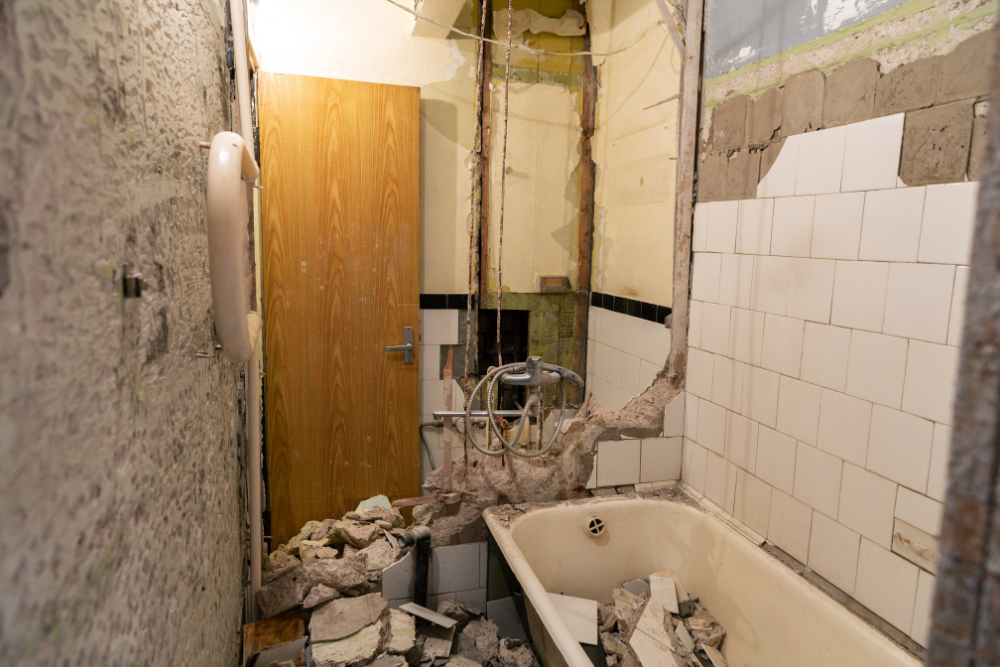
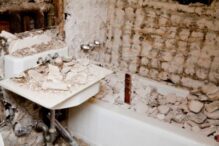
    Bathroom Demolition

    Identifying hidden issues early

    Beneath the tiles and walls of a bathroom, there may be more than meets the eye. Leaks, mold growth, or deteriorating pipes can remain undetected until demolition begins. Without removing layers of flooring or wall coverings, these problems might never surface, only to cause expensive repairs later. Early detection is one of the overlooked benefits of proper demolition.

    Once these hidden issues are revealed, they can be fixed before the renovation continues. Addressing them at this stage ensures that the remodel is not only cosmetic but also practical and sustainable. Professionals know what signs to look for and how to resolve them efficiently. This careful process saves homeowners from future headaches while extending the lifespan of new materials. Demolition, therefore, becomes more than removal—it is an investigative step that protects your investment in a bathroom that functions as beautifully as it looks.

    Streamlining the renovation timeline

    Delays in home renovations often stem from poor preparation. In bathrooms, inadequate demolition can slow down contractors, forcing them to redo removal work before they can start installing new fixtures. This not only disrupts schedules but also inflates costs. Starting with professional demolition streamlines the timeline by ensuring the space is completely ready for the next phase.

    A cleared bathroom provides immediate access for plumbers, electricians, and tile installers. With the obstacles removed in a methodical manner, the renovation moves forward without unnecessary pauses. Professionals coordinate the demolition with the renovation schedule, helping homeowners achieve faster results without compromising quality. What might take weeks if handled improperly can often be shortened significantly with expert demolition. Time saved during this stage translates into quicker project completion, meaning families can enjoy their updated bathroom sooner. Efficiency is one of the clearest advantages of hiring skilled demolition services.

    Protecting valuable plumbing and electrical systems

    Bathrooms are complex spaces filled with networks of pipes, wires, and drains. During demolition, these elements can easily be damaged if care is not taken. Breaking through tiles or walls without understanding the placement of utilities could result in leaks, electrical issues, or costly repairs. Protecting these systems requires both knowledge and precision.

    Demolition professionals approach the process strategically, dismantling materials in a way that avoids harming essential infrastructure. They know how to cap water lines, disconnect fixtures safely, and preserve wiring for future use. This careful attention prevents accidental damage while ensuring that the new design has reliable systems to connect with. Homeowners benefit from both peace of mind and reduced repair expenses. Demolition services do more than clear the room; they safeguard the vital networks that make bathrooms functional. A protected foundation ensures that new upgrades integrate seamlessly with existing systems.

    Reducing debris and managing disposal

    Bathroom demolition generates a surprising amount of debris. Tiles, drywall, fixtures, and flooring accumulate quickly, creating piles of waste that must be handled responsibly. Attempting to manage this alone can be overwhelming, not to mention physically demanding. Proper disposal is as important as the demolition itself.

    Professional services handle the cleanup and disposal efficiently. They sort materials, recycle where possible, and transport the waste to appropriate facilities. This ensures that the demolition process remains organized and environmentally conscious. Homeowners are spared the hassle of renting dumpsters, hauling debris, or dealing with disposal regulations. By managing cleanup from start to finish, professionals provide a seamless experience that keeps projects on track. The result is a clean slate ready for construction, free of the clutter and stress that often comes with DIY demolition. Proper debris management is an invaluable part of the service.

    Saving money through efficiency

    At first glance, hiring professionals for bathroom demolition might seem like an added cost, but in reality, it often saves money. Mistakes during demolition can damage plumbing, electrical lines, or structural components, leading to costly repairs. Inefficient removal can also extend renovation timelines, which adds labor expenses. These pitfalls make DIY attempts more expensive in the long run.

    By contrast, professional demolition teams complete the job quickly and correctly the first time. Their precision minimizes the risk of errors that drive up costs. Additionally, the inclusion of cleanup and debris disposal means homeowners avoid the hidden expenses of renting equipment or arranging transportation. When viewed as part of the bigger picture, demolition services are a cost-effective investment. 

    Allowing for design flexibility

    A bathroom renovation is often about creating a space that matches personal taste and lifestyle. However, design flexibility can be limited if old structures remain in place. Walls, cabinets, or flooring that are only partially removed constrain the new layout, restricting creativity. Complete demolition removes these barriers and opens the door to greater possibilities.

    With a cleared space, homeowners can rethink the entire layout. Perhaps a larger shower replaces an outdated tub, or a double vanity is added where a single sink once stood. The freedom to reimagine the bathroom from the ground up comes directly from thorough demolition. By starting fresh, designers and contractors can explore more options, customizing the space to suit modern needs. 

    Increasing property value with quality upgrades

    Bathrooms play a significant role in determining a home’s overall value. A poorly executed renovation, built on an incomplete or sloppy demolition, can reduce appeal and even lower resale value. Conversely, a remodel that begins with a strong foundation increases property value by ensuring upgrades are durable and attractive.

    Demolition services set the stage for high-quality improvements that stand the test of time. Buyers notice the difference when a bathroom feels solid, safe, and thoughtfully designed. By investing in professional demolition, homeowners create conditions that maximize the impact of their remodel, making the property more appealing in the competitive housing market. Even if selling is not an immediate goal, the value added to the home makes the investment worthwhile. 

    Minimizing stress for homeowners

    Renovation projects can be stressful, and demolition often adds to the pressure. The noise, mess, and uncertainty of tearing down a bathroom are overwhelming without professional help. Homeowners may feel unprepared to handle the tools, debris, or safety measures required for a proper demolition. Stress quickly builds, clouding the excitement of renovation.

    Hiring demolition experts significantly reduces that burden. Professionals bring order to the chaos, working systematically to complete the job while managing safety and cleanup. Homeowners are freed from the physical strain and worry, allowing them to focus on design choices and the excitement of transformation. By minimizing stress, professional services enhance the renovation experience, turning what could be an exhausting ordeal into a manageable step toward improvement. 

    Conclusion

    Bathroom demolition is a crucial first step in any remodeling project, ensuring the space is safe, efficient, and ready for lasting upgrades. From uncovering hidden issues to managing debris, professional demolition services protect homeowners from unnecessary risks and expenses. They create a strong foundation that supports design flexibility, boosts property value, and streamlines renovation timelines. Most importantly, they reduce stress, making the process smoother and more enjoyable.

    North Bay Junk Removal in Santa Rosa, CA, provides expert junk removal and demolition services tailored to homeowners’ needs. Their team handles everything from dismantling old fixtures to managing debris responsibly, ensuring projects move forward seamlessly. For those ready to renovate their bathrooms with confidence, professional demolition services make all the difference. To begin your project and experience the benefits of a safer, cleaner start, call 707-478-6817 today. North Bay Junk Removal is your trusted partner in creating beautiful and functional living spaces.
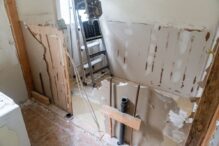
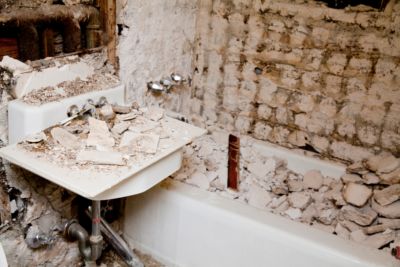
  • Bathroom Demolition Preparing Your Home for a Fresh Look

    Bathroom Demolition Preparing Your Home for a Fresh Look

    Bathrooms are more than functional spaces—they often set the tone for comfort and relaxation in a home. Over time, however, outdated fixtures, worn tiles, and limited layouts can make them feel tired rather than refreshing. That’s where demolition comes in. Preparing a bathroom for renovation starts with carefully dismantling what no longer works and creating the blank canvas needed for something new. Demolition is not simply about tearing down; it’s about making intentional choices that pave the way for modern upgrades. When done right, this first step transforms potential into reality, giving your home a fresh beginning.

    Understanding the importance of bathroom demolition

    A bathroom renovation cannot begin without clearing out the old. Demolition ensures that worn flooring, outdated cabinetry, and leaky fixtures are fully removed so the space can support new installations. This process eliminates lingering problems that might compromise the success of the remodel, such as hidden mold, outdated plumbing lines, or weakened subfloors. It sets the stage for a smoother renovation by addressing the root of potential issues upfront.

    Beyond the practical aspect, demolition creates a sense of progress and renewal. Stripping away what no longer serves your needs highlights the possibilities ahead, sparking creative vision for what the space can become. It can be energizing to see a tired room reset to its foundation, ready for reinvention. This phase is not simply about destruction—it is about establishing a foundation strong enough to hold the bathroom of your dreams.

    Planning your bathroom demolition with purpose

    Rushing into demolition may lead to mistakes that cost time and money. A thoughtful plan ensures the process unfolds smoothly. This begins with outlining the renovation goals and identifying which parts of the existing bathroom will be kept, if any. For example, a homeowner might want to preserve plumbing lines or electrical connections to reduce expenses. Understanding the plan prevents unnecessary removal and saves resources.

    Another key step is preparing the space for disruption. Bathrooms connect to vital systems such as water, electricity, and ventilation, all of which must be shut off or secured before demolition begins. Protecting nearby areas with coverings helps minimize dust and debris spreading throughout the house. By approaching demolition with a clear plan, homeowners can reduce stress, control costs, and set a renovation project up for success.

    Protecting your home during the demolition process

    Bathroom demolition can quickly spread mess into other areas of the home if not properly contained. Dust and debris are inevitable, but their impact can be minimized with protective measures. Covering floors and sealing doorways with plastic sheeting helps control the spread, while proper ventilation ensures dust does not linger in living spaces. Taking these precautions makes cleanup easier and protects household belongings.

    Noise and vibrations are another consideration. Removing tile, cabinetry, or drywall can be disruptive, especially in shared spaces. Preparing family members for the process reduces frustration and helps set realistic expectations. It’s important to remember that demolition is temporary, and with the right safeguards, the rest of the home can remain functional and comfortable. Protecting the property ensures that the demolition serves its purpose without creating avoidable damage or stress.

    Removing old fixtures and surfaces efficiently

    One of the most visible parts of demolition is removing outdated fixtures like sinks, toilets, and tubs. These large items often require careful handling to avoid damaging plumbing connections or surrounding surfaces. Working systematically by shutting off water lines and disconnecting hardware prevents accidents and makes removal more efficient. Larger pieces can then be carried out or broken down for easier disposal.

    Flooring and wall surfaces come next. Old tiles, laminate, or drywall are removed to expose the underlying structure. This step can be labor-intensive but is essential for ensuring that any new materials bond properly and last longer. Efficient fixture and surface removal clears the room of unnecessary bulk while preparing it for fresh installations. The space begins to feel new even before reconstruction starts, creating a sense of transformation in progress.

    Addressing hidden issues during bathroom demolition

    Demolition often reveals what was hidden beneath the surface. Old bathrooms can conceal problems such as water damage, mold growth, or outdated wiring. Spotting these issues early saves homeowners from costly repairs later. While it can be unsettling to uncover hidden damage, addressing it during demolition ensures that the new bathroom will be built on a solid foundation.

    Professional guidance is helpful in identifying these concerns. Contractors or demolition specialists can recognize structural weaknesses or outdated systems that the untrained eye might miss. Fixing these problems before reconstruction prevents them from undermining the renovation later. Far from being an inconvenience, discovering hidden issues is an opportunity to resolve them once and for all, ensuring the bathroom’s future durability and safety.

    Preparing plumbing and electrical systems for renovation

    Bathrooms rely heavily on plumbing and electrical connections, making them critical considerations during demolition. Old pipes may need to be rerouted or replaced entirely to support new layouts. Likewise, outdated electrical wiring often requires upgrades to handle modern lighting, outlets, and appliances safely. Preparing these systems in advance of reconstruction saves time and prevents future disruptions.

    This step also ensures compliance with building codes, which are updated regularly for safety and efficiency. Professional assistance is often needed to handle these technical aspects correctly. By preparing plumbing and electrical systems during demolition, homeowners secure a smoother renovation path. It also creates flexibility for creative designs, since the infrastructure can be adapted to accommodate new features such as double sinks, heated flooring, or modern lighting schemes.

    Managing demolition waste responsibly

    Bathroom demolition produces significant waste, from broken tiles to outdated fixtures. Managing this debris responsibly is essential for keeping the project safe and eco-friendly. Sorting materials that can be recycled, such as metals or certain types of tiles, helps reduce landfill waste. Hiring a professional junk removal service makes the process easier by ensuring that all debris is disposed of properly.

    Beyond environmental considerations, responsible waste management keeps the project area clear and safe. Piles of broken material can pose hazards if left unchecked, slowing progress and creating unnecessary risks. Removing waste consistently during demolition ensures a cleaner work environment and faster turnaround. Responsible disposal practices reflect a commitment not only to the home but also to the broader community.

    Saving time with professional demolition services

    While some homeowners attempt bathroom demolition on their own, professional services often deliver more efficient results. Experienced crews understand the proper sequence of removal, use specialized tools, and can finish the work far faster than a do-it-yourself approach. This efficiency helps keep the renovation timeline on track, which is especially important for bathrooms since they are essential household spaces.

    In addition, professionals minimize the risks of damage to surrounding structures. Their expertise ensures that plumbing, wiring, and support elements are handled carefully, reducing the likelihood of costly mistakes. By investing in professional demolition, homeowners save time, avoid stress, and benefit from a process that runs smoothly from start to finish. What might take weeks on your own can often be completed in a fraction of the time with skilled help.

    Budgeting for bathroom demolition

    Bathroom demolition costs can vary depending on the size of the space, the complexity of the removal, and the condition of existing materials. Budgeting for this phase ensures that homeowners are not surprised by unexpected expenses. Factors such as specialized disposal fees, repair of hidden damage, or professional service charges should all be considered in advance.

    Allocating funds specifically for demolition also provides flexibility. If fewer issues arise than expected, any unused budget can be redirected into the renovation itself. On the other hand, having a realistic budget ensures that if surprises do appear, they can be managed without derailing the project. Proper budgeting makes the entire renovation more predictable and less stressful, laying the groundwork for a successful remodel.

    Setting the stage for a fresh new design

    Once demolition is complete, the bathroom becomes a blank canvas ready for reinvention. Without outdated fixtures or failing materials in the way, the room can fully embrace a fresh new design. This clean slate allows homeowners to reimagine layouts, finishes, and features that better reflect their style and needs. The possibilities open up in ways that were not possible before the space was cleared.

    This stage is often one of the most exciting in the renovation journey. It marks the shift from removing what no longer works to envisioning what could be. With the demolition finished, the path is clear for transformation. The space is prepared not just structurally but emotionally for a new beginning, offering inspiration for a bathroom that is both practical and rejuvenating.

    Conclusion

    Bathroom demolition is the essential first step in transforming a tired space into something fresh and modern. It clears away what no longer works, exposes hidden issues, and prepares the foundation for a renovation that will last. From careful planning and protective measures to efficient waste removal and professional expertise, each stage of demolition ensures a smoother path toward the bathroom of your dreams. By approaching demolition with purpose, homeowners set themselves up for long-term satisfaction and comfort.

    For those ready to take on the process with confidence, North Bay Junk Removal offers reliable assistance in handling debris and waste efficiently. Based in Santa Rosa, CA, they specialize in junk removal services that simplify the challenges of demolition projects. With experience, care, and a focus on responsible disposal, they help homeowners move from cluttered spaces to clean slates. Call North Bay Junk Removal at 707-478-6817 to start your project today.

  • What You Need to Know Before Starting Bathroom Demolition

    What You Need to Know Before Starting Bathroom Demolition

    Bathroom demolition may look like a simple task, but it often unfolds with surprises hidden behind walls and beneath floors. What seems like just tearing out fixtures can expose plumbing, wiring, or structural supports that require careful handling. Rushing into demolition without preparation often results in unnecessary expenses, delays, or even damage to essential systems. A thoughtful approach helps prevent headaches before they begin.

    When a homeowner takes time to plan, demolition becomes a smoother and more efficient process. It clears the way for a remodel without leaving costly mistakes in its wake. The first phase of any successful bathroom renovation is not simply destruction—it’s controlled preparation. By understanding what to expect and how to protect yourself during the process, you create the foundation for a beautiful transformation. Demolition is less about tearing down and more about setting the stage for what comes next.

    Evaluating the current bathroom layout

    Every successful bathroom demolition starts with observation. Before removing a single tile, take time to study how your bathroom is arranged. Note where each fixture sits, such as sinks, tubs, and toilets, and recognize the systems that support them. Behind the surfaces you see lies a network of pipes, vents, and wiring that keeps everything functioning. By mapping out this existing layout, you can better anticipate which areas will be straightforward and which will require extra care and attention.

    This evaluation also helps you see how demolition fits into your renovation goals. If the remodel involves moving fixtures or rearranging the space, knowing what lies within the walls and beneath the floors is invaluable. A clear understanding prevents damaging hidden systems and keeps costs down. Evaluating the layout isn’t just a precaution; it’s a way to visualize the future space while ensuring the work ahead remains smooth and efficient.

    Shutting off water and electricity

    Bathrooms combine water and power in one small space, which makes safety the top priority before demolition begins. Start by turning off the main water supply to the bathroom and draining any remaining water from pipes and fixtures. This simple action can prevent flooding and keep the worksite dry. Equally important is switching off the electrical circuits connected to the room. Outlets, lights, and fans all carry risks if power is still flowing when demolition tools come into play.

    Once utilities are off, double-check by testing outlets and running taps. Confirming that water and power are disconnected ensures a safe environment for working. It might feel like an extra step, but skipping it can lead to dangerous accidents or expensive property damage. Taking these precautions transforms a risky task into a controlled process. By securing the environment first, you give yourself confidence to continue demolition without worrying about hidden dangers.

    Gathering tools and protective equipment

    The right tools make demolition faster, but protective equipment makes it safer. A basic toolkit includes hammers, crowbars, drills, utility knives, and a reciprocating saw for stubborn materials. Buckets, wheelbarrows, and heavy-duty trash bags are also essential for collecting debris and keeping the workspace organized. Having these items nearby prevents wasted time and helps you work methodically.

    Just as important as tools are the protective measures you take for yourself. Gloves protect against sharp edges, goggles keep dust and shards away from your eyes, and sturdy boots reduce the chance of slipping on uneven floors. A dust mask ensures you breathe safely while cutting through drywall or tile. These items might seem secondary, but they shield you from hazards that can quickly derail a project. With tools ready and safety gear in place, the demolition becomes more efficient and far less stressful.

    Removing fixtures in the right order

    Fixtures may appear independent, but removing them in sequence saves time and effort. Start small by clearing mirrors, cabinets, towel racks, and other lightweight pieces. With these out of the way, you create open space for handling larger, heavier fixtures without obstacles in the way. This methodical approach avoids damage to remaining structures and keeps the workspace organized.

    Once smaller items are gone, you can focus on plumbing-heavy fixtures like sinks, toilets, and tubs. Toilets should be emptied and disconnected carefully to avoid spills, while tubs may need caulking cut away before removal. Tackling these larger elements in an orderly fashion makes the entire demolition manageable. By following a logical sequence, you reduce frustration and limit mistakes, giving yourself a clearer, safer environment to complete the job. Structure and planning make demolition more predictable and less overwhelming.

    Handling tile removal effectively

    Tile removal often becomes one of the longest and most frustrating parts of bathroom demolition. Tiles are held in place with strong adhesives that resist quick removal. Begin by loosening grout with a saw or knife, then pry tiles gently with a hammer and chisel. Working slowly prevents unnecessary damage to the underlying wall or subfloor. Although tedious, patience ensures surfaces remain intact for the renovation that follows.

    Debris from tile removal builds up quickly. Keep buckets or sturdy bags nearby to collect shards and minimize tripping hazards. Always wear gloves and goggles since tiles can shatter without warning. Clearing as you go not only makes the process more manageable but also prevents sharp fragments from spreading through the work area. By approaching tile removal steadily and with the right precautions, you’ll transform a messy task into a manageable step toward a blank, ready-to-design surface.

    Addressing drywall and insulation

    Behind every bathroom wall lies more than drywall. Once panels are cut away, you may encounter insulation, wiring, or even hidden plumbing. Using a stud finder before cutting helps you avoid damaging these systems. Removing drywall in smaller sections makes the work easier and reduces debris size, keeping cleanup under control. Slow, deliberate work is the key to avoiding mistakes that might complicate the renovation.

    When insulation is exposed, handle it with care. Fiberglass can irritate skin and lungs, so always wear gloves and a mask. Place removed insulation into sealed bags to limit dust and fibers spreading through your home. This step not only opens the space for inspection and repairs but also gives you the opportunity to upgrade materials. Removing drywall and insulation is about more than demolition—it’s a necessary step in improving your home’s structure, comfort, and energy efficiency.

    Dealing with plumbing lines

    Plumbing is one of the most sensitive parts of bathroom demolition. Even after the water supply is turned off, pipes can still contain residual water that spills when fixtures are disconnected. Always keep towels and buckets close by to catch drips during the process. Work carefully when detaching sinks, toilets, or tubs, and cap pipes to prevent debris from entering the system. This simple precaution keeps plumbing ready for the next installation.

    Demolition also offers the chance to examine your plumbing’s condition. If pipes are outdated or showing signs of wear, this is the perfect time to plan for replacements. Updating plumbing during a remodel is far easier when the walls and floors are already open. 

    Disposing of debris responsibly

    Demolition creates a surprising volume of waste. Broken tiles, drywall pieces, insulation, and old fixtures can overwhelm a space quickly if not managed. Sorting materials into piles such as metal, wood, ceramic, and general waste makes disposal simpler and often allows for recycling. Planning for how to move debris out of your home is just as important as the demolition itself.

    Responsible disposal benefits both your home and the environment. Leaving piles of debris unattended creates hazards and delays renovation. Many homeowners find junk removal services helpful for hauling heavy or hazardous materials. By arranging proper disposal early, you avoid the stress of clutter and maintain a safe, workable environment. 

    Maintaining safety throughout the project

    Demolition work comes with risks, from sharp edges to heavy lifting and dust-filled air. Keeping safety at the forefront of the project reduces the chance of accidents. Move slowly, plan each step, and keep tools and debris organized. Clearing pathways and removing tripping hazards makes transporting materials outside much easier and safer.

    Safety also means knowing your limits. Take breaks when needed, stay hydrated, and don’t hesitate to ask for help when handling large or awkward items. Protecting yourself during demolition prevents small mistakes from turning into major setbacks. By prioritizing safety at every stage, you not only protect your health but also ensure steady progress toward your renovation goals.

    Knowing when to hire professionals

    While DIY demolition can be rewarding, there are times when professional help is the smarter option. Large tubs, stubborn tile flooring, or walls filled with plumbing and wiring may be too complex to handle without specialized knowledge. Calling in experts ensures these challenges are managed safely and efficiently, preventing costly mistakes.

    Professionals also streamline the cleanup process. They have the equipment to remove heavy debris and dispose of it properly, sparing homeowners multiple trips to disposal sites. Choosing to hire experts when necessary doesn’t diminish your role in the renovation—it enhances it by keeping the project on track.

    Conclusion

    Bathroom demolition is more than just tearing down walls—it’s the groundwork for transformation. From studying the layout and shutting off utilities to handling drywall, tile, and plumbing, each step shapes the success of your renovation. Preparation, safety, and disposal planning create order in what could otherwise be chaos. A carefully executed demolition ensures fewer surprises and provides a clean slate for the improvements ahead.

    For efficient cleanup, North Bay Junk Removal offers trusted support. Located in Santa Rosa, CA, their team specializes in handling demolition debris quickly and responsibly. With experience in managing construction waste, they simplify projects by leaving spaces clean and ready for renovation. Whether dealing with heavy tile, broken drywall, or outdated fixtures, their junk removal services provide peace of mind. Call North Bay Junk Removal at 707-478-6817 to make bathroom demolition less stressful and prepare your home for its fresh new look.

  • How Bathroom Demolition Affects Your Home’s Renovation

    How Bathroom Demolition Affects Your Home’s Renovation

    Understanding the Impact on Structural Integrity

    Bathroom demolition goes beyond simply tearing out tiles and fixtures. Every wall, floor, and plumbing line has a role in the overall structure of your home, and removing them carelessly can trigger issues that ripple throughout the renovation. Subtle damages to studs or water lines can create long-term problems if unnoticed, while improper removal of old materials may compromise the support that surrounding areas rely on. The process requires foresight and precision to ensure that the integrity of your home remains intact and that subsequent work can proceed smoothly. By recognizing how each component interacts, you can anticipate challenges and avoid setbacks that may affect your timeline or budget.

    The noise, dust, and debris generated during demolition can also impact other parts of the home if not properly contained. Protecting adjacent rooms and surfaces is essential to prevent accidental damage, while carefully managing waste ensures a cleaner, safer work environment. Beyond the physical effects, a well-planned demolition fosters efficiency and reduces stress, laying a foundation for a seamless renovation experience that maximizes the longevity and aesthetics of the newly remodeled bathroom.

    Planning for Efficient Material Removal

    When tackling a bathroom demolition, understanding the logistics of material removal is key to maintaining an organized renovation site. Broken tiles, old fixtures, and discarded drywall can pile up quickly, creating hazards and slowing progress. Sorting materials as you remove them can streamline disposal, allowing for easier recycling of metals, plastics, and ceramics. Prioritizing the safe removal of plumbing and electrical components prevents accidents while providing clarity for the next stage of installation.

    Strategic planning also minimizes disruption to daily life, particularly if the bathroom is still in partial use or adjacent to living areas. Efficient material removal means you can avoid leaving debris in high-traffic spaces, which contributes to safety and comfort during the renovation. Beyond immediate practicality, having a clear plan for managing waste ensures that no unexpected costs arise from hauling fees or last-minute disposal services, keeping the renovation budget intact while maintaining focus on design and quality.

    Preserving Plumbing and Electrical Systems

    One of the most delicate aspects of bathroom demolition involves dealing with plumbing and electrical systems. These networks are hidden behind walls and under floors, and any misstep can lead to leaks, shorts, or costly repairs down the line. Careful identification of lines, shut-off points, and connection types ensures that demolition does not inadvertently disrupt the home’s utilities. Protecting these systems requires both knowledge and a methodical approach to dismantling existing fixtures and pipes.

    In addition to avoiding damage, maintaining access to plumbing and electrical points allows for efficient upgrades and installations. Properly managed demolition can reveal opportunities to modernize systems, incorporate energy-efficient fixtures, or reroute connections to improve functionality. By respecting these critical infrastructures, homeowners safeguard against future maintenance issues and set the stage for a bathroom renovation that combines beauty, utility, and long-term reliability.

    Effects on Home Value and Resale Potential

    How a bathroom is demolished can influence the perceived quality of your renovation, which in turn affects home value. A clean, careful demolition signals attention to detail and ensures that surfaces are ready for high-quality finishes. Conversely, sloppy or rushed demolition may leave behind uneven walls, damaged subfloors, or hidden issues that detract from the final product. These imperfections are often noticed during home inspections or by prospective buyers, potentially impacting resale potential.

    Beyond immediate aesthetics, well-executed demolition can facilitate upgrades that enhance the marketability of your home. Modernizing layouts, expanding usable space, and properly removing outdated materials all contribute to a bathroom that feels luxurious and functional. By understanding the connection between demolition and long-term value, homeowners can make informed decisions that protect investments and create spaces that are both enjoyable and appealing to future occupants.

    Safety Considerations During Demolition

    Safety is paramount when dismantling a bathroom, as sharp edges, heavy materials, and electrical hazards pose significant risks. Wearing protective gear, securing loose structures, and carefully handling tools reduces the chance of injury. Awareness of potential asbestos or mold in older homes is equally important, requiring specialized handling and disposal to prevent health complications. Safe practices not only protect workers but also preserve the surrounding environment from inadvertent damage.

    Implementing safety protocols also ensures compliance with local regulations and building codes. By addressing hazards proactively, demolition becomes a controlled process rather than a chaotic undertaking. This level of diligence fosters confidence for homeowners and contractors alike, creating a renovation environment where work can proceed without fear of accidents, legal issues, or unplanned delays that could derail the project.

    Minimizing Dust and Environmental Impact

    Bathroom demolition generates dust, debris, and potentially harmful particles that can spread throughout the home. Containing this impact through barriers, proper ventilation, and cleanup practices is essential for maintaining indoor air quality and preventing long-term damage to furniture and finishes. Additionally, separating recyclable materials from general waste contributes to a more environmentally responsible approach to demolition.

    Reducing environmental impact extends to how debris is transported and disposed of. Utilizing responsible disposal services and avoiding landfill overuse ensures that the project aligns with sustainable practices. By approaching demolition with environmental mindfulness, homeowners not only protect their immediate surroundings but also contribute to broader efforts in reducing construction-related waste and pollution.

    Managing Unexpected Challenges

    Even with meticulous planning, unexpected challenges often arise during bathroom demolition. Hidden water damage, outdated wiring, or structural weaknesses may surface once walls and floors are removed. Recognizing that surprises are part of the process allows homeowners to respond flexibly, adjusting timelines, budgets, and approaches as needed. Maintaining adaptability ensures that these obstacles do not derail the renovation but rather become manageable components of a carefully executed plan.

    Documenting conditions and progress throughout demolition can aid in troubleshooting issues quickly. Keeping a detailed record of structural observations, plumbing layouts, and material removal sequences helps contractors anticipate complications and develop solutions efficiently. Proactive management of unforeseen difficulties keeps the renovation on track, preventing costly mistakes and fostering confidence in the overall project outcome.

    Preparing for New Installations

    Bathroom demolition sets the stage for every subsequent installation, from cabinetry to tile to fixtures. A thorough removal process ensures surfaces are level, plumbing is accessible, and electrical points are correctly positioned. This preparation directly affects the ease and precision of installing new elements, influencing both the aesthetic and functional quality of the finished space.

    Attention to installation readiness also saves time and money, reducing the need for adjustments or corrections once new materials arrive. Clear workspaces and organized layouts prevent errors and streamline contractor workflows. By aligning demolition practices with installation requirements, homeowners ensure a smooth transition from old to new, achieving a bathroom renovation that feels deliberate, efficient, and visually appealing.

    Cost Implications and Budgeting

    The approach to bathroom demolition can have significant cost implications for a renovation. Hiring professionals versus DIY, managing debris removal, and addressing unforeseen repairs all factor into the overall budget. Allocating resources for potential contingencies ensures that financial surprises do not stall the project, while effective planning can reduce unnecessary expenditures and streamline progress.

    Transparent budgeting during demolition helps homeowners prioritize high-impact upgrades and avoid overspending on minor fixes. By understanding where costs may accumulate, such as in specialized disposal or structural reinforcement, a strategic approach ensures that the renovation remains financially manageable. Sound financial planning during this phase lays a foundation for a renovation that is both high-quality and cost-conscious.

    Psychological and Lifestyle Effects

    The disruption caused by bathroom demolition extends beyond physical space, influencing the daily routines and mental comfort of homeowners. Noise, dust, and temporary loss of facilities can create stress, making efficient management crucial. Establishing clear timelines, protective barriers, and organized material handling helps minimize these impacts, allowing homeowners to maintain a sense of normalcy throughout the project.

    Acknowledging the lifestyle implications also helps with long-term satisfaction. When demolition is handled thoughtfully, the process feels controlled and purposeful rather than chaotic. Homeowners can anticipate results with confidence, understanding that the temporary inconvenience paves the way for a functional, aesthetically pleasing bathroom that enhances everyday life and overall well-being.

    Enhancing Renovation Quality Through Clean Demolition

    A meticulous and clean demolition is a precursor to superior renovation quality. By removing materials systematically, protecting underlying structures, and efficiently managing waste, every aspect of the renovation benefits. Clean demolition facilitates precise installations, reduces repair needs, and creates an environment conducive to creativity and craftsmanship for contractors and homeowners alike.

    Maintaining order and cleanliness during demolition has ripple effects that touch every stage of the renovation. The improved workflow, reduced errors, and minimized material loss contribute to a bathroom that not only meets functional needs but also achieves aesthetic excellence. Prioritizing a careful, deliberate approach ensures that the end result reflects the investment of time, effort, and resources put into every phase of the renovation.

    Conclusion

    Bathroom demolition plays a pivotal role in shaping the outcome of any home renovation. Properly executed, it protects structural integrity, preserves essential systems, manages debris effectively, and prepares the space for new installations. A thoughtful approach minimizes unexpected challenges, safeguards home value, and supports the overall efficiency of the renovation process. Attention to safety, environmental responsibility, and clear planning ensures that every phase of the project proceeds smoothly and successfully, reducing stress and enhancing satisfaction.

    For homeowners in Santa Rosa, CA seeking expert assistance with debris and waste removal, North Bay Junk Removal provides reliable and professional junk removal services. Their team ensures that all demolition materials are responsibly disposed of, leaving the home ready for the next stage of renovation. By calling 707-478-6817, residents can access a trusted partner dedicated to making the cleanup process seamless, supporting a bathroom remodel that is both efficient and stress-free.

  • Tips for Efficient Bathroom Demolition Cleanup

    Tips for Efficient Bathroom Demolition Cleanup

    Prepare the Space for Safe and Smooth Work

    Starting a bathroom demolition without proper preparation can lead to chaos and unnecessary delays. First, clear out all personal items, furniture, and fixtures that won’t be removed. This creates an open workspace and reduces the chance of damage to items you plan to keep. Cover floors and any surfaces that will remain intact to protect them from debris and dust. Ensuring good ventilation is essential, so open windows or use fans to keep dust from settling. Safety equipment like gloves, goggles, and sturdy footwear is a must to protect against sharp edges and falling debris. Taking these precautionary steps might feel time-consuming, but it significantly improves the efficiency of the demolition process and minimizes post-work cleanup.

    Removing water sources is also crucial before any demolition begins. Turn off the water supply and disconnect pipes to prevent leaks or flooding. Electrical components should be switched off at the breaker box to avoid accidents. Planning the workflow by designating zones for waste and material handling can streamline the process. This organized approach allows you to focus on removing materials systematically rather than reacting to hazards as they arise. Being meticulous during preparation reduces stress and ensures the demolition phase moves quickly and safely.

    Sort Debris for Recycling and Disposal

    Once demolition begins, the volume of debris can feel overwhelming. Sorting materials as you go can save significant time later and reduce environmental impact. Separate items that can be recycled, such as metals, certain plastics, and tiles, from general construction waste. Wood and drywall can often be recycled or repurposed, so consider creating separate piles for these materials. Keeping these categories distinct prevents confusion and makes disposal more efficient. Avoid leaving mixed piles of debris that require additional sorting after the fact, which can be both frustrating and time-consuming.

    Proper disposal also includes hazardous materials like old paint, adhesives, or asbestos-containing tiles. Handling these safely requires adherence to local regulations and sometimes specialized services. Planning for debris removal while sorting ensures you don’t run out of space or leave piles in walkways, which can slow progress and create accidents. Maintaining an organized workflow and managing materials responsibly promotes a safer environment and reduces the total effort needed to restore the space after demolition.

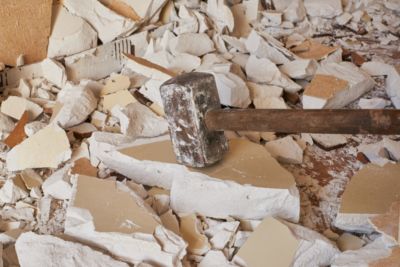
    Recycling and Disposal

    Use the Right Tools for Each Task

    Efficiency in bathroom demolition relies heavily on having the appropriate tools. A combination of sledgehammers, pry bars, utility knives, and screwdrivers is essential for safely dismantling fixtures and tiles. For stubborn materials, reciprocating saws or oscillating multi-tools can save hours compared to manual methods. Using the right tool not only speeds up the process but also minimizes the risk of injury. Avoid improvising with makeshift tools, as this can lead to accidents and damage surfaces that could have been preserved. Investing in quality, well-maintained tools pays off in both safety and productivity.

    Smaller hand tools are invaluable for detail work, like removing cabinetry or loosening screws in tight spaces. Power tools should be used with caution and proper training to prevent accidents and material damage. Organizing tools in advance and keeping them within easy reach ensures continuous workflow without unnecessary interruptions. Regularly inspecting and maintaining tools ensures they function efficiently throughout the demolition, making each step of the process faster, safer, and less frustrating.

    Remove Fixtures Carefully

    Bathroom fixtures such as sinks, toilets, and bathtubs often contain plumbing connections and delicate materials. Removing them with care reduces the risk of damaging surrounding structures. Start by draining water lines, disconnecting pipes, and loosening fixtures from their mounts. If possible, remove large pieces intact to simplify cleanup and disposal. Avoid using excessive force, which can create additional debris and hazards. Carefully dismantling these fixtures contributes to a safer environment and more manageable waste for removal.

    Some fixtures can be recycled or donated if still in good condition. Keeping these options in mind can reduce landfill waste and even provide financial returns. Documenting the removal process and taking note of which fixtures may need repairs or special disposal ensures nothing is overlooked. Systematic removal of each fixture allows the demolition to progress steadily without creating bottlenecks or increasing cleanup difficulty.

    Control Dust and Airborne Debris

    Bathroom demolition generates a significant amount of dust, which can pose health risks and create additional cleanup challenges. Using plastic sheeting to seal off doors and vents helps prevent dust from spreading to other areas of the home. Wetting surfaces lightly can reduce dust during tile removal or wall demolition. Air purifiers or fans with HEPA filters improve air quality, keeping the workspace safer and more comfortable. Controlling dust from the outset prevents it from settling on surfaces, which can complicate later cleaning efforts.

    Workers should always wear masks and protective clothing to minimize inhalation of fine particles. Regularly removing dust from surfaces during demolition also reduces slipping hazards and keeps the project moving smoothly. By integrating dust management into the workflow, cleanup becomes quicker and more efficient, and the overall demolition process remains safer for everyone involved.

    Dispose of Materials Responsibly

    Efficient demolition includes planning how debris will be removed from the site. Rent a dumpster or coordinate with a local junk removal service to keep materials organized and off the floor. This prevents clutter from slowing down progress and reduces the risk of accidents. Keeping pathways clear ensures workers can move freely and reduces stress during removal. Proper disposal practices also help the environment by directing recyclable materials to the appropriate facilities instead of landfills.

    Tracking the types of materials being disposed of helps maintain compliance with local disposal regulations. Separating hazardous items from general debris ensures safety and legality, while also streamlining the pickup process. Consistently moving materials to disposal points prevents accumulation, making cleanup faster at the end of the demolition. Responsible disposal creates a more organized worksite, which contributes to both efficiency and safety.

    Schedule Work in Phases

    Breaking demolition into manageable phases keeps the project organized and prevents overwhelm. Start with removing fixtures and smaller components before tackling walls, tiles, or flooring. Sequencing tasks allows for more predictable workflow and helps maintain control over debris and dust. This approach also ensures that important structural elements are not accidentally damaged, preserving the integrity of the space. Phased scheduling can dramatically reduce cleanup time because materials are removed systematically rather than all at once.

    Phased work also facilitates better time management for labor and equipment usage. By setting realistic goals for each phase, workers can maintain focus and efficiency without rushing. Monitoring progress and adjusting the schedule based on actual conditions ensures smoother operations and avoids unexpected delays. This methodical approach allows both small and large demolition projects to proceed with less stress and greater productivity.

    Keep Safety as a Priority

    Safety should never be an afterthought during demolition. Wearing personal protective equipment, maintaining clear pathways, and adhering to safety protocols prevents accidents and injuries. Check for hidden electrical wires, plumbing lines, or structural weaknesses before removing any walls or flooring. Taking the time to assess risks and prepare for them reduces the likelihood of injuries, ensuring that the project continues without interruption.

    Regular breaks and proper hydration also contribute to a safer work environment, as fatigue often leads to mistakes. Communicating hazards with everyone involved keeps the team alert and aware of potential risks. Maintaining a strong safety focus not only protects workers but also makes cleanup easier since fewer accidents create less unexpected debris and disruption.

    Optimize Cleanup Techniques

    Using efficient cleanup techniques can save hours after demolition is complete. Collecting debris in stages, rather than waiting until the end, prevents buildup and keeps the workspace manageable. Use wheeled carts, bins, or buckets to transport materials to disposal areas quickly. Sweeping and vacuuming as you progress minimizes dust accumulation and makes the final cleanup more straightforward. Efficient cleanup methods reduce overall project time and allow spaces to be restored to a usable state sooner.

    Organizing tools and disposal containers for easy access speeds up the removal process and ensures nothing is forgotten. Continuous evaluation of cleanup efficiency and adjusting methods where necessary improves workflow and reduces labor effort. By adopting smart cleanup strategies, the demolition process becomes less taxing, leaving a clean and safe environment ready for the next phase of renovation or remodeling.

    Maintain Communication and Coordination

    Successful bathroom demolition relies on clear communication among everyone involved. Coordinating schedules, assigning tasks, and keeping everyone informed of progress prevents misunderstandings that could slow the project. Regular check-ins ensure that all team members are aware of hazards, debris locations, and task priorities. Effective communication also allows for quick adjustments if unforeseen issues arise, maintaining efficiency and safety throughout the demolition.

    Documenting progress with photos or notes can also help track what has been removed and what remains. Clear communication minimizes confusion and ensures that each step of the project aligns with the overall plan. Teams that maintain strong coordination experience fewer setbacks and a smoother cleanup process, reducing time and stress while maximizing productivity.

    Conclusion

    Efficient bathroom demolition requires careful planning, the right tools, and a consistent focus on safety and organization. Preparing the workspace, sorting debris, and removing fixtures methodically ensures the project progresses smoothly while minimizing hazards. Dust control, responsible disposal, and phased work help maintain a safe environment and streamline the cleanup process. Keeping communication open and optimizing cleanup techniques allows every step to move efficiently, preventing delays and reducing overall effort. By integrating these strategies, bathroom demolition can be a manageable, even satisfying process that clears the way for a refreshed and functional space.

    For those in need of professional support, North Bay Junk Removal in Santa Rosa, CA provides expert junk removal services that handle debris safely and efficiently. Their team offers reliable, licensed, and insured services for all types of demolition and renovation cleanup. Homeowners can trust them to manage disposal responsibly and maintain a clean worksite throughout the project. To schedule services or inquire about junk removal, call 707-478-6817 and experience a streamlined cleanup that saves time and effort.

  • How to Prepare for Bathroom Demolition

    How to Prepare for Bathroom Demolition

    Planning Your Bathroom Demolition Project

    Starting a bathroom demolition begins long before the first swing of a hammer. Taking the time to plan can prevent unexpected complications and save stress later. Begin by mapping out what you want to remove, including fixtures, cabinets, tiles, and plumbing elements. Visualizing the sequence of removal ensures that work flows smoothly and helps identify potential safety hazards. Preparing a workspace free from clutter and ensuring easy access to tools can also reduce accidents. Dust control is vital, so covering nearby rooms with plastic sheeting or drop cloths is highly recommended. Protecting floors and walls from debris will keep cleanup manageable.

    Organizing your materials in advance streamlines the process. Keep essential tools like a crowbar, sledgehammer, utility knife, and screwdrivers close by. Consider which items can be removed intact for donation or resale and separate them from items destined for disposal. Safe handling of sharp or heavy objects is crucial to prevent injuries. Finally, ensuring that all water, electricity, and gas sources are properly turned off reduces risks significantly. Thoughtful planning not only safeguards your wellbeing but also makes the demolition more efficient and less chaotic.

    Clearing the Bathroom Space

    Before demolition starts, remove personal items, linens, and toiletries from the bathroom. Emptying cabinets, drawers, and shelves prevents them from becoming obstacles or creating extra debris. Removing loose items from the floor and walls makes the space safer to navigate. Small furniture or removable partitions should be relocated to avoid damage. Planning where debris will be placed during the process is essential; consider using containers or tarps to collect rubble as you work.

    Clearing the bathroom space also means protecting adjacent rooms from dust and debris. Seal doors and vents with painter’s tape and plastic sheeting. Adequate ventilation, like opening windows or using fans, helps minimize dust inhalation. Ensuring proper lighting allows you to see hazards clearly and reduces accidents. A well-cleared and prepared space lays the foundation for a smoother demolition process, making cleanup faster and safer.

    Gathering Proper Tools and Equipment

    Successful bathroom demolition requires the right tools and equipment. Common essentials include crowbars, hammers, pry bars, utility knives, and protective gear like gloves, goggles, and dust masks. Power tools such as drills or reciprocating saws can make removing fixtures, cabinetry, and tiles much easier. Ensuring tools are in good working condition prevents delays and improves safety. Organizing them within reach allows you to work efficiently without searching for items mid-project.

    Equally important is having containers or bins for debris collection. Heavy-duty trash bags or buckets can handle small rubble, while larger items may need a dolly or wheelbarrow. Preparing for the disposal of old tiles, drywall, or plumbing fixtures avoids last-minute scrambling. Safety equipment, including sturdy footwear and long sleeves, is crucial to prevent injuries from sharp objects or falling debris. Being equipped properly ensures the demolition progresses smoothly and reduces physical strain.

    Shutting Off Utilities Safely

    One of the most critical steps before demolition is ensuring all utilities are properly shut off. Turn off water supply to prevent leaks and potential flooding during removal of sinks, toilets, and tubs. Electrical circuits powering bathroom outlets, lights, and ventilation fans should be deactivated at the breaker. If your project involves gas appliances, safely shut off the gas line to prevent hazards. Confirming that all utilities are inactive protects both you and your home from accidents.

    Double-check each fixture before starting work. Open faucets to drain remaining water and test outlets to verify the power is off. Being meticulous in shutting down utilities prevents emergencies that could halt progress or cause costly damage. For larger projects, consider consulting a professional to ensure proper disconnection. Handling utilities carefully allows the demolition to proceed smoothly, maintaining safety as a top priority.

    Protecting Your Home from Dust and Debris

    Bathroom demolition can generate significant dust and debris, potentially impacting nearby rooms. Using plastic sheeting or tarps to cover floors, cabinets, and furniture outside the bathroom reduces cleanup time and protects surfaces. Installing temporary barriers around doors and vents prevents dust from spreading. Keeping a vacuum or dust collector nearby can help manage airborne particles and maintain visibility while working.

    Regularly cleaning as you demolish limits accumulation of debris and reduces hazards. Sweeping or vacuuming small rubble ensures safe footing and prevents slips or trips. Protecting your home from dust also safeguards HVAC systems and prevents fine particles from settling in unwanted areas. Taking these precautions preserves the rest of your living space while making the demolition process safer and more efficient.

    Removing Fixtures and Cabinets

    Starting with bathroom fixtures and cabinets creates space and allows safer access to walls and flooring. Carefully unscrewing or prying cabinets and vanities helps prevent damage to surrounding surfaces. Fixtures like sinks, toilets, and tubs should be disconnected and lifted safely, ideally with assistance for heavier items. Removing these first reduces obstacles during the main demolition and allows better control over debris management.

    Consider separating items for disposal from those that may be repurposed or donated. This organization reduces confusion and makes junk removal easier. Protecting surrounding tiles and walls while removing fixtures ensures the demolition does not cause unnecessary damage. Taking time with this step minimizes risk of injury and prepares the space for efficient continuation of demolition.

    Demolishing Walls and Flooring

    With fixtures removed, focus shifts to walls and flooring. Use a combination of pry bars, hammers, and utility knives to carefully remove drywall, tiles, or plaster. Start from one corner and work methodically to avoid unnecessary destruction. Flooring, whether tile or laminate, should be pried up in manageable sections. Keeping debris contained in bins or on tarps simplifies cleanup and prevents hazards.

    Working slowly and deliberately reduces risk of injury from sharp objects or uneven surfaces. Maintain consistent lighting to identify potential weak spots in walls or floors. Clearing debris as you go allows safe movement and prevents accidents. Proper techniques and organized workflow during this stage ensure that the bathroom is fully cleared without damaging structural elements that will remain.

    Handling Plumbing and Electrical Components

    Removing plumbing and electrical elements safely is crucial for a smooth bathroom demolition. Pipes, wires, and fixtures must be disconnected properly to prevent leaks, electrical hazards, or damage. Use insulated tools when working with wiring and consider marking disconnected lines for future installation. Small sections of pipe or conduit can be removed in stages to maintain control and avoid accidents.

    For plumbing, ensure drains and supply lines are capped or sealed once removed. Electrical wiring should be tagged and stored safely. Taking care with these components prevents complications during remodeling or reconstruction. Attention to detail and adherence to safety guidelines ensures that utility elements are removed without incident, facilitating a safe demolition environment.

    Managing Debris and Waste

    Efficient debris management keeps the project organized and reduces stress. Place removed materials into designated bins or piles for easier disposal. Separate recyclable items from general waste whenever possible to reduce landfill contribution. Heavy or bulky items may require additional help or equipment to transport safely.

    Regularly clearing debris prevents hazards such as tripping and ensures continuous workflow. Planning for junk removal in advance makes the final cleanup faster and less stressful. Keeping the workspace tidy throughout the demolition allows you to focus on tasks at hand rather than dealing with clutter and disorganization.

    Cleaning Up After Demolition

    Once the bathroom is cleared, a thorough cleaning ensures the space is ready for remodeling. Sweep or vacuum dust and debris, wipe surfaces, and check for any remaining nails or screws. Removing lingering dust and particles protects future finishes and creates a safer work environment for contractors or DIY remodelers. Small details like scrubbing residual adhesive from tiles can enhance the overall readiness of the space.

    Final cleanup also includes disposing of all demolition waste appropriately. Having planned for junk removal ahead of time simplifies this step. Returning tools to their proper storage prevents accidents and maintains order. A clean, prepared space reflects the care taken during demolition and sets the stage for a smooth renovation process.

    Conclusion

    Proper preparation and thoughtful execution of a bathroom demolition project are essential to ensure safety and efficiency. Planning each step, clearing the space, gathering the right tools, and shutting off utilities minimizes hazards and helps the process flow smoothly. Protecting the home from dust, removing fixtures carefully, managing debris, and conducting thorough cleaning all contribute to a successful project. Considering waste disposal strategies beforehand can make post-demolition cleanup much simpler and stress-free.

    For professional assistance with junk removal, North Bay Junk Removal in Santa Rosa, CA provides reliable services to handle all types of debris. Their team is equipped to remove old fixtures, cabinets, tiles, and other materials quickly and safely. Whether tackling a small bathroom or a larger renovation, you can contact them at 707-478-6817 to schedule efficient junk removal and ensure your space is ready for remodeling with minimal hassle.

  • Bathroom Demolition A Guide to a Smooth Renovation

    Bathroom Demolition A Guide to a Smooth Renovation

    Starting a bathroom renovation begins long before the first wall is torn down. Clearing the space of personal items and removing smaller fixtures is essential. Doors, mirrors, and decorations should be set aside or safely stored. Plumbing and electrical lines must be identified to prevent accidental damage during the demolition. Taking photographs and making notes of existing layouts can save time later when reconstructing the new design. Protecting flooring and adjacent rooms from dust and debris ensures a cleaner and safer workspace. Planning your demolition step by step reduces surprises and creates a smoother workflow. Knowing what materials to remove first, whether tiles, cabinets, or bathtubs, can streamline the process. It’s about thinking ahead and preparing for the unexpected, so the renovation unfolds with minimal disruptions.

    Understanding the scope of your demolition allows you to anticipate potential hazards. Wet walls, fragile tiles, or mold can require special handling. Using proper safety gear and tools is crucial to avoid injury. Removing larger fixtures first provides easier access to walls and flooring. Efficiently disposing of debris as it accumulates maintains organization. Scheduling dumpster pickup or junk removal in advance prevents clutter from slowing the project. A methodical approach ensures every step leads logically to the next, making the renovation process feel controlled rather than chaotic. By investing time in preparation, your bathroom demolition sets a strong foundation for the transformation ahead.

    Choosing the Right Tools for Demolition

    The right tools can make or break a bathroom demolition. Hammers, pry bars, sledgehammers, and utility knives are essential for removing cabinets, tiles, and drywall. Power tools like reciprocating saws or drills can expedite tougher tasks while reducing strain on your body. However, using the wrong tool for a delicate job can damage surrounding areas or compromise safety. Selecting quality, durable tools ensures the work progresses smoothly. Organizing tools in advance keeps the workflow uninterrupted, allowing you to focus on the task rather than searching for equipment mid-project. Considering ergonomics and proper technique reduces fatigue and enhances precision, making the demolition safer and faster.

    Tools are only as effective as the approach behind them. Applying the right amount of force, using protective gear, and pacing the work are critical for avoiding accidents. Tiling removal requires patience and careful leverage, whereas fixtures like sinks or toilets may demand more brute force. Ensuring that power tools are handled by someone familiar with their operation prevents mishaps. Having a systematic order of operations paired with the right equipment translates to efficiency. It’s about combining skill with proper tools to maintain control, limit damage, and keep the demolition on track.

    Managing Dust and Debris During Demolition

    Dust and debris can quickly overwhelm a renovation if not managed properly. Covering vents, doorways, and surfaces with plastic sheeting helps contain particles within the demolition area. Wetting surfaces lightly during tile removal can reduce airborne dust. Wearing protective gear like masks and goggles safeguards health while handling materials. Establishing a dedicated debris collection spot allows you to remove waste efficiently without spreading it throughout the home. A daily cleanup routine ensures the workspace remains navigable and safe, preventing injuries and mishaps caused by hidden hazards.

    Debris management is more than containment; it’s about planning disposal. Heavy items, broken tiles, and old fixtures require proper handling to avoid damage or strain. Coordinating with local junk removal services or scheduling dumpster pickups ensures waste doesn’t accumulate. Segregating materials by recyclables, hazardous waste, and general debris streamlines removal. A cleaner workspace fosters a safer environment, reduces stress, and keeps the project moving efficiently. Controlling dust and debris maintains the pace and quality of your bathroom renovation.

    Safely Removing Plumbing Fixtures

    Plumbing fixtures such as sinks, toilets, and bathtubs require careful removal. Shutting off water supply lines prevents leaks and flooding. Disconnecting plumbing connections methodically reduces the risk of damage. Removing fixtures in reverse installation order often makes extraction smoother. Some fixtures may be heavy or awkward, necessitating two people for safe handling. Labeling pipes and fittings ensures easier reinstallation later. Proper technique minimizes damage to surrounding walls or floors, preserving surfaces for the next phase of renovation.

    In addition to safety, disposing of plumbing fixtures responsibly is important. Many old items can be recycled or donated if in good condition. Coordinating with junk removal services or using a designated collection container prevents clutter and streamlines the renovation. Understanding the plumbing layout beforehand prevents unnecessary disruptions and mistakes. With careful planning, removing plumbing fixtures becomes a manageable step rather than a chaotic or risky task, setting the stage for a seamless renovation.

    Demolishing Tiles and Flooring Efficiently

    Tile and flooring removal is often one of the most labor-intensive aspects of a bathroom demolition. Starting with edges and corners can create leverage for easier removal. Using chisels, pry bars, or power tools accelerates the process while reducing strain. Patience is essential to avoid damaging subfloors that must remain intact for new installations. Planning the removal sequence logically keeps debris organized and maintains workspace safety. Removing old adhesive and grout ensures a smooth surface for fresh tiles or flooring.

    Attention to detail during this stage affects the final outcome. Damaging subfloors or walls can increase renovation costs and delays. Efficient debris handling, proper disposal, and keeping tools accessible enhance productivity. Breaking tiles carefully, wearing protective gear, and controlling dust all contribute to a safer work environment. Systematic removal allows for better evaluation of surfaces, making it easier to address hidden issues like mold or water damage before laying new materials. Efficient demolition preserves integrity and prepares the bathroom for a fresh, long-lasting finish.

    Handling Walls and Drywall

    Walls and drywall often conceal plumbing, electrical, and structural elements that require careful consideration. Removing drywall in manageable sections helps control dust and debris while preventing damage to framing or pipes. Cutting along seams and using the right tools ensures precise removal. Being aware of hidden wires or plumbing lines prevents accidents and costly repairs. Removing wallpaper, tiles, or paneling first allows smoother demolition without affecting structural integrity.

    After the walls are down, inspecting for damage or hidden issues is critical. Mold, rot, or faulty wiring discovered during demolition can be addressed immediately. Efficient disposal of drywall debris prevents clutter and safety hazards. Maintaining a clean and organized workspace aids in transitioning to the next renovation steps. Proper handling of walls ensures both safety and the quality of the bathroom transformation, laying the groundwork for a beautiful and functional space.

    Addressing Structural Challenges

    Some bathroom renovations uncover unexpected structural challenges. Water damage, weak subfloors, or outdated framing may require reinforcement or repairs. Identifying these issues early prevents setbacks and costly fixes later. Consulting with professionals ensures structural adjustments comply with building codes. Strengthening frameworks before installing new fixtures or finishes creates a safer, longer-lasting renovation outcome.

    Structural challenges also influence design choices. Adjusting layouts, selecting appropriate materials, or adding support can affect the overall aesthetic and function. Proper assessment and reinforcement maintain safety while enhancing durability. Tackling these obstacles during demolition rather than later ensures a smoother workflow. By addressing structural concerns proactively, the renovation remains on schedule, and the bathroom becomes a resilient, well-designed space.

    Planning for Electrical and Lighting Updates

    Demolition often reveals opportunities to upgrade electrical systems and lighting. Old wiring may be insufficient for modern fixtures or lighting schemes. Identifying electrical paths and safely disconnecting circuits is crucial before removing walls or cabinets. Planning for lighting updates during demolition simplifies installation and ensures compliance with safety standards. Strategic placement of outlets and switches can enhance convenience and functionality in the renovated bathroom.

    Updating electrical elements during demolition reduces future work and expenses. Coordinating with licensed electricians ensures compliance with building codes. Removing outdated fixtures allows for new energy-efficient lighting solutions and improved aesthetics. Proper planning at this stage creates a more adaptable and modern bathroom environment. Combining demolition with electrical updates enhances both safety and convenience, setting the stage for a contemporary, functional space.

    Efficient Debris Disposal and Junk Removal

    Debris disposal is a vital part of any bathroom renovation. Removing old tiles, cabinets, and fixtures creates a safer and more organized environment. Coordinating junk removal services or arranging for dumpsters allows continuous progress without obstruction. Sorting materials by recyclables, hazardous items, and general waste simplifies disposal. Keeping the workspace clean promotes efficiency and reduces stress during the renovation.

    Timely removal of debris ensures the project stays on track. Working with professional junk removal teams minimizes physical strain and ensures proper handling of waste. Organizing debris in advance, using containers or tarps, and scheduling pickups maintains momentum. Effective debris management not only protects your home but also supports a smoother, safer, and more productive renovation experience. Reliable junk removal contributes significantly to achieving a polished, clutter-free result.

    Preparing for New Installations

    Once demolition is complete, preparing the bathroom for new installations is crucial. Cleaning surfaces, inspecting for damage, and leveling floors create a solid foundation. Marking areas for fixtures, plumbing, and electrical components ensures accuracy during installation. Anticipating challenges and confirming measurements reduces the risk of mistakes. Proper preparation facilitates a smoother installation process and a professional-looking outcome.

    Attention to detail at this stage maximizes efficiency. Ensuring walls and floors are ready for cabinets, tiles, and plumbing prevents delays. Organizing tools, materials, and layouts streamlines workflow. This preparation bridges demolition and installation seamlessly, allowing the renovation to proceed without unnecessary interruptions. Thoughtful preparation lays the groundwork for a beautiful, functional bathroom tailored to your vision.

    Conclusion

    Completing a bathroom demolition requires careful planning, methodical execution, and efficient debris management. From clearing fixtures to handling walls and flooring, every step contributes to a smoother renovation experience. Coordinating junk removal services simplifies cleanup, reduces clutter, and keeps the project on schedule. Attention to safety, preparation, and organization ensures the process unfolds with minimal stress, allowing your vision to take shape efficiently.

    For professional assistance with debris and fixture removal during renovations, North Bay Junk Removal in Santa Rosa CA provides comprehensive solutions. Their team handles everything from heavy demolition debris to everyday items, ensuring your renovation space is clean and ready for the next phase. Contact North Bay Junk Removal at 707-478-6817 for reliable junk removal services that make your bathroom transformation seamless and hassle-free.

Call Now