northbay

Category: Demolition Cleanup

  • Demolition Cleanup vs. Junk Removal What’s the Difference

    Demolition Cleanup vs. Junk Removal What’s the Difference

    Understanding the Scope of Demolition Cleanup

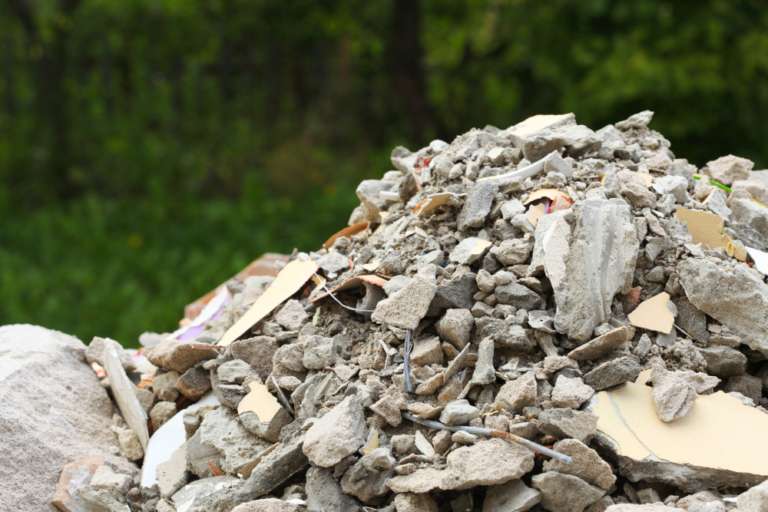
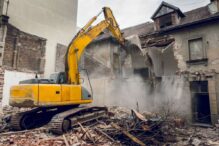
    Demolition cleanup is a specialized service focused on clearing the aftermath of construction or demolition projects. It involves more than just hauling items away, as it deals with heavy materials such as concrete, drywall, flooring, and cabinetry. Unlike standard junk removal, demolition cleanup requires careful planning to safely handle debris that may include sharp edges, nails, or hazardous substances. Professionals in this field are equipped with tools and knowledge to dismantle structures and remove waste without causing damage to surrounding property. The goal is to leave the space safe, accessible, and ready for the next phase of construction or renovation.

    The process often begins with assessing the site to determine the type and volume of debris. Workers sort materials that can be recycled or donated, ensuring environmental responsibility. Safety protocols are strictly followed, including protective gear and proper disposal methods. Demolition cleanup also involves coordination with waste management facilities for oversized items or materials that cannot be disposed of in regular trash bins. This level of thoroughness distinguishes it from typical junk removal, highlighting its role in maintaining both safety and compliance in construction projects.

    Exploring What Junk Removal Entails

    Junk removal is a more general service designed to clear out unwanted items from homes, offices, or commercial spaces. It covers furniture, appliances, electronics, yard waste, and other everyday clutter. Unlike demolition cleanup, it rarely involves hazardous debris or structural materials. The focus is on convenience, efficiency, and reclaiming usable space quickly. This service is ideal for decluttering, moving, or preparing a property for sale, offering flexibility in scheduling and pricing.

    Professionals in junk removal prioritize speed and ease, often handling multiple items in a single visit. They provide labor, loading, transportation, and disposal, making it a hassle-free solution for clients. Sorting for donation or recycling is commonly part of the service, reflecting a commitment to sustainability. While junk removal can be part of a renovation cleanup, its scope is more limited, focusing on items that can be safely lifted and hauled without specialized equipment. This makes it an accessible option for individuals and businesses seeking to maintain tidy, functional spaces.

    Safety Considerations in Demolition Cleanup

    Safety is a critical factor that sets demolition cleanup apart from junk removal. The nature of demolition debris presents risks such as sharp objects, heavy materials, and potential exposure to asbestos or mold. Workers are trained to navigate these hazards, employing protective gear, reinforced gloves, helmets, and sometimes respirators. A structured approach to debris handling ensures injuries are minimized, and the site remains secure for subsequent construction work.

    Planning also extends to environmental safety. Materials are often separated for proper disposal or recycling, reducing landfill impact and adhering to local regulations. Risk assessment is continuous throughout the cleanup, allowing crews to anticipate and mitigate accidents. Unlike typical junk removal, where hazards are generally limited to lifting heavy furniture or bulky appliances, demolition cleanup demands heightened vigilance and technical expertise. This meticulous attention reinforces its necessity for construction and renovation projects.
    The Tools and Equipment Differences

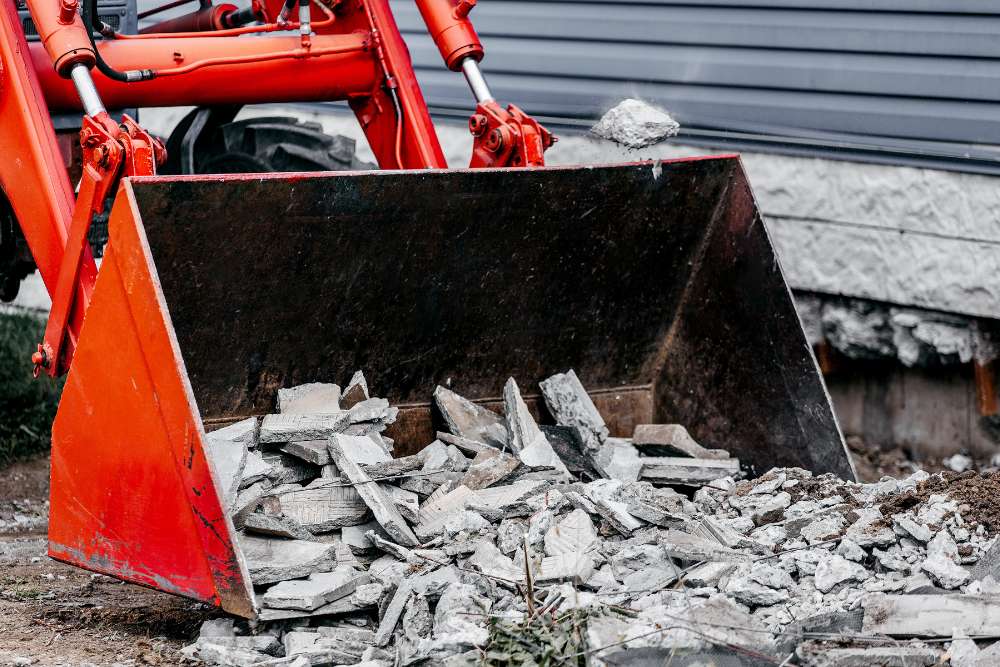
    Demolition cleanup relies on specialized tools and equipment not commonly used in standard junk removal. This includes heavy-duty trucks, skid steers, jackhammers, dumpsters, and protective barriers. These tools allow crews to break down large structures safely, remove concrete or wood, and manage debris that is far beyond the capacity of simple hauling services. The use of appropriate machinery ensures efficiency and protects both workers and property.

    In contrast, junk removal usually requires minimal equipment beyond hand trucks, dollies, and pickup trucks. The simplicity allows for quick mobilization and less logistical planning. However, it also limits the type of materials that can be safely handled. This distinction emphasizes why demolition cleanup is considered a specialized trade, whereas junk removal offers a broader, more general service. The right equipment enables both services to fulfill their respective purposes effectively.

    Environmental Responsibility and Disposal Practices

    Both demolition cleanup and junk removal involve disposal, but the approach differs significantly. Demolition projects generate materials like concrete, metal, and hazardous substances that must be recycled or disposed of according to stringent regulations. Crews often collaborate with recycling centers and specialized waste facilities to ensure materials are processed responsibly. This not only prevents environmental damage but can also recover valuable resources from construction waste.

    Junk removal also emphasizes eco-friendly practices, often donating usable items to local charities or recycling electronics and metals. However, the volume and complexity of materials are typically lower, making compliance with environmental standards simpler. Understanding these differences is essential for property owners who wish to maintain sustainability in their cleanup efforts. The choice between the two services depends largely on the type of debris and the environmental considerations associated with it.

    Cost and Time Efficiency Comparisons

    Cost and efficiency are important when deciding between demolition cleanup and junk removal. Demolition cleanup tends to be more expensive due to the labor, equipment, and safety measures involved. Timeframes can also be longer, especially for large-scale projects, because debris must be sorted, hazardous materials handled appropriately, and compliance with local regulations ensured. Clients invest in expertise and thoroughness to mitigate risks and maintain project timelines.

    Junk removal is generally faster and more affordable, focusing on immediate removal of household or office items. Pricing often depends on volume or item type rather than labor intensity or hazard management. The efficiency of junk removal is in its convenience and simplicity, making it an attractive option for routine decluttering or quick cleanouts. This contrast helps individuals and businesses evaluate which service aligns best with their needs, budget, and schedule constraints.

    Situations That Require Demolition Cleanup

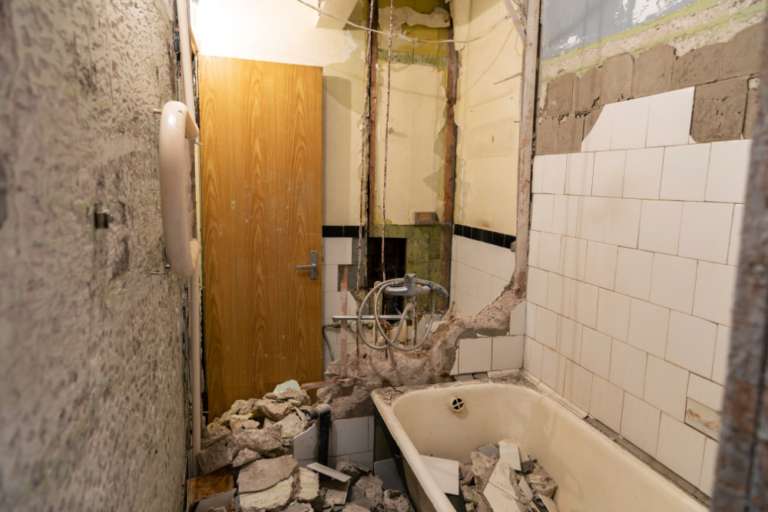
    Certain scenarios call explicitly for demolition cleanup rather than ordinary junk removal. These include remodeling kitchens or bathrooms, tearing down sheds or decks, and removing concrete or drywall. Such projects create debris that cannot be safely or effectively handled through standard hauling. Specialized crews ensure that structural components are dismantled correctly and waste is disposed of responsibly, reducing risk of injury and property damage.

    Residential or commercial renovations often involve layers of materials intertwined with nails, screws, and adhesives. Demolition cleanup crews navigate these complexities while protecting other parts of the property. They also address cleanup for construction debris left behind after contractors complete their work. The presence of heavy, sharp, or chemically treated materials makes professional handling indispensable for safety and efficiency.

    Common Junk Removal Scenarios

    Junk removal services are typically employed in everyday scenarios such as moving, estate cleanouts, office reorganizations, or spring cleaning. The service is tailored to lift, transport, and dispose of items that no longer serve a purpose in a safe and convenient manner. Unlike demolition cleanup, the items are mostly intact, non-hazardous, and easy to handle with basic tools.

    Efficiency and simplicity are key. The service ensures clutter is eliminated, free space is maximized, and clients experience a sense of relief from unwanted possessions. Recycling or donation may also be part of the process, extending the life of items that still hold value. This makes junk removal an ideal solution for maintaining clean and functional living or working environments without the complexities of handling demolition debris.

    Choosing the Right Service for Your Needs

    Selecting between demolition cleanup and junk removal involves evaluating the type of waste, safety concerns, and the complexity of the project. If the work involves heavy construction materials, hazardous debris, or structural dismantling, demolition cleanup is essential. For routine decluttering, small-scale cleanouts, or removal of intact items, junk removal is more appropriate. Understanding these distinctions helps property owners make informed decisions, saving time, reducing risk, and ensuring effective disposal.

    Professional guidance can clarify the scope of the project, suggest the appropriate service, and streamline the process. Some companies offer both services, providing flexibility based on evolving needs. By assessing the nature of the debris, required equipment, and safety considerations, property owners can choose the right path and achieve a clutter-free, safe environment efficiently.

    The Benefits of Professional Services

    Professional demolition cleanup and junk removal offer advantages beyond simple waste removal. Trained crews bring expertise, efficiency, and safety awareness that most individuals lack. They ensure compliance with local disposal regulations, handle materials responsibly, and prevent property damage. Their presence also minimizes physical strain on clients, as heavy lifting, hazardous materials, and logistical challenges are expertly managed.

    Additional benefits include recycling and donation of materials, which supports sustainability and community initiatives. Professionals can also identify items that may require special handling or disposal, reducing environmental impact. Whether tackling large-scale demolition or everyday clutter, engaging skilled services ensures that projects are completed effectively, safely, and with minimal stress for property owners.

    Conclusion

    Choosing between demolition cleanup and junk removal comes down to understanding your project’s needs. Demolition cleanup handles heavy, hazardous, and construction-related debris, while junk removal focuses on everyday unwanted items. Both services aim to restore space, enhance safety, and provide convenience. Assessing the type of waste, safety concerns, and disposal requirements will guide property owners to the appropriate solution.

    For residents and businesses in Santa Rosa, CA, North Bay Junk Removal offers expert junk removal services. Their team is trained to manage debris efficiently and safely, ensuring a smooth, stress-free experience. Whether clearing out furniture, appliances, or general clutter, North Bay Junk Removal is equipped to handle any project with professionalism and care. Contact them at 707-478-6817 to reclaim your space and enjoy a clean, organized environment without the hassle.
  • How to Safely Handle Demolition Cleanup

    How to Safely Handle Demolition Cleanup

    Preparing Your Demolition Site for Safe Cleanup

    Before tackling a demolition cleanup, it’s essential to plan your approach carefully to avoid hazards and ensure efficiency. Start by surveying the area for potential risks like sharp edges, unstable structures, or hidden nails. Clearing the space of unnecessary clutter will make movement easier and reduce the chances of accidents. Make sure to designate specific areas for debris sorting and storage. Wearing protective gear, such as gloves, safety goggles, and sturdy footwear, is crucial to shield yourself from cuts, dust, and falling objects. It’s also helpful to gather the right tools and containers for hauling debris safely without overloading yourself or causing injury.

    Establishing a system for separating materials like metal, wood, and concrete not only makes disposal easier but also encourages recycling and responsible waste management. Maintaining clear walkways and keeping heavy items low to the ground will prevent trips and falls. If children or pets are nearby, create barriers to keep them away from the demolition area. A methodical approach combined with proper safety precautions ensures the cleanup process is smooth and minimizes the chance of accidents or injuries, giving you peace of mind while clearing out debris.

    Using the Right Equipment and Tools

    Handling demolition cleanup efficiently requires the right set of tools and equipment. A wheelbarrow, heavy-duty trash bags, and a durable broom can make moving debris more manageable, while a sledgehammer and crowbar are essential for dismantling stubborn structures. For larger projects, consider renting machinery such as skid steers or mini-excavators, which can handle heavy materials with minimal strain. Always inspect your equipment before use to ensure it is in good working condition, and never attempt to lift or carry items that are beyond your physical limits without assistance.

    Proper equipment not only speeds up the process but also significantly reduces the risk of injury. Organize your tools so that they are easily accessible and store hazardous items like broken glass or nails separately in labeled containers. Using equipment correctly, maintaining steady posture, and employing safe lifting techniques can prevent strains and sprains. Remember that demolition cleanup is as much about strategy as it is about hard work; the right tools in the right hands can turn a daunting task into a manageable and even satisfying project.

    Managing Dust and Airborne Particles

    Demolition creates a lot of dust and airborne particles, which can be harmful if inhaled. To protect yourself, wear a high-quality respirator or dust mask and ensure the area is well-ventilated. Cover nearby vents and seal off rooms to prevent dust from spreading. Wetting down surfaces with water can also reduce the amount of dust released into the air. If possible, schedule cleanup on dry, calm days to minimize the risk of dust traveling to neighboring areas. Taking these precautions not only safeguards your health but also keeps the surrounding environment cleaner.

    In addition to personal protection, consider the placement of debris to avoid dust accumulation. Using tarps to contain dust-heavy materials can make disposal more manageable while reducing airborne contamination. Regularly sweeping or vacuuming the area with HEPA-filtered equipment helps maintain cleaner air and prevents dust from settling on surfaces where it might cause respiratory issues later. By proactively managing dust, you create a safer and healthier space for yourself and anyone assisting with the demolition cleanup.

    Proper Disposal of Hazardous Materials

    Demolition often involves materials that require special handling due to their hazardous nature. Items like asbestos, lead paint, or treated wood must be disposed of according to local regulations. Never mix hazardous waste with regular debris, as this can pose serious health risks and result in legal consequences. Research local disposal guidelines and facilities equipped to handle these materials safely. Label hazardous items clearly and store them separately until they can be properly taken to a certified disposal site.

    Even materials that seem harmless, such as broken glass, nails, or chemical residues, should be managed carefully. Using sturdy containers and segregating sharp objects can prevent injuries during transport and disposal. Adhering to disposal regulations protects not only your health but also the environment, reducing the potential for contamination. Careful planning and strict adherence to safety standards when handling hazardous materials ensure that your demolition cleanup remains safe and responsible.

    Lifting and Moving Heavy Debris Safely

    Heavy debris is one of the most common hazards during demolition cleanup. Always assess the weight and stability of objects before attempting to lift them. Use proper lifting techniques, keeping your back straight, bending your knees, and avoiding twisting motions. If an item is too heavy or awkward, enlist help or use mechanical aids like dollies, hoists, or wheelbarrows to prevent injury. Planning the path before moving materials reduces the chance of tripping or dropping debris on yourself or others.

    Organizing the work into smaller, manageable loads can make the process less strenuous and safer. Stack debris in stable piles and avoid overloading containers. Clear the area of obstacles to maintain a smooth path for transporting materials. By being mindful of weight, posture, and teamwork, you significantly reduce the likelihood of accidents and ensure that heavy lifting during demolition cleanup is carried out safely and efficiently.

    Securing the Work Area

    Securing the demolition site is crucial to prevent accidents and maintain control over the cleanup process. Erect barriers or caution tape around the area to warn others of potential hazards. Signage indicating dangerous zones can keep both helpers and passersby aware of risks. Ensuring that tools and debris are not left in walkways prevents trips and falls. Check for structural instabilities that may pose immediate threats and address them before proceeding with the cleanup.

    Regular monitoring of the site throughout the cleanup helps identify new risks as debris is removed. Keeping the area organized and free of loose materials allows for safer navigation and reduces the chance of injury. Communicate with anyone assisting on the project, establishing clear roles and safety protocols. By maintaining a controlled and secure work environment, you create conditions that promote efficiency while minimizing hazards during demolition cleanup.

    Sorting and Recycling Materials

    Effective demolition cleanup involves separating materials for disposal, recycling, or repurposing. Concrete, metal, wood, and plastics should be sorted into designated piles to facilitate proper handling. Recycling not only reduces landfill contributions but can also save money and resources. Take time to remove nails, screws, and other fasteners from wood before recycling. Proper sorting ensures that recyclable materials are not contaminated and remain suitable for processing.

    Recycling also extends to electronics and appliances, which often contain valuable metals and components. Partnering with local recycling centers or donation facilities can provide responsible alternatives to simply discarding materials. By taking a thoughtful approach to sorting and recycling, you can complete your demolition cleanup in an environmentally conscious manner, keeping your site organized and promoting sustainability in your community.

    Maintaining Personal Safety During Cleanup

    Personal safety is paramount in demolition cleanup. Wearing protective clothing, helmets, gloves, and eye protection reduces the risk of injury from sharp or falling objects. Stay hydrated and take breaks to avoid fatigue, which can compromise your attention and reaction time. Be aware of your surroundings, paying attention to uneven surfaces, loose debris, and other hazards. Never attempt to rush the cleanup, as haste increases the likelihood of accidents.

    Having a safety plan in place for emergencies, including a first aid kit and emergency contacts, can make a significant difference. Communicate with anyone helping you to ensure everyone is following safety protocols. By prioritizing personal safety and remaining vigilant throughout the cleanup, you not only protect yourself but also set a standard of caution and care that benefits everyone involved in the demolition project.

    Handling Unexpected Challenges

    Demolition cleanup often presents unexpected challenges such as hidden structural damage, weather interference, or unexpected debris types. Approach each situation with flexibility and caution, assessing risks before taking action. Having contingency plans and extra materials on hand, like tarps, additional containers, or temporary supports, allows for quick adaptation. Staying calm and methodical can prevent small issues from escalating into accidents or delays.

    Communication and problem-solving skills are critical when addressing surprises during cleanup. Collaborate with helpers to distribute tasks and brainstorm solutions. Keeping the site organized while adjusting to new challenges ensures that the demolition progresses safely and efficiently. Embracing adaptability while maintaining safety protocols helps you overcome obstacles with minimal disruption and maximum protection for everyone involved.

    Final Cleaning and Inspection

    The last stage of demolition cleanup involves a thorough sweep and inspection to ensure the area is safe and ready for future use. Remove small debris, nails, and sharp objects, and vacuum or sweep dust and fine particles. Inspect structures, floors, and walkways for any lingering hazards. Take note of areas that may need additional repairs or reinforcement before using the space again. Ensuring a clean and hazard-free environment reduces future accidents and improves the usability of the area.

    Final checks provide peace of mind and mark the completion of your cleanup project. Properly disposing of all collected materials according to local regulations ensures environmental responsibility. By taking the time for a meticulous final cleaning and inspection, you not only restore order to the space but also reinforce safety, making the area fully prepared for whatever comes next in your renovation or construction journey.

    Conclusion

    Handling demolition cleanup safely requires attention to detail, the right equipment, and a methodical approach. Prioritizing personal safety, managing debris, and adhering to proper disposal methods protects both the individuals performing the work and the surrounding environment. By sorting materials, securing the work area, and preparing for unexpected challenges, you can create a safe and efficient cleanup process that prevents accidents and promotes sustainability. Following these practices ensures that your demolition cleanup is thorough, responsible, and hazard-free.

    For reliable junk removal in Santa Rosa, CA, consider contacting North Bay Junk Removal. Their professional team is experienced in handling debris from demolition, construction, and general cleanup projects. With the right tools and expertise, they make clearing out spaces safe and efficient. Call North Bay Junk Removal today at 707-478-6817 to schedule your service and restore your property to a clean and organized state.

  • The Environmental Benefits of Demolition Cleanup

    The Environmental Benefits of Demolition Cleanup

    Reducing Waste Through Responsible Demolition Cleanup

    Demolition projects often leave behind a staggering amount of debris, from broken concrete to discarded wood and metals. Handling this waste responsibly can significantly reduce the environmental impact of construction activities. By separating materials and ensuring recyclables are processed correctly, less debris ends up in landfills, conserving valuable space and reducing greenhouse gas emissions from decomposition. This proactive approach also minimizes the release of harmful chemicals into soil and water, preserving local ecosystems and maintaining environmental integrity.

    Moreover, responsible demolition cleanup encourages a culture of sustainability within the construction industry. When contractors prioritize recycling and reusing materials, they not only support eco-friendly practices but also foster innovation in resource management. Salvaging usable items like metal beams, timber, and concrete aggregates helps reduce the demand for new raw materials, lowering energy consumption and the carbon footprint associated with production. In this way, demolition cleanup transforms what could be environmental liability into a pathway for sustainable development and responsible resource utilization.

    Conserving Natural Resources Through Material Recycling

    Demolition cleanup provides an opportunity to reclaim materials that would otherwise be lost. Metals, concrete, bricks, and wood can all be repurposed or recycled, significantly reducing the need to extract new natural resources. This recycling process decreases energy consumption, lowers greenhouse gas emissions, and minimizes ecological disruption caused by mining or logging activities. By diverting these materials from landfills, communities actively contribute to a more sustainable and resource-efficient construction sector.

    Reusing salvaged materials also fosters innovation and creativity. Architects and builders can integrate recycled elements into new projects, reducing environmental impact without sacrificing structural integrity or aesthetic appeal. Beyond immediate environmental benefits, this practice encourages a circular economy where waste becomes a valuable resource. As awareness of sustainable practices grows, demolition cleanup becomes not only a practical solution for waste management but also a catalyst for broader ecological responsibility and conservation.

    Limiting Pollution With Strategic Debris Management

    Unmanaged demolition debris often releases pollutants into the air, soil, and waterways, creating hazards for both human health and local wildlife. Dust, asbestos fibers, lead paint residues, and chemical contaminants can easily spread if debris is not carefully handled. Strategic cleanup practices, including containment, proper disposal, and recycling, mitigate these risks. Effective debris management ensures that pollutants are isolated and treated, significantly reducing the potential for long-term environmental damage.

    In addition to protecting natural habitats, careful debris management supports community well-being. Neighborhoods surrounding construction sites benefit from cleaner air, reduced dust, and safer streets. By prioritizing proper disposal and material sorting, demolition cleanup prevents hazardous substances from entering storm drains or soil, safeguarding water quality and reducing public health risks. These efforts collectively demonstrate how conscientious cleanup practices can align environmental stewardship with responsible urban development.

    Promoting Energy Efficiency in Construction and Demolition

    Recycling and reusing demolition materials directly impacts energy efficiency. Manufacturing new building materials demands significant energy inputs, often relying on fossil fuels. Salvaging materials from demolition projects diminishes this energy demand, as repurposed materials require less processing. Energy savings translate to reduced carbon emissions and lower overall environmental strain, making demolition cleanup an essential part of green construction strategies.

    Beyond the obvious environmental benefits, energy-efficient material use fosters cost savings for developers and builders. Reducing the need to purchase new materials and minimizing transportation-related energy consumption lowers operational expenses while supporting sustainability goals. By integrating energy-conscious demolition cleanup practices, construction teams can enhance both ecological outcomes and economic efficiency, setting a benchmark for environmentally responsible building projects.

    Supporting Wildlife and Ecosystem Health

    Demolition debris can disrupt local wildlife and fragile ecosystems if left unmanaged. Large piles of rubble and hazardous materials create physical barriers and contamination that can affect plant and animal life. Cleanup efforts that emphasize sorting, recycling, and safe disposal help restore natural habitats and reduce ecological stress. Removing debris promptly allows for the natural regeneration of flora and fauna, promoting biodiversity and environmental resilience.

    Moreover, responsible demolition cleanup encourages a landscape-centric approach to construction. By mitigating debris impact, soil quality is preserved, waterways remain uncontaminated, and urban green spaces can thrive alongside development projects. Such practices demonstrate how cleanup operations can extend beyond waste management to actively support ecosystem health, creating a balance between human activity and nature conservation.

    Reducing Carbon Footprint With Sustainable Practices

    Every step in demolition cleanup, from sorting materials to recycling metals and concrete, contributes to lowering the carbon footprint of construction projects. Recycling eliminates the need for energy-intensive production of raw materials, while reducing landfill use minimizes methane emissions. These measures collectively help combat climate change by limiting greenhouse gas accumulation in the atmosphere.

    Additionally, integrating sustainable demolition practices reinforces environmental accountability within the construction industry. Builders, contractors, and property owners who adopt eco-conscious cleanup methods set a standard for responsible development. Through these efforts, each project becomes an opportunity to demonstrate how thoughtful waste management can directly influence carbon reduction goals and inspire a shift toward more sustainable building practices.

    Enhancing Soil and Water Quality

    Improperly discarded demolition waste can leach chemicals and toxins into the soil and nearby water sources, posing risks to agriculture, wildlife, and human health. Cleanup operations that prioritize sorting, containment, and safe disposal prevent such contamination. Recycling hazardous materials and using environmentally friendly disposal methods ensures that soil retains its fertility and water remains safe from pollutants.

    Maintaining soil and water quality has far-reaching implications for local communities. Healthy soils support urban greenery and landscaping, while clean water reduces the burden on municipal treatment facilities. By carefully managing demolition debris, cleanup efforts contribute to broader environmental protection and foster a culture of ecological responsibility that benefits both natural and urban ecosystems.

    Encouraging Circular Economy and Resource Efficiency

    Demolition cleanup is a cornerstone of the circular economy. Materials that might be considered waste can be transformed into new resources, reducing the need for raw material extraction and minimizing environmental impact. Bricks, concrete, metals, and wood can all be reintegrated into construction projects or repurposed for creative applications, maximizing resource efficiency.

    Embracing a circular approach also drives economic benefits. Reclaimed materials often cost less than new alternatives and provide opportunities for innovative construction solutions. Communities that prioritize recycling and repurposing within demolition projects contribute to sustainability while fostering local markets for reclaimed materials. This approach underscores how strategic cleanup can turn potential waste into valuable resources, aligning environmental responsibility with practical benefits.

    Reducing Landfill Dependence Through Effective Debris Diversion

    Landfills face increasing pressure from construction and demolition waste. Effective cleanup strategies that emphasize sorting and recycling significantly reduce the volume of materials sent to these sites. Diverting debris not only prolongs landfill lifespan but also reduces methane production, soil leachate issues, and other environmental hazards associated with overfilled landfills.

    Communities and builders alike benefit from this reduction in landfill dependence. With fewer materials ending up in waste sites, urban planning becomes more sustainable, and regulatory compliance is simplified. By investing in demolition cleanup initiatives, the construction sector demonstrates a commitment to responsible waste management that protects public health and preserves environmental resources for future generations.

    Promoting Community Health and Safety

    Beyond environmental impact, demolition cleanup enhances community well-being. Debris and waste left on construction sites can pose physical hazards, attract pests, and create unsanitary conditions. Organized cleanup ensures safer streets and construction zones, protecting residents from injuries and exposure to harmful substances.

    Cleanup also reinforces a sense of civic responsibility. Communities where debris is properly managed enjoy improved aesthetics, reduced risk of contamination, and safer outdoor spaces for residents. By integrating environmental and safety-conscious demolition practices, construction projects can simultaneously protect ecosystems and support the health and quality of life of surrounding populations.

    Conclusion

    Responsible demolition cleanup plays a crucial role in preserving the environment while supporting sustainable construction practices. By reducing waste, recycling materials, conserving energy, and protecting ecosystems, cleanup operations minimize the ecological footprint of development projects. Communities benefit from cleaner spaces, improved soil and water quality, and enhanced safety, demonstrating the multifaceted value of conscientious debris management.

    For Santa Rosa residents and businesses seeking professional assistance, North Bay Junk Removal offers comprehensive junk removal services tailored to demolition projects. Their team ensures materials are responsibly sorted and disposed of, promoting environmental stewardship while keeping properties safe and clutter-free. To schedule an appointment, contact North Bay Junk Removal in Santa Rosa, CA at 707-478-6817 and take a step toward sustainable and efficient junk removal.

  • Why You Need Professional Demolition Cleanup Services

    Why You Need Professional Demolition Cleanup Services

    Demolition projects leave behind a chaotic mix of debris that can easily damage your property or injure someone if not handled properly. Professional cleanup services step in with the experience and equipment necessary to remove these hazards efficiently. From sharp metal fragments to unstable flooring and scattered concrete, every piece of waste requires careful attention. Attempting to clear this on your own often leads to accidental damage or injury. Professionals streamline the process, ensuring that each area is cleared safely and completely, leaving your property intact and ready for its next phase. Their expertise means no corner is overlooked, reducing risk and stress. With the proper safety protocols, trained personnel prevent accidents and ensure a smooth cleanup process.

    Beyond safety, hiring experts saves time and energy, allowing you to focus on the next steps of your project rather than dealing with overwhelming piles of debris. The cleanup team works quickly and methodically, using specialized tools to lift, transport, and dispose of materials without disruption. Their efficiency reduces the overall timeline of your project and minimizes interruptions to your schedule. Professional demolition cleanup ensures that your property remains organized and ready for construction or renovation, providing peace of mind that every piece of debris has been properly handled.

    Efficient Waste Management and Disposal

    Demolition projects generate a large volume of waste that requires proper sorting, recycling, and disposal. Professional cleanup services understand local regulations and environmental requirements, making sure that all materials are processed responsibly. Materials such as wood, metal, concrete, and drywall are sorted and directed to appropriate recycling or disposal sites, reducing the environmental impact of your project. Attempting to manage this on your own often results in improper disposal, which can lead to fines or environmental damage. Experts ensure that everything is removed in compliance with the law, keeping your project on track and environmentally responsible.

    Using a professional team also helps prevent unnecessary clutter and storage problems. Debris is often heavy, awkward, and unsafe to transport without proper equipment. Cleanup services provide the necessary tools and vehicles to handle large and cumbersome items, preventing damage to your property and avoiding potential strain or injury. Their structured approach to waste management means no material is left behind or forgotten. Professional demolition cleanup ensures a clean and organized space that meets both safety and environmental standards, enhancing the efficiency and success of any construction or renovation project.

    Saving Time and Reducing Stress

    Managing demolition waste can be exhausting, especially when juggling multiple responsibilities or deadlines. Professionals take this burden off your shoulders by handling every aspect of the cleanup, from collection to disposal. They follow a systematic approach to ensure every piece of debris is removed quickly and efficiently, freeing you from the tedious and often hazardous work. This not only accelerates the completion of your project but also allows you to focus on planning and executing the next phase without distractions. By relying on their expertise, you reduce the stress and chaos typically associated with demolition projects.

    Additionally, professional cleanup services provide reliable scheduling and consistent service. Unlike attempting the task alone or with untrained help, you can count on a dedicated team to arrive on time, complete the work efficiently, and leave the site safe and orderly. This reliability gives you confidence that the project will proceed smoothly, without unexpected delays or complications. With professionals managing the cleanup, you gain both peace of mind and practical support, ensuring your property is maintained and your demolition project moves forward seamlessly.

    Specialized Equipment for Tough Jobs

    Certain demolition tasks involve materials that are particularly heavy, bulky, or hazardous. Professional cleanup crews are equipped with specialized tools and vehicles to manage these challenges safely. From forklifts to industrial-grade hauling equipment, the right tools allow for rapid and secure removal of debris that would be difficult or impossible to handle manually. This capability prevents damage to your property and ensures the removal process adheres to safety standards. Handling these materials without proper equipment can be risky, so using a professional service is the safest option for both people and property.

    The use of advanced equipment also accelerates the cleanup process significantly. Debris that might take days to move manually can be cleared in hours with the right machinery. Professionals know how to operate these tools efficiently and safely, ensuring no damage occurs to surrounding areas. This approach reduces labor costs, limits physical strain, and ensures a thorough cleanup. Utilizing specialized equipment is a hallmark of professional demolition cleanup, making it an investment in safety, efficiency, and overall project success.

    Handling Hazardous Materials Responsibly

    Demolition often uncovers hazardous substances like asbestos, lead paint, or mold that require careful handling. Professionals are trained to identify and safely remove these hazards, protecting both people and the environment. Improper handling of these materials can lead to serious health issues and legal consequences. Cleanup teams follow strict guidelines to contain, transport, and dispose of hazardous materials, ensuring compliance with health and safety regulations. Their expertise minimizes risk and ensures that your property is safe for occupancy and future construction.

    Beyond compliance, proper handling of hazardous materials prevents contamination of other areas of your property or neighboring sites. Experts use protective gear, containment methods, and specialized disposal techniques to avoid spreading dangerous substances. This meticulous approach safeguards your family, employees, and the wider community from exposure. Hiring professional demolition cleanup ensures that all hazardous materials are managed responsibly, providing peace of mind and a safe, clean environment for everyone involved in or around the project.

    Reducing Environmental Impact

    Demolition cleanup is not just about removing debris; it also involves environmental responsibility. Professionals sort materials to ensure that items like metal, wood, and concrete are recycled or repurposed whenever possible. This reduces landfill waste and promotes sustainable construction practices. Attempting to manage this on your own often leads to mixing materials or discarding recyclables unnecessarily. Cleanup services are aware of how to maximize reuse and recycling, helping your project align with green building standards and environmental goals.

    Recycling and proper disposal also reduce the risk of pollution and contamination in your area. Professionals have established channels for eco-friendly disposal and ensure that hazardous materials do not enter natural ecosystems. By entrusting demolition cleanup to experts, you contribute to sustainability while keeping your property clean and safe. This responsible approach benefits not only your project but also the community and environment, making professional services an essential part of any demolition or renovation work.

    Enhancing Project Efficiency

    When demolition debris is left unmanaged, it slows down construction and renovation progress. Professional cleanup services prevent bottlenecks by keeping the work area clear and organized. This efficiency allows contractors, designers, and homeowners to move forward with subsequent phases without delay. A cluttered site can also increase the risk of accidents, further hindering progress. Experts maintain order throughout the cleanup process, allowing your project to advance smoothly and on schedule. With professional support, delays caused by debris management are minimized, resulting in faster project completion.

    Efficient cleanup also reduces coordination challenges between multiple trades or contractors. By keeping the site tidy, professionals enable different teams to work without obstruction, improving workflow and productivity. The organized removal of debris ensures that every stage of construction or renovation proceeds seamlessly. Investing in professional demolition cleanup enhances project efficiency, reduces downtime, and supports a safer, more productive environment for all involved in the project.

    Cost-Effectiveness Over Time

    Hiring professional demolition cleanup may seem like an added expense, but it often proves more cost-effective in the long run. Attempting to remove debris on your own can lead to hidden costs such as property damage, personal injury, fines for improper disposal, or delays in project completion. Professionals bring both efficiency and expertise, reducing the likelihood of costly mistakes. Their structured approach ensures that every piece of debris is removed correctly the first time, saving you money and frustration.

    In addition, cleanup services often have access to wholesale disposal rates and recycling networks, lowering disposal costs compared to individual attempts. They also minimize the potential for accidents and associated medical or legal expenses. By investing in professional demolition cleanup, you not only protect your property and health but also optimize your budget, avoiding unforeseen costs and ensuring a smoother project from start to finish.

    Peace of Mind for Homeowners and Contractors

    Demolition projects can be stressful, and managing the resulting mess adds another layer of worry. Professional cleanup services offer peace of mind by taking responsibility for the entire process. Knowing that trained personnel are handling debris safely and efficiently allows homeowners and contractors to focus on other project priorities. The reliability of professional teams reduces anxiety, ensuring that deadlines are met and that the site remains safe and accessible throughout the process.

    Peace of mind extends beyond safety and efficiency. Professionals guarantee that all materials are disposed of responsibly, hazardous items are managed correctly, and the property is left in excellent condition. This reliability fosters trust and confidence in the project’s progression. By hiring demolition cleanup experts, you gain reassurance that every detail is attended to, creating a stress-free environment and allowing the project to proceed without unnecessary interruptions or concerns.

    Long-Term Value and Property Preservation

    A well-managed demolition cleanup does more than remove debris; it protects the long-term value of your property. Piles of leftover materials can cause structural damage, moisture problems, or attract pests, all of which can diminish the property’s worth. Professional cleanup services prevent these issues by ensuring that the site is thoroughly cleared and safe. Their careful handling preserves the integrity of the remaining structures and surrounding areas, maintaining the property’s value for future use or sale.

    Investing in professional demolition cleanup also demonstrates responsible property management and a commitment to quality. Prospective buyers or tenants recognize the difference when a site is clean, organized, and free of hazards. By preserving your property during and after demolition, you safeguard its financial and structural future. Long-term value and property preservation are enhanced through expert cleanup services, making them an essential component of any demolition or renovation project.

    Conclusion

    Professional demolition cleanup services offer a combination of safety, efficiency, and environmental responsibility that ensures your project proceeds smoothly. Handling debris on your own can lead to injury, property damage, or regulatory violations, whereas experts manage every detail with care. From hazardous materials to heavy and cumbersome waste, trained personnel equipped with specialized tools ensure that your property remains intact and ready for the next phase. Their systematic approach to waste removal enhances project efficiency, reduces stress, and safeguards the environment, all while saving time and money. Entrusting cleanup to professionals provides peace of mind and protects the long-term value of your property.

    When considering demolition or renovation projects in Santa Rosa, CA, North Bay Junk Removal offers reliable and comprehensive junk removal services that simplify your workload. Their experienced team handles everything from collection to responsible disposal, ensuring your property remains safe and organized. For trusted junk removal support, contact North Bay Junk Removal at 707-478-6817 and experience professional, efficient, and eco-friendly service. Whether it is a small cleanup or a large-scale demolition project, their expertise guarantees a seamless process that keeps your property pristine and project timelines on track.

Call Now