northbay

Category: Commercial Construction Debris

  • The Benefits of Construction Debris Removal for Your Project

    The Benefits of Construction Debris Removal for Your Project

    Enhancing Safety on the Job Site

    Keeping a construction site clean is crucial for maintaining safety. Debris scattered around can create hazards for workers, leading to trips, falls, or injuries from sharp objects. By removing construction debris promptly, a project can avoid unnecessary risks, ensuring everyone on site can focus on their tasks without worrying about dangerous obstacles. This proactive approach not only protects the workforce but also fosters a culture of safety that can positively influence overall productivity and morale.

    In addition to preventing accidents, clearing debris helps maintain compliance with local safety regulations. A tidy site reduces the chances of violations from safety inspectors, which can save time and money that might otherwise be spent on fines or project delays. Workers are also able to navigate the site more efficiently, minimizing interruptions and maintaining a smoother workflow. Ultimately, investing in proper debris removal is an investment in both worker well-being and project efficiency.

    Improving Project Efficiency and Organization

    Construction debris removal directly contributes to the organization of a project site. A cluttered workspace can slow down progress, as workers spend time maneuvering around materials or searching for tools amidst leftover waste. Removing debris keeps pathways clear and allows equipment and materials to be staged appropriately, streamlining the construction process and reducing wasted time. Efficient debris management can even accelerate project timelines, making it easier to meet deadlines.

    Organized sites also facilitate better communication among teams. When materials and work zones are clearly delineated, project managers can monitor progress more effectively and address issues quickly. This clarity reduces misunderstandings, prevents delays, and improves coordination between contractors, subcontractors, and laborers. Ultimately, regular debris removal supports a more structured and productive work environment, keeping projects on track and mitigating the risk of costly setbacks.

    Protecting the Environment

    Proper construction debris removal plays an important role in environmental stewardship. Disposing of materials responsibly reduces the amount of waste that ends up in landfills and ensures recyclable items are properly processed. Segregating debris, such as metals, wood, and concrete, allows for more effective recycling and repurposing, minimizing environmental impact while conserving natural resources. Projects that prioritize sustainable waste management contribute positively to community environmental goals.

    Moreover, environmentally conscious disposal practices can enhance the reputation of a construction company. Clients and stakeholders are increasingly valuing sustainability, and demonstrating a commitment to responsible waste handling can strengthen trust and brand perception. By integrating green disposal methods into daily operations, construction teams not only comply with environmental regulations but also showcase their dedication to ethical, forward-thinking practices.
    Minimizing Costs Associated with Waste

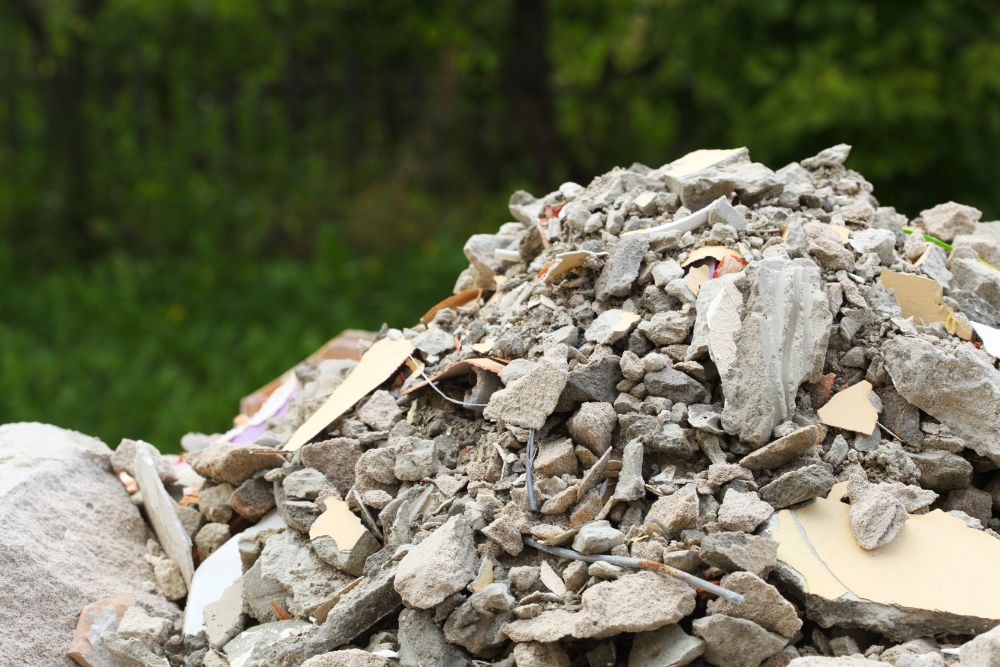
    Neglecting debris removal can lead to higher costs over time. Piled-up waste can damage materials or tools, increase insurance risks, and even cause project delays that affect budgets. By consistently removing construction debris, these potential expenses are mitigated, leading to cost savings. Additionally, efficient removal can optimize storage space and prevent unnecessary purchases of materials that are misplaced or damaged amid clutter.

    Hiring professional debris removal services can also be more cost-effective than managing waste in-house. Experts bring the right equipment, manpower, and knowledge to handle disposal efficiently and safely, reducing the need for additional labor or resources from the project team. Strategic debris management allows construction projects to allocate budgets more effectively while maintaining a clean and organized site.

    Enhancing Aesthetic Appeal of the Site

    A clean construction site is not only safer but also more visually appealing. This is particularly important for projects in visible locations where stakeholders, neighbors, or potential clients may observe ongoing work. Maintaining a tidy environment projects professionalism and attention to detail, enhancing the overall impression of the project. Clear spaces make it easier for teams to showcase progress and demonstrate quality work.

    Aesthetics can also influence morale on the job site. Workers tend to feel more motivated and productive in a clean and organized environment, knowing that their efforts are not hampered by clutter and chaos. A visually appealing site promotes a positive atmosphere, which can improve team collaboration and job satisfaction. Cleanliness thus becomes a vital component of both perception and performance in construction.

    Facilitating Easy Access and Movement

    Construction projects often require heavy equipment and vehicles to move around the site. Accumulated debris can obstruct pathways, making it difficult to transport materials efficiently and safely. Removing debris ensures that machinery can operate without hindrance, reducing the risk of accidents and equipment damage. Smooth access improves operational flow and allows tasks to be completed more swiftly.

    Additionally, clear routes support better material handling and logistics planning. When delivery trucks, forklifts, and other equipment can navigate without interruption, the timing of material arrivals and installations is more predictable. Efficient movement across the site minimizes downtime and enhances coordination, contributing to the overall success of the construction project.

    Promoting Compliance with Local Regulations

    Many municipalities have strict guidelines regarding construction waste and site cleanliness. Failure to adhere to these rules can result in fines, work stoppages, or legal complications. Regular debris removal ensures compliance with local regulations, protecting the project from costly interruptions. A disciplined approach to waste management demonstrates a responsible attitude toward legal requirements.

    Proactively managing construction debris also positions a project team as reliable and professional. Inspectors and clients alike can see that safety and environmental standards are prioritized. This proactive compliance can reduce scrutiny and allow construction work to progress smoothly. By integrating debris removal into routine operations, projects maintain a legal and ethical standing in all aspects of construction management.

    Reducing Fire Hazards

    Accumulated construction debris, especially flammable materials like wood, cardboard, or certain plastics, can create fire hazards. Prompt removal of such waste significantly reduces the risk of fire outbreaks, protecting both the workforce and the structure under construction. Regular cleanup is a critical safety measure that should be integrated into daily routines to safeguard lives and property.

    A safer environment also translates to fewer disruptions. Fire-related incidents can halt construction for extended periods and incur substantial costs. By maintaining a debris-free site, the likelihood of fire-related emergencies decreases, allowing the project to proceed without unexpected delays. Effective waste management thus becomes an essential part of comprehensive risk mitigation.

    Supporting Project Reputation

    The way a construction site is managed reflects on the company handling the project. A clean, organized site signals professionalism, reliability, and dedication to quality. Clients, inspectors, and community members are more likely to trust a company that maintains high standards of cleanliness and safety. This reputation can lead to repeat business, referrals, and stronger client relationships.

    Professional debris removal also shows attention to detail in every aspect of the project. From initial groundwork to final touches, a site that is meticulously maintained demonstrates commitment to excellence. Such attention can distinguish a construction company in a competitive market, reinforcing credibility and establishing a standard for operational excellence.

    Enabling Smooth Project Closeout

    Efficient construction debris removal simplifies the final stages of a project. With a site cleared of waste and unwanted materials, final inspections and handovers can occur seamlessly. A clean site ensures that all project milestones are documented accurately and that nothing is overlooked. This facilitates timely completion and enhances client satisfaction.

    Additionally, clearing debris during the project rather than at the end prevents last-minute scrambling, which can be stressful and costly. Smooth project closeout ensures that all parties involved, from contractors to clients, experience a professional and organized conclusion. Integrating debris management throughout the project timeline supports a polished and efficient completion process.

    Conclusion

    Investing in construction debris removal offers numerous benefits that extend beyond mere cleanliness. From enhancing safety and efficiency to protecting the environment and reducing costs, a well-maintained site fosters both operational and reputational advantages. Clean sites improve accessibility, ensure compliance with regulations, and reduce hazards, supporting smoother project execution and better outcomes.

    When it comes to reliable junk removal services, North Bay Junk Removal in Santa Rosa, CA, is a trusted partner for managing construction waste. Their team brings expertise, equipment, and professionalism to every project, ensuring that debris is handled efficiently and responsibly. For projects of any scale, contacting them at 707-478-6817 can help streamline site management while maintaining safety, organization, and environmental responsibility. Professional junk removal contributes to a cleaner, safer, and more successful construction experience.
  • How to Safely Dispose of Commercial Construction Debris

    How to Safely Dispose of Commercial Construction Debris

    Understanding the Importance of Proper Construction Debris Disposal

    Construction sites naturally accumulate a variety of debris ranging from wood scraps and metal offcuts to concrete rubble and packaging materials. Handling this waste properly is essential not only for compliance with local regulations but also for maintaining a safe and productive work environment. Failing to dispose of materials correctly can result in injuries, project delays, and potential fines. Developing a clear plan for debris management from the outset ensures materials are sorted, contained, and transported safely. Awareness of hazardous materials such as asbestos, lead, and certain chemicals is crucial, as mishandling these can pose serious health risks to workers and nearby communities.

    Proper disposal practices also contribute to sustainability. Many construction materials can be recycled or repurposed rather than ending up in landfills. Segregating metal, wood, concrete, and cardboard early in the construction process can save time, reduce costs, and support environmental responsibility. Establishing designated collection zones and using appropriate containers can streamline cleanup efforts, making the worksite more organized and reducing the risk of accidents caused by scattered debris.

    Planning Efficient Debris Removal

    A systematic approach to debris removal begins with evaluating the types and quantities of waste generated throughout a project. Scheduling regular pickups or establishing a routine hauling process can prevent excessive accumulation and ensure continuous workflow. Coordinating with licensed waste management providers guarantees compliance with disposal regulations and minimizes environmental impact. On-site supervision is key to maintaining debris segregation and verifying that materials are disposed of correctly, especially when dealing with hazardous substances.

    Equipping staff with proper personal protective equipment such as gloves, goggles, and sturdy boots is critical during debris handling. Establishing clear communication channels for reporting hazards or unsafe conditions reinforces safety protocols. Efficient debris management also involves choosing the right disposal methods—recycling metals, repurposing wood, and safely transporting non-recyclables to approved facilities. Prioritizing both safety and environmental responsibility ensures projects are completed smoothly without unnecessary risks or penalties.

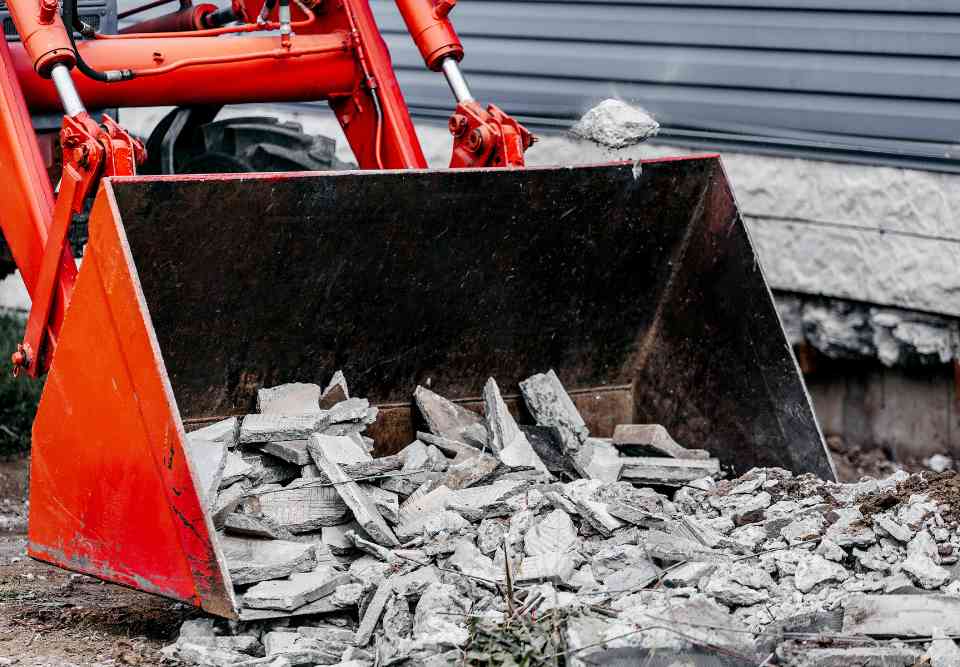
    Commercial Construction Debris

    Identifying Recyclable Materials

    Recognizing which materials are suitable for recycling can significantly reduce the environmental footprint of a construction project. Metals, concrete, bricks, and untreated wood are commonly recyclable and can often be sold or repurposed for other construction projects. Segregating recyclable items at the source simplifies the process for recycling facilities and enhances the economic value of waste materials. Clear labeling and designated storage areas for recyclables prevent cross-contamination with non-recyclable debris.

    In addition to environmental benefits, proper sorting can reduce hauling costs since recyclable materials often have separate disposal channels. Keeping detailed records of recycled items also helps demonstrate compliance with local environmental regulations. By making recycling an integral part of debris management, construction teams can support sustainability efforts while keeping worksites safer and more organized.

    Handling Hazardous Construction Waste

    Construction sites may produce hazardous waste such as asbestos, paints, solvents, adhesives, and treated wood. Handling these materials requires specialized knowledge and strict adherence to safety standards. Improper disposal can lead to fines, health hazards, and long-term environmental damage. Identifying hazardous materials early in the project and creating a specific disposal plan is essential.

    Workers should receive proper training in handling hazardous substances and always use the appropriate protective gear. Containment measures such as sealed containers and secure storage areas help prevent accidental exposure or contamination. Partnering with licensed hazardous waste disposal companies ensures materials are treated and transported according to regulations. Maintaining accurate documentation of hazardous waste handling further safeguards both workers and project managers from liability.

    Using Professional Debris Removal Services

    Engaging professional debris removal services can streamline the disposal process while ensuring safety and regulatory compliance. These providers have the expertise, equipment, and transportation options to efficiently remove large volumes of construction debris. Outsourcing debris management reduces strain on on-site staff and allows them to focus on core construction activities without compromising safety.

    Professional services also have access to recycling networks and approved disposal facilities, which ensures that recyclable and non-recyclable materials are processed responsibly. Their experience in handling diverse debris types, including hazardous substances, minimizes the risk of accidents and regulatory violations. Employing experts can also save time, reduce costs associated with improper disposal, and provide peace of mind that the project adheres to environmental and safety standards.

    Implementing On-Site Safety Measures

    Maintaining a safe construction site involves establishing protocols for handling and storing debris properly. Designated waste collection areas, clear pathways, and frequent site inspections reduce the likelihood of accidents caused by scattered materials. Workers should be trained to recognize hazards and follow consistent procedures when lifting, moving, or stacking debris.

    Using appropriate signage and barriers helps prevent unauthorized access to areas with heavy debris or hazardous materials. Regular audits of safety practices ensure that protocols are being followed and identify opportunities for improvement. By prioritizing on-site safety, construction managers can protect workers, reduce liability, and maintain efficient workflow without unnecessary disruptions.

    Scheduling Debris Removal Strategically

    Timing plays a critical role in effective debris management. Scheduling removal at consistent intervals prevents accumulation that can hinder workflow and increase accident risks. Aligning debris pickup with project milestones allows for smoother transitions between construction phases and minimizes downtime.

    Strategic scheduling also considers environmental conditions such as weather, which can affect debris handling and transportation. Early planning for pickup and disposal ensures that debris does not obstruct heavy machinery or work zones. Effective coordination with waste management providers ensures that debris is transported to appropriate facilities without delays, keeping the project on schedule and compliant with regulations.

    Reducing Environmental Impact

    Reducing the environmental impact of construction debris involves thoughtful planning and sustainable practices. Prioritizing recycling, reusing materials, and minimizing waste generation are key strategies. Choosing suppliers that offer eco-friendly packaging and sourcing reclaimed materials can further reduce the volume of waste produced.

    Incorporating sustainability into debris management not only benefits the environment but also enhances the project’s reputation. Documentation of environmentally responsible practices can support green building certifications and demonstrate corporate responsibility. Conscious planning and active management of debris disposal ensure construction projects leave a minimal ecological footprint while maintaining operational efficiency.

    Ensuring Compliance with Regulations

    Construction debris disposal is subject to a range of local, state, and federal regulations. Compliance requires understanding what materials can be disposed of, how they should be handled, and which facilities are authorized to accept them. Failure to adhere to these rules can result in fines, legal action, or project delays.

    Maintaining up-to-date knowledge of regulatory changes, proper documentation, and partnering with licensed disposal providers are essential for compliance. Clear communication with regulatory bodies and consistent training of staff reinforce adherence to laws. A well-structured compliance plan protects the project, workers, and environment while ensuring smooth operational flow.

    Maintaining Cost-Effective Disposal Practices

    Effective debris management balances safety, compliance, and cost-efficiency. Consolidating debris, maximizing recycling opportunities, and negotiating favorable contracts with disposal services can reduce overall expenses. Prioritizing efficient loading, transportation, and sorting reduces the time and labor required for disposal.

    Regularly reviewing disposal practices helps identify areas for cost savings without compromising safety or environmental standards. Implementing structured workflows and leveraging professional services where appropriate ensures debris management remains economical while supporting operational goals. Thoughtful planning in this area safeguards budgets and contributes to project success.

    Conclusion

    Proper disposal of commercial construction debris is essential for maintaining a safe, efficient, and environmentally responsible worksite. By understanding the types of debris, identifying recyclable materials, handling hazardous substances carefully, and utilizing professional services, construction managers can ensure smooth project execution while minimizing risks. Strategic scheduling, on-site safety measures, regulatory compliance, and sustainable practices collectively contribute to a cleaner and more organized construction environment.

    For businesses seeking reliable assistance with debris removal, North Bay Junk Removal in Santa Rosa, CA offers expert solutions. Their team is equipped to manage a wide range of construction materials safely and efficiently. Contact them at 707-478-6817 to schedule professional junk removal services that prioritize safety, compliance, and environmental responsibility, allowing projects to remain on track and workspaces free of hazardous or obstructive debris.

Call Now