northbay

Category: Furniture Removal

  • How to Get Rid of Unwanted Furniture in Your Commercial Space

    How to Get Rid of Unwanted Furniture in Your Commercial Space

    Planning a Smooth Exit for Old Office Furniture

    When it comes time to clear out old desks, filing cabinets, or lounge chairs, many businesses underestimate the effort involved. Office furniture is often bulky, awkward to maneuver, and not easily broken down, which makes the process far more complex than just dragging it out the front door. Without a plan, you risk creating unnecessary chaos in your workspace and disrupting the daily rhythm of your team.

    The best way to avoid this is by treating the removal like a small project. Identify which pieces must go, designate a temporary staging area, and determine if anything can be repurposed or donated. This upfront organization not only makes removal less stressful but also ensures that nothing useful gets thrown away by mistake.

    Choosing Eco-Friendly Paths for Discarded Furniture

    One of the growing concerns in commercial spaces is the environmental impact of disposal. Sending everything straight to a landfill may seem convenient, but it adds to an already significant waste stream. Many cities have recycling centers or facilities that specifically handle wood, metal, or upholstery materials from office furniture.

    Before tossing out entire pieces, explore local recycling or donation options. A single desk might find a second life in a school or nonprofit, while chairs can often be broken down into recyclable parts. By exploring these avenues, you lessen environmental harm and keep your company aligned with sustainable practices that matter to employees and clients alike.

    Timing the Removal to Reduce Business Disruption

    The timing of furniture removal is often overlooked, yet it can determine how smoothly the process unfolds. Scheduling the removal during business hours might interfere with meetings, client visits, or employee focus, creating frustration in the workplace. On the other hand, waiting until after hours or weekends allows for a seamless transition without interrupting day-to-day operations.

    Consider the scale of the job as well. A single sofa in a reception area might be manageable during the day, but a full office overhaul calls for careful planning. By choosing a time that minimizes disruption, you allow your team to continue working efficiently while the space is refreshed behind the scenes.

    Navigating Heavy and Bulky Furniture Safely

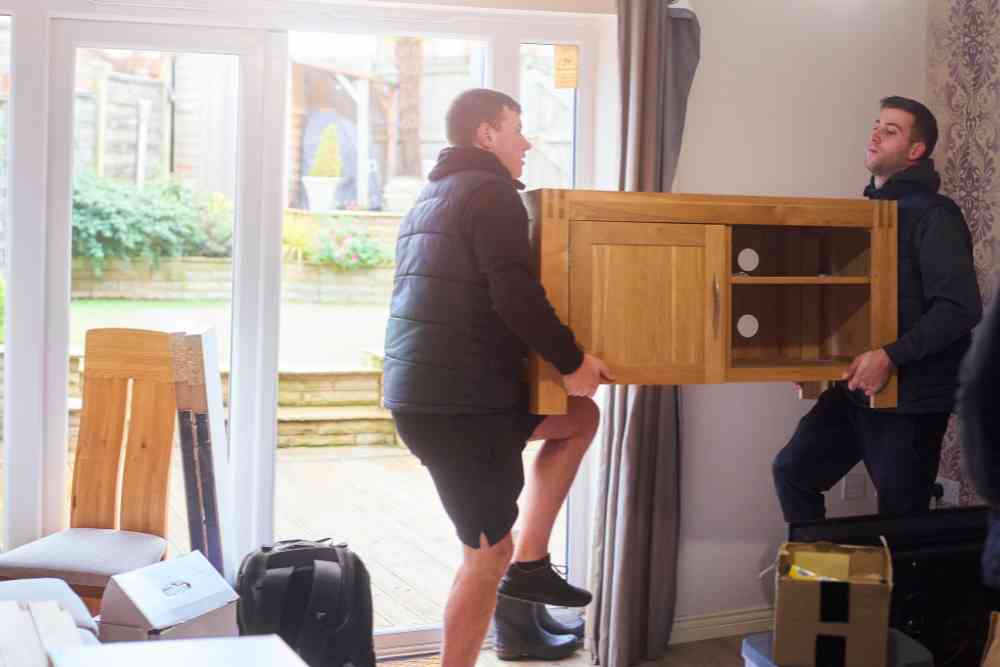
    Moving large conference tables or oversized cabinets is no easy task. These items often require multiple people, specialized tools, or even partial disassembly to move without injury or property damage. Attempting to lift heavy furniture without preparation can lead to back strain, broken equipment, or accidental damage to walls and floors.

    Using the right approach ensures safety for everyone involved. Dollies, lifting straps, and protective coverings can make a huge difference. When possible, dismantle furniture into smaller components before attempting to carry it out. Creating a clear path through hallways and entrances reduces the risk of bumps and scratches, making the removal both safer and more efficient.

    Repurposing Commercial Furniture Within the Workplace

    Sometimes furniture that feels outdated in one area may serve a valuable purpose elsewhere. That oversized filing cabinet collecting dust in the corner could be moved to a storage room, while a conference table that no longer suits the main boardroom may work perfectly in a training space.

    Repurposing saves money and reduces waste while extending the life of items already purchased. Before scheduling disposal, take inventory and think creatively about how each piece could be used differently. A little rearranging can sometimes solve problems without requiring complete removal.

    Coordinating With Building Management for Smooth Removal

    In many commercial properties, moving large items requires more than just effort—it demands communication. Buildings often have strict guidelines about when movers can use elevators, how items must be transported through common areas, and what safety measures should be in place to protect other tenants.

    Ignoring these rules can cause delays or even fines. Contact your building management early to understand any restrictions and schedule accordingly. With cooperation, the process becomes far smoother, ensuring compliance while avoiding last-minute surprises that could slow down the entire effort.

    Handling Sensitive and Confidential Items With Care

    Commercial furniture often contains more than just wood and fabric. Filing cabinets, desks, and storage units may hold sensitive information, from client records to employee files. Removing these pieces without checking their contents can lead to costly mistakes and potential privacy concerns.

    Before any removal takes place, carefully inspect and empty all drawers, compartments, and hidden storage areas. Shred or securely store sensitive documents, and ensure electronics tied to desks or cabinets are disconnected and protected. Taking these steps keeps your company safe while preventing data from being mishandled in the rush of removal.

    Weighing the Costs of DIY Versus Professional Removal

    At first glance, tackling furniture removal on your own may seem like a way to cut costs. However, once you factor in labor, potential injuries, vehicle rental, and disposal fees, the do-it-yourself route often becomes more expensive than anticipated. Employees are rarely equipped to handle heavy lifting safely, and accidents can disrupt business further.

    Hiring professionals streamlines the entire process. With experience, proper tools, and vehicles designed for large loads, the work is completed faster and with fewer risks. While there is an upfront cost, the long-term savings in time and safety often outweigh the initial investment.

    Creating Space for a More Productive Environment

    Old or unused furniture doesn’t just take up physical space—it affects how people feel in the workplace. Cluttered rooms can reduce focus, limit collaboration, and make it harder to move freely through the office. Once unnecessary furniture is gone, the entire atmosphere changes, giving employees a fresh perspective and room to grow.

    A clear workspace opens opportunities for redesign, improved functionality, and even new equipment that better suits your business goals. Whether it’s creating a lounge for brainstorming or freeing space for additional workstations, removing outdated furniture is often the first step toward a more efficient and inspiring workplace.

    Preparing for Future Furniture Needs

    Furniture removal is not only about clearing out the old—it sets the stage for what comes next. A thoughtfully planned removal allows businesses to evaluate how the workspace can evolve to meet future demands. Once the floor is open, companies have the chance to consider ergonomic upgrades, modular systems, or flexible seating arrangements.

    By pairing removal with forward planning, you avoid repeating the cycle of clutter and wasted space. The goal is to create an environment that adapts to changing business needs while remaining functional and inviting. A proactive approach transforms furniture removal from a temporary fix into an investment in the future of your workspace.

    Conclusion

    Removing unwanted furniture in a commercial space is more than just hauling out a few old desks—it’s about safety, timing, and creating an environment that better serves your team. From coordinating with building management to handling bulky items with care, every step requires thought and organization. Considering eco-friendly options, repurposing useful pieces, and planning for future needs ensures that nothing is wasted and your space is ready for new opportunities.

    For businesses ready to take the stress out of the process, professional help makes all the difference. North Bay Junk Removal in Santa Rosa, CA offers reliable junk removal services that handle the heavy lifting and disposal with efficiency and care. With a quick call to 707-478-6817, you can clear away outdated furniture and create space for growth, all while knowing the job will be completed responsibly.
  • How Furniture Removal Can Improve Your Home’s Appearance

    How Furniture Removal Can Improve Your Home’s Appearance

    Creating More Breathing Room Indoors

    When bulky or outdated furniture takes up too much space, the entire flow of a home can feel restricted. A living room overloaded with oversized chairs or an unused dining table that collects dust can disrupt how people move through a space. By removing these obstacles, rooms suddenly feel larger, airier, and more comfortable. The openness creates an inviting atmosphere, making the home more enjoyable for daily living and more appealing when guests visit.

    This extra breathing room also helps highlight the features of the home itself. Instead of furniture blocking windows, walls, or decorative details, the architecture can shine. Natural light moves more freely, hallways appear longer, and the sense of order returns. With fewer distractions, the eye naturally notices the character of the home, giving it a refreshed and polished appearance.

    Highlighting Your Home’s Best Features

    Sometimes, too much furniture hides what makes a home special. A cluttered room can cover up beautiful hardwood floors, unique architectural details, or cozy nooks. When unnecessary items are cleared away, these features come forward and transform the feel of the space. Suddenly the fireplace becomes the centerpiece of the living room, or the bay window feels like the highlight of the house.

    This improvement not only impacts how a homeowner sees their own property but also how visitors or potential buyers perceive it. Stripping away unnecessary furniture allows the home’s natural design to breathe, enhancing its personality. By removing pieces that no longer serve a purpose, the focus shifts to what matters most, creating a clean and welcoming setting.

    Encouraging Better Organization

    When fewer large furniture items take up valuable square footage, it becomes easier to organize a home. Old armoires, unused bookshelves, and oversized cabinets often turn into storage zones for forgotten clutter. Removing them pushes homeowners to rethink how they store belongings, encouraging more intentional organization. With more space available, it becomes easier to keep items neatly arranged and accessible.

    This shift in organization has a visible effect on a home’s appearance. Rooms look more orderly, surfaces remain cleaner, and the sense of chaos disappears. Rather than hiding behind overstuffed drawers or cabinets, essentials can be displayed in a thoughtful way. The result is a home that feels calmer, more controlled, and visually pleasing to anyone stepping inside.

    Furniture Removal

    Allowing Style Updates Without Limitations

    Furniture often defines the style of a room, but when pieces become outdated, they can lock a home into a look that no longer reflects the owner’s taste. By removing furniture that no longer fits the desired style, a home instantly gains the opportunity for renewal. With the old gone, fresh choices can better align with a preferred aesthetic, whether that means sleek modern lines or a warm rustic charm.

    This freedom opens the door to creativity. A cleared-out space allows homeowners to imagine new layouts, color schemes, and design possibilities without being held back by outdated or oversized pieces. The transformation doesn’t always require new purchases right away—sometimes simply removing what no longer belongs can bring a home closer to the vision of its owners.

    Improving Natural Light and Air Flow

    Heavy furniture has a way of blocking windows, vents, and open spaces where air and sunlight naturally move. When these barriers are removed, rooms immediately feel brighter and fresher. Sunlight can spill across floors, walls, and furniture, making the home appear larger and more inviting. Even on cloudy days, the improved distribution of light creates a more cheerful environment.

    Airflow also benefits from cleared spaces. Large couches, bookshelves, or unused wardrobes that once blocked circulation no longer interfere, making the home more comfortable. With better airflow, indoor spaces feel lighter, reducing that heavy, stuffy atmosphere that often comes from overcrowded rooms. The result is a noticeable improvement in the overall energy of the home.

    Preparing a Home for Sale

    Furniture removal plays a key role when preparing a property for sale. Potential buyers want to imagine themselves in the space, and that is easier to do in a clean, uncluttered environment. Overly personal or outdated pieces can distract from the house itself, while open spaces help buyers focus on the layout and potential.

    By removing unnecessary furniture, a home appears larger, more adaptable, and easier to envision with new furnishings. Clean lines and open floors photograph better for listings, creating stronger first impressions online. In-person showings also benefit, as buyers can appreciate the architecture and flow without being distracted by mismatched or oversized furniture. This strategic move can make a significant difference in how quickly a property sells and the value it commands.

    Reducing Stress and Visual Clutter

    A crowded home filled with unnecessary furniture often creates a sense of mental clutter. Even when items are neatly placed, the sheer volume of furniture can overwhelm the senses and contribute to stress. Removing these extra pieces can be surprisingly calming, creating a more peaceful environment where the mind feels at ease.

    Visual simplicity has a direct impact on mood. Fewer distractions mean the eye can rest more easily, allowing rooms to feel more soothing. For homeowners who spend a lot of time indoors, this change can improve daily comfort and create a space that encourages relaxation. In many ways, furniture removal is as much about improving emotional well-being as it is about enhancing a home’s appearance.

    Making Room for Functional Living

    Homes evolve as needs change, and furniture that once served a purpose may no longer fit. Old desks, bulky entertainment centers, or unused dining sets often take up space that could serve better uses. By removing what no longer fits current routines, the home can adapt to the present lifestyle.

    This might mean creating a dedicated workout area, a cozy reading nook, or a more open play space for children. The flexibility that comes with cleared rooms allows homeowners to use their home in ways that truly benefit their day-to-day lives. Beyond just appearances, this type of change makes the home more practical and enjoyable to live in.

    Enhancing First Impressions for Guests

    The moment someone walks into a home, they immediately form an impression. Overcrowded rooms with too much furniture can feel unwelcoming, while open, well-balanced spaces send a different message. By removing excess pieces, the first impression becomes more positive and inviting. Guests are more likely to notice the care and thought put into the home rather than being distracted by clutter.

    A streamlined appearance also helps reflect the personality of the homeowner more clearly. Without the noise of unnecessary furniture, the chosen décor and intentional touches stand out. This kind of thoughtful presentation enhances the experience for visitors and creates a sense of pride for the homeowner as well.

    Supporting a Cleaner Home Environment

    Fewer furniture pieces mean fewer surfaces where dust and dirt can accumulate. Large, unused items often become magnets for dust, and they can make cleaning more difficult by blocking access to walls, floors, and corners. Removing them not only improves appearance but also makes regular cleaning tasks simpler.

    With easier cleaning comes a healthier indoor environment. Dust, allergens, and hidden debris have fewer places to gather, reducing irritation for those with allergies or sensitivities. A home with open, accessible spaces is easier to maintain, making it look fresher and more welcoming every day.

    Conclusion

    Furniture removal does far more than create open space—it reshapes the feel and function of a home. Each piece that leaves allows the natural character of the property to emerge, giving rooms a brighter, more spacious, and organized appearance. The changes ripple into how people experience the home, from reduced stress and improved light to a stronger impression on visitors or potential buyers. These benefits make it clear that letting go of excess furniture is not just about clearing clutter but about unlocking the true potential of a living space.

    For those ready to take the next step, professional support can make the process easier and more efficient. North Bay Junk Removal offers reliable junk removal services in Santa Rosa, CA, helping homeowners reclaim their spaces with ease. A simple call to 707-478-6817 can transform a crowded home into a cleaner, more inviting environment. With the right assistance, furniture removal becomes the first step toward a fresher, brighter, and more beautiful home.

  • Understanding the Costs of Furniture Removal

    Understanding the Costs of Furniture Removal

    Evaluating the Factors That Influence Furniture Removal Costs

    When considering furniture removal, several variables subtly shape the overall expense. The size and weight of each item naturally play a significant role, as heavier and bulkier pieces require more manpower and specialized equipment to move safely. In addition, the complexity of the space influences pricing—tight stairwells, narrow hallways, and multiple floors demand additional time and effort, often raising the cost. The type of furniture, whether it is a sofa, dining set, or mattress, can also dictate the handling methods and disposal requirements, further affecting the price. Understanding these nuances helps homeowners prepare for realistic estimates and reduces the potential for unexpected charges during the process.

    Another crucial factor is the distance between the pickup location and the disposal or recycling facility. Transportation costs, fuel, and time spent en route all contribute to the final bill. Some removal companies may also charge for special handling of items containing hazardous materials or requiring eco-friendly disposal methods. By evaluating each of these elements, property owners gain insight into how removal fees are calculated, empowering them to make informed decisions and choose services that balance affordability with efficiency.

    Understanding Local Market Rates

    Furniture removal costs are also shaped by regional market conditions. In urban areas, labor and disposal fees tend to be higher due to elevated operational expenses, while suburban or rural locations may offer more competitive pricing. Local demand and the number of service providers in the vicinity can create variations, making it beneficial to compare multiple quotes before committing to a company. Pricing transparency is essential, as reputable providers clearly outline what is included in their rates and avoid hidden fees, helping clients anticipate the total expense with confidence.

    In addition to geographic influences, the timing of the service can impact costs. Scheduling removals during peak seasons, such as moving periods or post-holiday cleanouts, may incur higher charges due to increased demand. Conversely, off-peak periods can yield discounts or more flexible service options. Awareness of these market trends allows homeowners to plan strategically, potentially lowering costs while ensuring professional handling of furniture removal.

    The Role of Labor in Determining Prices

    Labor remains one of the most significant contributors to furniture removal costs. The number of personnel required, the duration of the job, and the level of expertise involved all directly affect pricing. Complex removals requiring disassembly, careful maneuvering around delicate structures, or removal from upper floors necessitate additional labor hours, which translates into higher fees. Ensuring that movers are trained in proper lifting techniques also safeguards property and prevents damage, an aspect that may justify a slightly higher investment in quality service.

    Additionally, specialized equipment usage, such as dollies, lifts, or padding materials, adds to the labor-related expenses. Companies that prioritize safety and efficiency often include these tools in their service offerings, which can be reflected in their pricing structures. By considering labor needs and the expertise of the crew, homeowners can better understand why certain removals cost more and the value provided by experienced professionals.

    Disposal and Recycling Expenses

    Another key component of furniture removal costs is how items are disposed of or recycled. Many companies partner with recycling centers or charitable organizations, which can offset fees but may also involve logistical expenses. Some items, such as mattresses or upholstered furniture, require special treatment due to environmental regulations, influencing the total cost. The commitment to eco-friendly practices can sometimes result in slightly higher charges, yet these costs contribute to responsible disposal and reduced landfill impact.

    Companies that provide transparent disposal policies ensure clients understand how items are processed and any additional fees associated with recycling or hazardous waste handling. By prioritizing environmentally conscious removal, homeowners support sustainable practices, balancing the upfront cost with long-term ecological benefits. Awareness of these considerations allows clients to select services that align with both financial and ethical priorities.

    Additional Charges to Anticipate

    Beyond basic labor and disposal fees, several supplementary charges may arise during furniture removal. Stair carries, elevator usage, and long-distance hauling are common scenarios that can increase the bill. Some services also charge extra for items that require disassembly or for navigating challenging layouts. Understanding these potential add-ons prevents surprises and allows homeowners to budget accurately for the removal process.

    Insurance coverage and liability protection may also influence pricing. Reputable companies include insurance to cover accidental damage to property during removal. While this might slightly increase costs, it offers peace of mind and ensures accountability. Being aware of these additional charges equips clients to evaluate quotes thoroughly and select providers that offer comprehensive services without hidden costs.

    The Impact of Timing and Scheduling

    The timing of furniture removal can significantly influence cost efficiency. Scheduling services during peak moving seasons or weekends may lead to higher rates, whereas weekday or off-season appointments often provide more affordable options. Flexible scheduling not only helps lower expenses but can also facilitate faster service, reducing delays and stress associated with cluttered spaces.

    Planning removals with adequate notice allows companies to allocate resources efficiently, avoiding last-minute surcharges. Early scheduling also ensures better coordination with recycling or donation facilities, optimizing disposal methods. Homeowners who strategically plan the timing of their furniture removal can maximize value, balancing convenience with cost savings and ensuring a smoother overall experience.

    Comparing Quotes and Service Packages

    To fully understand furniture removal costs, comparing quotes from multiple service providers is essential. Different companies may offer varying levels of service, from basic pickup to full-service solutions that include disassembly, packaging, and eco-friendly disposal. Evaluating these options enables clients to select a plan that meets their needs and budget, avoiding under- or overpaying for services.

    Transparency in quotes is crucial. Reputable companies provide itemized estimates, explaining labor, disposal, transportation, and any additional charges. This clarity empowers homeowners to make informed decisions and ensures alignment between expectations and actual service delivery. By actively comparing packages, clients can secure optimal pricing without compromising quality or convenience.

    Hidden Factors Affecting Pricing

    Certain hidden factors can unexpectedly influence furniture removal costs. Items that require special handling due to size, fragility, or material composition may incur additional fees. Accessibility issues, such as narrow doorways, steep stairs, or limited parking, also affect the effort required and, consequently, the price. Recognizing these subtleties helps homeowners anticipate potential challenges and avoid unwelcome surprises.

    Understanding the influence of regional disposal regulations and local landfill fees is also important. These factors vary widely and can add to the overall expense, even if the labor and transportation costs remain consistent. Being mindful of such hidden elements allows clients to select companies that provide transparent explanations, ensuring they are prepared for all potential costs associated with furniture removal.

    Value of Professional Services

    Investing in professional furniture removal offers benefits beyond just clearing space. Expert crews reduce the risk of injury and property damage, streamline the removal process, and ensure environmentally responsible disposal. Although costs may seem higher than a DIY approach, the time, effort, and stress saved often outweigh the initial expense, making professional services a worthwhile investment for many homeowners.

    Moreover, professional services often include insurance coverage and liability protection, adding security and accountability. Choosing experienced providers ensures that furniture is handled safely, transported efficiently, and disposed of according to local regulations. The value of these benefits highlights why understanding costs in detail helps clients appreciate the comprehensive service they receive, rather than simply focusing on price alone.

    Cost-Saving Strategies

    Homeowners can adopt strategies to manage furniture removal costs effectively. Prioritizing items for donation, recycling, or resale can reduce the volume requiring professional pickup, lowering fees. Consolidating multiple pieces into a single appointment also minimizes labor and transportation expenses. Seeking companies that offer transparent pricing and seasonal discounts provides additional savings.

    Another strategy involves planning ahead and avoiding peak demand periods, which often carry premium rates. Homeowners who proactively declutter and coordinate with service providers maximize efficiency, minimize costs, and ensure a smooth removal process. These thoughtful approaches allow individuals to manage expenses without compromising the quality or safety of furniture removal services.

    Conclusion

    Understanding furniture removal costs involves recognizing the many factors that contribute to pricing, from labor and transportation to disposal and additional charges. Homeowners benefit from comparing quotes, planning timing strategically, and considering eco-friendly disposal options to make informed decisions. These insights not only help manage expenses but also ensure that removal is handled efficiently, safely, and responsibly.

    North Bay Junk Removal in Santa Rosa, CA offers comprehensive junk removal services tailored to meet diverse needs. Their experienced team provides professional handling, eco-friendly disposal options, and transparent pricing that helps clients anticipate costs accurately. For reliable and stress-free furniture removal, contact North Bay Junk Removal at 707-478-6817 and experience a service designed to clear space, protect property, and simplify the process from start to finish.

  • How to Get Rid of Old Furniture in a Sustainable Way

    How to Get Rid of Old Furniture in a Sustainable Way

    Consider Donating Furniture That Is Still Usable

    Instead of tossing furniture that still has life left, think about donation options. Many local charities, shelters, and community centers welcome gently used items, offering them a second chance in someone else’s home. Donation not only extends the lifespan of furniture but also benefits those in need, creating a ripple effect of positive impact. Picking the right organization may take a little research, but the effort ensures that your old furniture continues to serve a purpose rather than filling a landfill.

    Preparing items for donation often means cleaning and minor repairs, ensuring they are presentable. Even if a sofa has a tear or a chair is slightly wobbly, some organizations have in-house repair capabilities or accept slightly worn pieces for parts. By prioritizing donation, you contribute to a sustainable cycle, supporting local communities while reducing waste. This method keeps usable furniture out of the trash and aligns with a mindful approach to consumption and disposal.

    Repurposing Old Furniture for a New Function

    Before deciding to discard furniture, explore repurposing possibilities. A worn dresser could become a unique storage bench, or an outdated coffee table might be transformed into a planter stand. Repurposing not only reduces environmental impact but also provides a creative outlet for personal expression. With minimal effort, old furniture can gain new life, complementing your living space in inventive ways.

    Repurposing encourages a deeper connection with your belongings, fostering creativity while promoting sustainability. Materials from damaged furniture, such as wood or metal, can be integrated into DIY projects, from shelves to decorative accents. Engaging in these projects reduces reliance on new products, minimizes waste, and allows you to craft functional and aesthetic pieces that tell a story of resourcefulness and mindful living.

    Furniture Removal

    Recycle Materials Whenever Possible

    When furniture is beyond repair, recycling is the next best option. Many furniture pieces contain materials like metal, wood, or glass, all of which can be diverted from landfills and transformed into new products. Check with local recycling centers to determine which components can be recycled, and dismantle items accordingly to separate materials efficiently.

    Recycling old furniture reduces the environmental burden of raw material extraction and landfill overcrowding. By breaking down items into recyclable components, you ensure that materials retain value and contribute to new production cycles. Engaging in furniture recycling reflects a commitment to sustainability, offering a responsible solution that balances convenience and ecological responsibility while keeping the planet’s resources in circulation.

    Utilize Professional Junk Removal Services With Sustainability Focus

    For large or bulky items, hiring a professional junk removal service can ensure that furniture is disposed of responsibly. Many companies specialize in sustainable practices, including donation, repurposing, or recycling. These services streamline the disposal process, saving you time and effort while minimizing environmental impact.

    Professionals often have access to specialized facilities and networks that maximize the reuse and recycling potential of furniture. By choosing a service committed to sustainability, you can feel confident that your discarded items are handled thoughtfully. This approach combines efficiency with environmental stewardship, turning the daunting task of furniture removal into a conscientious and practical solution.

    Sell Furniture Through Second-Hand Markets

    Selling old furniture offers another sustainable path that benefits both the environment and your wallet. Online marketplaces and local consignment shops provide opportunities to pass along items to those seeking affordable, functional pieces. Even imperfect furniture can attract buyers interested in DIY restoration projects.

    Selling encourages the continuation of an item’s life cycle while reducing waste. It also fosters a community of resourceful consumers, giving your old furniture a renewed sense of purpose. Pricing items reasonably and providing accurate descriptions helps attract buyers and ensures that furniture finds a new home instead of being prematurely discarded, merging sustainability with practicality.

    Participate in Community Swap Events

    Community furniture swaps are growing in popularity as a way to exchange items without generating waste. Swaps allow individuals to trade pieces they no longer need for items they can use, building connections and promoting sustainable consumption. Participating in these events helps keep furniture circulating locally, avoiding the environmental costs of manufacturing and transporting new items.

    Swaps often involve minimal or no monetary exchange, emphasizing reuse over profit. They encourage thoughtful consumption and inspire creative approaches to home furnishing. Beyond sustainability, community swaps foster collaboration and camaraderie, offering a socially rewarding alternative to simply discarding furniture. Engaging in these exchanges supports a culture of sharing and resourcefulness.

    Break Down Furniture for DIY Projects or Art

    Dismantling furniture for creative reuse can be both fun and eco-friendly. Components such as wooden panels, metal legs, or glass tops can be repurposed into new projects, from shelves to artistic installations. This approach transforms potential waste into valuable resources, allowing for imaginative expression and functional outcomes.

    DIY reuse reduces the volume of material sent to landfills while fostering innovation. By transforming discarded furniture into something new, you create personalized pieces that reflect your creativity and environmental awareness. This method aligns sustainability with practical reuse, turning the process of furniture disposal into an opportunity for both ecological impact and artistic fulfillment.

    Engage Specialized Recycling Programs

    Some areas offer furniture-specific recycling programs that handle items unsuitable for donation or resale. These programs dismantle and process furniture components, diverting metals, woods, and fabrics to appropriate recycling streams. Engaging these programs ensures that even heavily worn furniture contributes to resource conservation.

    Specialized recycling programs often have partnerships with manufacturers or community projects, allowing recovered materials to be reintegrated into production cycles. By participating, you actively reduce the demand for new raw materials and limit landfill contributions. Choosing these programs reflects a commitment to responsible waste management and long-term sustainability for your community.

    Give Furniture a Temporary Home With Storage Solutions

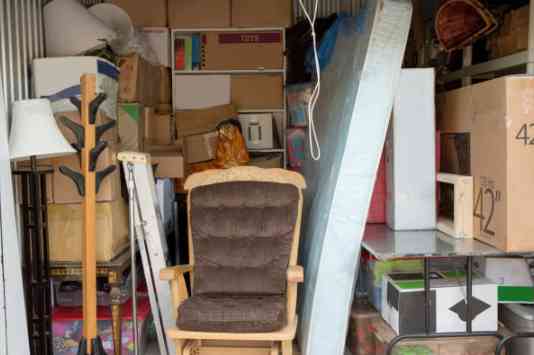
    If uncertainty delays your decision, temporary storage can prevent immediate disposal while evaluating your options. Storing furniture allows time to determine whether donation, resale, or repurposing is most suitable. Proper storage protects items from damage, increasing the likelihood of successful reuse or recycling.

    Strategic storage supports sustainability by avoiding premature disposal. Well-maintained items are easier to donate, sell, or repurpose, extending their lifespan and reducing waste. By giving furniture a temporary home, you create space for thoughtful decisions rather than reactive choices, aligning mindful living with practical organization.

    Encourage Eco-Conscious Disposal Among Neighbors and Friends

    Sharing information about sustainable furniture disposal can inspire your community. By discussing donation options, local swaps, and recycling programs, you contribute to a culture of conscious consumption. Awareness encourages collective action, amplifying environmental benefits beyond individual efforts.

    Community engagement creates a ripple effect where environmentally responsible practices become normalized. Educating others about available options reduces overall waste and strengthens local networks for reuse and recycling. Promoting sustainable disposal through conversation and shared experiences transforms furniture removal into a community-driven effort with lasting impact.

    Conclusion

    Sustainable furniture disposal balances environmental responsibility with practicality, offering multiple avenues for giving items a second life. From donations and resale to repurposing and recycling, each option reduces landfill waste and conserves resources. Thoughtful planning ensures that even large or cumbersome pieces are handled efficiently and responsibly, creating a positive impact for both the environment and your community.

    North Bay Junk Removal in Santa Rosa, CA provides expert junk removal services focused on sustainability and responsible handling of furniture. By utilizing their professional team, you can ensure that your old furniture is removed efficiently while exploring eco-friendly options such as donation, recycling, or repurposing. Their knowledgeable staff guides you through the process with care, helping you make choices that are both convenient and environmentally sound. Call North Bay Junk Removal today at 707-478-6817 to schedule your junk removal service and make a difference with your furniture disposal.

  • How to Reduce Stress During a Furniture Removal

    How to Reduce Stress During a Furniture Removal

    Planning Ahead for a Smooth Experience

    Taking the time to plan your furniture removal can significantly reduce stress levels. Start by assessing the size and weight of each item, identifying any obstacles like narrow hallways or stairs, and clearing a path for easy movement. Preparing the space beforehand not only makes lifting safer but also prevents accidental damage to walls, floors, and doors. Visualizing the process and determining where each item will go, whether to a donation center, recycling facility, or disposal area, can provide peace of mind and a clearer sense of direction.

    Being organized also allows you to schedule the removal at a time that is convenient and less hectic. Avoid peak hours or overly hot days to prevent fatigue and frustration. Gathering any necessary moving equipment, such as dollies, straps, and gloves, in advance ensures that you are fully prepared when the day arrives. This preparation transforms what could be a chaotic process into a manageable, even satisfying task, letting you focus on the excitement of reclaiming your space rather than the stress of removing furniture.

    Enlisting Help and Sharing the Load

    Attempting to remove heavy furniture alone can be overwhelming, both physically and mentally. Enlisting help from friends, family, or professional movers can significantly ease the burden. When multiple people are involved, tasks can be divided, and responsibilities clarified, reducing the likelihood of injury and making the process faster and more efficient. Even small contributions, such as holding doors open or guiding heavy items, make a noticeable difference in overall stress levels.

    Clear communication is essential to avoid confusion during the move. Decide on a plan of action and make sure everyone understands their role. This prevents unnecessary tension and keeps the team coordinated. Knowing that support is available allows you to focus on specific tasks without feeling alone, turning the furniture removal process into a collaborative effort. The shared sense of accomplishment at the end can even make the experience feel rewarding rather than stressful.

    Organizing Items for Disposal or Donation

    Sorting furniture based on its condition and destination is a key step in reducing stress during removal. Decide which pieces can be donated, recycled, or discarded. Labeling items or creating separate piles can help maintain order and minimize confusion during transport. This methodical approach allows you to tackle the task piece by piece instead of feeling overwhelmed by a chaotic jumble of belongings.

    Taking the time to consider where each item will go also provides a sense of control. Knowing that your donation items will help others or that recyclables will be responsibly processed can make the work feel meaningful. This deliberate organization reduces uncertainty and provides mental clarity, letting you approach furniture removal with calm determination rather than scattered frustration.

    Furniture Removal

    Prioritizing Safety to Minimize Stress

    Focusing on safety is essential in keeping stress levels low during furniture removal. Heavy lifting can lead to injuries if proper techniques are not used. Bend at the knees, keep your back straight, and avoid twisting while carrying items. Wearing gloves and sturdy shoes adds extra protection against cuts, scrapes, and slips. Setting up protective coverings on floors or walls can also prevent accidental damage that might add to anxiety.

    Safety measures extend to the surrounding environment as well. Ensure pathways are free from tripping hazards and that there is enough space to maneuver each piece. By taking precautions, you not only protect yourself but also preserve the integrity of your home and furniture. This proactive mindset reduces the mental load and helps you focus on the task rather than worrying about potential accidents.

    Using Professional Services to Reduce Burden

    Hiring professional junk removal or moving services can drastically lower stress associated with furniture removal. Experienced teams come equipped with the tools, vehicles, and manpower needed to handle heavy and awkward items efficiently. Their expertise ensures that furniture is removed safely without causing damage to your property, and the process is typically much faster than a DIY effort.

    Working with professionals also reduces the mental strain of organizing logistics, permits, and disposal schedules. Knowing that experts are handling the removal allows you to focus on other important tasks or simply relax while the work is completed. The efficiency and reliability of these services transform what could be a taxing chore into a seamless, worry-free experience.

    Maintaining a Calm Mindset Throughout

    Keeping a calm and positive mindset plays a significant role in stress reduction during furniture removal. Remind yourself that each step is part of a larger process aimed at improving your space. Taking deep breaths, listening to music, or breaking the task into manageable segments can help maintain focus and patience. Pausing for short breaks allows your body and mind to recharge, preventing frustration from building up.

    Focusing on the progress rather than the remaining workload fosters a sense of accomplishment and control. Celebrating small victories, like successfully moving a bulky couch or clearing a room, reinforces a positive mindset. Approaching the removal with calm determination rather than urgency makes the task feel achievable and even satisfying.

    Preparing Your Space for Efficient Movement

    Clearing pathways and creating an organized environment before moving furniture can alleviate stress. Remove rugs, obstacles, and fragile items from the route to prevent accidents. Ensuring doors and entryways are accessible allows for smooth navigation of large pieces without unnecessary stops or adjustments. A well-prepared space encourages efficient movement and reduces the likelihood of mishaps that could add frustration.

    Setting up temporary staging areas for items to be loaded or sorted also contributes to a more fluid workflow. By thinking ahead about where each piece will be placed temporarily, you eliminate uncertainty and maintain momentum throughout the removal. This preparation transforms the task into a streamlined process that feels less daunting and more manageable.

    Managing Time to Avoid Rush and Frustration

    Allocating sufficient time for furniture removal is crucial for maintaining low stress levels. Rushing increases the risk of mistakes, accidents, and physical strain. Begin early in the day when energy levels are higher and consider spacing tasks across several hours if necessary. Building in buffer time accounts for unexpected delays, such as navigating tricky corners or waiting for additional help to arrive.

    By pacing the removal, you create a more controlled and calm environment. Prioritizing tasks and following a flexible schedule allows for adjustments without panic. This time management approach reduces anxiety, making each stage of furniture removal feel intentional rather than chaotic. The resulting experience is smoother and less mentally taxing, providing a sense of accomplishment by day’s end.

    Staying Physically Comfortable During the Process

    Physical comfort can greatly influence stress levels during furniture removal. Dressing in breathable clothing, wearing supportive footwear, and staying hydrated helps maintain energy and focus. Alternating lifting duties with breaks prevents muscle fatigue and reduces the risk of injury. Proper nutrition and small snacks can also keep stamina high throughout the day.

    Paying attention to your body signals prevents unnecessary strain and keeps morale high. When individuals feel physically capable, their mental state is more relaxed and resilient. Comfort and care during the physical labor of furniture removal support a calmer, more focused approach, making the process more efficient and less stressful.

    Reflecting and Rewarding Yourself After Completion

    Once furniture removal is complete, taking a moment to reflect on the accomplishment can help solidify a sense of relief and satisfaction. Observe the cleared space and recognize the effort invested in making it happen. Small rewards, like treating yourself to a favorite snack or a relaxing activity, can reinforce positive feelings and create an association between effort and reward.

    Reflection provides closure and allows you to mentally reset before moving on to other tasks. Acknowledging the successful completion of a challenging activity reduces lingering stress and creates a sense of pride. This final step transforms the end of furniture removal from a mundane chore into a moment of personal achievement and contentment.

    Seeking Support for Emotional Wellbeing

    Furniture removal can sometimes evoke emotional responses, especially if items carry sentimental value. Acknowledging these feelings and seeking support from friends, family, or even professional organizers can provide comfort and guidance. Sharing responsibilities or simply talking through emotions lightens the mental load and reduces feelings of overwhelm.

    Support networks offer practical assistance and emotional reassurance, making the removal process less daunting. Knowing you are not alone allows for more focus on the task at hand and prevents stress from building unnecessarily. Emotional support coupled with practical strategies ensures a smoother, calmer furniture removal experience.

    Conclusion

    Reducing stress during furniture removal involves a combination of planning, safety, support, and mindful pacing. Preparing the space, enlisting help, and focusing on comfort allows the task to feel manageable rather than overwhelming. Each stage of the removal, from sorting to physical lifting, benefits from attention to detail and intentionality, transforming a potentially taxing chore into a structured and calm experience.

    For residents in Santa Rosa, CA looking for professional assistance, North Bay Junk Removal offers reliable and stress-free junk removal services. Their experienced team handles furniture and other household items efficiently and safely, giving you peace of mind throughout the process. For help with junk removal, contact North Bay Junk Removal at 707-478-6817 and experience a smoother, hassle-free approach to clearing your space.

  • Furniture Removal How to Make It Easier for You

    Furniture Removal How to Make It Easier for You

    Planning Ahead Makes a Big Difference

    Removing furniture can feel overwhelming if tackled without a plan. Taking a moment to assess what needs to be moved, which doorways and hallways are accessible, and how many people will assist can drastically reduce stress. Imagining the pathway your furniture will travel before lifting anything can prevent potential damage to walls and floors. Breaking the task into smaller steps rather than trying to move everything at once allows for a smoother, less chaotic process. Even simple preparations like clearing clutter from hallways or arranging protective padding can save time and effort, making the experience less physically demanding and more organized.

    Understanding the weight and size of each item ensures that the right equipment or moving aids are on hand. Using sliders, dollies, or sturdy straps minimizes the physical strain and reduces the likelihood of accidents. Enlisting help from friends, family, or professional assistance allows for a collaborative approach where everyone contributes efficiently. Approaching furniture removal with patience and planning helps prevent frustration while maintaining safety and protecting your belongings.

    Disassembling Furniture When Possible

    Large furniture pieces can become unmanageable without breaking them down first. Removing legs, cushions, or detachable shelves can make items lighter and easier to maneuver through tight spaces. This also reduces the risk of damage to walls, door frames, or floors, which is particularly important when moving heavy or bulky pieces. Keeping track of screws, bolts, and small components in labeled bags ensures a smooth reassembly process once items reach their destination. Even partial disassembly can make a notable difference in how manageable the move feels.

    Disassembly also allows you to maximize the space in a moving vehicle or truck, reducing the number of trips needed. Preparing tools ahead of time such as screwdrivers, wrenches, and pliers ensures the process goes faster. In some cases, professional movers can provide the necessary expertise and tools, making disassembly safer and less stressful. When furniture is handled piece by piece, the removal process becomes more controlled and less taxing physically.

    Protecting Your Home During Removal

    One of the biggest concerns during furniture removal is preventing damage to your property. Using protective covers on floors and door frames or wrapping furniture in moving blankets shields both surfaces and items from scratches or dents. Strategic placement of sliders or cardboard under heavy pieces reduces friction and the chance of gouging floors. These small steps safeguard your home while simplifying the process of sliding and carrying furniture safely.

    Additionally, clearing a path and removing obstacles such as rugs, shoes, or décor reduces trip hazards. Using protective gloves and wearing sturdy shoes helps prevent injuries during lifting. Paying attention to tight corners or staircases and moving slowly through these areas ensures the furniture and walls remain intact. Taking these precautions allows furniture to be removed efficiently without causing unnecessary damage to your home.

    Enlisting Professional Assistance

    Professional junk removal or moving services provide expertise and equipment that can make furniture removal significantly easier. Experts are trained to lift heavy items safely, navigate narrow spaces, and disassemble or reassemble furniture as needed. This can save you time, reduce stress, and prevent injuries, particularly when handling large, awkward, or antique pieces. Professionals also know how to dispose of unwanted furniture responsibly, often donating, recycling, or discarding items in environmentally friendly ways.

    Hiring experienced movers also provides peace of mind because they understand the correct lifting techniques and safety protocols. Their efficiency allows homeowners to focus on other moving or decluttering tasks while trusting that the furniture will be transported safely. Even a single piece of bulky furniture can become manageable when guided by trained professionals, making the process smoother and faster.

    Timing Your Furniture Removal

    Choosing the right time for furniture removal can make the process far more manageable. Avoiding the hottest or coldest parts of the day minimizes physical strain, while scheduling during daylight hours ensures better visibility when navigating tight spaces or staircases. Planning ahead also allows you to coordinate with friends, family, or professional services, preventing last-minute stress and confusion. Timing your move when roads are less congested or elevators are available can prevent delays and accidents during transport.

    Breaking the move into stages rather than attempting everything in one go can reduce fatigue and enhance safety. If hiring professionals, booking during their off-peak hours can lead to better availability and sometimes even lower rates. Being mindful of timing also helps ensure furniture is moved without rush, preserving both items and the space they pass through during the removal.

    Efficient Packing and Loading Techniques

    Properly packing and loading furniture can save both space and effort during removal. Wrapping items in blankets, bubble wrap, or cardboard protects them from scratches and dents. Positioning heavier items first, followed by lighter ones, ensures stability in the moving vehicle and prevents shifting during transport. Using straps or bungee cords to secure pieces keeps everything in place, reducing the chance of damage.

    In addition, loading items strategically allows for easier unloading at the destination. Placing items that will be accessed first near the door avoids unnecessary rearranging. Keeping smaller, fragile items separated and cushioned protects them from harm. Thoughtful packing and loading not only protects furniture but also streamlines the entire removal process, reducing the physical and logistical challenges.

    Decluttering Before Removal

    Removing unnecessary items prior to moving furniture can make the task easier and less stressful. Clearing out excess clutter creates more space to maneuver, reduces the number of items that need moving, and can highlight furniture that no longer serves a purpose. Sorting items into categories for donation, recycling, or disposal simplifies decisions and allows the focus to remain on the furniture that truly needs moving.

    Decluttering also offers an opportunity to refresh your living space and reduce future maintenance. By removing items you no longer need, the actual furniture removal becomes faster and less physically taxing. Less clutter also means fewer obstacles and a safer environment during lifting and transport, ultimately making the process more efficient and less overwhelming.

    Understanding Weight Distribution

    Awareness of how weight is distributed in each piece of furniture is crucial for safe removal. Lifting from the correct points reduces strain on your back and minimizes the risk of tipping or dropping the item. For example, carrying a couch from its strongest support areas ensures stability while preventing damage. Understanding weight distribution also helps when sliding items across floors or maneuvering through tight corners, as uneven weight can cause accidents or floor damage.

    When multiple people are involved, clear communication about lifting points and coordination ensures a smoother process. Using moving equipment like dollies or hand trucks to support weight can prevent injuries and make heavier pieces manageable. Proper handling informed by weight distribution awareness allows furniture to be removed safely, protecting both your body and your belongings.

    Preparing for Disposal or Donation

    Once furniture is removed, deciding on its next destination can simplify the process. Items in good condition can be donated to charities or given away to friends or family, while damaged or worn pieces may require disposal at a licensed facility. Knowing the disposal or donation options in advance ensures a seamless transition and prevents last-minute confusion. Preparing ahead also helps to reduce clutter quickly, allowing you to reclaim living space sooner.

    Labeling items intended for donation or disposal streamlines the process when the movers arrive. Having bins or designated areas ready for sorting reduces stress and increases efficiency. Whether you plan to sell, donate, or dispose of furniture, advance preparation ensures that each piece is handled appropriately and responsibly.

    Staying Safe and Reducing Risk

    Safety is paramount during furniture removal, particularly when dealing with heavy or bulky items. Wearing gloves, sturdy shoes, and protective clothing reduces the likelihood of injuries, while proper lifting techniques prevent back strain and accidents. Ensuring that the pathway is clear of obstacles, slippery surfaces, or fragile décor further reduces risk. Taking breaks when necessary and avoiding rushing maintains focus and prevents mistakes.

    Additionally, communicating clearly with anyone assisting helps coordinate movements and prevents mishaps. Being mindful of surroundings, using protective equipment, and planning lifts carefully all contribute to a safer removal process. Prioritizing safety not only protects those involved but also ensures that furniture and property remain intact throughout the move.

    Conclusion

    Furniture removal can be a daunting task, but careful planning, preparation, and strategic execution make it much easier. Assessing pathways, disassembling items, and using proper packing techniques can reduce both stress and physical strain. Whether moving for a new home, redecorating, or simply clearing space, thoughtful strategies help maintain safety and efficiency throughout the process. Professionals or helpers can provide additional support, ensuring that large or awkward items are handled safely and moved without damage.

    For reliable and efficient furniture removal or Junk Removal services in Santa Rosa, CA, North Bay Junk Removal is the go-to solution. Their team is equipped to handle any size project, from single items to full-scale cleanouts, with professionalism and care. Residents can reach out directly at 707-478-6817 to schedule service or discuss options. Trusting experienced professionals ensures a smooth, stress-free removal process, letting you reclaim your space quickly while keeping safety and convenience as top priorities.

  • The Best Practices for Safe and Efficient Furniture Removal

    The Best Practices for Safe and Efficient Furniture Removal

    Ensuring a smooth furniture removal begins long before the heavy lifting starts. Clear pathways and remove small obstacles that might block the route, preventing accidental trips or damage to walls and floors. Visualize the path your furniture will take from its current location to the exit or transport vehicle. This mental walkthrough helps anticipate challenges and allows for efficient maneuvering. Keeping doors fully open and rugs temporarily moved can save time and reduce stress during the process. 

    In addition to clearing space, measuring furniture and passageways guarantees items fit through doorways, stairwells, and tight corners. Use protective padding on sharp edges and corners to avoid damage to both the furniture and your home. Heavy or fragile pieces may require dollies or straps, making the lifting process safer and reducing strain on your body. 

    Disassembling and Securing Furniture for Safe Transport

    Breaking down large or complex furniture can make moving safer and less cumbersome. Removing legs, drawers, or detachable parts minimizes weight and helps avoid damage to walls and doorways. Smaller, lighter pieces are easier to handle, reducing the likelihood of injury or strained muscles. Keeping screws and small components in labeled bags ensures everything can be reassembled correctly at its destination. 

    When preparing furniture for removal, always consider the fragility of materials. Wooden or glass components need careful wrapping and padding to prevent scratches, cracks, or breakage. For transport, ensure the vehicle is properly arranged with heavier pieces on the bottom and lighter, more fragile items on top. Avoid overloading the transport area, as this can compromise stability and increase the chance of accidents. 

    Lifting Techniques to Avoid Injuries

    Furniture removal often involves handling awkward and heavy objects, making proper lifting techniques essential. Always bend at the knees and keep the back straight, using leg strength rather than straining your back. Maintaining a firm grip and holding the item close to your body increases control and balance, reducing the risk of slips or dropped items. Avoid twisting while lifting; instead, pivot with your feet to change direction. This technique prevents unnecessary strain on your back and shoulders, promoting long-term physical safety. 

    Using team lifting strategies for larger pieces is equally important. Establish clear communication signals or verbal cues to synchronize movements and avoid sudden shifts. Employ lifting tools such as dollies, straps, and sliders to assist with heavy items and minimize physical effort. Proper footwear with grip and gloves for protection also contribute to safety. Taking regular breaks during extended removal tasks prevents fatigue, which can lead to accidents. 

    Choosing the Right Equipment for Moving Furniture

    Having the appropriate tools and equipment can make all the difference in a safe furniture removal. Dollies, sliders, and lifting straps are essential for handling heavy items while reducing physical strain. Protective moving blankets safeguard surfaces from scratches and dings, while ropes and bungee cords secure furniture during transit. Even a simple hand truck can expedite moving smaller pieces or boxes, minimizing multiple trips. 

    Additionally, consider the layout of your space and the furniture’s dimensions when choosing equipment. Narrow hallways or tight corners may require specialized sliders or smaller dollies for maneuverability. Using padding or foam corners can protect fragile surfaces, while straps prevent shifting during movement. For staircases, stair-climbing dolls or additional personnel may be necessary. Thoughtful use of equipment, combined with planning and teamwork, enables smoother transitions and reduces the physical toll on movers.

    Efficient Planning for Time and Effort

    Furniture removal is more than just physical labor; it requires thoughtful planning to maximize efficiency. Mapping out the removal route and estimating the time for each step helps prevent delays and keeps the process organized. Consider potential obstacles, such as narrow corridors, doorways, or heavy foot traffic, and plan how to navigate them. Coordinating helpers or movers in advance ensures everyone knows their role, contributing to smoother execution. Planning ahead saves energy, reduces the likelihood of injury, and prevents last-minute complications that can slow down progress during removal. 

    Time management also plays a key role in reducing fatigue and accidents. Scheduling removals during periods of low activity and good lighting improves safety and comfort. Grouping similar tasks together, such as disassembly, padding, and loading, streamlines the process and keeps momentum going. Preparing all tools, equipment, and protective materials ahead of time prevents unnecessary trips back and forth. Even small details, such as ensuring access to trash or recycling disposal points, contribute to efficiency. 

    Handling Fragile and Valuable Items

    Furniture often comes with delicate or valuable components that require special attention. Glass surfaces, intricate woodwork, or antique pieces must be handled with care to prevent damage. Wrapping items in blankets or bubble wrap provides cushioning during transport, while padding corners and edges protects against collisions. For valuable or irreplaceable items, consider professional assistance to guarantee safety. Taking extra precautions ensures these pieces remain intact and retain their value, reflecting careful handling throughout the removal process.

    Labeling and organizing items by fragility can help movers prioritize careful handling. Communicate any concerns to all involved in the removal process and designate a clear space for fragile items during loading and unloading. Using straps and securing items prevents shifting, which is a common cause of breakage. When combined with appropriate lifting techniques and the right equipment, these measures create a controlled environment that safeguards fragile and valuable furniture. 

    Recycling and Disposal Considerations

    Furniture removal is not just about moving items from one place to another; responsible disposal and recycling are vital. Donating usable pieces or recycling materials helps reduce landfill waste and supports environmental sustainability. Identify items that can be repurposed, donated, or recycled before removal to streamline the process. Contact local facilities or charities to arrange pickup or drop-off, ensuring compliance with regulations and avoiding illegal dumping. 

    Segregating furniture based on material, condition, and potential for reuse simplifies removal and disposal. Wooden pieces, metal frames, and upholstered items may have different recycling paths. Planning in advance and understanding local disposal guidelines prevent last-minute surprises and fines. Ensuring heavy or hazardous materials are properly handled maintains safety standards. By integrating environmental considerations into furniture removal, the task becomes more than a physical chore—it reflects responsible stewardship of resources and promotes a sustainable approach that benefits both people and the planet.

    Coordinating Helpers and Moving Teams

    Efficient furniture removal often relies on a coordinated team effort. Clear communication is essential for synchronizing movements, especially when navigating tight spaces or heavy items. Assigning specific roles, such as guiding, lifting, or securing items, ensures tasks are handled systematically. Team coordination reduces accidents and increases efficiency, allowing furniture to be moved quickly without damage. Even small gestures, like establishing verbal cues or signals, improve workflow and prevent confusion. 

    Preparation and role assignment can save significant time and energy during removal. Assessing each team member’s strengths and providing guidance on proper lifting techniques ensures safety while optimizing performance. Encouraging collaboration and open communication fosters trust and reduces mistakes. Scheduling breaks for longer sessions prevents fatigue, which can compromise safety. When movers work in sync and understand the plan, furniture removal becomes a coordinated effort rather than a stressful challenge, demonstrating professionalism and care throughout the process.

    Protecting Your Home During Removal

    Furniture removal can pose risks to walls, floors, and fixtures if not approached carefully. Using protective coverings on floors and doorways shields surfaces from scratches and dents. Door jambs, corners, and banisters can be wrapped with blankets or padding to prevent accidental damage. Planning the route and keeping pathways clear minimizes the chances of collisions or scuffs. Even minor protective measures significantly reduce the likelihood of repair costs and maintain the integrity of your home throughout the removal. 

    Additional precautions include removing or securing loose rugs and obstacles that could trip movers. Ensuring adequate lighting and ventilation creates a safer environment for all involved. Utilizing appropriate tools such as sliders, straps, or dollies helps control heavy items and reduces strain on surfaces. Communicating with helpers about potential hazards prevents accidents. By combining foresight, protective materials, and attention to detail, furniture removal can be executed safely, efficiently, and with minimal impact on your home, maintaining both its aesthetics and structural integrity.

    Managing Unexpected Challenges

    Furniture removal rarely follows a perfectly predictable plan. Unforeseen obstacles, such as narrow staircases, tight corners, or unexpected weight, require adaptability and problem-solving. Anticipating potential issues and remaining calm under pressure allows for creative solutions, such as temporary disassembly or rerouting items through alternative pathways. Flexibility ensures the process continues smoothly without injury or damage, turning challenges into manageable steps. 

    Equipping yourself with basic tools, extra padding, and a second set of hands helps address sudden difficulties. Establishing communication with helpers allows for quick adjustments to prevent mishaps. Time management plays a role here, as working without rush reduces the likelihood of mistakes. Recording measurements and pre-planning alternative routes can save effort when obstacles arise. By combining preparation, flexibility, and teamwork, unexpected challenges in furniture removal are no longer obstacles but opportunities to demonstrate skill and ensure a safe, smooth outcome for both movers and homeowners.

    Conclusion

    Safe and efficient furniture removal is a combination of careful planning, proper equipment, and thoughtful execution. Each step, from preparation and disassembly to lifting techniques and team coordination, contributes to a smoother process that reduces risks for both movers and homeowners. Protecting fragile items, safeguarding the home, and considering recycling and donation opportunities further enhance the overall efficiency and responsibility of the removal. Flexibility in dealing with unexpected challenges ensures the process remains effective and stress-free, emphasizing safety at every turn. 

    For professional assistance with junk removal in Santa Rosa, CA, consider North Bay Junk Removal. Their team brings years of experience, prioritizing safety, efficiency, and customer satisfaction in every job. Whether managing a single piece or an entire home clearance, they provide reliable service that keeps homes clutter-free. Reach out to North Bay Junk Removal at 707-478-6817 to schedule a pickup and experience expert junk removal that combines care, speed, and professionalism for every project, large or small.

Call Now