northbay

Category: Construction Debris Removal

  • How to Safely Deal with Concrete Debris After Removal

    How to Safely Deal with Concrete Debris After Removal

    Concrete removal often marks a major step in property upgrades, whether it’s tearing out an old patio, dismantling a cracked driveway, or preparing land for new construction. While the removal itself is a strenuous task, what many people underestimate is the amount of debris left behind. Heavy chunks, fine dust, and sharp fragments can quickly overwhelm a space if not addressed properly. Without a plan, cleanup becomes a safety hazard and a time-consuming challenge.

    Properly handling concrete debris is about more than convenience—it’s about protecting people, the property, and the environment. A structured approach ensures that waste is cleared responsibly, valuable materials are repurposed when possible, and the site is left safe for future projects. With preparation and the right disposal strategies, dealing with concrete debris can shift from overwhelming to manageable, allowing your renovation goals to move forward without unnecessary setbacks.

    Understanding the risks of leftover concrete debris

    Concrete debris may appear harmless at first glance, but it carries hidden risks that can complicate any project. Heavy slabs pose tripping hazards, while jagged edges can easily cause cuts or punctures. Dust created during demolition lingers in the air, irritating the lungs and coating nearby surfaces. Without proper containment, it can spread to other parts of your property, leaving behind a stubborn mess that takes days to clean.

    Beyond immediate safety concerns, concrete waste can also strain your property’s structure if piled incorrectly. Large chunks can damage landscaping, crack paving stones, or create uneven weight distribution. Recognizing these risks at the start helps you treat debris management as a crucial stage of the process rather than an afterthought. With a clear understanding of the hazards, you’ll approach cleanup with greater caution, ensuring the area remains safe and your renovation project progresses without added complications.

    Sorting concrete debris into useful categories

    Not all concrete debris should be treated the same. Breaking the waste into categories such as reusable blocks, recyclable materials, and unusable scraps provides clarity during cleanup. For instance, larger intact pieces might be saved for filling landscaping features, while smaller fragments can be directed toward recycling facilities that turn them into aggregate for new projects. Sorting helps maximize the potential of what might otherwise be discarded as waste.

    This methodical approach also makes disposal easier. When debris is pre-separated, removal services or recycling centers can process it faster, sometimes even reducing costs. It prevents recyclable material from being unnecessarily sent to landfills and ensures resources are used to their fullest. Sorting may require extra time during cleanup, but the payoff is substantial. By taking a little more care at this stage, you transform debris from a problem into a set of possibilities for repurposing or recycling.
    Choosing the right equipment for cleanup

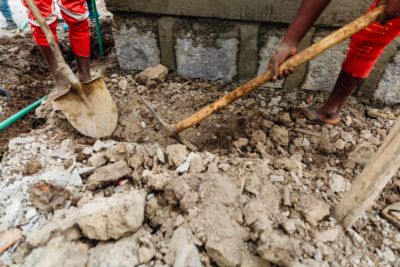
    Concrete debris is heavy and unforgiving, which makes proper equipment a necessity. Wheelbarrows, heavy-duty buckets, and sturdy shovels make transporting smaller pieces manageable, while dollies or lifting straps help with larger chunks. Gloves, dust masks, and safety goggles are also non-negotiable when working with this material, as concrete dust and sharp edges pose real risks.

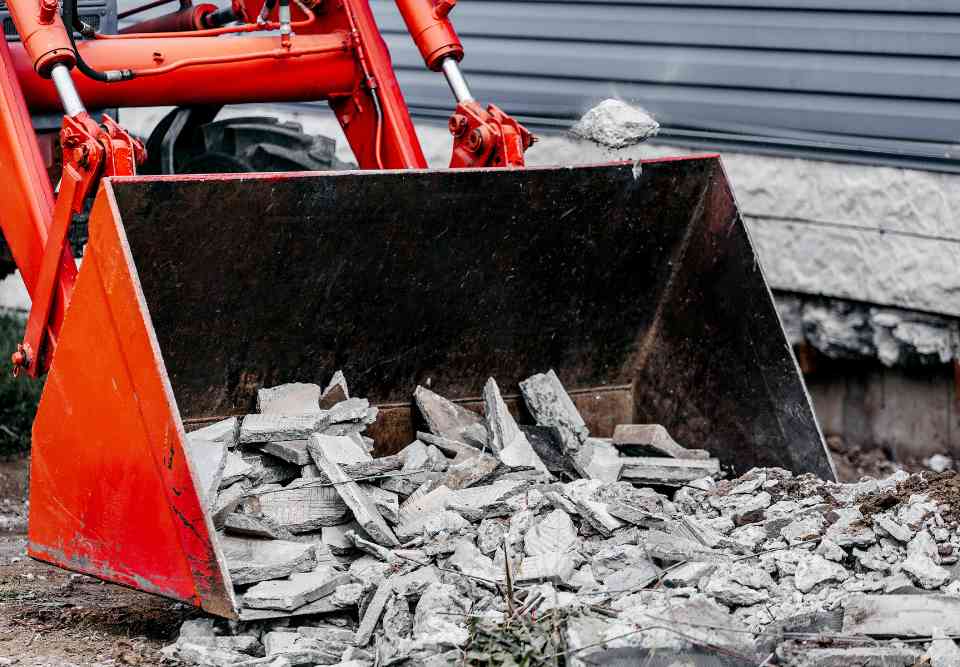
    In larger projects, renting a skid steer, mini excavator, or even a roll-off dumpster can make the job significantly more efficient. These tools prevent strain on your body and reduce the time it takes to move waste from the site. Having the correct equipment on hand before cleanup begins avoids delays and ensures safety is prioritized. With the right combination of tools and protective gear, managing heavy debris becomes a structured task rather than an exhausting and unsafe burden.

    Recycling options for concrete waste

    One of the most effective ways to handle concrete debris is recycling. Instead of heading to the landfill, concrete can be crushed into aggregate used in new construction, road base, or landscaping material. Recycling not only conserves landfill space but also supports sustainable building practices, reducing the demand for new raw materials. Many local facilities specialize in processing concrete and can provide affordable drop-off or pickup services.

    Exploring recycling options also benefits your renovation budget. In some cases, recycling is less expensive than landfill disposal, especially when waste is sorted beforehand. By directing concrete to recycling centers, you contribute to a circular economy while making your project more eco-friendly. Recycling turns what seems like unwanted rubble into valuable resources, demonstrating that debris doesn’t have to signify waste—it can become the building blocks of future projects.

    Exploring creative reuse ideas for leftover concrete

    Concrete doesn’t always need to leave your property; in fact, it can be repurposed in ways that add character to outdoor spaces. Large slabs may be reshaped into stepping stones, retaining walls, or garden borders. Smaller chunks can serve as filler for pathways or drainage areas. Creative reuse reduces disposal costs while giving your landscape a unique and functional upgrade.

    Repurposing materials also offers environmental benefits. Instead of consuming new resources for outdoor projects, you’re giving existing materials a second life. This approach aligns with sustainable practices and adds personal value to your home improvements. Thinking creatively about reuse shifts your perspective, turning debris into an opportunity for innovation. By reimagining the role of leftover concrete, you transform what might have been waste into functional and aesthetic elements that enhance your property long after the demolition ends.

    Scheduling junk removal services for efficiency

    For many homeowners, the sheer volume of concrete waste makes professional junk removal the most practical choice. Coordinating pickups at the right time prevents debris from accumulating into unmanageable piles. Instead of letting concrete clutter your yard or driveway, scheduled removals keep the site clean and ready for the next phase of work.

    Junk removal services also handle the heavy lifting and transportation, which reduces physical strain and saves valuable time. Professionals understand how to load, sort, and dispose of concrete in compliance with local regulations. Their efficiency allows you to stay focused on your renovation without being bogged down by logistics. By scheduling services strategically, you streamline the entire cleanup process and prevent debris from becoming a long-term obstacle.

    Maintaining safety during concrete cleanup

    Concrete debris cleanup is physically demanding and comes with inherent risks. Heavy lifting can strain muscles or cause injuries if proper techniques aren’t followed. Wearing protective gloves and steel-toed boots guards against cuts and crushed toes, while masks help limit inhalation of fine dust particles. Safety precautions must remain central throughout the cleanup process.

    Beyond personal protection, organizing the workspace adds another layer of safety. Keeping walkways clear, working in teams when moving large slabs, and avoiding overexertion all reduce the likelihood of accidents. It’s better to make several smaller trips than to risk injury with one overly heavy load. By maintaining safety as a top priority, cleanup progresses steadily without setbacks caused by preventable mishaps, ensuring everyone involved remains secure.

    Protecting the surrounding property during cleanup

    Concrete removal doesn’t just affect the targeted area; it can also impact landscaping, driveways, and nearby structures if not managed carefully. Heavy slabs dragged across lawns can leave ruts, while dust and small fragments can damage delicate surfaces. Laying down plywood or tarps in high-traffic areas creates a protective buffer for your property.

    Attention to containment reduces the need for costly repairs later. Shielding flower beds, covering patios, and sealing windows keeps debris from spreading beyond the work zone. A little foresight ensures that while the old concrete is removed, the rest of your property remains intact. Protecting surrounding areas emphasizes that effective cleanup is about more than removing waste—it’s also about preserving the environment you’ve worked hard to maintain.

    Preparing the site for the next stage of renovation

    Once the concrete debris has been cleared, the focus shifts toward preparing the site for what comes next. This might involve grading the soil, compacting the ground, or laying a foundation for new materials. A debris-free site not only looks cleaner but also ensures structural stability for future projects.

    Preparation at this stage sets the tone for everything that follows. Without leftover rubble in the way, contractors or homeowners can move forward with clarity and efficiency. Sweeping up dust, checking for overlooked fragments, and leveling the ground provides a solid foundation for improvements. The transformation truly begins once the site is cleared and ready, turning potential obstacles into opportunities for progress.

    Adapting debris removal strategies to project size

    The scope of your project should guide how you manage debris. Small DIY jobs might only require a truckload of waste removal, while larger demolitions demand multiple dumpsters and professional hauling. Tailoring your approach ensures efficiency and prevents overcommitting resources or underestimating the scale of the job.

    Assessing project size also helps determine whether professional assistance is worth the investment. For smaller cleanups, handling debris yourself may be manageable. For larger undertakings, professionals provide the manpower, tools, and disposal options needed to keep everything on track. By adapting your strategy to fit the specific demands of your project, you strike the right balance between practicality and efficiency, ensuring the cleanup process runs smoothly regardless of scale.

    Conclusion

    Handling concrete debris after removal is not a task to take lightly. From dust control to debris disposal, each step requires planning to ensure safety, efficiency, and sustainability. By sorting materials, protecting your property, and considering recycling or reuse options, you minimize waste while maximizing potential benefits. Professional junk removal services add another layer of convenience, especially for larger projects that generate more waste than expected.

    For homeowners in Santa Rosa, CA, North Bay Junk Removal provides reliable solutions for handling concrete debris and other cleanup needs. With their expertise in junk removal, they ensure heavy loads are managed safely and disposed of responsibly. Whether you’re renovating, rebuilding, or simply clearing space, their team is ready to make the process simpler. To schedule service or learn more about options, call 707-478-6817 and let North Bay Junk Removal help you complete your project with confidence.

  • Benefits of Professional Construction Debris Removal

    Benefits of Professional Construction Debris Removal

    Enhancing Safety on the Construction Site

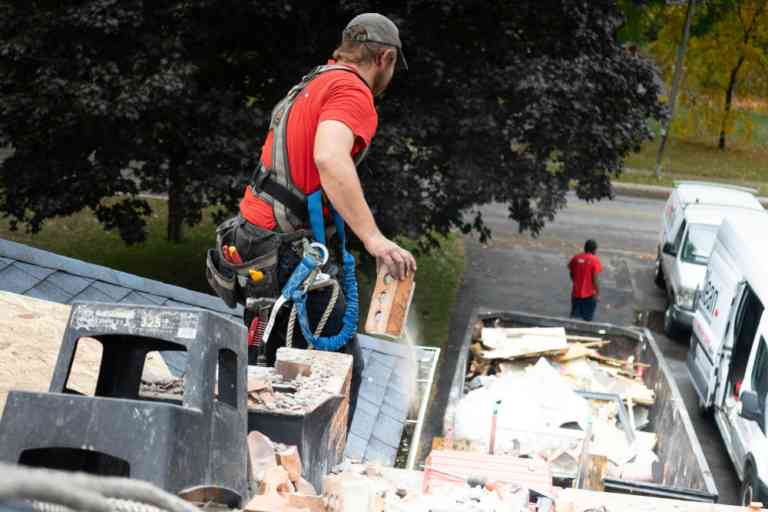
    Construction sites are inherently risky, with heavy machinery, sharp tools, and unstable structures contributing to potential accidents. Removing debris professionally mitigates these hazards, creating a safer environment for workers and visitors alike. Piles of scrap wood, metal, and broken concrete can easily lead to trips, falls, or injuries, which can delay projects and increase liability. By employing skilled debris removal services, these hazards are swiftly identified and cleared, maintaining smooth workflow and preventing unnecessary accidents. A clean site ensures that machinery operates without obstruction, reducing the chances of equipment damage and work-related injuries.

    Professional debris removal also ensures that hazardous materials, such as nails, glass, or chemical residues, are handled correctly. Trained crews know how to segregate, contain, and dispose of dangerous items according to safety standards. This not only protects onsite personnel but also prevents environmental contamination that could arise from improper disposal. A well-managed site reflects a commitment to safety and professionalism, fostering a culture where workers feel secure and projects progress efficiently without interruptions caused by accidents or unsafe conditions.

    Saving Time and Improving Efficiency

    Time is a critical resource on any construction project, and inefficient debris management can lead to significant delays. When construction waste accumulates, it can obstruct pathways, hinder access to work areas, and slow down productivity. Professional removal services streamline cleanup operations, allowing workers to focus entirely on their core tasks. With the right equipment and trained personnel, debris is cleared quickly, preventing workflow interruptions and maintaining the pace of construction schedules.

    Moreover, hiring experts for debris removal eliminates the trial-and-error process of disposal. Professionals assess the types of materials, categorize them appropriately, and remove them in compliance with local regulations. This approach not only saves time but also ensures that materials are recycled or disposed of responsibly. Projects advance smoothly when site organization is optimized, reducing idle periods and accelerating overall project timelines. Efficient cleanup leads to more productive days, allowing contractors to meet deadlines with minimal stress and better resource management.

    Protecting the Environment

    Construction debris often contains materials that, if not disposed of properly, can harm the environment. Professional removal services prioritize eco-friendly disposal methods, sorting recyclable items such as metal, wood, and concrete. By diverting waste from landfills, these services help reduce environmental impact and promote sustainability. This conscientious approach benefits the community and enhances the reputation of contractors who demonstrate environmental responsibility.

    In addition, trained debris removal teams are equipped to manage hazardous substances safely. Chemicals, paints, and treated wood require specific handling to prevent soil and water contamination. Experts understand local disposal regulations and ensure that potentially harmful materials are processed correctly. By partnering with professional services, construction projects contribute to long-term environmental preservation while minimizing ecological risks. Responsible debris management reflects a commitment to both compliance and sustainability, aligning modern construction practices with green initiatives.

    Reducing Costs in the Long Run

    While hiring professional debris removal may seem like an additional expense, it can reduce overall project costs. Accidents, injuries, and delays caused by unmanaged debris often result in financial setbacks. Professional services prevent these issues by keeping the site organized and safe, minimizing potential disruptions and costly repairs. Timely debris removal also reduces the need for temporary storage or additional labor, streamlining operations and lowering overhead costs.

    Efficient waste management further reduces disposal expenses. Experts sort and recycle materials whenever possible, which can lead to lower landfill fees and potential rebates from recycling programs. Avoiding fines for improper disposal also protects the budget from unexpected penalties. Investing in professional debris removal enhances overall financial planning, ensuring that projects remain on track without incurring hidden costs. A strategic cleanup approach ultimately contributes to a more predictable, manageable construction budget.

    Maintaining a Professional Image

    Construction sites are often visible to clients, neighbors, and the public. A site cluttered with debris can create a negative impression, suggesting disorganization or poor project management. Professional debris removal helps maintain a neat and orderly appearance, reflecting positively on contractors and project managers. Clean, organized sites convey competence, reliability, and attention to detail, fostering trust among clients and stakeholders.

    A well-kept construction site also facilitates inspections and compliance with local regulations. Authorities are more likely to approve progress smoothly when the site is free of hazards and clutter. Professional debris removal demonstrates a commitment to quality and accountability, enhancing a contractor’s reputation and attracting future business opportunities. The visual impact of a clean site complements the actual safety and efficiency benefits, reinforcing a professional image in every aspect of the construction process.

    Complying with Local Regulations

    Improper disposal of construction debris can lead to fines and legal complications. Many municipalities have strict rules regarding waste management, recycling, and hazardous material handling. Professional debris removal teams are well-versed in these regulations, ensuring that all materials are processed legally and responsibly. This expertise helps contractors avoid penalties and maintain compliance throughout the project.

    Compliance extends beyond legal requirements to environmental standards and community guidelines. Professionals coordinate pickups, document disposal methods, and provide receipts for proper handling of materials. This accountability safeguards contractors from potential legal disputes and demonstrates a commitment to responsible project management. By following regulatory requirements, construction projects can proceed without interruptions caused by inspections, complaints, or violations, maintaining smooth operations and peace of mind.

    Minimizing Health Risks

    Construction debris can harbor dust, mold, and chemical residues that pose health risks to workers and nearby residents. Inhalation of fine particles or exposure to hazardous substances can lead to respiratory problems, skin irritation, or other medical issues. Professional removal services mitigate these risks by using protective equipment, proper containment, and thorough cleanup methods. Regular debris removal ensures a healthier working environment and reduces long-term health concerns associated with construction sites.

    In addition, debris removal teams understand the importance of proper ventilation and containment techniques to prevent cross-contamination. Hazardous dust and chemicals are handled with care, and areas are cleaned to standards that maintain indoor and outdoor air quality. Health-conscious debris management protects workers, prevents costly medical claims, and upholds the well-being of everyone involved in or near the construction site. Maintaining a safe environment demonstrates a proactive approach to occupational health and project responsibility.

    Improving Space Utilization

    Construction projects often have limited space for materials, equipment, and personnel movement. Accumulated debris takes up valuable room, restricting access and complicating logistics. Professional debris removal frees up space, allowing workers to maneuver efficiently and store materials properly. This optimized layout contributes to smoother project flow and more organized operations.

    By clearing clutter regularly, construction teams can maximize the utility of the available area, improving workflow and reducing congestion. Proper space management also facilitates equipment movement and staging of new construction materials, minimizing downtime. An uncluttered site enhances coordination among workers and subcontractors, ultimately accelerating project timelines. Professional removal services ensure that every square foot is utilized effectively, promoting productivity and operational excellence.

    Supporting Recycling and Reuse

    Many materials from construction sites can be recycled or repurposed, including wood, metal, concrete, and certain plastics. Professional debris removal services identify and separate these items, directing them toward recycling facilities or salvage programs. This approach not only reduces landfill contributions but also supports sustainable construction practices and resource conservation.

    Recycling and reuse efforts benefit both the environment and construction budgets. Salvaged materials can be used for future projects or sold, providing additional value. Professional teams have the knowledge and connections to ensure that recyclable materials are handled correctly, maximizing recovery rates. By integrating recycling into debris management, contractors demonstrate environmental responsibility while achieving cost-effective waste solutions. This dual benefit underscores the importance of professional debris removal in modern construction practices.

    Enhancing Project Management

    Efficient project management relies on clear planning, organization, and timely execution. Construction debris can disrupt schedules and create unforeseen obstacles, complicating coordination among teams. Professional debris removal ensures that cleanup tasks are delegated to experts, allowing project managers to focus on core activities and maintain control over timelines. This delegation improves overall workflow and reduces stress for supervisors.

    Regular debris removal also provides a measurable framework for progress tracking. Cleared work areas indicate completed phases, and documentation of waste removal can be integrated into project reports. These practices enhance accountability, streamline communication, and support informed decision-making. Professional debris removal contributes to a well-structured project environment, fostering efficiency and allowing managers to maintain high standards throughout the construction process.

    Conclusion

    Professional construction debris removal offers extensive benefits, from enhancing safety and efficiency to supporting environmental sustainability. Removing waste promptly reduces hazards, improves space utilization, and ensures compliance with local regulations. Projects proceed more smoothly when debris is managed by trained experts who understand both safety standards and eco-friendly practices. By addressing health risks, saving time, and maintaining professional site appearance, professional removal services contribute significantly to successful construction outcomes.

    For reliable and efficient junk removal, contact North Bay Junk Removal in Santa Rosa, CA at 707-478-6817. Their experienced team handles all types of construction debris with care, ensuring safe disposal, recycling, and responsible waste management. Partnering with professionals allows construction projects to stay organized, compliant, and productive, while promoting environmental stewardship and maintaining a positive image in the community.

  • Construction Debris Removal: A Step-by-Step Guide

    Construction Debris Removal: A Step-by-Step Guide

    Understanding the Scope of Construction Debris

    Construction projects leave behind a surprising amount of waste, ranging from broken drywall and splintered wood to metal scraps and old fixtures. Before any removal begins, it is essential to step back and recognize the variety of materials scattered across the worksite. This helps create a clear plan of action that reduces unnecessary delays and avoids missing important disposal requirements.

    Every project has its own rhythm, and so does the cleanup. Smaller renovations may seem simple at first, yet they often generate mixed debris that can overwhelm bins quickly. Larger construction efforts carry the challenge of heavy materials such as concrete or brick, which need special handling. Understanding the scope at the start ensures safer removal, smoother logistics, and ultimately less disruption to the overall project timeline.

    Preparing the Work Area for Removal

    Preparation makes the difference between chaotic cleanup and efficient progress. Clearing pathways where debris will be transported keeps the removal process moving without unnecessary pauses. Workers benefit from having an organized system of movement, whether that means setting aside temporary staging areas or identifying exits for loading trucks.

    A well-prepared site also reduces risks. Nails, sharp edges, and hidden hazards can lead to injuries if the ground is not inspected thoroughly. Marking unsafe areas, putting up barriers, or even laying protective coverings over flooring can protect both workers and property. By handling preparation with care, debris removal becomes less stressful and far more effective.

    Sorting Materials Before Disposal

    Not every piece of construction waste belongs in the same pile. Sorting debris early prevents headaches later, especially when certain materials are recyclable or require special handling. Wood scraps, metals, and concrete often have dedicated disposal or recycling streams that can be utilized to cut down on landfill waste.

    By categorizing materials into groups before loading, the entire process feels more structured. Recyclables can be separated and sent to appropriate facilities, while non-recyclable items can be disposed of responsibly. Sorting is not just about organization but also about sustainability. With careful separation, construction projects can make a positive environmental impact without adding significant extra effort.

    Choosing the Right Equipment for Debris Removal

    The tools and equipment selected for debris removal determine how quickly and safely the job gets done. Dumpsters, wheelbarrows, heavy-duty bags, and protective gear all play an important role. Choosing the right container size avoids extra trips, while durable bags and bins keep smaller waste secure during transport.

    Heavy equipment may be needed for larger projects. Excavators, loaders, or lifts help move oversized chunks of concrete or large piles of mixed materials. Protective gloves, helmets, and masks are equally essential to safeguard workers from dust, cuts, and other hazards. By investing in the correct tools upfront, debris removal becomes smoother and less physically demanding.

    Ensuring Safety Throughout the Process

    Safety should never be an afterthought when handling construction debris. From sharp nails to heavy beams, the risks are significant. Establishing a system where everyone involved understands the safety protocols keeps accidents to a minimum. This could involve designated walking paths, mandatory safety gear, or regular checks to ensure no one is handling debris without proper protection.

    Dust is another factor often underestimated during removal. Cutting, drilling, or breaking materials releases particles into the air that may pose health risks. Wearing masks and using dust control measures such as misting can protect lungs from harm. A safe process does not just protect workers—it also ensures that cleanup remains steady without preventable interruptions.

    Transporting Debris to Disposal Sites

    Once debris is sorted and staged, transporting it becomes the next major step. This stage requires planning because not all waste can go to the same facility. Local disposal sites may have rules regarding hazardous materials, recyclables, or large volumes of heavy waste. Researching these requirements in advance saves both time and money.

    Proper transportation also requires reliable vehicles. Trucks should be capable of carrying heavy loads without overfilling, and debris should be secured to prevent spillage along the route. Coordinating transport schedules with disposal facilities allows for quicker drop-offs, ensuring the worksite remains clear without long delays.

    Recycling Opportunities in Construction Debris Removal

    Much of what comes out of a construction site does not need to go directly into a landfill. Recycling offers opportunities to extend the life of materials that would otherwise be discarded. Metals can be melted down for reuse, wood can be repurposed, and even concrete can be crushed into aggregate for new construction projects.

    Recycling not only benefits the environment but can also reduce disposal costs. Many facilities accept sorted recyclable materials at a lower fee, encouraging construction crews to separate waste responsibly. By viewing debris not as trash but as potential resources, the cleanup process becomes part of a cycle that benefits both the industry and the community.

    Reducing Environmental Impact During Debris Removal

    Construction debris has a significant effect on the environment if handled poorly. Sending everything to a landfill creates long-term waste problems and increases the project’s carbon footprint. By carefully choosing disposal methods that prioritize recycling, reuse, or eco-friendly disposal, the environmental impact can be minimized.

    Another factor is transportation. Multiple trips to disposal sites with half-filled trucks add unnecessary emissions. Planning routes efficiently and ensuring loads are full reduces fuel consumption. When approached with environmental responsibility in mind, debris removal supports a cleaner community and a healthier planet.

    Coordinating with Professionals for Debris Removal

    While some construction crews attempt to handle debris removal on their own, professional assistance can streamline the process. Professionals are equipped with the right vehicles, disposal knowledge, and labor to handle both small and large projects. Their experience ensures compliance with local disposal rules, which reduces the risk of fines or project delays.

    Coordinating with trained removal experts also saves time for workers who need to focus on building rather than cleaning. Instead of spending valuable hours hauling waste, teams can keep projects on schedule while professionals manage the debris. This collaboration allows construction sites to remain organized, efficient, and safe.

    Maintaining a Clean Site After Debris Removal

    The work does not end when the last truck leaves the site. Maintaining cleanliness ensures that the space is ready for the next phase of construction or for property owners to enjoy. Regular inspections after debris removal help catch leftover materials that might have been missed in the initial cleanup.

    A clean site also makes future work safer and more efficient. Tools, materials, and finished surfaces are less likely to suffer damage when waste is not scattered around. By maintaining order after removal, projects finish on a stronger note and leave behind a site that reflects professionalism and care.

    Conclusion

    Construction debris removal is more than hauling away waste—it is a carefully managed process that involves preparation, organization, and a commitment to safety. By understanding the types of materials involved, preparing the worksite, sorting debris, and using the right tools, the process flows more efficiently. Recycling opportunities and eco-friendly disposal add another dimension of responsibility that benefits both the environment and the community.

    For those who want the cleanup handled with expertise, reaching out to a reliable local provider is often the best choice. North Bay Junk Removal in Santa Rosa, CA has built a reputation for dependable junk removal services that keep projects on track. With a dedicated team and a commitment to responsible disposal, they make the process easier for homeowners, contractors, and businesses alike. To schedule assistance, call 707-478-6817 and take the next step toward a cleaner, safer construction environment.

Call Now