northbay

Category: Concrete Removal

  • Tips for Concrete Removal in Busy Neighborhoods

    Tips for Concrete Removal in Busy Neighborhoods

    Concrete removal might sound straightforward, but in practice, it’s anything but simple—especially when you live in a busy neighborhood. From driveways to patios and sidewalks, concrete demolition produces noise, dust, and a surprising amount of debris that can affect not only your property but also the surrounding homes. In densely populated areas, these challenges are magnified, requiring careful planning and respectful execution. Without proper techniques and strategies, the project can quickly turn into a disruptive and stressful experience for both homeowners and their neighbors. Knowing how to approach concrete removal the right way keeps the process efficient while maintaining good community relations.

    Planning ahead to minimize disruption

    In busy neighborhoods, planning is the most important step in concrete removal. Homeowners must consider not only their own timeline but also how the project might impact neighbors. Choosing the right time of day to begin work can help reduce noise complaints. Early mornings or late evenings should usually be avoided, with mid-morning and afternoon hours being the most considerate. A quick conversation with neighbors before starting can also help set expectations and avoid unnecessary conflicts.

    Planning also includes securing permits if the concrete removal involves sidewalks, driveways, or other areas that connect to public property. Local regulations may dictate how and when the work can be done, especially in high-traffic zones. By anticipating these details, homeowners can avoid fines and delays. Thoughtful planning lays the groundwork for a smoother project, making the demolition process less disruptive for everyone in the neighborhood.

    Using the right equipment for concrete removal

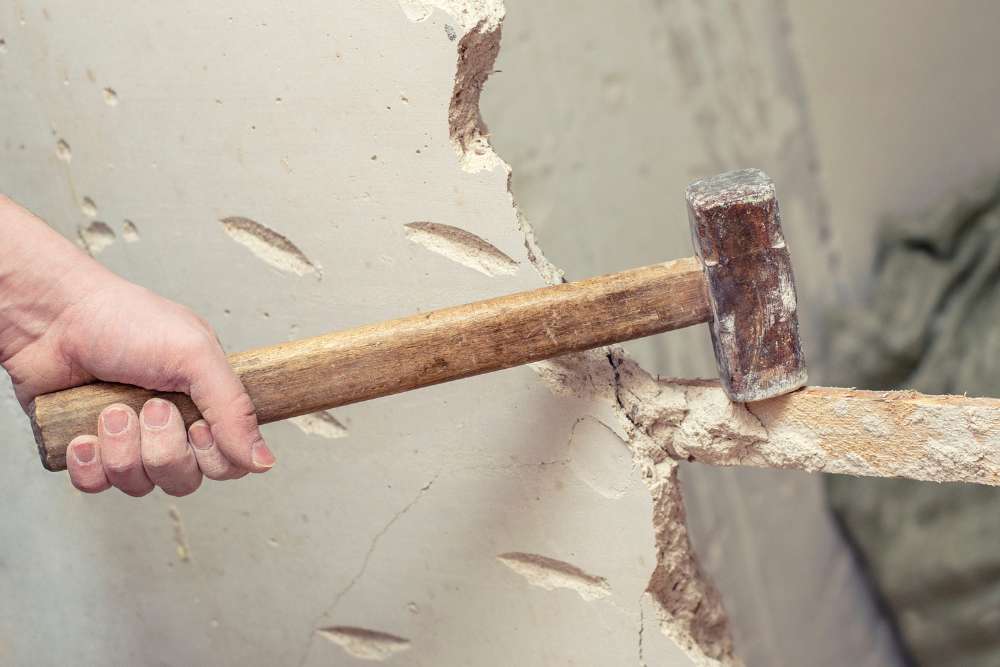
    Concrete is a tough material, and the tools used to break it apart make a significant difference in both speed and efficiency. In busy neighborhoods, where noise and time are critical factors, the right equipment becomes even more important. Heavy-duty tools like jackhammers, saws, and power drills can break concrete effectively, but choosing tools suited to the thickness and reinforcement of the material helps limit unnecessary noise and dust.

    Professional-grade equipment often works faster, meaning less disruption for neighbors. Smaller residential projects may require only hand tools for lighter concrete, while thicker slabs benefit from industrial machinery. Renting the right equipment or hiring professionals with advanced tools ensures that the job is completed more quickly and with fewer setbacks. Using appropriate equipment reduces both stress and inconvenience, keeping the project on track without overwhelming the community around you.
    Managing dust control during removal

    Concrete removal generates a large amount of dust, which can travel quickly and settle on cars, porches, and nearby properties. In busy neighborhoods, dust management becomes essential for maintaining good relationships with neighbors. One of the most effective methods is wetting the concrete with water before and during removal. This technique helps keep airborne particles to a minimum and reduces cleanup afterward.

    Plastic sheeting or temporary barriers can also be used to shield sensitive areas like garden beds or driveways from dust contamination. It’s not just about appearances—airborne concrete dust can be irritating to breathe, making it important for health and safety reasons as well. Taking proactive steps to control dust demonstrates respect for your neighbors and shows that you’re committed to completing the project responsibly. Dust control is one small action that goes a long way in reducing disruption.

    Coordinating concrete hauling and disposal

    Breaking up concrete is only half the job; hauling it away is the other major challenge. In a busy neighborhood, large piles of debris can become an eyesore or even a hazard if left unattended. Coordinating timely hauling and disposal ensures that the worksite stays clean and manageable. Having dumpsters or hauling services scheduled in advance prevents concrete from accumulating and blocking pathways or driveways.

    Disposal regulations vary by location, and not all facilities accept large amounts of concrete. Some recycling centers can repurpose old concrete for future construction use, making eco-friendly disposal a viable option. Coordinating this step avoids last-minute scrambling and helps maintain a clean, organized space. When handled efficiently, hauling and disposal make the entire project smoother and prevent unnecessary friction with neighbors who share close quarters.

    Timing the project in busy neighborhoods

    Timing plays a critical role in any demolition project, but in a crowded neighborhood, it becomes even more sensitive. Choosing appropriate working hours helps minimize conflicts with neighbors’ daily routines. For instance, tackling noisy demolition during school drop-off times or early weekend mornings may create unnecessary tension. Midday scheduling tends to work best, as many people are at work or away from home during those hours.

    The time of year can also influence the project’s impact. Summer months often bring more foot traffic and outdoor activity, which means demolition projects can disrupt more than just nearby homes. Cooler months might be less invasive for neighbors spending less time outside. Thoughtful timing reduces disruptions while keeping the project on track. Respecting the community’s rhythm makes the work feel less intrusive and allows homeowners to complete the task with fewer complaints.

    Considering professional concrete removal services

    While some homeowners may attempt to handle concrete removal on their own, hiring professional services often proves to be the smarter choice in busy neighborhoods. Professionals bring not only the right tools and expertise but also the experience to work efficiently while minimizing disruption. They are also familiar with local disposal regulations, saving homeowners the hassle of figuring out where and how to dispose of the debris properly.

    In addition, professionals can often complete the work more quickly than DIY attempts, which means less time spent generating noise and dust in the neighborhood. Their ability to plan, execute, and clean up with precision makes them particularly valuable in densely populated areas where space and patience are limited. Hiring professionals isn’t just about convenience—it’s about reducing the overall footprint of the project and ensuring it is done safely and effectively.

    Safety precautions during concrete demolition

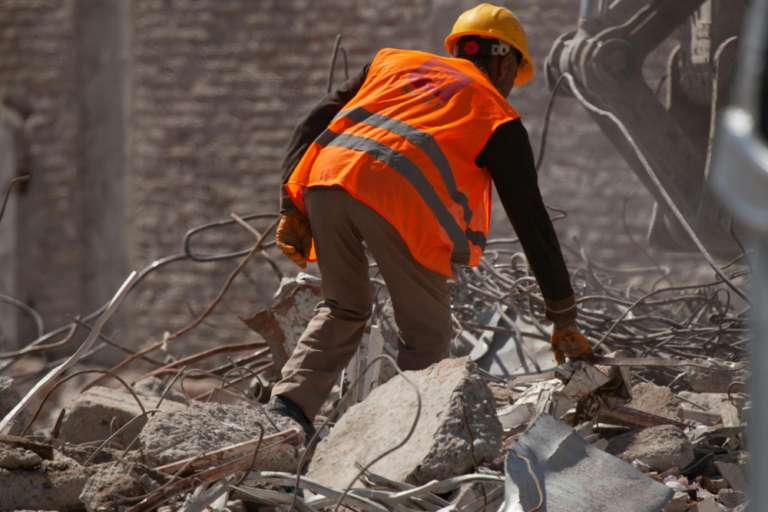
    Safety is paramount when removing concrete, especially in environments where neighbors and pedestrians may be close by. Proper barriers and warning signs should be in place to keep passersby out of the demolition zone. Flying debris, sharp edges, and heavy equipment can all present hazards if safety measures aren’t followed.

    Wearing protective gear such as gloves, goggles, and sturdy footwear is essential for anyone directly involved in the project. In addition, tools and debris should be handled carefully to prevent accidents. Keeping the site organized reduces the risk of tripping or injury. Safety precautions aren’t just about protecting workers; they also help maintain peace of mind for neighbors who may be concerned about their children or pets being near the project. A visible commitment to safety builds trust and keeps the community secure.

    Communicating with neighbors before starting

    In tight-knit or busy neighborhoods, communication is as important as the demolition itself. Letting neighbors know when and how the work will take place gives them the chance to prepare. Simple gestures like a quick note, an email, or a friendly conversation can prevent misunderstandings and reduce frustration. Transparency shows respect and often leads to more patience and understanding from those around you.

    Communication also opens the door for collaboration. A neighbor may need access to their driveway at certain times, or they may have specific concerns about noise. Addressing these details beforehand prevents problems later. In many cases, neighbors appreciate the courtesy and are more accommodating when they know what to expect. Good communication smooths out the entire process and reinforces the idea that the project is being carried out with consideration for the community.

    Handling hidden obstacles during removal

    Concrete demolition often comes with surprises hidden beneath the surface. Reinforcement bars, old pipes, or utility lines may complicate the process. In busy neighborhoods, where underground utilities are common, encountering these obstacles requires caution. Hitting an unexpected water line or electrical conduit could disrupt service not only to your home but to surrounding houses as well.

    Before beginning, it’s wise to contact utility companies to identify the location of underground lines. This precaution minimizes the risk of damaging essential infrastructure. If hidden obstacles are encountered, having a plan in place ensures that the project doesn’t come to a halt. A careful and methodical approach to handling surprises helps maintain progress while avoiding dangerous or costly mistakes. By preparing for the unexpected, homeowners can navigate these challenges with minimal impact on their neighborhood.

    Recycling concrete for eco-friendly results

    Rather than hauling broken concrete directly to the landfill, many homeowners are turning toward recycling as an eco-friendly alternative. Concrete can be crushed and reused for new construction projects, roadbeds, or landscaping material. Recycling not only reduces environmental impact but also cuts down on disposal costs.

    In busy neighborhoods, promoting eco-friendly practices is often appreciated by the community. Neighbors see the effort to minimize waste, which can create a sense of shared responsibility for the environment. Partnering with a recycling facility or hiring junk removal services that prioritize sustainable disposal makes this option both practical and rewarding. Recycling transforms what might seem like useless debris into valuable material, making the process more efficient and environmentally conscious.

    Conclusion

    Concrete removal in busy neighborhoods requires a balance between efficiency, safety, and community consideration. From planning ahead and controlling dust to coordinating disposal and recycling, every step plays a role in minimizing disruption. Communication with neighbors, proper safety precautions, and professional expertise can make all the difference in how smoothly the project unfolds. By respecting the shared space and planning thoughtfully, homeowners can complete their demolition work while keeping their neighborhood comfortable and safe.

    For residents in Santa Rosa, CA, North Bay Junk Removal offers dependable junk removal services designed to simplify concrete hauling and disposal. Their experienced team ensures that debris is managed quickly, safely, and responsibly, allowing projects to move forward with less stress. Whether dealing with broken slabs, old patios, or large driveways, they provide solutions that respect both the homeowner’s needs and the community’s comfort. Call 707-478-6817 today to schedule professional junk removal and keep your neighborhood clean during your project.

  • Why Concrete Removal Is an Important First Step for Homeowners

    Why Concrete Removal Is an Important First Step for Homeowners

    Concrete often takes up large portions of outdoor areas, leaving homeowners with limited choices for how to use their property. A cracked driveway or an outdated patio can make the yard feel small and unwelcoming, discouraging gatherings and restricting everyday use. By removing these slabs, the area transforms into an open space where imagination takes over. The yard stops feeling confined and instead becomes a blank slate, full of possibilities for customization and personal expression. Suddenly, what was once rigid and immovable becomes flexible and inviting.

    Once the heavy material is gone, many homeowners notice opportunities they hadn’t considered before. The open ground makes room for lush gardens, play areas for children, or even entertainment spaces like decks and pergolas. Rather than being boxed in by concrete, the property begins to reflect the homeowner’s lifestyle and creativity. Concrete removal isn’t simply about tearing something down; it’s about reclaiming the hidden potential beneath and creating outdoor areas that feel truly alive.

    Reducing safety risks in the home environment

    Old or deteriorating concrete can quietly become a danger around the home. Uneven surfaces and deep cracks create tripping hazards that are especially risky for children running in the yard or older adults navigating daily paths. Even small missteps can lead to injuries, turning once functional areas into problem zones. When concrete begins to crumble, patchwork repairs only provide temporary relief, leaving underlying hazards intact. Removing it entirely eliminates the problem at its source and ensures safety is prioritized across the property.

    Beyond the risk of trips and falls, concrete can also contribute to larger structural issues. When cracks allow water to seep in, freezing temperatures expand the damage, making the surface even less stable over time. In some cases, nearby foundations may also be affected as the ground shifts. By committing to full removal, homeowners protect their investment and restore confidence in their living environment. Safety becomes less of a worry and more of a guarantee.

    Preparing for new construction projects

    Concrete removal often marks the beginning of exciting transformations. Whether it’s a backyard pool, a garage extension, or a completely new addition to the home, old slabs must come out before progress can begin. Construction crews need an unobstructed surface to work safely and effectively, and leftover concrete only gets in the way. Clearing it creates a true foundation for building, one that ensures accuracy and stability as the project moves forward. The process is less about demolition and more about preparation for what’s ahead.

    This phase also provides homeowners with the opportunity to uncover any hidden issues beneath the surface. Soil conditions, drainage problems, or compacted areas are often revealed once the concrete is gone. Identifying these concerns early saves both time and money, as they can be addressed before new construction begins. What feels like an initial delay ultimately accelerates progress. Removing the concrete first lays the groundwork for lasting improvements.

    Improving property aesthetics and curb appeal

    Few things date a property as quickly as stained, cracked, or uneven concrete. These surfaces often draw the eye immediately, creating a first impression that feels neglected or outdated. By removing them, the entire property begins to feel refreshed, even before new landscaping or construction is introduced. A cleared yard communicates intention, care, and pride, enhancing curb appeal without extensive renovations. The absence of concrete becomes a statement of readiness for something better.

    For homeowners preparing to sell, this can be especially impactful. Buyers are more likely to view an open and versatile space as an opportunity rather than a burden. Instead of being distracted by obvious repairs, they imagine possibilities for creating a space that fits their vision. In this way, concrete removal does more than improve appearance; it enhances value. It highlights the home’s potential, making it far more attractive to prospective buyers and neighbors alike.

    Enhancing drainage and soil health

    Concrete often disrupts natural water flow, forcing rain and runoff to gather in areas where it doesn’t belong. Pools form in the yard, erosion sets in, and moisture creeps toward foundations, causing cracks or other damage. By removing these surfaces, homeowners restore balance to the landscape, allowing water to move and absorb as it naturally should. The shift from hard, impermeable slabs to open soil creates healthier conditions for both the property and its surroundings.

    Once freed from the weight of concrete, soil begins to function as intended. Grass, plants, and trees thrive because they can draw water more effectively, reducing the need for constant irrigation. Home foundations remain safer, too, because water is no longer trapped and directed toward critical structures. Over time, this shift reduces costly maintenance issues and supports a more sustainable yard. The property becomes both healthier and easier to care for, thanks to improved drainage.

    Supporting eco friendly renovation goals

    Concrete removal contributes to greener living in more ways than one. The process does not always mean endless waste destined for landfills. Much of the removed material can be recycled into gravel, aggregate, or other construction uses, giving it a second life. Recycling not only conserves resources but also reduces environmental impact, aligning with modern sustainability practices. Homeowners looking for eco friendly renovations find that removal fits neatly into those values.

    At the same time, clearing concrete provides the opportunity to restore natural ground that supports plant life, clean air, and healthier ecosystems. Instead of a barren slab, the property can hold gardens, trees, or green spaces that actively benefit the environment. Concrete removal is not only about improvement but about harmony with nature. By choosing this route, homeowners make progress in their renovations while also creating lasting ecological benefits. It’s a practical and responsible step forward.

    Saving money on long term repairs

    Repairing damaged concrete might appear cheaper at first glance, but most repairs are only temporary fixes. Patching and resurfacing address visible cracks while ignoring the deeper structural issues that caused them. Over time, the damage resurfaces, leaving homeowners caught in a costly cycle of repeat repairs. The expense adds up, making short-term fixes more expensive than anticipated. Removal breaks the cycle by solving the problem once and for all.

    Investing in removal eliminates recurring repair bills and redirects money toward lasting improvements. Instead of spending year after year on unstable surfaces, homeowners can invest in replacements or upgrades that hold their value over time. The upfront cost of removal pays for itself by preventing ongoing frustration and wasted resources. In the long run, it is the more economical and effective choice, ensuring that money goes into real progress rather than endless patchwork.

    Making yard maintenance simpler

    Concrete creates unnecessary challenges for yard upkeep. Grass grows unevenly around its edges, weeds force their way through cracks, and debris collects in hard-to-clean corners. Each season adds another layer of hassle, making mowing, trimming, and maintenance feel like a never-ending chore. Removing the slabs eliminates these awkward obstacles, leaving behind a cleaner and more manageable space. The yard begins to feel more uniform and less like a puzzle.

    The result is not just a tidier outdoor area but also less time and effort required to maintain it. Without constant battles against weeds or cracked borders, homeowners can focus on enjoying the space instead of laboring over it. Simplicity often enhances beauty, and an open, cohesive yard requires less energy to keep attractive. Removal makes day-to-day upkeep easier, freeing time for relaxation and activities that bring more satisfaction than chasing weeds.

    Creating flexibility for future upgrades

    Concrete locks a property into one particular design, often limiting options for change. A yard covered in slabs leaves little room for imagination, and attempts to adapt often feel forced. By removing the concrete, homeowners unlock flexibility that allows their property to evolve. Suddenly, the space is open for gardens, outdoor kitchens, decks, or even a modern driveway built with new materials. The absence of old concrete gives freedom to dream.

    This flexibility is especially valuable for families whose needs change over time. An open lawn today might become a play area tomorrow or transform into an entertainment space years later. By starting with removal, homeowners ensure that their property can grow alongside them. Rather than being confined by outdated materials, they create a foundation for long-term adaptability. It’s a step that guarantees the home remains functional, attractive, and customizable far into the future.

    Strengthening property value with proactive improvements

    Concrete removal is often underestimated in its impact on property value. Cracked, stained, or uneven slabs send a signal of neglect, making the entire property appear less cared for. By clearing them, homeowners demonstrate proactive maintenance, which is always appealing to buyers and neighbors alike. An open, versatile space highlights potential rather than problems, showing that the property is ready for improvements.

    Even homeowners with no intention of selling benefit from the pride that comes with a well-maintained space. A clean, flexible yard enhances daily enjoyment while also securing long-term value for the property. In comparison to larger renovations, concrete removal is a relatively small step with outsized results. It strengthens property value by addressing problems before they worsen and by creating room for improvements that add even more appeal. The effort pays off both immediately and in the years to come.

    Conclusion

    Concrete removal is rarely celebrated as the most glamorous part of home renovation, but it is often the most important. Clearing away old, damaged, or outdated slabs gives homeowners the chance to reclaim space, improve safety, and prepare their property for meaningful upgrades. From enhancing drainage and boosting aesthetics to reducing hazards and supporting eco friendly goals, the benefits extend far beyond surface-level improvements. It is the step that makes real progress possible, unlocking both immediate functionality and long-term potential for the home.

    For homeowners ready to move forward, North Bay Junk Removal offers reliable support with efficient concrete and debris handling. Located in Santa Rosa, CA, the company specializes in junk removal services that make the toughest parts of renovation simple and manageable. With professional care and equipment, they ensure that removal is completed safely, responsibly, and on schedule. To start your next project with confidence, contact North Bay Junk Removal today at 707-478-6817.

  • Tips for Tackling Concrete Removal with Ease

    Tips for Tackling Concrete Removal with Ease

    Concrete is one of the strongest materials used in construction, but when it comes time for renovations, repairs, or landscaping updates, it can quickly transform from an asset into an obstacle. Removing concrete requires more than brute force—it demands planning, the right tools, and a strategy that balances safety with efficiency. Whether you are breaking apart a patio, tearing out an old driveway, or replacing a damaged foundation, knowing how to approach the task makes a huge difference.

    Concrete removal is often underestimated, yet it can define the pace and success of an entire project. A thoughtful approach saves time, reduces unnecessary strain, and prevents costly mistakes. By preparing thoroughly and tackling the job step by step, homeowners can make what initially seems daunting into a manageable process. This guide explores techniques, safety measures, and practical tips that simplify the challenge of concrete removal.

    Understanding the challenges of concrete removal

    Concrete removal poses unique difficulties compared to other demolition tasks. Its density and strength, the very qualities that make it desirable in construction, also make it resistant to breaking apart. A slab that appears modest in size can weigh thousands of pounds, meaning it’s not just about cracking the surface—it’s about managing debris safely and efficiently. Many first-time renovators underestimate how labor-intensive the job can be.

    Beyond the sheer weight, hidden reinforcements like rebar or wire mesh complicate the process. Cutting through these materials adds another layer of difficulty that requires specialized tools. Even when the surface is successfully broken, transporting heavy chunks becomes a project on its own. Recognizing these challenges early helps set realistic expectations. Concrete removal isn’t impossible, but it demands preparation, patience, and a willingness to adapt when obstacles arise beneath the surface.

    Choosing the right tools for the job

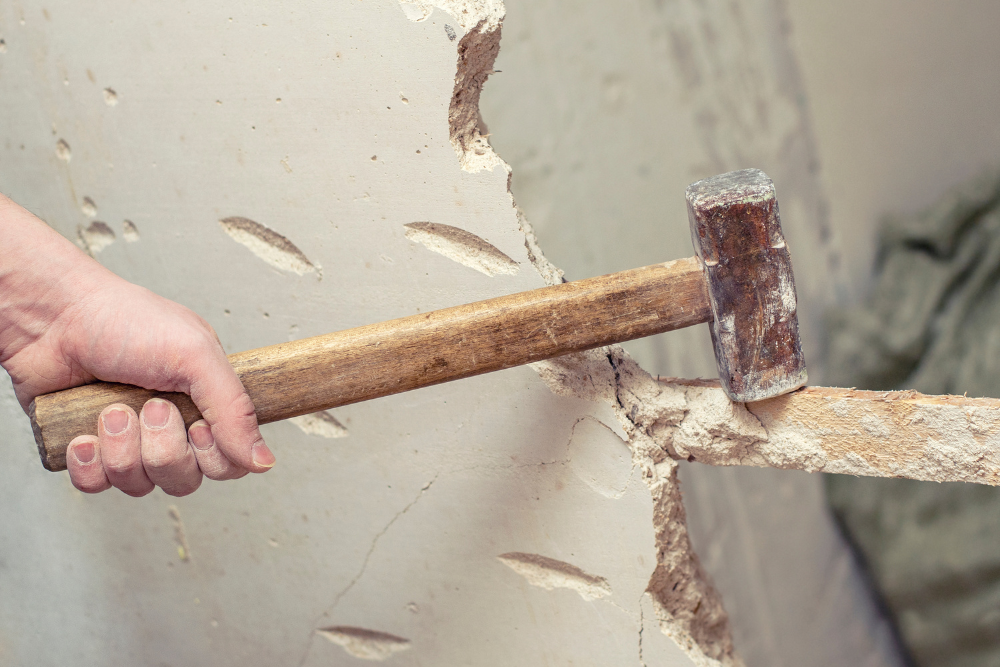
    Concrete removal begins with selecting tools that match the scale of the task. For smaller projects such as garden pathways or steps, a sledgehammer and pry bar might be enough. However, larger slabs call for heavier equipment like jackhammers or power saws designed to cut through reinforced concrete. Renting or borrowing the right tools can save hours of exhausting labor while making the work more precise.

    In addition to demolition tools, wheelbarrows, buckets, and sturdy shovels are essential for handling debris. Safety equipment also falls into this category—gloves, steel-toe boots, and dust masks prevent injuries and protect against flying fragments. Choosing tools is not just about brute strength but about efficiency and protection. The right combination minimizes mistakes, reduces fatigue, and keeps the process organized from start to finish. Investing in proper tools ensures concrete removal becomes achievable rather than overwhelming.

    Preparing the worksite for demolition

    Before a single swing of the hammer, preparing the area is a crucial step in successful concrete removal. Clearing away furniture, plants, or obstacles prevents accidental damage and creates space to maneuver heavy tools and debris. A clean and open worksite also reduces the risk of injury by eliminating tripping hazards that often slow progress.

    Another vital part of preparation involves checking for hidden utilities. Concrete surfaces may conceal gas lines, water pipes, or electrical conduits. Accidentally striking one of these can turn a manageable project into a dangerous and costly situation. Marking off boundaries and setting up barriers also keeps dust and debris contained, protecting the surrounding environment. A few hours of preparation may seem like a delay, but it sets the stage for a smoother, safer, and more efficient demolition process that pays off in the long run.

    Breaking concrete into manageable sections

    One of the smartest strategies for tackling concrete removal is breaking the slab into smaller, manageable sections. Instead of attempting to lift or move one enormous piece, cutting the material into chunks makes it easier to handle, transport, and dispose of safely. This approach reduces strain on your body and minimizes the risk of accidents.

    Scoring the concrete with a saw before using a jackhammer or sledgehammer provides a guide for cleaner breaks. Working methodically in sections helps maintain control over the process, preventing the unpredictable shattering that can occur with haphazard strikes. Smaller pieces also make loading debris into wheelbarrows or dumpsters more efficient. While it may seem like extra work at first, this step-by-step method ensures steady progress and keeps the project from becoming overwhelming. In concrete removal, patience and strategy often outweigh brute force.

    Handling reinforced concrete with care

    Not all concrete is created equal. Reinforced concrete, which includes embedded steel bars or wire mesh, adds another layer of complexity to removal efforts. While reinforcement strengthens a structure, it also resists simple breaking methods. Cutting through steel requires more advanced tools such as angle grinders, bolt cutters, or saws equipped with metal-cutting blades. Attempting to remove reinforced slabs without the right approach can quickly lead to frustration.

    Dealing with reinforcement safely also means anticipating sharp edges or heavy pieces that may shift unexpectedly once cut. Proper protective gear becomes especially important when sparks, flying debris, and jagged steel are part of the process. Taking time to carefully separate the concrete from the reinforcement ensures cleaner removal and reduces disposal complications. Though reinforced concrete is tougher to manage, it is by no means impossible when handled with deliberate technique and adequate preparation.

    Prioritizing safety during the process

    Concrete removal is physically demanding, and safety must remain the highest priority throughout the project. Protective equipment like goggles, gloves, and steel-toe boots reduces the risk of injuries from sharp fragments or heavy impacts. Dust masks are equally essential, as concrete dust can irritate lungs and cause long-term health concerns if inhaled repeatedly. Simple precautions go a long way in keeping the process manageable and safe.

    In addition to gear, safe lifting techniques are critical. Concrete chunks can weigh far more than expected, so lifting with the legs rather than the back prevents strain and potential injuries. Having a partner to assist with heavy sections also reduces risks significantly. Maintaining clear pathways for moving debris ensures that trips and falls are avoided..

    Managing debris efficiently

    Concrete removal doesn’t end with breaking slabs apart—it also involves dealing with the mountain of debris left behind. Without a disposal plan, the project site quickly becomes cluttered and unsafe. Organizing debris into piles or containers as you go makes the process more manageable. Wheelbarrows and heavy-duty bins prove invaluable for transporting pieces without unnecessary strain.

    Disposal itself requires consideration. Many municipalities have specific regulations about how concrete should be discarded, and not all facilities accept construction debris. Renting a dumpster or arranging professional hauling services can simplify this stage. Recycling is also an option, as many facilities repurpose broken concrete into gravel or road base material. 

    Considering recycling options for concrete waste

    Concrete waste doesn’t have to end up in a landfill. Recycling offers a sustainable alternative that benefits both the environment and your project. Broken concrete can be crushed into aggregate used for new construction, landscaping, or road-building materials. Choosing to recycle supports eco-friendly practices while reducing disposal costs. It transforms demolition debris into valuable resources rather than waste.

    Recycling facilities often accept clean concrete, free from excessive dirt, rebar, or other materials. Sorting waste beforehand simplifies the process and increases the chance of acceptance. In some cases, contractors or junk removal services may handle recycling for you, saving time and effort. Beyond environmental impact, recycling demonstrates a forward-thinking approach to renovation. By diverting heavy materials from landfills, homeowners contribute to sustainability while still achieving their project goals. 

    Deciding when to call in professional help

    Although many homeowners tackle small-scale concrete removal themselves, certain projects demand professional expertise. Large driveways, reinforced foundations, or areas close to utilities present challenges that go beyond DIY solutions. Professionals bring specialized tools and experience, allowing them to complete the job faster and with less risk of damage to surrounding structures. Their services often include hauling debris, eliminating one of the most exhausting parts of the process.

    Recognizing when to call for help isn’t a weakness—it’s a smart investment in safety and efficiency. Attempting to manage oversized slabs or deeply embedded concrete without proper equipment can lead to injuries or delays. Professionals know how to assess the situation, apply the best methods, and leave the worksite ready for the next phase of renovation. 

    Maintaining momentum for the renovation ahead

    Concrete removal is rarely the final goal—it’s the beginning of what comes next. Whether replacing a worn-out driveway, creating a new outdoor space, or renovating a foundation, removing concrete sets the stage for transformation. Keeping momentum after demolition is key to ensuring the overall project doesn’t stall. Organizing the site, removing debris promptly, and preparing the ground for new work maintains progress.

    Momentum also comes from planning ahead. Having the next steps ready, whether it’s pouring new concrete, installing pavers, or building a new structure, prevents unnecessary downtime. Seeing the cleared space can be motivating, but without preparation, the energy of the project can fade. Concrete removal may be challenging, but it carries the excitement of possibility. 

    Conclusion

    Concrete removal may feel like one of the toughest stages of a renovation, but with preparation, the right tools, and a step-by-step approach, it becomes a manageable process. By breaking slabs into smaller sections, handling reinforcement carefully, and staying mindful of safety, homeowners can tackle even demanding projects successfully. Debris management and recycling add responsibility to the effort, ensuring the project is both efficient and environmentally conscious. Knowing when to bring in professionals ensures that challenges don’t become roadblocks.

    For homeowners looking to simplify cleanup and disposal, professional junk removal services provide a valuable solution. North Bay Junk Removal in Santa Rosa, CA, specializes in handling heavy materials like concrete with efficiency and care. Their team removes debris quickly, leaving your property clear and ready for the next phase of renovation. To schedule dependable junk removal services, call North Bay Junk Removal today at 707-478-6817 and move forward with confidence.

  • What to Do with Concrete Debris After Removal

    What to Do with Concrete Debris After Removal

    Finding Responsible Disposal Options

    Once concrete is removed, deciding where it goes can feel overwhelming. Dumping it haphazardly can harm the environment and violate local regulations. Many communities offer recycling centers specifically for construction debris, where concrete can be repurposed into gravel or new building materials. Seeking out these facilities not only ensures legal compliance but also reduces landfill waste, giving old concrete a second life. Homeowners or contractors can also consider municipal transfer stations that accept construction materials, providing an organized and eco-friendly outlet for the debris. Planning ahead and knowing the rules of your area saves both time and potential fines. Responsible disposal transforms what might seem like a waste problem into an opportunity to support sustainable building practices.

    Sometimes, smaller pieces of concrete can be creatively reused at home. They can be crushed for pathways, garden edging, or drainage solutions. Landscaping projects often benefit from broken concrete as a base for patios or driveways, where its weight and durability provide long-lasting stability. By reimagining concrete debris as a resource rather than trash, you not only save money on new materials but also contribute to eco-conscious practices. With careful sorting and handling, concrete removal becomes less of a chore and more of an environmentally aware project that leaves both your property and conscience in better shape.

    Renting a Construction Dumpster

    Handling concrete debris is often easier with the right equipment. Renting a construction dumpster allows you to consolidate all materials into one manageable location. This approach minimizes multiple trips to disposal sites and reduces the risk of leaving debris scattered around your property. Many rental companies provide guidance on what can and cannot be included, ensuring you stay compliant with local waste management rules. By clearly separating recyclable concrete from other materials, you streamline both the disposal and potential recycling processes, saving effort and cost. Using a dumpster also keeps your site safer, reducing tripping hazards and making cleanup more efficient.

    A dumpster rental offers flexibility in timing as well. Some projects take longer than expected, and having a dedicated container on-site allows you to work at your own pace without worrying about overflowing piles of debris. With a professional rental, you can schedule pickup when the project concludes, ensuring all concrete is removed responsibly. Additionally, these companies often have the necessary permits for disposal, sparing you administrative headaches. This solution creates a seamless workflow where debris is contained, safety is maintained, and the environment benefits from proper disposal or recycling channels, making concrete removal smoother and less stressful.

    Donating Concrete to Local Projects

    Concrete may appear unusable, yet local organizations or community projects often welcome donations. Nonprofits, schools, or public works departments sometimes repurpose concrete for playground bases, garden paths, or erosion control. By connecting with these groups, homeowners can ensure their debris benefits the wider community rather than filling landfill space. Before donating, confirm the concrete is free from contaminants like metal rebar or chemical residues. Donations typically require coordination, but they provide a socially responsible alternative to disposal, allowing debris to contribute positively to civic projects.

    Repurposing concrete through donation extends its lifecycle in practical ways. Community gardens, landscaping initiatives, or infrastructure repairs can all make use of crushed concrete. In some areas, construction supply stores accept concrete donations for resale or redistribution to builders seeking affordable materials. Engaging with these programs fosters relationships with local organizations and supports sustainability. Even if only a portion of your debris can be reused, the impact on landfill reduction is significant. Exploring these channels makes the process of handling concrete debris more than a logistical necessity; it becomes a small but meaningful contribution to the community.

    Reusing Concrete in Landscaping Projects

    Landscaping presents a creative avenue for concrete reuse. Broken concrete chunks can be transformed into decorative garden features, retaining walls, or stepping stones. By integrating these pieces thoughtfully, you achieve both aesthetic and functional results. Concrete’s durability makes it suitable for areas exposed to weather or foot traffic. When designing your project, consider color, texture, and size variations to add visual interest. Incorporating debris in this way reduces the need for purchasing new materials while maintaining structural integrity in your outdoor spaces.

    Using concrete in landscaping also offers practical advantages. Crushed concrete can improve drainage, prevent soil erosion, and create stable pathways through gardens or yards. Edging beds or building terraces from leftover concrete adds both charm and durability. Homeowners can mix creativity with utility, turning what might have been waste into lasting outdoor features. This approach emphasizes resourcefulness and sustainability, proving that even discarded construction materials have valuable applications in enhancing home environments and minimizing environmental impact.

    Crushing Concrete for Road Base or Driveways

    Concrete can be crushed and repurposed as a sub-base for roads or driveways. This process involves breaking larger chunks into smaller aggregate, which provides a stable foundation for new construction projects. Contractors and DIY enthusiasts alike use crushed concrete to replace gravel or sand, reducing the need to extract new materials. This method not only saves resources but also diverts concrete from landfills. The resulting aggregate is strong, compactable, and ideal for supporting heavy loads, making it a practical and eco-conscious solution for various construction needs.

    Preparing concrete for such applications requires careful attention to size and cleanliness. Removing metal, plastics, or other contaminants ensures the crushed product is suitable for structural purposes. Once processed, the material can be spread and compacted as a base layer, offering durability and longevity. Utilizing debris in this manner demonstrates a commitment to sustainable building practices and efficient resource management. By rethinking concrete as a reusable material, both environmental and economic benefits are achieved, turning leftover debris into a valuable asset for future projects.

    Working with Professional Junk Removal Services

    Engaging a professional junk removal service simplifies concrete disposal. These experts have the experience, equipment, and permits necessary to remove debris safely and efficiently. They can handle large volumes, navigate local regulations, and ensure materials are delivered to appropriate recycling or disposal facilities. By outsourcing this task, property owners reduce physical strain and risk of injury associated with moving heavy concrete. Professionals also provide guidance on separating recyclable materials from general waste, maximizing both environmental responsibility and cost-effectiveness.

    A professional service ensures compliance with all local rules and safety standards. Their teams are trained to manage sharp edges, dust, and heavy lifting, preventing accidents that might occur if handled without expertise. Additionally, services often include on-site cleanup, leaving the property ready for the next stage of construction or landscaping. Relying on experts transforms a potentially stressful chore into a streamlined process. With the combination of knowledge, equipment, and efficiency, professional junk removal offers peace of mind and ensures that concrete debris is responsibly managed from start to finish.

    Incorporating Concrete in Creative DIY Projects

    Concrete debris can inspire a range of DIY projects. Small chunks can become planters, garden stepping stones, or decorative sculptures. Creative painting or etching adds personal flair, transforming leftover material into functional art. Such projects allow homeowners to channel resources that might otherwise be discarded into meaningful and sustainable expressions. The physical properties of concrete make it a versatile medium, capable of supporting weight and withstanding outdoor conditions, while also offering opportunities for inventive applications around the home.

    DIY projects also enhance learning and family engagement. Children can participate in safe, supervised creative activities using small concrete pieces, fostering interest in construction, design, and environmental stewardship. By incorporating concrete into personalized projects, homeowners turn debris into something practical, beautiful, and memorable. These initiatives not only reduce waste but also cultivate a sense of accomplishment and creativity, proving that even discarded construction materials can have a lasting impact when approached thoughtfully.

    Composting or Using Concrete for Soil Stabilization

    Surprisingly, concrete can serve soil stabilization purposes. Crushed concrete improves drainage, prevents erosion, and strengthens soil structures in garden beds or slopes. By distributing broken pieces strategically, homeowners enhance plant growth and prevent sediment displacement. While not compost in the traditional sense, integrating concrete into landscaping supports soil integrity and reduces runoff, offering functional benefits for both natural and built environments. This approach aligns with sustainable gardening practices and provides a second life to materials that might otherwise contribute to landfill waste.

    Applying concrete in soil stabilization requires planning to avoid damaging plant roots or altering soil chemistry negatively. By placing larger pieces as a base and finer crushed material as a top layer, the soil gains structure while maintaining permeability. Over time, this practice enhances long-term garden health and reduces maintenance requirements. By rethinking the purpose of removed concrete, homeowners convert potential waste into an asset that improves environmental resilience and supports practical land management, reinforcing the value of resourceful debris reuse.

    Selling or Giving Away Concrete to Others

    Concrete may hold value for other builders or hobbyists. By advertising leftover pieces online or within local construction networks, property owners can find interested parties eager to repurpose the material. Platforms for selling or giving away concrete encourage community sharing and reduce unnecessary disposal. Even small fragments can be useful for smaller projects, from garden landscaping to reinforcing other construction undertakings. Connecting with others ensures material is reused effectively, extending its functional lifespan beyond the original project.

    Engaging in local exchange or resale programs also fosters neighborhood cooperation and reduces environmental impact. This method highlights how shared resources benefit more than one property and minimize collective waste. With careful communication regarding quantity, quality, and safety, concrete can find a second home where it contributes meaningfully to new projects. By exploring these avenues, homeowners maximize the utility of their debris and participate in sustainable building practices that enrich both the environment and community.

    Keeping Safety and Local Regulations in Mind

    Disposing of concrete debris requires awareness of safety practices and local regulations. Improper handling can result in injury from heavy materials, sharp edges, or dust inhalation. Protective equipment, proper lifting techniques, and a clean workspace minimize risk. Furthermore, understanding local disposal requirements avoids fines or illegal dumping issues. Municipal codes often dictate what types of construction debris are acceptable and the proper channels for recycling or landfill disposal. Adhering to these guidelines ensures a smooth and lawful cleanup process.

    Planning the disposal process with safety in mind also enhances efficiency. Clearing debris systematically, labeling recyclable versus non-recyclable concrete, and maintaining a hazard-free site reduces accidents and stress. Consulting local authorities or waste management services before starting ensures compliance and may reveal unexpected opportunities for recycling or donation. By combining safety, legality, and creativity in debris handling, homeowners convert a potentially tedious task into a responsible, well-managed project, benefiting both people and the environment.

    Conclusion

    Handling concrete debris responsibly requires both planning and insight into disposal and reuse opportunities. Utilizing recycling centers, construction dumpsters, donations, or creative projects transforms what seems like waste into valuable resources. Homeowners can integrate debris into landscaping, DIY projects, or even structural bases, demonstrating that concrete retains usefulness beyond its original purpose. Each method has its unique benefits, from supporting community initiatives to enhancing sustainability and reducing landfill contributions. Thoughtful management ensures that projects remain efficient while respecting environmental and local regulations. These strategies make concrete removal less daunting, more productive, and environmentally conscious, turning a logistical challenge into an opportunity for positive impact.

    For professional assistance, North Bay Junk Removal in Santa Rosa, CA provides comprehensive services that include safe and efficient handling of construction debris, including concrete. Their experienced team ensures compliance with local disposal regulations and maximizes recycling opportunities. Whether dealing with large volumes from a renovation or small home projects, they offer tailored solutions that simplify cleanup. Homeowners and contractors can contact North Bay Junk Removal at 707-478-6817 to schedule services and take the stress out of managing concrete debris. Trusting experts for junk removal ensures safety, legality, and environmental responsibility while reclaiming space efficiently.

  • Why Concrete Removal Is Crucial for Property Renovations

    Why Concrete Removal Is Crucial for Property Renovations

    Enhancing Renovation Efficiency

    Removing old concrete can dramatically improve the efficiency of any property renovation. When outdated concrete surfaces remain in place, they can obstruct construction work, slow down project timelines, and increase labor costs. By eliminating these barriers, workers gain unobstructed access to key areas, allowing for smoother installations of new materials and infrastructure. The process may require specialized equipment and techniques, yet the benefits far outweigh the effort. Clean removal ensures that the foundation or subgrade remains intact, preventing potential complications during subsequent phases of the renovation. Additionally, eliminating concrete clutter creates a safer work environment, reducing the likelihood of accidents and mishaps on-site.

    Concrete removal also opens up creative possibilities for property upgrades. Without the constraints of pre-existing slabs or structures, designers and contractors can reimagine spaces, integrate modern features, and optimize layouts. This flexibility allows homeowners and business owners to maximize usable space, improve aesthetics, and enhance property functionality. Proper disposal of removed concrete ensures compliance with local regulations and supports environmentally responsible practices. Overall, investing time in thorough concrete removal sets the stage for a successful, efficient, and visually appealing renovation project.

    Preventing Structural Issues

    Failing to remove old concrete can lead to structural challenges during renovations. Concrete left in place can interfere with new foundations, drainage systems, or landscaping plans, potentially compromising stability. Over time, remnants of deteriorating concrete can shift, crack, or settle unevenly, causing issues for any new construction built atop it. Removing concrete proactively prevents these structural risks, ensuring that the renovated property remains safe and durable. It also simplifies inspection processes, as engineers and contractors can clearly assess the condition of underlying soil and existing infrastructure without obstacles obscuring their view.

    Moreover, concrete removal helps avoid future maintenance headaches. By clearing away degraded slabs, homeowners prevent water pooling, mold formation, and erosion problems that might otherwise develop beneath or around old concrete. This step also supports long-term investment value, as properties free of hidden structural hazards tend to retain market appeal and functionality. Engaging professionals for concrete removal guarantees that the process is thorough, controlled, and executed with care, ultimately providing peace of mind throughout the renovation journey.

    Supporting Landscaping and Outdoor Projects

    Concrete removal is particularly crucial when planning landscaping or outdoor renovations. Existing slabs or pathways often restrict design possibilities, limiting planting areas or outdoor living spaces. Removing concrete creates a blank canvas, enabling the introduction of gardens, patios, or decorative features that enhance property appeal. This flexibility allows for integration of drainage solutions, irrigation systems, and outdoor lighting without interference from pre-existing barriers. Efficient concrete removal ensures that soil quality is maintained and prepared for new landscaping, supporting healthy plant growth and long-term sustainability of the outdoor environment.

    The process also mitigates risks associated with uneven or unstable surfaces. Old concrete can crack, shift, or harbor weeds, detracting from both functionality and aesthetics. By removing it, property owners and contractors can establish a level foundation, improving safety for foot traffic and outdoor activities. Additionally, repurposing or recycling removed concrete supports eco-friendly practices, reducing waste sent to landfills. Overall, thorough removal fosters versatile, attractive, and enduring outdoor spaces that align with modern renovation goals.

    Concrete Removal

    Facilitating Utility Upgrades

    Renovations often involve upgrading plumbing, electrical systems, or other utilities that run beneath or around concrete surfaces. Old concrete can hinder these essential upgrades, making access difficult and increasing labor intensity. Removing concrete in targeted areas allows contractors to efficiently install new pipes, wiring, and conduits without compromising existing structures. This proactive approach minimizes the need for costly rework or adjustments later in the project, ensuring utility systems function optimally once renovations are complete.

    Concrete removal also contributes to safety and compliance with local building codes. Accessible pathways for utilities allow inspections to be conducted thoroughly, confirming that installations meet regulatory standards. Homeowners benefit from enhanced reliability and reduced risk of future service interruptions. Additionally, when combined with modern materials and techniques, cleared spaces enable energy-efficient systems, water management solutions, and smart home integrations. Overall, removing concrete paves the way for upgraded infrastructure that complements the overall renovation vision.

    Improving Property Safety

    Old or damaged concrete can pose significant safety hazards during and after renovations. Uneven surfaces, cracks, or broken pieces increase the risk of trips, falls, and other injuries. By removing such hazards before proceeding with renovations, property owners create a safer environment for workers and future occupants. Clear, even ground surfaces allow for easier navigation, reduce liability concerns, and support the installation of new flooring or structural elements without interference.

    Safety considerations extend beyond immediate physical hazards. Retaining old concrete may trap water, encourage mold growth, or attract pests, all of which can compromise property integrity. By thoroughly clearing these obstacles, renovations proceed without hidden threats undermining the project. Proper removal techniques also prevent damage to adjacent structures, trees, or landscaping features, ensuring that upgrades are both safe and harmonious with the surrounding environment. This focus on safety enhances the overall quality and longevity of the property.

    Reducing Renovation Costs

    While concrete removal may seem like an added expense, it can ultimately reduce renovation costs. Existing concrete often complicates demolition, construction, and material installation, requiring additional labor and time. Clearing it efficiently allows contractors to work more quickly, reducing overall project duration and associated expenses. Additionally, precise removal prevents damage to valuable surfaces, underground utilities, or neighboring structures, which could result in costly repairs if overlooked.

    Moreover, removed concrete can sometimes be recycled or repurposed, offsetting disposal costs and contributing to sustainable practices. Using professional services ensures the process is done right the first time, minimizing unexpected delays and financial setbacks. By investing in thorough concrete removal, property owners safeguard their budget, improve project efficiency, and create a foundation for successful renovations that meet design and functional expectations without hidden financial surprises.

    Enhancing Aesthetic Appeal

    Concrete removal significantly enhances the aesthetic appeal of renovated properties. Outdated slabs, cracked driveways, or broken walkways can detract from the visual harmony of a space. By clearing these elements, homeowners and designers gain the freedom to introduce modern designs, attractive landscaping, and cohesive outdoor features. Clean removal allows for smooth transitions between indoor and outdoor areas, seamless integration of materials, and visually pleasing pathways that complement the overall renovation style.

    Beyond aesthetics, removing concrete allows for the introduction of textures, colors, and materials that align with current trends and personal preferences. Property owners can incorporate decorative concrete, pavers, or natural stone to create inviting spaces that enhance curb appeal and enjoyment. The process also provides opportunities for thoughtful lighting and furniture placement, transforming ordinary areas into functional and beautiful environments. Ultimately, concrete removal sets the stage for visually striking and cohesive renovations that resonate with the property’s character and purpose.

    Supporting Environmental Sustainability

    Concrete removal also supports environmentally conscious renovation practices. Many professionals recycle removed concrete, crushing it into aggregate for new construction or landscaping projects. This reduces waste sent to landfills and minimizes the demand for virgin materials. By incorporating sustainable disposal methods, property owners contribute to eco-friendly development and align their projects with modern environmental standards.

    Furthermore, responsible removal practices prevent soil contamination, avoid unnecessary disturbance to natural habitats, and promote safer handling of construction debris. Contractors who prioritize sustainability ensure that renovations leave a positive environmental footprint, benefiting both the property and the broader community. Incorporating recycled concrete into new projects not only conserves resources but also enhances durability and cost-effectiveness, reinforcing the value of thoughtful renovation planning.

    Preparing for Foundation Work

    Before undertaking major structural improvements, concrete removal is essential for preparing foundation work. Old slabs or remnants can interfere with grading, excavation, and foundation pouring, potentially compromising stability. Clearing these obstacles provides a level, stable surface for new foundations, ensuring structural integrity and long-term durability. Professional removal techniques prevent damage to surrounding areas, maintaining precise measurements and alignment for foundational elements.

    Concrete removal also facilitates accurate assessment of soil conditions and drainage patterns, enabling contractors to make informed decisions about reinforcement or waterproofing solutions. By addressing potential challenges early, property owners minimize risks of uneven settling or structural failure. This preparation not only safeguards the renovation investment but also streamlines subsequent construction phases, setting the groundwork for a strong and enduring property upgrade.

    Increasing Property Value

    Removing old concrete can have a direct impact on property value. Clear, usable spaces allow for modern landscaping, improved outdoor features, and better overall functionality. Renovations that incorporate thorough concrete removal tend to be more appealing to potential buyers, enhancing marketability and return on investment. Homes and commercial properties free from deteriorated concrete signals well-maintained conditions and attention to detail, both of which influence valuation.

    Additionally, concrete removal allows for creative improvements such as expanded patios, walkways, or parking areas that increase usability and appeal. Investors and homeowners alike benefit from a property that is adaptable, safe, and visually pleasing. By integrating concrete removal into renovation planning, property owners position themselves to maximize both aesthetic and financial outcomes, ensuring that the renovated space meets contemporary standards and attracts lasting interest.

    Conclusion

    Concrete removal is an indispensable step for any comprehensive property renovation. By clearing outdated slabs, pathways, and foundations, property owners ensure efficiency, safety, and design flexibility throughout their projects. Removing concrete enhances aesthetic appeal, supports structural integrity, and facilitates utility upgrades, all while preparing the site for modern landscaping and foundation work. The process also promotes environmentally responsible practices, contributing to sustainable development and long-term property value. Engaging skilled professionals guarantees that removal is thorough, controlled, and executed with minimal disruption, providing peace of mind during every phase of renovation.

    For reliable and professional junk removal services in Santa Rosa, CA, contact North Bay Junk Removal. Their experienced team handles concrete, construction debris, and a variety of unwanted items, ensuring properties are cleared safely and efficiently. Reach out today at 707-478-6817 to schedule service and experience top-notch results that enhance both functionality and aesthetics of your property.

  • Concrete Removal for Property Improvements

    Concrete Removal for Property Improvements

    Efficient Concrete Removal for Residential Spaces

    Removing concrete from your property can be a challenging yet transformative task. Residential spaces often contain outdated driveways, patios, or sidewalks that no longer serve their purpose or match the aesthetic of your home. Tackling concrete removal requires careful planning to avoid damage to surrounding areas. By approaching the process systematically, you can ensure that heavy machinery or hand tools are used safely, and that debris is properly managed. This preparation not only safeguards your property but also minimizes potential hazards during the removal process. The satisfaction of opening up your space for new projects or landscaping is worth the effort, giving your home a fresh canvas to work with.

    Careful handling and professional insight can make all the difference in residential concrete removal. Even seemingly simple projects can reveal hidden complications such as reinforced steel, uneven surfaces, or delicate surrounding structures. Evaluating the best method for breaking up and hauling concrete ensures the process is both safe and efficient. By considering these factors ahead of time, you can avoid common pitfalls and ensure a smooth transition from old concrete to improved, functional spaces ready for upgrades. Planning with precision allows for both speed and peace of mind.

    Transforming Commercial Properties Through Concrete Removal

    Concrete removal in commercial properties often involves larger-scale projects such as parking lots, sidewalks, or storage areas. These spaces must be cleared efficiently to minimize disruption to business operations. Commercial concrete removal projects can require heavy-duty equipment and specialized techniques to handle the volume and weight of concrete safely. Ensuring that the work is done carefully prevents structural damage and allows for seamless renovations or expansions. Removing concrete in a controlled and methodical way opens opportunities to redesign your commercial space with functionality and safety in mind.

    Large projects can also benefit from experienced teams who understand local regulations, safety standards, and disposal requirements. Proper debris management is critical in commercial settings to prevent accidents and maintain compliance with environmental guidelines. By planning ahead and implementing structured strategies, you can remove concrete effectively while preparing the area for new installations or aesthetic improvements. This proactive approach minimizes downtime and ensures your business space is ready for the next phase of property development.

    Safety Considerations During Concrete Removal

    Safety is paramount during any concrete removal project. Whether working with residential patios or commercial parking lots, concrete demolition can pose risks such as falling debris, dust inhalation, and heavy-lifting injuries. Wearing proper personal protective equipment and ensuring all workers are trained in safety protocols are essential steps in preventing accidents. Understanding the physical demands and potential hazards associated with concrete removal allows you to implement measures that reduce risk while maintaining efficiency. Safety considerations are integral not only to protect those performing the work but also to shield surrounding structures and landscaping from accidental damage.

    Planning the removal process with safety in mind also involves evaluating tools and techniques that minimize physical strain. For instance, using mechanical breakers or saws reduces manual labor and accelerates the demolition process. Managing dust and debris through containment strategies ensures that nearby areas remain clean and safe. Prioritizing these precautions creates a controlled environment in which concrete removal can proceed smoothly, allowing property improvements to move forward without unnecessary setbacks.

    Concrete Removal

    Eco-Friendly Approaches to Concrete Disposal

    Proper disposal of concrete is critical for environmentally conscious property improvements. Recycling concrete into aggregate for new construction projects helps reduce waste and preserves natural resources. Instead of sending old concrete to landfills, sorting and processing it for reuse contributes to sustainable practices. Incorporating eco-friendly disposal methods not only benefits the environment but can also reduce costs associated with removal. By adopting recycling strategies, property owners play a role in minimizing environmental impact while enhancing the overall appeal of their space.

    Eco-conscious concrete removal also includes separating debris for repurposing or donation where applicable. This approach ensures that construction waste is managed responsibly while adhering to local regulations. Planning for sustainability during removal projects reflects a commitment to green building practices and community stewardship. By embracing environmentally friendly techniques, you create a balance between improving your property and supporting long-term ecological health.

    Tools and Equipment for Effective Concrete Removal

    Selecting the right tools and equipment is crucial for a smooth concrete removal process. Small residential projects may require hand tools like sledgehammers, chisels, and pry bars, while larger commercial projects often demand jackhammers, skid steers, and concrete saws. Using appropriate equipment reduces the physical strain on workers and speeds up the removal process. Assessing the scale of the project ensures that the chosen tools match the demands of the task. Proper equipment also enhances precision, minimizing accidental damage to surrounding structures and landscaping.

    Regular maintenance and proper handling of machinery are essential to prevent delays or injuries. Knowing which tools to deploy and how to use them safely allows the removal team to tackle concrete efficiently. Combining manual techniques with mechanical solutions creates a balance between control and speed, enabling removal projects to proceed smoothly. Ultimately, thoughtful equipment selection contributes to a safer and more effective demolition process, paving the way for new property improvements.

    Planning and Preparation for Concrete Projects

    Proper planning is the backbone of successful concrete removal. Evaluating the area, identifying obstacles, and creating a step-by-step strategy ensures that projects proceed without unexpected delays. Planning involves determining the volume of concrete to remove, assessing access points for equipment, and identifying nearby utilities or landscaping that require protection. A well-prepared plan minimizes risks, enhances efficiency, and helps allocate resources effectively. By taking the time to prepare thoroughly, property owners and contractors can avoid common challenges that arise from hasty demolition.

    Preparation also includes organizing waste disposal and logistics for hauling away debris. Scheduling the removal in phases allows for smoother workflow and better management of heavy materials. Proper preparation ensures that safety standards are upheld while maintaining a clear path for improvement projects. With a thoughtful plan in place, concrete removal becomes a manageable, controlled process that lays the groundwork for successful renovations and aesthetic enhancements.

    Enhancing Outdoor Spaces with Concrete Removal

    Concrete removal is often the first step in transforming outdoor spaces into functional and visually appealing areas. Replacing old patios, driveways, or walkways opens opportunities for new landscaping, custom hardscaping, or improved drainage solutions. Removing concrete allows property owners to rethink layouts and create spaces that better suit lifestyle needs. This transformation can elevate the overall appearance of the property while increasing its usability and value.

    Reimagining outdoor spaces also means considering materials that complement existing structures and garden designs. Whether installing decorative pavers, natural stone, or permeable surfaces, clearing away old concrete creates a blank canvas for creative solutions. Strategic removal combined with thoughtful planning can significantly enhance both the aesthetic and practical qualities of outdoor areas, making them enjoyable for family use, entertaining, and long-term property value.

    Managing Large-Scale Concrete Removal Challenges

    Large-scale concrete projects, such as foundations, parking lots, or extensive patios, require specialized techniques to handle weight and volume efficiently. Coordinating removal crews, equipment, and debris disposal is essential to maintain a smooth workflow. Challenges such as reinforced concrete, uneven surfaces, or tight access points demand careful consideration to avoid delays and damage. Implementing a systematic approach ensures that projects remain on schedule while maintaining safety standards.

    Professional management of large-scale removal involves anticipating potential obstacles and adjusting methods accordingly. Using precise cutting, breaking, and hauling strategies allows crews to handle heavy concrete safely. Effective project management also includes timing deliveries and pickups of equipment and debris containers to maintain an organized site. Addressing challenges proactively ensures that even the most demanding concrete removal projects are completed efficiently and effectively.

    Cost Considerations in Concrete Removal

    Understanding the costs associated with concrete removal helps property owners plan budgets and make informed decisions. Expenses can vary based on the size of the project, complexity, and disposal requirements. Factoring in labor, equipment rental, and hauling fees provides a realistic estimate of overall costs. Considering cost-saving strategies, such as partial DIY demolition combined with professional hauling, can help balance quality and affordability. By evaluating cost factors upfront, property owners can avoid unexpected expenses and streamline the removal process.

    Cost management also involves prioritizing safety and efficiency, ensuring that cheaper options do not compromise the quality of work. Comparing quotes from professionals and assessing materials for recycling opportunities can further optimize budgets. Thoughtful financial planning allows for a smoother project experience while maximizing the value of property improvements. Transparent consideration of costs ensures that concrete removal projects are both practical and beneficial in the long term.

    Integrating Concrete Removal with Renovation Projects

    Concrete removal often coincides with broader renovation initiatives. Clearing old concrete enables the installation of new patios, driveways, or commercial walkways that align with updated designs. Coordinating removal with renovation timelines ensures minimal disruption and efficient use of resources. Integrating these tasks allows for seamless progress and smoother project execution, ensuring that the property is ready for immediate improvements once the concrete is cleared.

    Renovation integration also requires communication between teams handling demolition, construction, and landscaping. Planning the sequence of removal and installation tasks enhances productivity and reduces idle time. By aligning concrete removal with overall renovation goals, property owners can achieve cohesive results that enhance both function and appearance. This holistic approach transforms spaces efficiently and sets the stage for lasting property value enhancements.

    Conclusion

    Concrete removal is an essential step in achieving meaningful property improvements. From residential patios to large commercial areas, effective removal opens opportunities for redesign, landscaping, and functional upgrades. Considering safety, environmental impact, equipment, and planning ensures projects proceed smoothly while minimizing risk and maximizing benefits. The transformation achieved through proper concrete removal can elevate both aesthetics and usability, preparing spaces for future development.

    For reliable and professional support with debris and construction material removal, North Bay Junk Removal in Santa Rosa, CA offers comprehensive services. Their team ensures every project is handled efficiently and safely, providing peace of mind during property improvement endeavors. Reach out to North Bay Junk Removal at 707-478-6817 for expert junk removal solutions that help turn your vision into reality while managing all debris responsibly.

  • What to Do with the Debris After Concrete Removal

    What to Do with the Debris After Concrete Removal

    Removing concrete from your property can be a significant undertaking, but once the heavy lifting is done, the next challenge is managing the debris left behind. Concrete removal often results in large, heavy chunks that can be cumbersome to handle. Improper disposal not only clutters your space but can also pose environmental hazards. Understanding the best practices for dealing with concrete debris ensures a cleaner environment and may even offer opportunities for recycling or repurposing materials.

    Renting a Roll-Off Dumpster for Concrete Disposal

    One of the most efficient ways to manage concrete debris is by renting a roll-off dumpster. These large containers are designed to handle substantial amounts of waste, including heavy materials like concrete. By placing a roll-off dumpster on your property, you can easily load the debris as you work, keeping your site organized and safe.

    When renting a roll-off dumpster, it’s essential to choose the right size to accommodate your project’s needs. Overloading a dumpster can lead to additional charges or complications during pickup. Ensure that the dumpster is placed on a stable surface to prevent accidents and that it’s not obstructing any pathways or driveways. Always check with the rental company about weight limits and any restrictions on the types of materials that can be disposed of.

    Recycling Concrete Debris

    Concrete recycling is an environmentally friendly option that reduces landfill waste and conserves natural resources. The process involves crushing the concrete into smaller pieces, which can then be used as aggregate in new construction projects. This method not only reuses the material but also saves on the energy and resources required to produce new concrete.

    Before recycling, it’s crucial to remove any contaminants from the concrete, such as metals, wood, or plastic. Many recycling centers have specific guidelines on how to prepare concrete for recycling. By following these guidelines, you contribute to a more sustainable construction industry and help reduce the environmental impact of your project.

    Concrete Removal

    Donating Concrete Debris

    If your concrete debris consists of large, intact pieces, consider donating them for reuse. Many organizations, including Habitat for Humanity, accept donations of building materials, including concrete. Donating not only helps others but also diverts waste from landfills, promoting a circular economy.

    Before donating, contact the organization to ensure they accept concrete and to understand their requirements. Some may have restrictions on the type or condition of materials they can accept. By donating, you give your concrete debris a second life, benefiting both the community and the environment.

    Hiring Professional Junk Removal Services

    For those who prefer to leave the heavy lifting to the experts, hiring a professional junk removal service is a viable option. These services specialize in removing and disposing of various types of debris, including concrete. They have the necessary equipment and expertise to handle the job efficiently and safely.

    When selecting a junk removal service, ensure they are licensed and insured. This protects you from potential liabilities and ensures that the company adheres to local regulations regarding waste disposal. Professional services can save you time and effort, allowing you to focus on other aspects of your project.

    Utilizing Concrete Debris for Landscaping

    Concrete debris can be repurposed creatively in landscaping projects. Broken concrete pieces, often referred to as “urbanite,” can be used to create pathways, retaining walls, or decorative features in your garden. This approach not only recycles the material but also adds a unique aesthetic to your outdoor space.

    To use concrete debris in landscaping, break the pieces into manageable sizes and arrange them in your desired configuration. You can secure them with mortar or leave them loose for a more natural look. This method is cost-effective and adds character to your landscape design.

    Contacting Local Construction and Demolition Facilities

    Many local construction and demolition (C&D) facilities accept concrete debris for recycling or disposal. These facilities are equipped to handle large volumes of construction waste and often offer services at a lower cost than private companies. By contacting a local C&D facility, you can find a convenient and affordable way to dispose of your concrete debris.

    Before visiting, check with the facility about their acceptance policies, fees, and any preparation requirements for the concrete. Some facilities may require you to separate the concrete from other materials or may have restrictions on the amount they can accept at one time. Planning ahead ensures a smooth disposal process.

    Breaking Down Concrete Debris Yourself

    If you have the necessary tools and skills, breaking down the concrete debris yourself can save on disposal costs. Using a sledgehammer or a concrete saw, you can break large pieces into smaller, more manageable chunks. This method requires physical labor and safety precautions but can be rewarding for DIY enthusiasts.

    Always wear appropriate safety gear, including gloves, goggles, and a dust mask, when handling concrete debris. Ensure that the area is clear of obstacles and that you have a safe place to dispose of the broken pieces. Properly breaking down the debris makes the disposal process more manageable and efficient.

    Exploring Local Recycling Programs

    Some local municipalities offer recycling programs specifically for construction materials like concrete. These programs are designed to encourage recycling and reduce the amount of construction waste sent to landfills. By participating in these programs, you contribute to environmental conservation and may benefit from reduced disposal fees.

    Research local recycling programs in your area to determine if they accept concrete debris and what their requirements are. Participation often involves sorting materials, preparing them for transport, and adhering to specific guidelines. Engaging with these programs supports sustainable practices in your community.

    Understanding Legal Regulations for Concrete Disposal

    Proper disposal of concrete debris is not only an environmental concern but also a legal one. Many regions have regulations governing the disposal of construction and demolition waste. Failing to adhere to these regulations can result in fines or other penalties.

    Before disposing of concrete debris, familiarize yourself with local laws and regulations regarding waste disposal. This may include obtaining permits, using licensed disposal facilities, or following specific handling procedures. Complying with these regulations ensures that your disposal methods are legal and responsible.

    Considering the Environmental Impact of Concrete Disposal

    The disposal of concrete debris has significant environmental implications. Concrete production is resource-intensive, and improper disposal can lead to pollution and resource depletion. By choosing sustainable disposal methods, such as recycling or repurposing, you minimize your project’s environmental footprint.

    Consider the long-term effects of your disposal choices on the environment. Opt for methods that conserve resources, reduce pollution, and promote sustainability. By being mindful of the environmental impact, you contribute to a healthier planet and set an example for responsible construction practices.

    Conclusion

    Dealing with concrete debris after removal requires careful planning and consideration of various disposal options. Whether you choose to rent a roll-off dumpster, recycle the material, donate it, or hire professional services, each method has its benefits and considerations. By exploring these options, you can find the most suitable solution for your project, ensuring efficient and responsible disposal of concrete debris.

    For residents in Santa Rosa, CA, seeking professional assistance with junk removal, North Bay Junk Removal offers reliable services. Their team is equipped to handle various types of debris, including concrete, ensuring safe and efficient removal. Contact them at 707-478-6817 for more information or to schedule a service.

  • Tips for Concrete Removal Without Damaging Your Property

    Tips for Concrete Removal Without Damaging Your Property

    Choose the Right Tools for the Job

    Concrete removal can quickly become overwhelming if you don’t have the proper tools and equipment. Using heavy machinery or power tools may seem like the fastest approach, but it can also pose a serious risk to your property if not handled correctly. Opt for specialized equipment designed for controlled demolition, and ensure that you are using protective gear to prevent injury. Hand tools like sledgehammers, chisels, and pry bars can be surprisingly effective for small sections, giving you more control over the process. Carefully assess the surrounding area before beginning, identifying any fragile structures or landscaping features that might be vulnerable during removal. Taking the time to plan your approach minimizes unexpected damage and keeps your project running smoothly.

    Slow and methodical work is far better than rushing through concrete removal. Start by creating a clear path for debris to exit the site, ensuring no landscaping or structures are in the way. Break the concrete into manageable sections rather than attempting to remove large slabs all at once. Protect nearby surfaces by using thick plywood or other barriers to prevent scratches or accidental cracks. By pacing your work and carefully controlling each break, you reduce the likelihood of costly repairs and preserve your property’s integrity while making progress efficiently.

    Protect Surrounding Areas with Barriers

    When dealing with concrete, debris can fly or scatter unexpectedly, causing damage to nearby surfaces. Protect your property by covering delicate areas with heavy-duty tarps, plywood, or foam padding. Driveways, gardens, and walkways should be shielded from flying fragments. This preparation allows you to work more freely without worrying about harming surfaces or features that are difficult to replace. Taking preventive steps may seem time-consuming at first but will save both money and frustration in the long run. It’s also helpful to mark off a clear boundary around the work zone to keep pets, children, and bystanders safe during demolition.

    Careful placement of barriers ensures that debris stays contained while providing a visual guide for where work should occur. Reinforce vulnerable edges with extra protection, especially if using power tools that generate forceful impacts. Planning the layout of protective materials before starting reduces interruptions during the removal process. By thinking ahead and dedicating attention to safety and preservation, you create a controlled demolition environment that minimizes property damage while keeping the project on track.

    Break Concrete Into Manageable Sections

    One of the most effective ways to prevent accidental damage is to divide large concrete surfaces into smaller, manageable pieces. Attempting to remove a massive slab in one piece increases the chance of uncontrolled cracks and can put surrounding structures at risk. Start by scoring or chipping along predetermined lines to create smaller sections, making it easier to lift and transport debris safely. Use wedges or prying tools to gradually lift concrete fragments without applying excessive force that could shift the surrounding ground or damage adjacent surfaces. Controlled segmentation reduces strain and allows you to maintain a clean, safe work area throughout the process.

    Smaller sections also make disposal more efficient, as the debris can be stacked and removed incrementally. This method reduces fatigue and prevents sudden slips or breaks that could harm property or workers. By approaching the task with a strategic mindset and breaking down concrete into digestible portions, you maintain control over every step. Attention to detail during segmentation ensures that the demolition process is both safe and effective, resulting in a tidy site with minimal collateral damage.

    Start from the Edges

    Concrete slabs often hold tightly to their foundations, making the edges the ideal starting point for removal. Beginning at the perimeter allows you to gradually work inward, reducing the risk of uncontrolled cracking or shifting that could damage nearby structures. Loosen the edges with a chisel or pry bar, and lift small sections first to gauge the effort needed for the interior. This method also gives you a clearer view of how the slab interacts with surrounding surfaces, helping you anticipate potential hazards. By respecting the natural boundaries of the concrete, you maintain a higher level of control throughout the removal process.

    Working from the edges also helps in protecting landscaping and adjacent features. You can place protective barriers along the perimeter before the slab is disturbed, ensuring debris stays contained. Observing how the slab reacts as you remove sections informs your approach and prevents sudden breaks that could lead to property damage. This edge-first strategy allows for careful progression, balancing efficiency with caution for a smooth, safe concrete removal project.

    Use Proper Lifting Techniques

    Lifting heavy concrete pieces improperly is a leading cause of property damage and personal injury. Always use proper lifting techniques, including bending at the knees, keeping your back straight, and lifting with your legs rather than your back. Consider teaming up with a partner or employing mechanical aids like dollies, hoists, or winches for larger slabs. Controlled lifting ensures that concrete fragments do not slip, fall, or collide with surrounding structures. Prioritizing safe handling protects both workers and property, making the entire demolition more predictable and less risky.

    In addition, keeping a consistent pace during lifting prevents sudden accidents. Avoid rushing, especially when maneuvering pieces through narrow spaces or around delicate surfaces. If mechanical aids are used, double-check that equipment is stable and capable of supporting the load. Maintaining awareness of your surroundings and the weight distribution of concrete segments minimizes the chance of unexpected impacts. Proper lifting not only safeguards property but also promotes efficiency and reduces the physical strain on workers.

    Plan for Debris Removal and Disposal

    Efficient debris removal is a crucial part of protecting your property during concrete demolition. Piled-up debris can create hazards, including accidental trips or falling slabs. Designate a clear path for moving fragments away from sensitive areas, and use containers or wheelbarrows to transport debris incrementally. Consider renting a dumpster or scheduling professional pickup to manage waste efficiently. Proper planning reduces clutter on the worksite, allowing demolition to proceed smoothly while keeping landscaping, structures, and walkways intact.

    Strategic debris management also prevents accidental damage from heavy fragments being dropped or shifted. Organize work into cycles of breaking, lifting, and transporting sections to maintain a controlled workflow. By thinking ahead about disposal, you preserve both safety and property aesthetics. A systematic approach to debris removal not only protects your investment but also makes the project feel less chaotic, keeping focus on safe, effective concrete removal.

    Protect Underground Utilities

    Before breaking any concrete, it’s vital to know the location of underground utilities. Hitting water, gas, or electrical lines can cause severe property damage and endanger lives. Call local utility companies or consult property plans to identify buried lines and mark them clearly. Avoid using heavy tools directly above these areas and take extra precautions when working nearby. Awareness and careful planning around utilities prevent unnecessary disruption and preserve property value during demolition.

    Once utilities are marked, maintain a buffer zone around them. Use hand tools or controlled techniques to avoid accidental penetration or vibration that could affect pipes or cables. Educating all workers about utility locations ensures everyone on site is mindful of potential hazards. Respecting underground infrastructure minimizes risks, creating a safer demolition environment and protecting your property from unexpected, costly accidents.

    Wear Protective Gear and Safety Equipment

    Safety is paramount during concrete removal, and wearing appropriate protective gear is critical. Hard hats, gloves, steel-toed boots, eye protection, and ear protection help reduce injuries from flying debris, sharp edges, and loud equipment. Even small fragments can cause serious damage to property or personal health if ignored. Protective equipment ensures that the demolition process is not only safe for workers but also controlled, preventing accidents that could impact surrounding surfaces or structures.

    Proper gear also allows workers to focus on precision and technique rather than worrying about hazards. With everyone fully equipped, you can confidently break, lift, and transport concrete while minimizing mistakes. Safety-conscious demolition contributes to protecting property while keeping the project efficient and orderly, resulting in a cleaner, damage-free environment.

    Monitor Weather Conditions

    Weather can greatly affect concrete removal and property safety. Rain, snow, or freezing temperatures can make surfaces slippery and increase the likelihood of accidental slips, falls, or misplacement of heavy slabs. Choose dry, stable conditions for demolition work to reduce risk. If conditions change suddenly, pause the project and secure all tools and debris. Planning around weather not only protects workers but also safeguards landscaping, nearby structures, and fragile surfaces from unexpected damage.

    Additionally, strong winds can scatter debris and make protective measures less effective. Monitor forecasts closely and prepare accordingly with extra barriers or temporary shelters. Taking weather into account allows for a controlled environment and reduces surprises during concrete removal. By prioritizing timing and environmental factors, you maintain both safety and property integrity, ensuring a smooth, uninterrupted demolition process.

    Work with Professionals if Necessary

    Sometimes DIY removal is not the best approach, particularly for large or complex concrete projects. Professional demolition services have the experience, tools, and techniques to remove concrete safely without damaging property. Hiring experts can prevent costly mistakes and protect your home, landscaping, and nearby structures. Professionals also handle debris disposal efficiently, ensuring that your site remains clean and hazard-free throughout the project. Relying on skilled crews allows for a smoother process and peace of mind knowing that property is safeguarded.

    Even if you start the project yourself, consulting professionals for advice or partial assistance can enhance safety and efficiency. They can identify potential pitfalls, suggest equipment, and offer strategies that minimize the risk of property damage. Combining personal effort with professional guidance ensures that concrete removal is completed safely, effectively, and with minimal stress.

    Conclusion

    Successfully removing concrete without damaging your property requires careful planning, attention to detail, and the right techniques. From selecting appropriate tools to protecting surrounding areas and monitoring weather conditions, every step plays a critical role in maintaining the integrity of your home and landscape. By breaking concrete into manageable sections, using proper lifting methods, and keeping debris organized, you can minimize risks and ensure a controlled demolition environment. Prioritizing safety and precision allows you to tackle concrete removal effectively while preserving your property’s value and appearance.

    For those seeking an efficient, stress-free solution, North Bay Junk Removal in Santa Rosa, CA offers professional junk removal services that handle concrete and construction debris safely. Their experienced team is equipped to manage all aspects of removal while protecting your property. Whether it’s residential or commercial projects, their commitment to careful handling ensures a smooth process from start to finish. Reach out to North Bay Junk Removal at 707-478-6817 for expert assistance and reliable junk removal services that put your property’s safety first.

  • Tips for Concrete Removal and Disposal

    Tips for Concrete Removal and Disposal

    Understanding the Scope of Concrete Removal

    Concrete removal can be a physically demanding and time-consuming task, yet proper planning makes it manageable. Begin by assessing the size and weight of the concrete structures or slabs to be removed. A clear understanding of the project’s scope allows for safer handling, whether using manual tools or heavy machinery. Breaking the concrete into smaller sections can make hauling more efficient and reduce the risk of injury. Always ensure the work area is free of obstacles to maintain a smooth workflow and prevent accidents. Safety equipment, including gloves, protective eyewear, and sturdy footwear, should never be overlooked when tackling concrete demolition.

    Choosing the right tools is essential. Sledgehammers, jackhammers, and pry bars offer varied levels of impact depending on the thickness of the concrete. For larger projects, renting specialized machinery may be more cost-effective and time-saving than attempting to remove it manually. Efficient removal also involves planning the sequence in which the concrete is broken and moved. A systematic approach can save hours of labor and reduce the strain on your body while ensuring that the work is completed effectively and safely.

    Preparing the Area for Disposal

    Before starting concrete removal, it is crucial to prepare the disposal area. Identify where the debris will be temporarily stored and how it will be transported. Use heavy-duty tarps or containment bins to prevent scattered debris and minimize environmental impact. Clear a path for hauling equipment and vehicles to avoid unnecessary damage to your property. Consider local regulations for concrete disposal, as certain areas may require concrete to be delivered to a certified recycling facility rather than landfills.

    Planning the layout also helps maintain organization during the project. Segregating concrete from other materials, such as wood or metal, simplifies disposal and recycling processes. Having a clear, designated area reduces clutter, making it easier to work efficiently and safely. Even small details, like the placement of shovels and wheelbarrows, can make a significant difference in the pace and safety of removal. Preparedness at this stage sets the tone for a smooth and effective cleanup.

    Tools and Equipment for Effective Concrete Removal

    Selecting the appropriate tools and equipment is critical for concrete removal efficiency. Hand tools, such as sledgehammers and chisels, offer control for small sections, while powered tools, like jackhammers and demolition saws, handle larger or thicker slabs more effectively. Wheelbarrows and heavy-duty gloves are indispensable for transporting debris safely. For extensive projects, renting machinery like skid steers or mini-excavators can save considerable labor time while minimizing physical strain.

    Proper use and maintenance of equipment ensure safety and longevity. Inspect each tool before use to prevent malfunctions that could cause injury or damage property. Always operate machinery following manufacturer guidelines and local safety regulations. A combination of careful tool selection and disciplined usage will streamline the removal process, making it more predictable, efficient, and safer for everyone involved.

    Safety Measures During Concrete Removal

    Concrete removal carries inherent risks, making safety measures paramount. Wear personal protective equipment such as gloves, steel-toed boots, and safety goggles to shield against sharp edges and flying debris. Ensure that the area is well-ventilated if using power tools that produce dust or fumes. Position heavy objects thoughtfully to prevent unexpected shifts, and maintain clear communication if working with a team to avoid accidents.

    Additionally, consider ergonomics when lifting or breaking concrete. Use proper lifting techniques and take breaks to reduce fatigue. Mark off the work zone to keep bystanders away and prevent accidental injuries. By prioritizing safety, the removal process becomes more controlled, efficient, and less likely to result in harm, creating a secure environment for everyone involved.

    Strategies for Breaking Concrete Efficiently

    Breaking concrete efficiently requires a combination of technique and proper tools. Begin with scoring or cutting lines to create controlled break points, making larger slabs easier to manage. Use leverage from pry bars or wedges to lift and shift pieces after initial breaks. Working methodically across the surface prevents uncontrolled cracks and allows for smoother debris handling.

    Timing and rhythm also contribute to effectiveness. Avoid excessive force in one spot, which can damage tools or increase the risk of injury. A steady, calculated approach produces consistent results, reduces wasted effort, and maintains a safer work environment. Proper preparation and technique ensure that even substantial concrete structures can be dismantled efficiently without unnecessary strain.

    Transportation and Hauling Considerations

    Once concrete pieces are broken, transporting them safely is essential. Heavy-duty wheelbarrows, dollies, or small trailers can facilitate movement from the work area to the disposal site. Ensure that loads are balanced to prevent tipping, and avoid overloading to reduce the risk of strain or injury. For large projects, multiple trips or using machinery may be necessary.

    Planning the route is also important. Clear obstacles and protect pathways to prevent damage to property or injury to workers. Securing debris during transport prevents scattering and maintains safety. Thoughtful transportation strategies make the disposal process smoother and faster, ensuring that concrete is handled efficiently from removal to disposal.

    Recycling and Environmentally Friendly Disposal

    Concrete recycling is an increasingly popular and environmentally responsible option. Recycled concrete can be crushed and repurposed for new construction, roadbeds, or landscaping projects. This approach reduces landfill waste, conserves resources, and lowers disposal costs. Locate nearby facilities that accept concrete for recycling and familiarize yourself with their requirements for delivery and sorting.

    Separating concrete from other construction debris simplifies recycling efforts. Remove contaminants such as wood, metal, and plastics before transport. Recycling not only minimizes environmental impact but also supports sustainable practices in the construction and demolition industry. By choosing responsible disposal, you contribute to a cleaner, more resource-efficient community while managing your concrete waste effectively.

    Common Challenges in Concrete Disposal

    Concrete disposal can present challenges if not planned carefully. Heavy weight, irregular shapes, and limited access to disposal sites can slow progress and increase risk. Anticipate these obstacles by preparing tools, manpower, and transport in advance. Ensure proper lifting techniques and team coordination to handle cumbersome pieces safely.

    Weather conditions may also affect the removal process. Wet or frozen concrete can be harder to break and transport. Planning for contingencies ensures minimal disruption to the project. Understanding potential difficulties beforehand allows for better preparation and reduces the likelihood of accidents, ensuring that concrete removal remains efficient and controlled.

    Cost Considerations and Planning

    The cost of concrete removal varies depending on project size, complexity, and disposal method. Budget for necessary tools, equipment rentals, and potential hauling fees. Labor costs should also be considered, whether hiring professionals or organizing a team for manual removal. Planning ahead helps avoid unexpected expenses and keeps the project within budget.

    Evaluate different disposal options, such as recycling centers or local landfills, to determine the most cost-effective solution. Incorporate the time required for removal, transportation, and cleanup into the plan. Strategic budgeting and planning streamline the project, providing a clear roadmap for both financial and logistical management of concrete removal and disposal.

    Hiring Professionals for Concrete Removal

    Hiring professional services can simplify concrete removal and disposal significantly. Professionals bring expertise, equipment, and manpower, allowing projects to be completed faster and safer. They can manage large slabs, handle transportation, and ensure compliance with local disposal regulations, reducing stress and risk for homeowners or contractors.

    Professional teams also provide insurance coverage, which protects against accidents and property damage. Their experience in efficiently breaking, hauling, and disposing of concrete can save time, effort, and money compared to a DIY approach. Enlisting professional help ensures that even complex concrete projects are handled with precision and care, resulting in a smoother and more predictable outcome.

    Conclusion

    Effectively removing and disposing of concrete requires careful planning, proper tools, safety measures, and environmental awareness. By considering the project scope, preparing the area, selecting the right equipment, and implementing safety protocols, the process becomes manageable and efficient. Transporting debris responsibly and exploring recycling options further enhances the effectiveness of concrete management. Budgeting and anticipating challenges ensure that projects remain on track without unnecessary stress or expense.

    For those who prefer professional assistance, North Bay Junk Removal in Santa Rosa, CA, offers comprehensive junk removal services, including concrete disposal. Their team provides skilled manpower, equipment, and adherence to local regulations, making the process seamless and stress-free. Contact them at 707-478-6817 to schedule a service and reclaim your space efficiently. Their expertise ensures that every project is handled with care, safety, and environmental responsibility.

Call Now