northbay

Category: Appliance Removal

  • How to Safely Handle Appliance Removal in Your Business

    How to Safely Handle Appliance Removal in Your Business

    Prioritize Employee Safety During Appliance Removal

    When removing appliances from your business premises, the safety of your employees should be your top priority. Appliances can be heavy and cumbersome, posing significant risks if not handled correctly. Ensure that your team is trained in proper lifting techniques, such as bending at the knees and using the legs to lift, rather than the back. This approach helps prevent injuries like strains and sprains.

    Additionally, provide your employees with appropriate personal protective equipment (PPE). This includes gloves to protect hands from sharp edges, sturdy footwear to prevent foot injuries, and safety glasses to shield eyes from debris. By equipping your team with the right tools and knowledge, you create a safer work environment and reduce the likelihood of accidents during appliance removal.

    Disconnect Appliances Before Moving Them

    Before attempting to move any appliance, it’s crucial to disconnect it from all power sources. This includes unplugging electrical cords, shutting off water supplies, and turning off gas lines. Failure to do so can lead to electrical shocks, water damage, or even fires. For appliances containing refrigerants, such as refrigerators and air conditioners, ensure that these substances are properly removed by a certified technician. This step is not only a safety measure but also a legal requirement in many areas.

    Once disconnected, it’s advisable to drain any remaining fluids from the appliance. This reduces the risk of spills and makes the appliance lighter and easier to handle. By taking these precautions, you mitigate potential hazards and ensure a safer removal process for both your employees and your business premises.
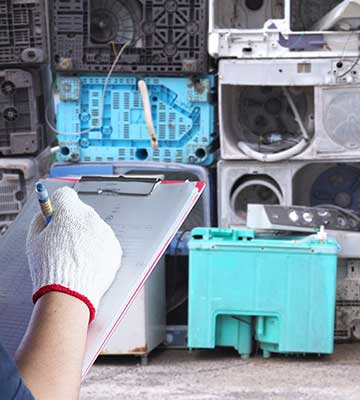
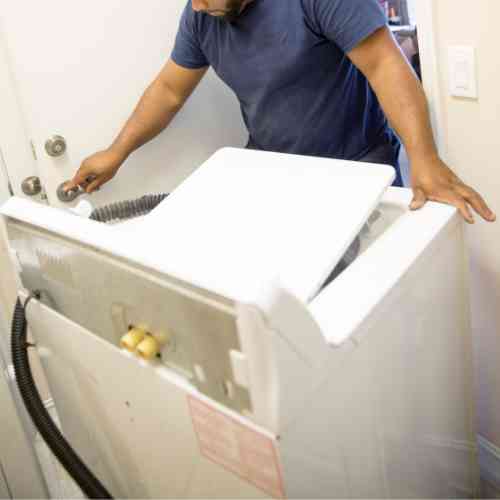
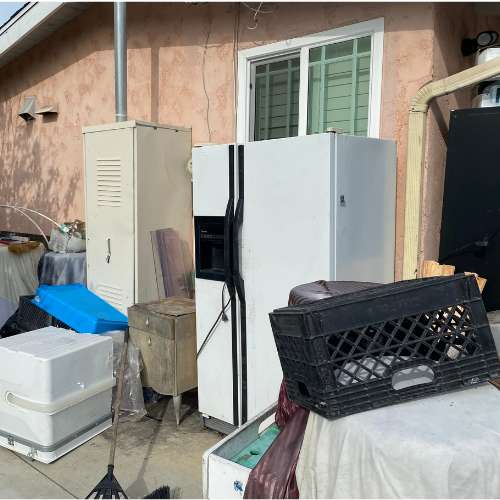
    Appliance Removal

    Plan the Removal Route Carefully

    Planning the path for appliance removal is essential to avoid accidents and property damage. Before moving the appliance, inspect the route for obstacles such as furniture, debris, or uneven flooring that could cause tripping hazards. Clear the path to create a safe and unobstructed route. If the appliance needs to be moved through narrow hallways or doorways, measure these spaces beforehand to ensure a proper fit.

    Additionally, consider the flooring in the areas the appliance will pass through. Place protective coverings, like mats or cardboard, to prevent scratches or dents. If stairs are involved, use ramps or lifts designed for heavy loads to facilitate safe movement. By meticulously planning the removal route, you reduce the risk of accidents and damage, leading to a smoother and safer appliance removal process.

    Utilize Proper Equipment for Heavy Appliances

    Handling heavy appliances requires the right equipment to ensure safety and efficiency. Dollies, hand trucks, and appliance straps are invaluable tools that can make moving large items significantly easier. These tools help distribute the weight of the appliance, reducing the strain on individual workers and minimizing the risk of injury.

    It’s important to select equipment that is appropriate for the specific appliance being moved. For instance, an appliance dolly with a strap can secure a refrigerator, preventing it from tipping over during transit. Regularly inspect this equipment for wear and tear, and replace any damaged tools promptly. By investing in quality equipment and maintaining it properly, you enhance the safety and efficiency of your appliance removal operations.

    Dispose of Appliances Responsibly

    Proper disposal of appliances is not only environmentally responsible but also often legally required. Many appliances contain hazardous materials, such as refrigerants, oils, or heavy metals, that can harm the environment if not disposed of correctly. Before disposal, ensure that all hazardous substances are removed by certified professionals. This may involve draining oils, removing refrigerants, or safely handling electronic components.

    After ensuring the appliance is free of hazardous materials, explore recycling options. Many components of appliances, like metals and plastics, can be recycled, reducing the environmental impact. Work with certified recycling centers that specialize in appliance disposal to ensure compliance with local regulations. By taking these steps, you contribute to environmental conservation and adhere to legal requirements, demonstrating corporate responsibility.

    Train Employees on Appliance Removal Procedures

    Training your employees on the proper procedures for appliance removal is essential for maintaining a safe work environment. Provide comprehensive training that covers topics such as identifying hazardous materials, using equipment safely, and following legal disposal protocols. Regular refresher courses can help keep safety practices top of mind and address any new regulations or techniques.

    Encourage employees to report any safety concerns or incidents during appliance removal. Establishing an open line of communication fosters a culture of safety and allows for continuous improvement of procedures. By investing in employee training and fostering a safety-conscious workplace, you reduce the likelihood of accidents and enhance the overall efficiency of your appliance removal operations.

    Stay Informed About Local Regulations

    Appliance removal and disposal are subject to various local, state, and federal regulations. These laws govern aspects such as refrigerant removal, recycling requirements, and hazardous waste handling. It’s crucial to stay informed about the specific regulations that apply to your business and ensure compliance to avoid legal penalties.

    Regularly review local government websites or consult with environmental agencies to stay updated on any changes in regulations. Additionally, consider joining industry associations that provide resources and updates on compliance standards. By remaining proactive in understanding and adhering to regulations, you protect your business from legal issues and contribute to environmental sustainability.

    Implement an Inventory Management System

    An effective inventory management system can streamline the appliance removal process and improve overall efficiency. By keeping track of appliances that need to be removed, you can schedule pickups more effectively and ensure that all items are accounted for. This system can also help identify appliances that are still in good condition and may be suitable for donation or resale, reducing waste and benefiting the community.

    Utilize software tools or spreadsheets to maintain an up-to-date inventory list. Include details such as the appliance type, location, condition, and any special handling instructions. Regularly audit your inventory to ensure accuracy and make adjustments as needed. By implementing a robust inventory management system, you enhance the organization and effectiveness of your appliance removal operations.

    Coordinate with Professional Removal Services

    While in-house removal can be effective, coordinating with professional appliance removal services can offer additional benefits. These services have specialized equipment and trained personnel to handle large or hazardous appliances safely and efficiently. They are also well-versed in local regulations and can ensure that all legal requirements are met during the removal and disposal process.

    When selecting a professional removal service, consider factors such as their reputation, experience, and compliance with environmental standards. Request quotes and compare services to find the best fit for your business needs. By partnering with reputable professionals, you can enhance the safety and compliance of your appliance removal operations.

    Maintain Documentation for Compliance and Reporting

    Keeping thorough records of appliance removal activities is essential for compliance and reporting purposes. Document details such as the type and quantity of appliances removed, the methods of disposal, and any certifications for hazardous material handling. This documentation can be valuable for audits, insurance claims, or addressing any legal inquiries.

    Implement a system for organizing and storing these records, whether digitally or in hard copy. Ensure that all relevant personnel have access to the necessary documentation and are trained in maintaining accurate records. By maintaining comprehensive documentation, you demonstrate due diligence and commitment to regulatory compliance in your appliance removal practices.

    Conclusion

    Handling appliance removal in your business requires careful planning, adherence to safety protocols, and compliance with regulations. By prioritizing employee safety, disconnecting appliances properly, planning removal routes, utilizing appropriate equipment, disposing of appliances responsibly, training employees, staying informed about regulations, implementing inventory management, coordinating with professional services, and maintaining documentation, you can ensure a safe and efficient appliance removal process.

    For businesses in Santa Rosa, CA, seeking professional junk removal services, North Bay Junk Removal offers licensed, insured, and eco-friendly solutions. With a commitment to customer satisfaction, they handle everything from appliance removal to full property cleanouts. Contact them at 707-478-6817 to schedule a pickup or request a quote.

  • How to Safely Dispose of Old Restaurant Equipment

    How to Safely Dispose of Old Restaurant Equipment

    Understanding the Challenges of Restaurant Equipment Disposal

    Running a restaurant often means dealing with bulky ovens, heavy refrigerators, and outdated stoves that eventually outlive their usefulness. These items are not only awkward to move but also pose safety risks if handled carelessly. Grease buildup, sharp edges, and sheer weight can turn a simple disposal task into something dangerous if approached without proper planning. The challenge is not just about size but also about what lies inside. Many commercial appliances contain refrigerants, electrical components, or metals that require careful attention when being discarded.

    What makes the process more complex is the responsibility tied to environmental regulations. Simply dragging an old fryer to the curb is rarely acceptable. Many municipalities enforce rules about how equipment must be dismantled, recycled, or disposed of. Without knowing the proper channels, a restaurant owner can unknowingly face fines or penalties. Safe disposal means thinking beyond convenience and considering how each piece of equipment interacts with the broader environment. Preparing in advance, understanding regulations, and evaluating your disposal options will help reduce stress while ensuring the process remains safe.

    Preparing Equipment Before Removal

    Disposal does not begin the moment the equipment is hauled away. Preparation plays a critical role in making sure the task is handled properly from the start. Before moving anything, appliances should be unplugged, gas lines shut off, and water connections carefully detached. Skipping these steps can lead to accidents such as leaks, electrical shocks, or fire hazards. Cleaning the equipment beforehand also helps, as leftover grease, food residue, or liquids add unnecessary weight and can cause spills during transport.

    Taking a few minutes to assess the equipment’s condition is equally important. For example, a commercial freezer may still contain refrigerants that require certified handling. Removing doors from large appliances can prevent entrapment hazards and make it easier to move through doorways. Creating a clear pathway in the restaurant and using protective gear, such as gloves and sturdy footwear, makes the process smoother. With proper preparation, the actual removal becomes less chaotic and far safer.

    Recycling Options for Old Appliances

    Many restaurant appliances contain valuable metals, such as stainless steel, copper, and aluminum. Recycling ensures these materials are recovered rather than wasted. Local recycling centers often accept large appliances, provided they are properly dismantled beforehand. In some cases, specialized recycling programs focus on commercial kitchen equipment, breaking it down into reusable components. This approach keeps unnecessary waste out of landfills while contributing to new production cycles.

    Another avenue for recycling involves partnerships with manufacturers or suppliers. Some companies provide take-back programs where outdated equipment is collected and responsibly processed. These programs not only handle heavy lifting but also guarantee compliance with environmental standards. For a restaurant owner, recycling becomes more than a disposal method—it turns an old burden into a contribution toward sustainability. Choosing recycling demonstrates responsibility to both the community and the environment, which reflects positively on the business as a whole.

    Donating Equipment That Still Works

    Not all outdated equipment is destined for the scrap heap. Many times, a restaurant upgrades to newer models while the older machines still function. Instead of discarding these items, donation provides a meaningful alternative. Schools, community centers, or nonprofit organizations may welcome a functioning stove or refrigerator, especially if budgets prevent them from buying new ones. This approach not only helps others but also keeps useful equipment out of the landfill.

    Donating requires some thought about the recipient. The equipment should be safe, clean, and in good working condition before being passed on. It is also wise to confirm whether the organization has the space and infrastructure to accommodate commercial-grade appliances. Coordinating the logistics of delivery or pickup ensures the process is convenient for both sides. Through donation, the lifespan of restaurant equipment extends, offering value even after it has served its original purpose.

    Safe Handling Techniques During Removal

    The physical act of moving old restaurant equipment is where many risks appear. Heavy appliances can easily cause injuries if lifted incorrectly or without assistance. Using proper equipment such as dollies, straps, or moving blankets can greatly reduce these risks. It is essential to lift with the legs rather than the back and avoid twisting while carrying heavy loads. Planning the route beforehand, measuring doorways, and removing obstacles helps prevent accidents.

    Teamwork makes a significant difference during the process. No one should attempt to move large appliances alone. Coordinating with at least one or two helpers ensures balanced lifting and better control. For especially large or awkward items, professional movers with specialized tools may be the best option. Prioritizing safety means taking time to use the right techniques rather than rushing the process. Equipment removal should leave you with more space, not an injury to recover from.

    Avoiding Environmental Hazards in Disposal

    Restaurant equipment often contains substances that should never end up in a landfill. Refrigerants, oils, and certain metals require careful handling to prevent harm to the environment. Dumping an old freezer without proper processing risks releasing chemicals that contribute to pollution and climate concerns. Even smaller appliances, like microwaves, may contain electronic components that must be separated before disposal.

    Awareness of these hazards is the first step. Many local waste management facilities provide guidance on how to responsibly dispose of appliances containing harmful materials. Choosing licensed disposal services ensures these items are processed according to environmental standards. Safe disposal is not just about clearing out a space in the kitchen—it is about taking responsibility for the long-term impact of those discarded items. By preventing environmental hazards, restaurant owners contribute to cleaner communities and a healthier future.

    Timing the Disposal for Convenience and Safety

    When it comes to restaurant operations, timing matters. Disposing of old equipment during peak hours can disrupt business and create hazards for staff and customers. Planning removal during off-hours or days when the restaurant is closed keeps the process smooth. This also gives the staff time to properly disconnect and prepare equipment without feeling rushed.

    Seasonal timing can also influence the process. For example, tackling equipment disposal during cooler months may make the physical task of moving heavy appliances less exhausting. Similarly, scheduling removal around delivery times or renovations can streamline multiple tasks at once. By aligning disposal with the restaurant’s schedule, owners avoid unnecessary stress while maintaining a safe and efficient process. Careful timing keeps the focus on service while still allowing outdated equipment to be removed responsibly.

    Professional Services for Restaurant Equipment Removal

    Sometimes, the safest and most practical solution is calling in professionals. Specialized removal services bring not only the manpower but also the knowledge to handle heavy, awkward, and potentially hazardous appliances. These teams often come prepared with the right tools and vehicles to safely transport equipment to recycling or disposal facilities. For restaurant owners, this means less physical strain and fewer risks.

    Working with professionals also ensures compliance with regulations. They understand how to handle refrigerants, dispose of electronic components, and recycle metals properly. Hiring experts may cost more upfront, but it prevents potential fines or costly mistakes in the long run. For busy restaurant owners, professional removal services save time while guaranteeing peace of mind. It becomes one less task to juggle, allowing focus to remain on running the business instead of managing waste.

    Repurposing Equipment Creatively

    Even outdated or partially broken equipment may still have value when repurposed. A stainless-steel countertop from an old prep station could become a durable workbench in a garage. Oven racks might serve as storage shelving, while parts from broken appliances can be salvaged for other uses. Creative repurposing keeps materials in circulation while sparking innovative solutions for spaces outside the restaurant.

    This approach not only reduces waste but also allows owners to get a bit more return on their investment. By dismantling equipment carefully, useful parts can be extracted and reused. Sometimes, what no longer works in a commercial kitchen can be transformed into something practical in a different setting. Thinking creatively about disposal expands the possibilities, offering another safe and responsible route for dealing with outdated restaurant equipment.

    Legal Considerations When Disposing of Equipment

    Disposing of commercial appliances is not just a practical matter—it is often a legal one. Local and state laws may dictate how certain equipment must be handled. For example, some jurisdictions require certified technicians to remove refrigerants before appliances can be recycled. Failing to follow these rules can result in fines or penalties that add unnecessary expense to the process.

    To stay compliant, restaurant owners should research their local regulations before beginning disposal. Consulting with waste management agencies or licensed removal services can provide clarity on what is required. Proper documentation of disposal may also be necessary, particularly for larger appliances or hazardous components. By taking legal requirements seriously, restaurant owners protect their business while ensuring their disposal practices remain responsible and safe.

    Conclusion

    Disposing of old restaurant equipment requires planning, safety, and a sense of responsibility. From preparation and safe handling to recycling, donation, and legal compliance, every step contributes to a smoother process. Restaurant owners benefit not just from the cleared space but also from knowing their choices reduce environmental impact and help the community. Whether through recycling valuable metals, donating functional appliances, or hiring professionals for hazardous items, there are multiple paths toward responsible disposal.

    For those seeking reliable assistance, North Bay Junk Removal in Santa Rosa, CA, provides a trusted solution. With experience handling large-scale removals and a commitment to safe disposal, they ensure restaurant owners can focus on their business while unwanted equipment is dealt with properly. To arrange professional junk removal services, call 707-478-6817. Safe, efficient, and compliant solutions are just a call away, keeping the disposal process worry-free while supporting the community and environment.

  • How to Safely Remove Appliances from Your Home

    How to Safely Remove Appliances from Your Home

    Preparing Your Home Before Moving Large Appliances

    Before you even think about sliding that heavy refrigerator away from the wall, preparation is your best friend. A home that is cluttered or unorganized can create unnecessary risks during removal. Clear a wide path from the appliance to the nearest exit, paying attention to rugs, furniture, or cords that could trip someone. If your doorways are narrow, measure the appliance and check dimensions so you do not get stuck halfway out. Small adjustments like removing doors from hinges or temporarily moving furniture can make a huge difference in the flow of the process.

    Preparation also involves protecting the surrounding area. Appliances can scratch hardwood floors or chip paint when handled roughly. Placing cardboard or old blankets under the item gives you some buffer against these accidents. Turning off water lines, disconnecting hoses, and cutting power supplies beforehand ensures there are no leaks or sparks while the appliance is being moved. These steps might feel like small details, but they can prevent big headaches when the process gets underway.

    Choosing the Right Equipment for Appliance Removal

    When it comes to moving something bulky like a washing machine or stove, your muscles alone may not be enough. Specialized tools exist for this exact purpose, and using them can turn a risky task into a manageable one. A sturdy dolly with straps keeps the weight balanced, allowing you to roll heavy appliances with less strain. Furniture sliders are another hidden gem, perfect for shifting large machines across smooth surfaces without causing scratches or gouges in the floor.

    It is also worth considering protective gear for yourself. Gloves with a strong grip reduce the chance of appliances slipping out of your hands. Steel-toed boots can save your feet if something falls during the process. Even back braces, often overlooked, can provide extra support when lifting is unavoidable. The right equipment does not just make things easier, it adds a crucial layer of safety that protects both your home and your body from unnecessary harm.

    Appliance Removal

    Understanding the Risks of Appliance Removal

    Removing appliances may seem straightforward until you encounter hidden hazards. Refrigerators and freezers, for instance, can contain refrigerants that should not be released into the air. Handling them without care can lead to environmental harm or even fines if local regulations are violated. Washers and dishwashers sometimes hold onto small amounts of water that can spill across your floor, creating slip hazards or water damage.

    Then there is the simple danger of physical injury. One wrong move while trying to pivot a stove through a doorway can result in strained muscles or worse. Sharp edges on certain appliances can cut skin if you are not cautious. Recognizing these risks ahead of time allows you to take steps to minimize them, such as wearing proper protection or consulting with professionals when needed. Safety during appliance removal is not about fear but about awareness and preparation.

    Disconnecting Appliances the Right Way

    Before lifting or moving any appliance, the very first step is disconnecting it safely. For electrical units, unplugging might sound simple, but cords should be inspected for frays or damage before removal. Never yank on the cord, as this can damage the outlet or wiring. For appliances like ovens or dryers that may be hardwired, it is essential to cut power at the breaker to avoid shock.

    Water-connected appliances like dishwashers or washing machines require extra care. Shut off the water supply before disconnecting hoses, and keep a bucket or towels nearby to catch any leftover water. For gas appliances, this becomes even more delicate. Gas lines should always be closed tightly, and if you smell anything unusual, a professional should handle the disconnection. Taking shortcuts here can put your home and health at risk, so patience and caution pay off.

    Protecting Your Floors and Walls During Removal

    One of the most overlooked aspects of moving large appliances is the toll it can take on your home’s interior. Heavy machines dragged across wood or tile can leave behind deep scratches that are costly to repair. Placing a protective layer such as cardboard sheets, blankets, or plywood boards can act as a shield against this kind of damage.

    Walls also suffer during careless removal. Narrow hallways and doorframes are especially prone to dents and chipped paint. Wrapping appliances in old sheets or padded covers gives them a layer of cushioning. Even taping foam to doorframes can prevent sharp corners from gouging surfaces. By treating your floors and walls with care, you protect not just the home’s appearance but also its long-term value.

    Timing Your Appliance Removal for Safety and Ease

    The time of day you choose to remove appliances can influence how smoothly the process goes. Hot afternoons can make physical labor more exhausting, increasing the risk of mistakes. Early mornings or cooler evenings often provide better conditions for heavy lifting. If you are working in an area with heavy foot traffic, planning the removal during quieter times prevents unnecessary obstacles.

    Timing also plays a role in coordinating disposal. Recycling centers and donation facilities often have specific drop-off hours. Planning your removal to match their availability saves you the hassle of storing bulky machines for days on end. A little foresight in timing allows everything to flow more seamlessly, from the moment the appliance leaves your kitchen to the time it reaches its final destination.

    Working With a Partner for Safer Appliance Removal

    Some appliances are simply too heavy or awkward for one person to handle safely. Trying to manage them alone can lead to accidents, from dropping the appliance to injuring your back. Having an extra set of hands means you can coordinate movements, balance the weight better, and maneuver through tight spaces with more control. Communication is just as important as strength, so plan each step together before moving.

    A partner also provides an extra level of security when lifting or tilting appliances. If one person loses grip, the other can stabilize the load. They can also act as a spotter, watching for obstacles along the path that might not be visible to the person carrying. Teamwork not only makes the process faster but greatly reduces the chance of damage or injury.

    Considering the Environmental Impact of Disposal

    Removing an appliance is not only about getting it out of your home, but also about what happens afterward. Many appliances contain materials that should not end up in landfills, such as metals, plastics, and refrigerants. Recycling programs can recover these materials and keep them from polluting the environment. It takes a little extra effort, but the long-term benefits make it worthwhile.

    Donating appliances that still work is another eco-friendly option. Local charities or community organizations often welcome gently used items, giving them a second life in another home. Even parts from non-functioning appliances can sometimes be salvaged for reuse. Considering the environmental impact adds meaning to the task and ensures that your decision to remove an appliance does not come at the planet’s expense.

    Transporting Appliances Without Damage

    Once the appliance is out the door, the challenge of transporting it begins. Loading it into a vehicle requires balance and planning to prevent both personal injury and damage to the machine. Appliances should be kept upright when possible, especially refrigerators that rely on internal fluids for cooling. Laying them flat can cause issues once they are plugged back in.

    Securing the appliance during transit is equally important. Straps or bungee cords should be used to keep everything stable. A shifting refrigerator in the back of a truck can cause serious accidents. Padding also helps protect both the appliance and the vehicle from scratches or dents. By taking time to secure your load properly, you make sure the hard work of removing the appliance is not undone during the journey.

    When to Seek Professional Help

    Sometimes the safest option is to let professionals handle the job. Appliances connected to gas lines, for example, carry risks that should not be underestimated. Oversized machines in small spaces may also require specialized equipment or expertise that most homeowners do not have. Knowing when to call for assistance is not a sign of weakness but rather of good judgment.

    Professional services not only manage the heavy lifting but also handle proper disposal. They are familiar with recycling guidelines and local regulations that can be confusing for the average homeowner. By relying on their expertise, you ensure the process is completed quickly, safely, and with minimal disruption to your home. In certain situations, professional assistance can save you both stress and long-term costs.

    Conclusion

    Safely removing appliances is never just about dragging a machine out of your house. It is a process that involves careful preparation, thoughtful timing, and a strong awareness of safety risks. From protecting your floors and walls to using the right equipment, every small detail adds up to a smoother experience. Thinking about the environmental impact and considering donation or recycling ensures your effort benefits more than just your household. At times, the smartest choice is asking for professional support, especially when dealing with complex disconnections or oversized appliances.

    If you are looking for dependable assistance, North Bay Junk Removal in Santa Rosa, CA offers reliable junk removal services tailored to your needs. With their experience and care, you can avoid the stress and potential hazards that come with moving bulky machines on your own. For questions or to schedule help, call 707-478-6817 and let a trusted team handle the heavy work while you enjoy the peace of mind that comes from knowing the job will be done right.

  • The Do’s and Don’ts of Appliance Removal

    The Do’s and Don’ts of Appliance Removal

    Prepare Your Space Before Removal

    Creating a clear and accessible area around your appliances is essential. Begin by removing any obstacles, rugs, or furniture that might impede movement. This preparation not only ensures a safer passage but also reduces the risk of damage to walls, floors, or the appliance itself. Planning your pathway allows for smoother maneuvering, especially in tighter spaces. In addition, consider the surface on which the appliance will be moved; slippery or uneven floors can make even the lightest appliance cumbersome. Taking the time to strategize where the appliance will be temporarily stored or staged for removal can significantly reduce stress on moving day. Proper preparation reflects forethought and makes the overall process more efficient and less hazardous for everyone involved.

    Equally important is understanding the appliance’s weight and balance. Heavy items like refrigerators or washing machines require more than just brute force; knowing the correct method to tilt, lift, or slide them prevents injuries. Using protective gear, such as gloves and closed-toe shoes, is another crucial precaution. When you take these steps seriously, the removal process becomes more predictable and manageable, minimizing surprises. The key is to approach the task with patience and methodical planning, which ultimately transforms a potentially chaotic job into an organized, safe undertaking.

    Disconnect Utilities Properly

    Before attempting to move any appliance, disconnecting utilities safely is a priority. Appliances connected to water, gas, or electricity pose significant hazards if handled improperly. Shut off the corresponding valves, unplug cords, and ensure the appliance is free from any attachments that could cause leaks or electrical shorts. Ignoring these steps can result in property damage, personal injury, or more complicated repairs later. Understanding the specific requirements for each appliance type is essential, as refrigerators, dryers, and stoves all have unique disconnection processes that cannot be approached interchangeably.

    Proper disconnection also allows for safer transportation. An appliance still tethered to utilities can easily cause accidental spills, electrical shocks, or even gas leaks. Taking time to follow manufacturer instructions or consulting guides online can provide step-by-step clarity, ensuring nothing is overlooked. While it may feel tedious, these precautions prevent mishaps and reduce liability. By treating each appliance with respect for its mechanical and electrical components, the removal process maintains both safety and efficiency, allowing you to move appliances without unintended consequences or last-minute complications.

    Use the Right Equipment

    Using appropriate equipment can make a world of difference when removing large or heavy appliances. Dollies, straps, and moving blankets are indispensable tools that protect both the item and the people handling it. A sturdy dolly allows for controlled movement and reduces strain on your back, while straps can secure appliances to prevent tipping. Blankets or padding shield surfaces from scratches and dents, preserving the condition of both the appliance and your home. Without these tools, even a small misstep could lead to injuries or damage, turning a simple removal into a complicated problem.

    Additionally, knowing how to utilize each piece of equipment is critical. Straps should be tightened without crushing the appliance, and dollies need to be positioned under the center of gravity to avoid tipping. Practice beforehand if necessary, especially with cumbersome appliances like freezers or washers. The right equipment paired with proper technique streamlines the process, making the job less physically demanding and safer. Investing in these tools is not only practical but also a safeguard against common mishaps that occur when improvising with household items alone.

    Seek Help When Needed

    Attempting to remove large appliances alone can be risky and inefficient. Seeking help from friends, family, or professionals ensures the task is completed safely and without unnecessary strain. Extra hands provide stability, especially when navigating stairs, narrow doorways, or uneven surfaces. Coordinated effort reduces the likelihood of dropping the appliance or causing injury. Even small appliances benefit from another person’s assistance to maintain control and prevent accidental bumps against walls or floors. Recognizing when help is needed reflects both common sense and respect for safety protocols.

    Collaboration also brings an opportunity to share knowledge and problem-solving strategies. Experienced helpers may offer tips on lifting techniques, maneuvering tricky spaces, or even securing the appliance for transportation. Their presence adds confidence, alleviates stress, and often speeds up the removal process. By acknowledging the limitations of a single individual, you embrace a safer, more efficient approach. Enlisting help when necessary ensures appliances are moved responsibly, maintaining safety for everyone involved and protecting the integrity of the items and surroundings.

    Dispose of Appliances Responsibly

    Proper disposal is a critical step often overlooked in appliance removal. Appliances contain materials that can be harmful to the environment if not handled correctly. Instead of leaving items on the curb or dumping them improperly, research local recycling programs or donation centers. Some appliances may qualify for refurbishment or parts recovery, reducing waste and conserving resources. Being mindful of disposal options ensures that appliances are removed ethically and sustainably. Neglecting this responsibility can result in environmental damage, fines, or missed opportunities to benefit the community.

    Recycling or donating appliances also contributes to broader sustainability efforts. Many local facilities accept working or repairable units, while nonfunctional items can be disassembled for parts and metals. Engaging professional junk removal services often simplifies this step, as they can guarantee appliances reach the proper destinations. Responsible disposal combines environmental consciousness with legal compliance, reflecting an awareness of the broader impact of your actions. By planning for ethical removal, you help protect the planet and ensure appliances are retired in a way that aligns with both safety and community standards.

    Avoid Rushing the Process

    Patience is key when removing appliances. Rushing through the steps increases the likelihood of mistakes, injuries, or damage to property. Allocating sufficient time for planning, preparation, and actual removal ensures that each task is handled correctly. Moving appliances too quickly can lead to collisions with walls, mismanaged lifting, or dropped items. Scheduling removal during a period of lower stress or fewer distractions enhances focus and control. Prioritizing a steady, methodical approach allows for a more seamless experience and reduces unnecessary tension.

    Slowing down also permits careful assessment of each appliance’s condition before and after moving. Inspections can reveal hidden hazards, such as sharp edges or leaking fluids, that might otherwise be overlooked in a rush. Attending to these details minimizes surprises and allows for immediate corrective measures. A calm, deliberate pace fosters safety and reduces physical strain, ensuring appliances are removed efficiently while protecting both individuals and property. Avoiding haste transforms the task into a manageable process rather than a chaotic challenge.

    Keep Safety Gear on Hand

    Safety gear is not optional when moving appliances. Gloves, sturdy footwear, back supports, and even protective eyewear help prevent injuries during lifting and maneuvering. Gloves provide grip and shield hands from sharp edges, while appropriate shoes reduce the risk of slips or dropped items. Back supports offer additional protection for heavy lifting, and eyewear can prevent accidental injury from debris. Being proactive about safety ensures that minor mishaps do not escalate into serious incidents, creating a secure environment for everyone involved in the removal process.

    Using safety gear also demonstrates a commitment to proper technique. Heavy lifting without protection places undue strain on muscles and joints, while appropriate equipment mitigates these risks. Preparing in advance with protective items ensures readiness for unexpected challenges. Even appliances that appear light can surprise movers with awkward shapes or sudden shifts. Equipping yourself correctly combines practicality with caution, creating a professional-minded approach to what can otherwise be a physically demanding task.

    Understand Weight Limits

    Every appliance has a weight limit that should not be underestimated. Recognizing the heaviness of each item allows for appropriate planning, including the use of lifting aids, helpers, or transport equipment. Ignoring weight considerations can result in muscle strains, equipment failure, or accidental drops. Estimating weight in advance also informs decisions regarding the number of movers required and the safest method for lifting and positioning. Respecting weight limits is a proactive way to prevent injuries and maintain control throughout the removal process.

    Understanding the weight of appliances extends to transportation as well. Vehicles must be capable of handling the load without compromising safety or stability. Overloading a truck or dolly increases the chance of tipping or damage. By taking weight into account, you maintain both efficiency and security, ensuring that appliances are moved responsibly. Awareness of these physical parameters transforms a potentially dangerous task into a structured and predictable process that protects both movers and property.

    Avoid DIY Hazards

    Attempting to remove appliances without proper knowledge or tools can create unnecessary risks. DIY removal often overlooks important safety precautions or handling techniques, leading to injuries, property damage, or compromised appliance integrity. Certain appliances may contain hazardous components, such as refrigerants or electrical wiring, which require specialized care. Mismanagement of these elements can result in environmental or personal hazards. Recognizing the limits of DIY removal allows you to avoid preventable complications and maintain a secure process.

    Even small missteps in DIY removal can have long-term consequences. Slips, drops, or improper lifting techniques may not only injure the individual but also render an appliance unusable. Professional services or experienced movers often anticipate these challenges and provide the right tools and expertise. By avoiding DIY shortcuts, the removal process becomes safer, more efficient, and less stressful. Accepting that some tasks benefit from professional attention is a practical mindset that ensures safety, compliance, and successful outcomes for every appliance removal endeavor.

    Plan for Recycling or Donation

    Considering recycling or donation options before removing appliances ensures responsible disposal. Working with local organizations or facilities allows you to give appliances a second life, whether through refurbishment, parts recovery, or charitable distribution. Planning ahead reduces last-minute decisions and maximizes the potential environmental and community benefits. This foresight also prevents appliances from ending up in landfills unnecessarily. Taking the time to explore recycling or donation channels demonstrates thoughtfulness and environmental awareness, which is increasingly important in today’s conscious society.

    Proactive planning for recycling or donation also streamlines the actual removal process. Knowing the final destination of each appliance minimizes delays and confusion, creating a smoother workflow. Professionals in the field often have established connections with recycling centers or charities, simplifying logistics and ensuring compliance with local regulations. By integrating recycling or donation considerations into the planning stage, the removal process becomes environmentally responsible and socially beneficial, turning a simple task into a meaningful contribution to the community.

    Conclusion

    Appliance removal can feel daunting without proper guidance and planning. The key is to approach each step with safety, foresight, and respect for both the appliance and your surroundings. From preparation and disconnection to responsible disposal, every choice impacts the efficiency and safety of the process. Utilizing the right tools, seeking assistance, and understanding the physical demands of each item minimizes risk and ensures a smooth experience. Thoughtful planning prevents accidents, damage, and unnecessary stress, creating a process that feels manageable and even empowering.

    For residents in Santa Rosa, CA, North Bay Junk Removal offers expert guidance and practical support for all junk removal needs. Their team is equipped to handle appliances safely and responsibly, ensuring each item is removed efficiently and disposed of in compliance with environmental standards. Whether you are updating your home or clearing out space, their services provide peace of mind and professional reliability. Contact North Bay Junk Removal at 707-478-6817 to schedule a pickup or consultation, and experience a seamless approach to appliance and junk removal that prioritizes safety, efficiency, and environmental responsibility.

  • The Importance of Proper Appliance Disposal

    The Importance of Proper Appliance Disposal

    Understanding the Environmental Impact of Appliances

    Improper disposal of household appliances can cause significant harm to the environment. Many appliances contain hazardous materials such as refrigerants, heavy metals, and chemicals that can seep into the soil and water if not handled correctly. By properly disposing of appliances, these toxins are kept out of landfills and prevent contamination of natural resources. Taking steps to recycle or responsibly discard old appliances ensures that their components, like metals and plastics, can be reused, reducing the need for new raw materials and lowering environmental strain. When communities prioritize proper disposal methods, it creates a culture of responsibility that benefits both people and the planet.

    Appliance disposal also plays a role in reducing greenhouse gas emissions. Items like old refrigerators or air conditioners contain refrigerants that, if released, can contribute to climate change. Recycling programs are designed to safely extract and manage these chemicals, preventing further damage. The practice of proper disposal extends beyond environmental protection to include social responsibility. Being mindful about how appliances are discarded shows a commitment to the well-being of neighbors and future generations while promoting cleaner, healthier communities that everyone can enjoy.

    Safety Concerns in Appliance Removal

    Handling large or heavy appliances can pose serious safety risks. Lifting or maneuvering these items without proper knowledge or equipment can lead to injuries such as strains, sprains, or even more severe accidents. Sharp edges, broken components, or leaking fluids increase the hazard, making it essential to approach disposal with caution. By enlisting professional services or following best practices for safe handling, homeowners can minimize these risks while ensuring the appliance is removed efficiently and responsibly.

    Moreover, some appliances may still contain residual electricity or gas, presenting additional dangers if tampered with. Proper disposal includes disconnecting and safely preparing these items before removal. Safety measures extend to property protection as well; improper handling can damage floors, walls, or doorways during the moving process. Understanding the potential hazards and taking preventative steps emphasizes the importance of proper disposal as more than a simple chore—it is an act of protection for both people and property, fostering a secure environment at home and in the community.

    Extending Appliance Lifespan Through Recycling

    Recycling old appliances contributes to extending the life of valuable materials. Metals such as steel, copper, and aluminum can be melted down and reused in new products, reducing the demand for virgin resources. Even plastic components can be repurposed in manufacturing, cutting down on waste and supporting sustainable production cycles. By choosing to recycle rather than discard appliances irresponsibly, individuals help create a circular economy where resources are continually renewed rather than wasted.

    The concept of recycling also intersects with technological advancement. Components recovered from old appliances can serve in the production of newer, more efficient models, ensuring that materials retain utility beyond their initial purpose. This approach reduces landfill accumulation while promoting innovation in appliance design. Proper disposal thus becomes a way to contribute indirectly to industry improvements, highlighting the broader societal benefits that thoughtful management of household appliances can achieve.

    Legal and Regulatory Considerations

    Appliance disposal is often regulated by local, state, or federal laws to prevent environmental damage and ensure public safety. Certain appliances, such as refrigerators or air conditioners, require specific handling due to the refrigerants they contain. Violating disposal regulations can result in fines, penalties, or legal action, making it crucial for homeowners to be informed about proper procedures. By following the rules, individuals not only avoid legal complications but also contribute to broader environmental protection initiatives mandated by regulatory agencies.

    Compliance with disposal laws also promotes accountability within the community. Proper documentation and adherence to local guidelines help track waste management practices and demonstrate responsible behavior. These regulations are designed to safeguard public health and the environment, and respecting them reflects a commitment to civic duty. Awareness of legal requirements underscores the importance of proper appliance disposal as a multifaceted responsibility encompassing ethics, safety, and legality.

    Protecting Public Health

    Appliances that are not disposed of correctly can pose health risks to the public. Leaking chemicals, sharp metal edges, and broken glass are potential hazards that can injure sanitation workers, neighbors, or curious children. By ensuring appliances are processed through safe and regulated channels, these dangers are minimized. The practice of conscientious disposal is therefore an investment in public health, creating safer spaces for all who interact with discarded items.

    Beyond immediate injuries, improperly discarded appliances can attract pests or contribute to unsanitary conditions. Rodents or insects may find refuge in old refrigerators or washing machines, leading to infestations that impact nearby homes. Maintaining strict disposal protocols mitigates these risks and fosters community hygiene. Protecting public health through careful appliance management reinforces the notion that disposal is not merely about clearing space but about sustaining safe, livable environments for everyone.

    Economic Benefits of Responsible Disposal

    Proper appliance disposal can yield economic advantages for individuals and communities. Recycling programs often recover materials of value, which can be sold or repurposed, lowering the costs associated with raw material extraction. Professional disposal services reduce the risk of property damage or personal injury, preventing potential repair expenses. Additionally, many municipalities offer incentives for residents who participate in eco-friendly disposal practices, providing financial motivation to handle appliances responsibly.

    Communities benefit economically as well when waste is diverted from landfills. Reduced landfill use decreases municipal waste management costs and minimizes the environmental footprint, making the area more attractive for investment and growth. Local businesses involved in responsible recycling also create jobs, contributing to the regional economy. Proper disposal, therefore, not only addresses environmental and safety concerns but also supports financial well-being for individuals and society alike.

    Convenience and Time Efficiency

    Attempting to remove appliances without proper planning can be time-consuming and physically exhausting. Scheduling a professional pickup or using designated recycling facilities streamlines the process, freeing up time for other essential tasks. The convenience of organized disposal ensures that appliances are removed quickly and safely, eliminating the stress of figuring out how to transport heavy, bulky items without damage or injury.

    Time efficiency extends beyond individual households. Coordinated disposal efforts reduce traffic congestion around collection sites and prevent prolonged storage of appliances in unsafe locations. Communities benefit when appliances are removed promptly, as it decreases clutter and maintains orderly public spaces. Proper disposal methods save time and effort while promoting an organized, well-maintained living environment for everyone.

    Supporting Sustainable Practices

    Choosing proper disposal methods aligns with sustainable living principles. By diverting appliances from landfills and participating in recycling initiatives, individuals actively reduce waste and conserve natural resources. Sustainable disposal practices reflect a commitment to environmental stewardship and contribute to a larger movement toward eco-conscious lifestyles.

    Sustainability also encompasses the long-term benefits of reducing pollution and conserving energy. Appliances contain components that, when recycled, require less energy to process than extracting and manufacturing new materials. Supporting these practices amplifies positive environmental impacts, encouraging responsible consumer behavior and reinforcing the idea that everyday choices can contribute to global sustainability goals.

    Reducing Clutter and Improving Home Safety

    Appliances that are no longer in use take up valuable space and can create hazards in living areas. Proper disposal clears clutter, enhancing the overall safety and functionality of homes. By removing outdated or broken appliances, homeowners reduce trip hazards, fire risks, and other safety concerns, creating a more comfortable and secure environment for family members.

    Clearing appliances also improves the aesthetic and practical appeal of a home. Open spaces allow for better organization and more efficient use of available rooms. Beyond immediate safety, a tidy living area can have psychological benefits, reducing stress and promoting a sense of well-being. Responsible appliance disposal thus combines practical safety considerations with quality-of-life improvements.

    Promoting Community Responsibility

    Proper appliance disposal encourages a culture of accountability and environmental responsibility within neighborhoods. When residents consistently engage in safe and sustainable disposal practices, it sets a positive example for others, fostering a community ethos that values health, safety, and environmental stewardship. This collective effort amplifies the benefits of individual actions, creating widespread positive impact.

    Community responsibility also strengthens local support networks. Neighbors may share resources or information about safe disposal methods, recycling events, or pickup services. By promoting proper disposal practices, individuals contribute to a culture of collaboration and awareness, reinforcing the idea that protecting the environment and maintaining safety are shared duties that enhance the quality of life for all residents.

    Conclusion

    Proper appliance disposal is essential for environmental protection, personal safety, and community well-being. Handling appliances responsibly ensures that harmful chemicals and materials are managed correctly, reducing the risk of pollution and injury. Recycling and professional removal practices extend the life of valuable materials, promote sustainable living, and support economic efficiency. Individuals who take these steps demonstrate a commitment to both civic duty and environmental stewardship, creating safer and more organized living spaces while contributing positively to the community.

    For residents in Santa Rosa, CA, North Bay Junk Removal provides reliable and professional junk removal services, ensuring that appliances are disposed of safely and responsibly. Their team of experts handles the heavy lifting and recycling, making the process convenient and stress-free. By contacting North Bay Junk Removal at 707-478-6817, homeowners can protect their families, support environmental sustainability, and maintain a clutter-free home through trustworthy junk removal services.

  • Tips for Proper Appliance Removal and Disposal

    Tips for Proper Appliance Removal and Disposal

    Appliance removal is a task that requires careful planning and attention to detail. Large household items like refrigerators, washing machines, dryers, and ovens can be deceptively heavy and awkward to maneuver. Attempting to move these appliances without preparation can result in personal injury, damage to flooring, or broken household items. Understanding the weight distribution, dimensions, and removable parts of each appliance is essential before attempting any move. Clearing a path from the appliance’s location to the transport vehicle or storage area can prevent accidents and make the process much smoother. 

    The tools you use play a significant role in safe handling. Equipment such as dollies, lifting straps, heavy-duty gloves, and protective footwear can make all the difference when moving cumbersome appliances. Having a clear strategy for lifting and moving items, whether alone or with help, reduces the risk of back strain or accidental drops. Paying attention to small details, such as securing doors and covering sharp edges, adds an extra layer of safety. 

    Check Local Regulations and Recycling Guidelines

    Appliances contain components that may be harmful to the environment if not disposed of correctly. Refrigerants, batteries, and heavy metals require proper handling to prevent environmental contamination. Understanding local regulations for disposal and recycling is crucial. Many cities provide specific programs, designated drop-off locations, or scheduled pickup services for these items. Complying with local guidelines ensures you avoid fines while also contributing to environmental sustainability.

    Recycling guidelines can vary widely, making it important to research your municipality’s requirements. Some areas provide free recycling options for certain appliances, while others may charge a small fee for collection. Separating recyclable components like metals, plastics, and electronics from non-recyclable parts simplifies the recycling process and reduces the strain on landfills. Preparing appliances by dismantling or organizing them according to recycling categories saves time and promotes environmentally responsible disposal. Staying proactive in understanding your region’s recycling policies allows for a more organized and conscientious appliance removal experience.

    Disconnect and Prepare Appliances Properly

    Before moving any appliance, it is essential to disconnect it from power, water, or gas sources to avoid hazards. Refrigerators, freezers, and ice machines should be completely emptied and cleaned to prevent leaks and unpleasant odors during transport. Washing machines and dishwashers need their hoses detached and drained to minimize spills, while stoves may require gas line disconnection to ensure safety. Taking these steps in advance reduces the risk of accidents and makes the entire removal process more organized and efficient.

    Small adjustments like draining residual water or removing detachable shelves, trays, and drawers may seem minor, but they significantly contribute to a safer handling experience. Ignoring these steps can result in costly damage, safety risks, and unnecessary stress. Preparing appliances thoughtfully ensures they are easier to lift, transport, and dispose of. Whether handling the appliances yourself or working with professionals, a thorough preparation phase creates a controlled, hazard-free environment that reduces surprises during removal.

    Plan Transportation and Lifting Techniques

    Appliance removal involves careful consideration of transportation methods. Bulky appliances must be loaded securely into trucks or trailers to prevent shifting, which could damage the items or your vehicle. Proper lifting techniques are critical; bending at the knees, keeping your back straight, and lifting in coordinated movements helps prevent injuries. For particularly heavy or awkward items, enlisting help ensures balance, stability, and control. Planning these details in advance minimizes physical strain and potential accidents.

    Selecting the appropriate vehicle and arranging a safe loading system is just as important as proper lifting. Floors and walls should be protected with padding or blankets to prevent scratches or dents. Strategically placing appliances to avoid shifting during transit ensures a safer journey and reduces the risk of damage. Investing time in planning transportation not only improves safety but also streamlines the process, making it less stressful and more efficient. A careful approach ensures appliances reach their destination intact and ready for responsible disposal.

    Consider Professional Appliance Removal Services

    In many situations, hiring professional appliance removal services offers the safest and most efficient solution. Experienced teams are equipped with specialized tools, vehicles, and techniques to handle heavy, awkward, or delicate items without incident. They are also knowledgeable about proper disposal channels, ensuring appliances are recycled or discarded according to local regulations. Relying on professionals reduces the physical burden on homeowners while guaranteeing that the removal process follows legal and environmental guidelines.

    Professional services often provide insurance, adding peace of mind in case of accidental damage. These teams can also handle multiple appliances at once, saving time and energy. Professionals are trained to navigate narrow doorways, stairs, and tight corners, making the removal process safer for everyone involved. Hiring a reliable team streamlines appliance removal, minimizes risk, and ensures that your home remains clean and hazard-free while items are disposed of responsibly.

    Separate Reusable and Hazardous Components

    Appliances often include materials that are reusable, recyclable, or require special attention due to hazardous content. Metals, electronics, and certain plastics can often be separated and sent to specialized recycling facilities. Identifying which components have value for recycling reduces waste and promotes sustainability. Taking time to sort items before removal ensures that valuable materials are properly repurposed.

    Hazardous substances such as refrigerants, batteries, and electronic components must be handled carefully. Professionals or certified disposal centers can safely manage these materials to prevent environmental harm. By separating reusable and hazardous components before transport, you streamline the removal process and support eco-friendly practices. Thoughtful sorting ensures that items are disposed of safely and responsibly, benefiting both the planet and your household.

    Timing Your Appliance Removal Efficiently

    Choosing the right time to remove appliances can transform what might seem like a daunting chore into a smoother, safer process. Lifting and transporting heavy appliances during the cooler parts of the day, such as early morning or late afternoon, helps minimize physical strain and fatigue. This is especially important during warmer months when heat can quickly sap energy and increase the risk of dehydration or overheating. Planning removals for quieter periods, when fewer vehicles or people are around, also reduces the potential for accidents or delays, whether you are navigating tight outdoor spaces or moving items to a truck or storage area. 

    In addition, scheduling ahead improves coordination with recycling centers, donation programs, or municipal disposal services. Appliances that sit unused for long periods can clutter your home, create hazards, and even lead to accidental damage. By aligning removal times with service availability, you ensure that appliances are disposed of efficiently and responsibly. Planning in advance allows for better resource management, smoother logistics, and a more organized approach overall. 

    Ensure Safe Storage Before Disposal

    Not every appliance can be removed immediately, which sometimes requires temporary storage. During this time, it is crucial to place items in secure, stable locations to prevent tipping, leaks, or damage to surrounding surfaces. Uneven floors, cluttered spaces, or cramped corners can increase the risk of accidents, so taking the time to organize your storage area is essential. Ensuring pathways are clear around stored items provides safe access for later transport, while keeping appliances out of the way minimizes the chance of injury or property damage. 

    Covering appliances protects them from dust, moisture, pests, and general wear and tear. Maintaining proper storage conditions helps preserve the integrity of the appliances, ensuring they remain suitable for recycling, donation, or eventual disposal. Appliances that are kept in good condition during temporary storage are easier and safer to move, reducing the effort required during the final removal phase. By taking these precautions, you can create a seamless transition from storage to disposal, maintain a safer environment within your home, and prevent unnecessary frustration or damage during appliance removal.

    Educate Yourself About Environmental Impact

    Appliance disposal carries significant environmental consequences if handled improperly. Many appliances contain chemicals, heavy metals, and other substances that can pollute the soil, air, and water if sent to landfills. Understanding how different appliances affect the environment encourages responsible removal practices and ensures that waste is managed thoughtfully. By considering eco-friendly disposal options, you can take meaningful steps to reduce pollution, conserve resources, and contribute to a healthier planet while clearing space in your home efficiently.

    Recycling programs, donation initiatives, and specialized disposal services offer alternatives to simply discarding old appliances. By learning the environmental impact of different disposal methods, you can make decisions that balance convenience with sustainability. Separating recyclable materials such as metals, plastics, and electronic components helps reduce landfill waste, while donating usable items supports local communities. 

    Handle Unexpected Challenges Calmly

    Appliance removal rarely goes exactly as planned, and unexpected challenges often arise. Narrow doorways, awkwardly shaped appliances, or unforeseen obstructions can complicate even the most carefully laid plans. Maintaining a calm, patient, and flexible mindset allows you to adapt to these obstacles without panic. Creative problem-solving, careful assessment, and thoughtful adjustments ensure that appliances are moved safely and efficiently, even under challenging circumstances.

    Being prepared with extra tools, protective padding, and a support team can make a significant difference when issues arise. Simple measures like blankets for floor protection, straps for secure lifting, or additional hands for balance can prevent damage and injury. Staying composed allows you to respond effectively to unplanned situations and keeps the process on track. 

    Conclusion

    Proper appliance removal and disposal involves careful planning, attention to detail, and safety awareness. From understanding the weight and structure of appliances to following local disposal regulations and practicing eco-friendly habits, each step plays a critical role in ensuring a safe and organized process. Thoughtful preparation, efficient timing, and safe lifting techniques reduce the risk of injuries while keeping your home free of clutter. Combining these steps with conscientious environmental practices enhances the overall value of appliance removal and supports sustainable living.

    For those who prefer professional help, North Bay Junk Removal in Santa Rosa, CA offers comprehensive appliance and junk removal solutions. Their experienced team ensures heavy appliances are handled safely, transported securely, and disposed of according to local regulations. Offering reliable, efficient, and environmentally conscious services, North Bay Junk Removal provides peace of mind and helps maintain a clean, safe home environment. Call 707-478-6817 today for expert junk removal that makes your home safer and clutter-free.

Call Now