northbay

Category: Office Cleanouts

  • How to Safely Remove Unwanted Office Equipment

    How to Safely Remove Unwanted Office Equipment

    Clearing Out Clutter Efficiently

    Removing old office equipment can feel overwhelming, especially when dealing with heavy desks, chairs, or outdated electronics. Taking the time to organize what needs to go and what can stay makes the process smoother and safer. Start by evaluating each item individually and determine if it can be donated, recycled, or needs to be disposed of. By categorizing equipment, you reduce unnecessary handling and minimize the risk of accidents. Using proper lifting techniques and protective gear helps protect your back and hands from strain or injury during the removal process.

    Engaging in a strategic plan also allows you to reclaim valuable office space more quickly. Consider creating a temporary staging area to group items for pickup or disposal. This approach prevents clutter from spreading across the office and keeps pathways clear, which is essential for safety. Efficiently moving equipment in a controlled manner ensures that employees remain safe and that the removal process is as stress-free as possible. Proper preparation can transform what seems like a daunting task into a manageable one, keeping the office functional and organized.

    Prioritizing Safety in Equipment Removal

    When removing office equipment, safety should always be the top priority. Unsecured or heavy items can easily cause injuries or property damage if not handled properly. Always assess the weight and size of each piece before attempting to move it. Using carts, dollies, or hand trucks can reduce physical strain and allow for safer transport. Wearing gloves and closed-toe shoes adds another layer of protection while moving bulky or sharp-edged equipment. Clear communication among team members ensures everyone is aware of the plan, minimizing the chance of accidents.

    Proper lifting techniques play a crucial role in preventing injury. Bend at the knees rather than the waist, maintain a straight back, and keep the load close to your body. Taking breaks when needed and avoiding overexertion ensures that each removal step is executed safely. Attention to detail, like checking for loose parts or exposed wires, can prevent minor hazards from turning into major problems. Prioritizing safety during every stage of office equipment removal protects both the people and the workspace itself.

    Office

    Disposing of Electronics Responsibly

    Old computers, printers, and other electronic devices require careful disposal due to environmental concerns. E-waste contains harmful substances that can pollute the environment if discarded improperly. Identify local recycling centers or companies that specialize in electronic disposal. Many organizations offer programs to securely wipe data and recycle materials responsibly, ensuring that sensitive information is protected while supporting eco-friendly practices. Avoid throwing electronics in regular trash bins, as improper disposal can lead to fines and environmental damage.

    Staying informed about electronic recycling regulations in your area helps maintain compliance and avoids unnecessary complications. Some items, like batteries or toner cartridges, have specific handling requirements. Collect these separately and ensure they reach certified recycling facilities. Proper disposal of electronics not only contributes to environmental protection but also helps maintain a safe and organized office space free from potentially hazardous materials.

    Streamlining Large Equipment Removal

    Handling larger office equipment, such as filing cabinets or copy machines, requires careful planning and coordination. Determine the most efficient route for moving these items, taking door widths, staircases, and elevator availability into account. Removing obstacles along the path reduces the chance of accidental collisions or damage to walls and floors. Consider disassembling equipment when possible to make transport easier and safer. Team lifting ensures that the weight is distributed evenly, reducing the likelihood of injury.

    In addition to planning the physical move, scheduling a professional removal service can greatly simplify the process. Professionals bring experience, proper tools, and manpower, making the removal smoother and faster. A coordinated approach prevents last-minute problems and minimizes disruptions to office operations. By thinking ahead and taking strategic steps, large equipment can be removed safely, preserving both employee well-being and the integrity of office furnishings.

    Protecting Sensitive Data During Disposal

    Many office devices contain confidential information, making secure data handling crucial. Before disposing of computers, printers, or storage devices, ensure all sensitive data is backed up and securely erased. Utilizing certified data destruction services or software can guarantee that confidential information is permanently removed. Taking these precautions protects your company from potential data breaches and maintains compliance with privacy regulations.

    Integrating data security into the disposal process also streamlines office organization. Label devices that need secure handling and create a separate area for equipment awaiting data destruction. This system prevents accidental misuse of sensitive items and ensures that every device is properly processed before leaving the office. Protecting sensitive data not only safeguards your organization but also reinforces a culture of responsibility and accountability within the workplace.

    Minimizing Disruption to Daily Operations

    Removing office equipment can be disruptive if not carefully managed. Timing the removal during off-hours or weekends can prevent interference with regular work activities. Communicate with staff in advance to ensure everyone is aware of the schedule and any temporary restrictions on office areas. Setting up clear walkways and temporary storage zones reduces chaos and keeps the workspace functional throughout the process.

    Maintaining a structured plan helps employees remain productive while equipment is being removed. Breaking down the removal into stages or assigning specific areas for cleanup ensures the process is orderly and efficient. By minimizing disruption, the office can continue operations smoothly, while old equipment is safely and effectively cleared, resulting in a revitalized and more organized environment.

    Reusing and Donating Functional Equipment

    Before deciding to discard office equipment, consider whether it can be reused or donated. Many organizations, schools, or non-profits are in need of functional desks, chairs, or electronics. Donating items extends their lifecycle and benefits the community while reducing waste. Evaluate the condition of each piece and separate items that can be repurposed, ensuring they are clean and in working order before donation.

    Implementing a donation strategy can also foster positive employee engagement. Staff members can be involved in identifying items for donation and coordinating with local charities. Not only does this promote environmental responsibility, but it also strengthens workplace culture by demonstrating the company’s commitment to social good. Reusing and donating functional equipment balances efficiency with conscientious disposal practices.

    Working With Professional Removal Services

    Enlisting a professional removal service ensures safety, efficiency, and compliance with disposal regulations. Professionals have the experience, equipment, and manpower to handle heavy or awkward items safely. They also have established channels for recycling, donation, or disposal, which saves time and reduces the risk of improper handling. Hiring a trusted service allows the office to focus on daily operations without being burdened by removal logistics.

    Choosing the right service involves verifying credentials, reading reviews, and ensuring the company is licensed and insured. Communicate your needs clearly and schedule a pickup that aligns with your operational schedule. Professional removal services provide peace of mind, knowing that the job is done safely, responsibly, and efficiently, leaving your office clutter-free and compliant with local disposal guidelines.

    Planning for Long-Term Office Organization

    Removal of unwanted office equipment provides a unique opportunity to rethink long-term office organization. Use this chance to implement more efficient storage solutions, optimize layout, and declutter areas prone to accumulating excess items. Creating a plan for future equipment purchases and periodic reviews can prevent clutter from building up again. A proactive approach maintains a streamlined workspace and enhances productivity.

    Integrating organizational strategies during removal fosters a culture of order and efficiency. Encourage staff to participate in maintaining designated storage areas and following clear disposal procedures. By combining removal with thoughtful planning, the office can remain clutter-free over time, ensuring a safer, more productive, and aesthetically pleasing environment.

    Ensuring Compliance With Local Regulations

    Proper disposal of office equipment often requires adherence to local regulations, especially for electronics, hazardous materials, or large appliances. Familiarize yourself with municipal guidelines and coordinate with certified disposal facilities. Non-compliance can result in fines or legal issues, so it is important to remain informed and diligent. Planning ahead ensures that each item is disposed of according to local laws.

    Maintaining compliance also protects the office from environmental liability. Keeping records of disposed equipment, especially electronics or hazardous items, provides proof of responsible handling. By following proper protocols, offices not only remain compliant but also demonstrate a commitment to sustainable and safe practices that benefit both the organization and the community.

    Conclusion

    Removing unwanted office equipment safely requires thoughtful planning, adherence to safety practices, and consideration of responsible disposal methods. Evaluating items, using proper lifting techniques, and securing sensitive data are key steps to ensure the process runs smoothly and reduces risk of injury or property damage. Integrating professional services and considering reuse or donation further streamlines removal while benefiting the environment and community. Taking proactive measures during equipment removal also helps maintain long-term office organization and efficiency.

    For businesses seeking reliable and professional junk removal, North Bay Junk Removal in Santa Rosa, CA offers comprehensive services to handle all types of office equipment safely and efficiently. Their team can manage heavy items, electronics, and sensitive materials while adhering to local regulations and recycling standards. Reach out today at 707-478-6817 to schedule your junk removal and experience a hassle-free solution that keeps your office safe, organized, and productive.


  • Streamlining Office Cleanouts with Junk Removal Services

    Streamlining Office Cleanouts with Junk Removal Services

    Efficient Workspace Transformation Through Professional Junk Removal

    Clearing out an office space can often feel like trying to untangle a web of paperwork, outdated furniture, and miscellaneous equipment. The process can be exhausting, especially when productivity and client meetings are on the line. Professional junk removal services provide a seamless solution by taking over the heavy lifting, both physically and mentally. By entrusting the task to experienced crews, office managers can focus on reorganizing essential items while the unwanted clutter disappears swiftly. The efficiency of the process ensures that time-sensitive projects and daily operations are not disrupted, transforming a chaotic environment into a clean, functional workspace.

    A smooth office cleanout involves more than just hauling away old desks and chairs. It includes careful attention to recycling and responsible disposal, ensuring that electronics, paper, and furniture are processed in environmentally conscious ways. Tailored strategies from junk removal teams adapt to the specific needs of a business, whether it’s a small office needing minimal clearing or a large corporate floor undergoing a major renovation. With professional oversight, the office can regain order quickly, reducing stress for employees and management while boosting overall morale and productivity.

    Reducing Downtime with Streamlined Cleanout Strategies

    Time is one of the most valuable assets in any office. Unplanned interruptions due to clutter removal can significantly affect workflow and project deadlines. Junk removal services minimize downtime by scheduling cleanouts at optimal times, often outside peak business hours, and providing rapid, organized removal of all items. This strategic approach allows the office environment to remain operational and efficient while unwanted materials are efficiently cleared away, preventing workflow bottlenecks.

    Professional crews use specialized equipment and techniques to handle bulky furniture, obsolete electronics, and miscellaneous office items safely. Their expertise reduces the risk of workplace accidents or damage to valuable office infrastructure. By adopting streamlined cleanout strategies, businesses can maintain a productive environment and ensure a seamless transition to reorganized spaces. Employees can return to a clutter-free setting without disruption, enjoying a workspace that is not only functional but also inspiring.

    Cost-Effective Office Renovation Through Junk Removal

    Investing in junk removal services can often prove more economical than attempting a DIY office cleanout. Renting trucks, hiring temporary labor, and managing disposal logistics can accumulate significant costs and unexpected headaches. Professionals offer bundled services that handle all aspects of the cleanout efficiently, eliminating hidden expenses and reducing the likelihood of project overruns. This cost-effective approach ensures that office renovations or relocations remain within budget while maximizing operational efficiency.

    Moreover, organized removal prevents the misplacement or accidental disposal of valuable equipment and documents, further reducing financial risk. By utilizing experienced junk removal teams, businesses can reallocate internal resources to higher-priority tasks, saving both time and money. The financial advantages, coupled with a faster turnaround, make professional junk removal an essential component of a strategic office management plan.

    Commercial Junk Removal

    Enhancing Safety and Compliance in Office Cleanouts

    Office cleanouts carry inherent safety risks, from lifting heavy items to managing hazardous materials such as old electronics or chemicals. Junk removal experts are trained to follow strict safety protocols, ensuring that all items are handled correctly and efficiently. They also adhere to local regulations for disposal, particularly for sensitive electronics and materials that cannot be discarded in general waste streams, helping companies avoid fines and compliance issues.

    By outsourcing these responsibilities, businesses significantly reduce liability while maintaining a safe environment for employees. The presence of skilled crews ensures that potential hazards, including tripping over clutter or mishandling heavy objects, are eliminated. The combination of safety expertise and regulatory compliance contributes to a smoother, stress-free office cleanout experience.

    Tailored Solutions for Unique Office Needs

    No two office spaces are alike, and junk removal services recognize this through customized cleanout plans. Some offices may have high-value furniture to be donated, others may need sensitive electronic recycling, and some require careful sorting for storage or resale. Professionals assess each environment and create a strategy that maximizes efficiency, ensures responsible disposal, and meets the company’s specific goals.

    This tailored approach allows businesses to retain control over valuable items while ensuring that obsolete materials are removed without hassle. From small start-up offices to large corporate campuses, customized solutions address each situation uniquely. The result is a workspace that reflects the organization’s values, with clutter eliminated and operational flow optimized.

    Eco-Friendly Practices in Office Junk Removal

    Sustainability is increasingly a priority for modern businesses, and junk removal services align with this trend through environmentally responsible practices. Items are often recycled, donated, or disposed of following local environmental regulations, reducing landfill contributions. Electronics, paper, and other reusable materials are processed to minimize environmental impact, helping businesses maintain green initiatives and corporate social responsibility standards.

    Adopting eco-friendly office cleanouts also enhances the company’s image with employees and clients. Staff can feel proud of participating in responsible disposal, and clients may view the organization more favorably knowing that sustainability is a focus. Through green junk removal practices, offices can maintain operational efficiency while contributing positively to the environment.

    Speed and Convenience in Office Organization

    Time-saving is one of the most attractive benefits of professional junk removal. Instead of employees spending hours or days removing unnecessary items, trained crews can complete the process in a fraction of the time. Their experience allows them to handle diverse types of office junk efficiently, ensuring that even bulky or awkward items are swiftly removed without disruption to daily operations.

    The convenience extends beyond physical removal. Professional services often include scheduling flexibility, clear communication, and post-cleanout organization tips to ensure that the office remains orderly. This combination of speed and convenience allows staff to focus on core responsibilities, with a cleaner and more organized environment enhancing productivity and morale.

    Supporting Relocation and Renovation Projects

    Office relocation or renovation can be a stressful undertaking. Junk removal services ease the burden by managing the disposal of obsolete furniture, office supplies, and equipment that no longer fit the new layout or design. Clearing space efficiently allows renovation crews or movers to operate without obstructions, accelerating project timelines and reducing labor strain on existing staff.

    By integrating junk removal into relocation or renovation plans, businesses can maintain seamless transitions between workspaces. Professional crews coordinate with contractors and internal teams to ensure a smooth workflow, preventing delays and minimizing operational disruptions. This proactive approach simplifies complex projects and supports a stress-free transformation.

    Preserving Employee Morale During Cleanouts

    A cluttered and chaotic office can impact employee morale and productivity. Cleanouts can be stressful if handled internally, leading to frustration or disengagement. Outsourcing to junk removal professionals ensures that employees are not burdened with heavy lifting, sorting, or disposal, allowing them to focus on their work and maintain a positive workplace atmosphere.

    The psychological benefit of a well-organized office is significant. Employees experience reduced stress, a sense of accomplishment, and greater efficiency when returning to a decluttered environment. Professional junk removal creates a supportive framework for staff, fostering satisfaction and engagement during office transitions.

    Maximizing Long-Term Office Efficiency

    Beyond immediate cleanouts, professional junk removal contributes to long-term operational efficiency. Removing unnecessary items and outdated equipment opens up valuable floor space, encourages better organization, and allows for smarter layout planning. Businesses can implement storage systems, flexible workstations, and cleaner communal areas, promoting productivity and collaboration.

    Long-term benefits include easier maintenance, improved safety, and a visually appealing environment that enhances client impressions. Professional junk removal is not merely a temporary solution but an investment in creating a sustainable, organized office that supports continued growth and operational excellence.

    Conclusion

    Engaging professional junk removal services for office cleanouts provides businesses with a practical, efficient, and stress-free solution. Beyond simply removing clutter, these services optimize workspace functionality, enhance safety, and support environmental responsibility. Offices benefit from streamlined operations, increased employee satisfaction, and improved overall productivity. By relying on experts, businesses can transform chaotic environments into orderly, inspiring spaces without disrupting daily operations.

    For tailored assistance and reliable service, North Bay Junk Removal in Santa Rosa, CA, offers comprehensive junk removal solutions. Their experienced team is fully equipped to handle office cleanouts of any size with professionalism and care. Companies can schedule services by calling 707-478-6817 to reclaim their space efficiently and responsibly.

  • How to Tackle Office Cleanouts with Minimal Disruption

    How to Tackle Office Cleanouts with Minimal Disruption

    Planning Ahead for Smooth Transitions

    Preparing for an office cleanout starts well before the first box is packed. It begins with identifying what items are essential to daily operations and which can be removed, donated, or recycled. When everyone in the office understands the plan and schedule, interruptions to work are minimized. Creating a timeline that breaks down tasks by department or area allows employees to continue their routine while decluttering progresses steadily. Open communication about expectations and roles ensures that no one feels overwhelmed and reduces confusion during the process. A thoughtful strategy also helps prioritize high-traffic areas and sensitive equipment, allowing for a seamless flow from start to finish. This approach keeps morale high and prevents the stress that often accompanies sudden changes in a workplace environment.

    Introducing small milestones within the plan keeps the cleanout organized and efficient. By addressing one section at a time, you avoid the chaos of tackling the entire office at once. Employees are more likely to engage with a process that feels manageable, and managers can monitor progress without losing sight of ongoing operations. Proper labeling, staging areas for donations or trash, and ensuring that pathways remain accessible all contribute to a smooth transition. With careful planning, the office can be refreshed without compromising productivity or creating unnecessary disruption.

    Sorting and Categorizing Items Effectively

    A critical aspect of an efficient office cleanout is sorting items into categories that make removal easier. Separating documents, electronics, furniture, and miscellaneous supplies allows teams to handle each type of item according to its disposal or recycling needs. This reduces confusion and prevents valuable resources from being accidentally discarded. Additionally, creating clear labels and color-coded bins streamlines the process, letting staff quickly identify what belongs in each category. Digital tracking of inventory, especially for electronics and sensitive materials, ensures accountability and mitigates potential losses. Categorization also helps professional junk removal teams work faster, reducing time spent on-site and minimizing interruptions to the workspace.

    Engaging employees in the sorting process not only accelerates the cleanout but also fosters a sense of ownership. Encouraging staff to identify items they no longer need allows for a more personalized and thoughtful approach. Sensitive materials can be set aside for secure shredding, while furniture and equipment in good condition can be earmarked for donation. By combining meticulous sorting with strategic delegation, offices can maintain a functional environment throughout the cleanout. This method ensures that essential operations continue smoothly while excess clutter is efficiently removed from the premises.

    Communicating with Staff and Stakeholders

    Keeping lines of communication open with employees and stakeholders is key to minimizing disruption during an office cleanout. Everyone should be aware of the schedule, expected changes, and responsibilities to prevent surprises and reduce anxiety. Sending updates through emails, team meetings, or digital platforms helps maintain transparency and ensures that staff can plan their tasks around cleanout activities. Highlighting the benefits of the cleanout, such as improved organization, more space, and a healthier work environment, keeps morale positive and encourages participation. Communication should also include guidance on handling sensitive or personal items to avoid misunderstandings or accidental disposal of important materials.

    Involving stakeholders in decisions that affect shared spaces creates a collaborative atmosphere. Department heads can provide input on the best times to clear specific areas, ensuring minimal interference with ongoing projects. Regular check-ins during the cleanout process allow for quick problem-solving and adjustment of plans as needed. Transparent communication fosters trust and reduces stress, allowing the office to maintain productivity even during periods of significant change. By keeping everyone informed and engaged, the cleanout becomes a coordinated effort rather than a disruptive event.

    Utilizing Professional Junk Removal Services

    Hiring a professional junk removal service can greatly reduce the stress and time associated with office cleanouts. Experts bring the necessary equipment, manpower, and experience to handle bulky furniture, electronics, and miscellaneous waste efficiently. This approach prevents employees from having to lift heavy items or make multiple trips to disposal sites, which can slow down regular operations. Professional teams also adhere to safety protocols and environmentally responsible disposal methods, ensuring compliance with regulations. Their expertise allows the cleanout to progress quickly and systematically, leaving the office ready for continued use without lingering debris or clutter.

    Collaborating with a reputable junk removal service allows for a smoother transition because they can customize their approach to fit your office’s schedule and needs. They can handle last-minute pickups, large-scale furniture removals, and recycling of materials that would otherwise be time-consuming for staff to manage. By outsourcing these tasks, employees are free to focus on their core responsibilities, and managers can oversee the process without becoming bogged down in logistical details. Leveraging professional support streamlines the cleanout, minimizes interruptions, and ensures a clean and organized workspace.

    Timing the Cleanout Strategically

    Choosing the right time to conduct an office cleanout significantly impacts the level of disruption experienced. Planning the bulk of the work during off-peak hours, weekends, or designated downtime reduces interference with daily operations. By aligning cleanout activities with periods of lower staff presence, you ensure that essential business functions continue uninterrupted. Scheduling smaller tasks during regular hours allows staff to participate in manageable increments without feeling overwhelmed. Strategic timing also provides flexibility to adapt to unforeseen challenges, such as delayed shipments or unexpected office needs, while keeping the overall timeline on track.

    A staggered approach to timing ensures that no department or area is completely inaccessible at any given moment. This allows employees to maintain productivity and access necessary resources while the cleanout progresses. By considering workload cycles, project deadlines, and staff availability, you can minimize operational impact. Incorporating buffer periods for unexpected delays or adjustments enhances the plan’s resilience. Effective timing combined with careful coordination creates a cleanout experience that refreshes the office space while keeping workflow intact and maintaining employee satisfaction.

    Preparing for Electronic and Sensitive Material Disposal

    Handling electronics and sensitive materials requires particular attention during an office cleanout. Laptops, monitors, hard drives, and confidential documents must be disposed of securely to protect data and comply with privacy regulations. Implementing a system for tracking and safely removing these items prevents accidental leaks or losses. Utilizing certified e-waste recyclers and document shredding services ensures that materials are processed responsibly. Clear labeling and separate collection zones for sensitive items further streamline the process, reducing the risk of errors and keeping the office environment safe and compliant throughout the cleanout.

    Educating staff on the proper handling of sensitive materials empowers them to participate responsibly in the cleanout. Providing guidance on what items require secure disposal and offering designated drop-off points encourages adherence to protocols. Regular audits during the removal process confirm that all electronic devices and confidential documents are accounted for and disposed of correctly. By combining careful preparation with professional disposal services, offices can eliminate clutter without compromising security, maintaining both operational integrity and data privacy.

    Creating Temporary Storage Solutions

    Temporary storage solutions are crucial when space is limited during an office cleanout. Portable storage units, rented storage spaces, or dedicated on-site areas allow items to be organized, sorted, and stored efficiently until they are permanently removed or redistributed. Establishing a clear layout for these storage zones ensures accessibility and minimizes disruption to daily operations. These solutions provide a buffer that keeps workspaces functional while the cleanout progresses. Well-planned temporary storage prevents items from piling up in hallways or shared areas, maintaining a safe and productive environment.

    Proper storage planning also facilitates quicker removal and recycling efforts. By categorizing and staging items in temporary storage, teams can schedule pickups, donations, or disposal in an orderly fashion. This prevents bottlenecks and reduces confusion during the final phases of the cleanout. Temporary storage options also accommodate unexpected delays, giving offices flexibility without interrupting workflow. Thoughtful use of storage solutions creates a controlled environment where clutter is managed effectively, allowing staff to continue their tasks with minimal interference.

    Encouraging Employee Participation

    Engaging employees in the office cleanout fosters a sense of community and shared responsibility. When staff members understand the objectives and see the benefits of decluttering, they are more willing to contribute to the effort. Assigning manageable tasks, such as sorting personal workspaces or labeling items, allows employees to participate without feeling overburdened. Recognizing contributions and celebrating progress boosts morale and reinforces the positive impact of the cleanout on the office environment. A participatory approach also ensures that important items are retained while unnecessary clutter is removed, making the cleanout more efficient and organized.

    Employee involvement promotes accountability and encourages thoughtful decision-making regarding office possessions. By empowering staff to make choices about their areas, offices can avoid unnecessary disposal of valuable resources. Group initiatives or friendly competitions to declutter sections of the office can add a sense of fun and urgency to the process. This collaborative effort strengthens workplace relationships while keeping the cleanout structured and effective. Active participation from employees transforms the cleanout from a disruptive chore into a team-building opportunity.

    Streamlining Logistics and Transportation

    Efficient logistics are essential for a smooth office cleanout. Coordinating transportation of items, whether to recycling centers, donation facilities, or disposal sites, requires careful planning to prevent bottlenecks and delays. Mapping out routes, scheduling pickups, and securing the necessary vehicles in advance ensures that items move quickly and safely. Clear communication with drivers and internal teams reduces confusion and maintains momentum throughout the cleanout. Effective logistics management prevents clutter from accumulating in transitional spaces and keeps the office environment organized during every stage of the process.

    Integrating technology into logistics planning can enhance efficiency further. Digital tracking systems, inventory management apps, and real-time communication tools allow teams to monitor progress, adjust schedules, and coordinate efforts seamlessly. Properly managed logistics reduce stress on employees and minimize the impact on regular office operations. By focusing on transportation and movement strategies, offices can ensure that items are removed systematically, creating a clean and functional workspace without unnecessary interruptions.

    Maintaining Cleanliness Throughout the Process

    Maintaining cleanliness is vital for both safety and productivity during an office cleanout. Regularly clearing pathways, disposing of trash promptly, and keeping work areas organized prevents accidents and supports a professional atmosphere. Assigning responsibilities for ongoing cleanup ensures that debris does not accumulate and disrupt operations. Implementing a system for continuous maintenance reduces the need for a major final sweep, allowing the office to remain operational while the cleanout progresses. Cleanliness enhances employee focus and contributes to a more positive perception of the workspace during and after the decluttering process.

    Adopting a culture of cleanliness also encourages responsible behavior beyond the cleanout itself. Providing appropriate containers for waste, recycling, and donations fosters ongoing organization. When everyone participates in maintaining a tidy environment, the office experiences less stress and increased efficiency. Regular monitoring and quick intervention for problem areas ensure that the workspace remains safe and functional. Prioritizing cleanliness alongside the removal process guarantees a professional, organized, and welcoming office environment.

    Conclusion

    Tackling an office cleanout with minimal disruption requires careful planning, clear communication, and strategic execution. By developing a structured approach that prioritizes organization, timing, and employee involvement, offices can maintain productivity while transforming their workspace into a more functional and appealing environment. Sorting and categorizing items efficiently, utilizing temporary storage solutions, and coordinating logistics ensure that the process remains smooth and manageable. Engaging professional junk removal services can further reduce stress and save time, providing a seamless transition without compromising daily operations. Maintaining cleanliness throughout each phase reinforces a safe and orderly work environment, contributing to overall employee satisfaction and operational efficiency. Every step, from planning to execution, plays a critical role in achieving a successful office cleanout that meets organizational goals while minimizing interruptions.

    When you are ready to simplify your office cleanout and ensure a stress-free experience, reach out to North Bay Junk Removal in Santa Rosa, CA at 707-478-6817. Their professional team specializes in junk removal and can handle every aspect of the cleanout efficiently and responsibly. With expertise in managing both small and large-scale projects, they prioritize minimal disruption to your workflow and provide solutions tailored to your office’s specific needs. Entrusting your office cleanout to experienced professionals guarantees a smooth transition, leaving your workspace organized, clutter-free, and ready for productivity without the usual hassle or delays.

  • Tips for Handling Office Junk During a Business Transition

    Tips for Handling Office Junk During a Business Transition

    Navigating the complexities of a business transition often involves more than just shifting operations—it requires a meticulous approach to decluttering and managing office junk. Whether you’re relocating, renovating, or rebranding, effectively handling unwanted items is crucial for maintaining productivity and morale. Here’s a comprehensive guide to managing office junk during such transitions.

    Assessing Your Office Inventory

    Before diving into the removal process, take a systematic inventory of your office items. Walk through each department, noting furniture, equipment, and supplies that are outdated, unused, or no longer serve their purpose. This assessment helps in categorizing items for disposal, donation, recycling, or reuse, ensuring that only necessary items are moved to the new location.

    Engaging employees in this process can provide valuable insights. They can identify items that are no longer functional or needed, and their involvement fosters a sense of ownership and responsibility. Clear labeling and documentation during this phase will streamline the subsequent steps and minimize confusion.

    Categorizing Items for Disposal

    Once the inventory is complete, categorize the items into distinct groups: those to keep, donate, recycle, or dispose of. This classification aids in making informed decisions about each item’s fate. For instance, old electronics may require special disposal methods due to environmental regulations, while gently used furniture could be donated to local charities.

    Establishing a timeline for each category ensures that items are addressed promptly. Set deadlines for donations, schedule recycling pickups, and arrange for disposal services. This structured approach prevents items from lingering unnecessarily and keeps the transition on track.

    Implementing a Decluttering Schedule

    A well-planned decluttering schedule is essential to avoid overwhelming your team and disrupting daily operations. Break down the process into manageable tasks, assigning specific days or times for different departments or areas. This phased approach allows for continuous workflow while gradually reducing clutter.

    Communicate the schedule clearly to all employees, emphasizing the importance of their participation. Encourage them to sort through their personal workspaces and communal areas, ensuring that all unwanted items are addressed. Regular check-ins can help maintain momentum and address any challenges promptly.

    Engaging Professional Junk Removal Services

    While internal efforts are valuable, professional junk removal services can significantly expedite the process. These experts have the necessary equipment and experience to handle large volumes of items efficiently and safely. They can also ensure that items are disposed of in compliance with local regulations, particularly concerning hazardous materials.

    Collaborate with the junk removal team to establish a timeline that aligns with your business’s schedule. Provide them with the categorized list of items and any specific instructions regarding sensitive materials. Their expertise can alleviate the burden on your staff and facilitate a smoother transition.

    Recycling and Sustainable Disposal Practices

    Incorporating sustainable practices into your junk removal process not only benefits the environment but also enhances your company’s reputation. Identify items that can be recycled, such as paper, cardboard, and certain plastics. Partner with certified recycling centers to ensure proper processing.

    For electronics, seek out e-waste recycling programs that adhere to environmental standards. Avoid sending such items to landfills, as they can release harmful substances into the environment. Promoting sustainability during your business transition reflects corporate responsibility and can positively impact stakeholder perceptions.

    Donating Usable Items to Charities

    Instead of discarding usable office furniture, equipment, or supplies, consider donating them to local charities or non-profit organizations. Many groups welcome such contributions, which can be tax-deductible for your business. This practice not only supports the community but also reduces the volume of waste generated during the transition.

    Coordinate with the receiving organizations to arrange for pickup or delivery of the items. Ensure that all donations are in good condition and meet the needs of the recipients. Document the donations for record-keeping and potential tax purposes.

    Handling Sensitive and Confidential Materials

    During a business transition, it’s imperative to manage sensitive and confidential materials with the utmost care. This includes personal employee information, financial records, and proprietary business documents. Implement a secure shredding process to destroy paper documents and ensure that electronic data is wiped clean from devices before disposal.

    Engage with certified data destruction services to handle electronic waste. These professionals follow strict protocols to prevent data breaches and comply with legal requirements. Prioritizing data security protects your business from potential liabilities and maintains trust with clients and employees.

    Managing Large and Bulky Items

    Large office furniture, such as desks, filing cabinets, and shelving units, can pose challenges during a business transition. Dismantling these items may be necessary to facilitate their removal. Ensure that your team is equipped with the proper tools and knowledge to safely disassemble and transport these bulky items.

    If dismantling in-house isn’t feasible, consider hiring professionals who specialize in handling large furniture. They can efficiently manage the disassembly and removal process, minimizing disruption to your operations. Proper handling of these items prevents damage to your property and ensures a safe working environment.

    Coordinating with Moving and Renovation Teams

    If your business transition involves relocating or renovating, coordinate closely with moving and renovation teams to align schedules and responsibilities. Provide them with the inventory list and categorized items to ensure that only necessary items are moved or stored.

    Establish clear communication channels to address any issues that may arise during the transition. Regular meetings or updates can help keep all parties informed and on track. A collaborative approach ensures that the transition progresses smoothly and that all aspects are managed effectively.

    Communicating with Employees and Stakeholders

    Transparent communication with employees and stakeholders is crucial throughout the business transition process. Keep them informed about the timeline, expectations, and any changes that may affect their roles or responsibilities. Address concerns promptly and provide support as needed.

    Encourage feedback and suggestions from employees to improve the transition process. Their insights can offer valuable perspectives and help identify potential issues early. Fostering an open dialogue promotes a positive atmosphere and facilitates a more successful transition.

    Conclusion

    Handling office junk during a business transition requires careful planning, organization, and collaboration. By assessing your inventory, categorizing items, implementing a decluttering schedule, and engaging professional services, you can ensure a smooth and efficient process. Prioritizing sustainability, data security, and clear communication further enhances the transition experience.

    For businesses in Santa Rosa, CA, and the surrounding North Bay area, North Bay Junk Removal offers comprehensive junk removal services tailored to your needs. Whether you’re undergoing an office cleanout, renovation, or relocation, their professional team is equipped to handle the task efficiently and responsibly. Contact them at 707-478-6817 to schedule a consultation and take the first step toward a clutter-free workspace.

  • How to Handle a Full Office Cleanout Before Relocation

    How to Handle a Full Office Cleanout Before Relocation

    Planning Your Cleanout Strategy

    Before a relocation, tackling a full office cleanout requires a clear strategy. Begin by assessing every corner of your workspace, identifying items to keep, donate, or discard. Sorting through decades of accumulated office supplies, furniture, and equipment can be overwhelming, yet a systematic approach prevents last-minute chaos. By creating categories and prioritizing what must move versus what can be removed, you pave the way for a smoother transition. Clear labeling and a mapped plan of your new office layout will help guide the process efficiently, reducing the risk of confusion or lost items during relocation.

    Effective planning also involves considering the workforce. Engaging employees in the cleanout process not only distributes workload but also provides insight into what items are still functional or necessary. Scheduling dedicated cleanout days ensures tasks are completed methodically, avoiding rushed decisions. By combining assessment, categorization, and team coordination, your office cleanout becomes more manageable, setting a strong foundation for a successful move.

    Handling Large Furniture and Equipment

    Office relocations often involve bulky furniture and equipment that require special handling. Items such as desks, filing cabinets, and copiers need careful disassembly, wrapping, and protection to prevent damage. Identifying professional movers or specialized junk removal services can make the process safer and faster. Using the right tools, like dollies and protective padding, reduces strain and minimizes the risk of accidents while transporting heavy objects.

    It is essential to plan the sequence of removal, starting with items that are not immediately needed and moving to critical equipment last. This ensures daily operations are minimally disrupted while preparing the space for the final transition. Coordinating with teams to manage lifts and clear pathways further streamlines the workflow. By paying attention to both safety and organization, even the largest items can be relocated efficiently without compromising the integrity of the furniture or the office environment.

    Eco-Friendly Disposal of Office Items

    Relocating offices often brings attention to excess waste. Choosing eco-friendly disposal options for items no longer needed is a responsible and forward-thinking approach. Electronics, paper, and outdated equipment can be recycled through specialized services that prevent harmful materials from entering landfills. Donating usable office furniture to local organizations or charities provides a second life for items that are still in good condition, supporting community initiatives while reducing waste.

    Properly separating materials not only contributes to environmental responsibility but also simplifies the removal process. Recycling and donation reduce the volume of items requiring landfill disposal, making transportation lighter and faster. Encouraging employees to participate in identifying recyclable or donation-worthy items can create a shared sense of purpose. Integrating sustainable disposal methods into the cleanout plan ensures your office relocation leaves a positive impact on both the organization and the environment.

    Sorting Through Paperwork and Documents

    Paperwork accumulation is a common challenge in office cleanouts. Important documents, sensitive files, and outdated records require careful handling to ensure compliance and security. Begin by creating categories for immediate retention, digitization, and disposal. Shredding sensitive information protects confidential data, while scanning and digitizing valuable records reduces physical storage needs.

    Organizing paperwork systematically prevents the risk of losing critical documents during relocation. Clear labeling, color-coding, and assigning responsible personnel to manage records enhance efficiency. Consider implementing temporary storage solutions for documents that require short-term access, ensuring continuity of operations. By prioritizing data security and creating an organized approach, paperwork management becomes a streamlined part of the office cleanout, allowing the move to progress without unnecessary disruptions.

    Office Cleanout

    Coordinating with IT and Technology

    Technology often poses a significant challenge during an office move. Computers, servers, and networking equipment require careful handling to prevent data loss or hardware damage. Begin by backing up all digital data and ensuring software systems are prepared for transfer. Documenting connections, passwords, and configurations aids in the reestablishment of IT infrastructure in the new location.

    Collaboration with IT professionals during the cleanout ensures proper disconnection, packaging, and labeling of equipment. Specialized equipment movers may be needed for large servers or delicate electronics. Establishing a timeline for technology shutdown and reinstallation minimizes downtime, maintaining business operations during the transition. By coordinating IT logistics as an integral part of the cleanout, offices can achieve a seamless relocation while safeguarding vital technological resources.

    Communicating with Employees and Teams

    Clear communication with staff is crucial when preparing for a full office cleanout. Employees need to understand timelines, responsibilities, and expectations to participate effectively. Sharing a detailed plan with regular updates helps reduce confusion, ensures cooperation, and builds a sense of shared accountability throughout the process.

    Effective communication also includes addressing concerns about personal items, work continuity, and workspace adjustments. Establishing a point of contact for questions or issues streamlines coordination and allows quick resolution of unexpected challenges. By maintaining transparent and proactive dialogue, the organization ensures that all team members are aligned, contributing to a smoother, stress-reduced cleanout experience.

    Timing the Cleanout with Office Closure

    Timing plays a critical role in a successful office cleanout. Aligning the cleanout schedule with the closure of current operations prevents unnecessary disruption and ensures a smooth transition. Consider periods of lower activity or weekends to maximize efficiency and minimize interference with ongoing business tasks.

    Phased removal of items, starting with non-essential equipment and culminating with critical assets, allows operations to continue with minimal interruption. Planning for buffer time accommodates unforeseen delays, weather issues, or logistical challenges. A well-timed cleanout ensures that the office is cleared efficiently, enabling the relocation process to proceed without complications while maintaining business continuity.

    Preparing the New Space for Arrival

    Prior to moving, preparing the new office space facilitates a seamless setup. Cleaning, arranging layouts, and ensuring utility access in advance allows for quick installation of furniture, equipment, and supplies. Mapping out floor plans and identifying storage zones enhances organization and efficiency from the first day in the new location.

    Coordinating with movers or cleanout professionals ensures that deliveries and installations align with the prepared setup. By anticipating space requirements and operational needs, the transition becomes smoother, reducing downtime and workplace stress. Preparing the new office in advance transforms what could be a chaotic process into an organized, manageable endeavor, ensuring productivity resumes promptly.

    Managing Hazardous or Sensitive Materials

    Offices often house items that require special disposal, such as chemicals, batteries, or confidential records. Identifying these materials early in the cleanout process allows for proper handling, storage, and transportation in accordance with safety regulations. Using certified disposal services ensures compliance and mitigates risk to both employees and the environment.

    Labeling hazardous items clearly and training personnel on safe handling procedures prevent accidents during removal. Coordinating with professional services for chemicals, e-waste, or sensitive documentation safeguards against contamination, data breaches, or injury. Effective management of hazardous materials is essential to a cleanout strategy that prioritizes both safety and legal responsibility.

    Staying Organized Amidst the Chaos

    Maintaining organization throughout a full office cleanout can be challenging yet rewarding. Keeping detailed checklists, tracking progress, and assigning responsibilities ensures that no item is overlooked. A structured approach provides clarity, reduces stress, and promotes accountability among team members.

    Regular review of completed tasks and adjustments to the plan allows flexibility in responding to unexpected developments. By fostering a disciplined yet adaptable environment, the office cleanout process becomes more controlled and efficient. Staying organized transforms a potentially overwhelming task into a coordinated effort, culminating in a successful, hassle-free relocation.

    Conclusion

    A thorough office cleanout before relocation demands careful planning, coordination, and execution. Addressing everything from furniture and equipment to paperwork, technology, and hazardous materials ensures a smooth transition while minimizing disruption. Engaging employees, timing tasks strategically, and maintaining organization throughout the process are key elements to achieving a seamless move. Incorporating eco-friendly disposal and recycling practices not only supports sustainability but also enhances operational efficiency during the cleanout.

    For those seeking professional assistance, North Bay Junk Removal in Santa Rosa, CA provides reliable and efficient junk removal services. Their team is equipped to handle all aspects of an office cleanout, from bulky furniture to sensitive electronics, ensuring safety and convenience. For expert guidance and prompt service, contact North Bay Junk Removal at 707-478-6817. With their experience and comprehensive approach, office relocations become significantly less stressful and more manageable, leaving businesses ready to thrive in their new space.

  • Managing Office Junk Best Practices for Commercial Spaces

    Managing Office Junk Best Practices for Commercial Spaces

    Creating a Clutter-Free Workspace

    A clutter-free office is more than just visually appealing; it fosters productivity and mental clarity. Removing unnecessary items from workspaces, such as old documents, outdated electronics, and broken furniture, can transform the environment into a more efficient area. Office clutter often accumulates unnoticed, so setting aside regular intervals to assess what is truly needed keeps the space manageable. Employees feel more comfortable in an organized setting, and daily operations flow smoother when workstations are clear of distractions.

    In addition, organizing storage areas such as supply closets or filing rooms prevents items from becoming a chaotic accumulation. Labeling shelves and creating designated spots for frequently used equipment reduces the time spent searching for essential materials. When clutter is managed proactively, the office remains functional and welcoming. Taking small, consistent steps in sorting, donating, or recycling items ensures that office junk does not overwhelm the workspace, ultimately promoting a more productive and stress-free commercial environment.

    Implementing Effective Recycling Practices

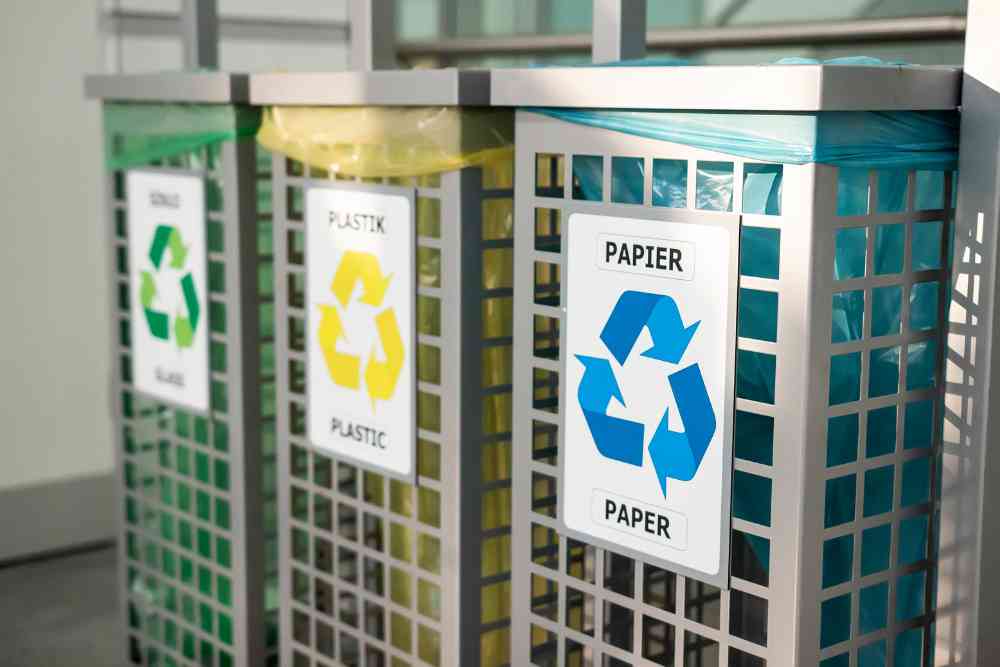
    Recycling is an essential component of responsible office junk management. Separating paper, plastics, electronics, and other recyclable materials ensures that discarded items are processed appropriately, reducing environmental impact. Offices benefit from having clearly marked recycling bins in accessible locations, encouraging employees to participate in sustainable disposal practices. Over time, this approach minimizes landfill contributions and positions the office as a socially responsible space.

    Beyond common recyclables, consider implementing electronic recycling programs for outdated computers, monitors, and printers. Partnering with certified recycling services guarantees that hazardous materials are handled safely. Additionally, providing education on proper disposal encourages staff engagement and accountability. Integrating recycling into daily routines not only decreases office clutter but also supports corporate sustainability goals. These practices create a culture of mindfulness around waste, ensuring that junk management is both practical and environmentally responsible.

    Streamlining Document Disposal

    Paperwork often represents a significant portion of office junk. Shredding sensitive documents and securely disposing of outdated files prevents clutter while maintaining confidentiality. Establishing a routine schedule for document disposal prevents storage areas from becoming overwhelmed with stacks of papers. Offices that embrace digital record-keeping reduce the need for physical storage, further minimizing clutter and improving accessibility.

    Digital solutions, such as cloud storage and secure file-sharing platforms, complement traditional filing systems. Transitioning to electronic formats allows employees to access important records without creating additional physical junk. When disposal methods are consistent and organized, the risk of lost documents and misplaced files is minimized. Streamlined document management not only supports efficiency but also safeguards sensitive information, creating a more orderly and secure office environment.

    Managing Electronic Waste

    Electronic waste is a growing concern for commercial spaces. Old computers, printers, and peripherals can accumulate quickly, creating clutter and potential environmental hazards. Implementing a dedicated system for collecting and recycling electronic waste ensures that these items are handled safely. Partnering with certified e-waste recyclers provides peace of mind that harmful materials, such as batteries and circuit boards, are processed properly.

    Preventing electronic clutter begins with regular audits of office technology. Encouraging employees to report outdated or malfunctioning equipment allows for timely removal and responsible recycling. Additionally, exploring donation programs for functional electronics extends the life of equipment while keeping the office organized. Proper management of electronic waste demonstrates a commitment to sustainability and promotes a safer, more efficient commercial workspace.

    Scheduling Routine Office Cleanouts

    Regular office cleanouts are essential for preventing junk from building up. Setting a schedule for quarterly or semi-annual cleanups allows staff to declutter systematically. These cleanouts provide an opportunity to discard broken furniture, outdated technology, and unused supplies, keeping the office environment fresh and functional. Planning ahead ensures that cleanouts are efficient and do not disrupt daily operations.

    Routine cleanouts also present an opportunity to reassess storage solutions and workspace layouts. Reorganizing cabinets, drawers, and communal areas during these sessions improves accessibility and reduces future clutter. By maintaining a consistent cleanout schedule, offices can avoid overwhelming piles of junk while encouraging employees to take ownership of their work areas. This approach fosters an organized, efficient, and professional commercial space.

    Optimizing Storage Solutions

    Efficient storage is key to managing office junk. Utilizing shelving units, cabinets, and drawer organizers helps maintain order while maximizing available space. Clearly defined storage areas prevent items from accumulating haphazardly, allowing employees to locate necessary materials quickly. Adjustable shelving and modular storage systems offer flexibility to accommodate changing office needs over time.

    Beyond physical storage, labeling and categorizing supplies contribute to a systematic approach. By assigning designated areas for frequently used items, offices reduce the likelihood of misplaced or forgotten materials. Well-planned storage solutions also support cleaning routines by keeping surfaces clear and minimizing clutter accumulation. Investing in organized storage ultimately enhances workflow, improves productivity, and maintains a professional office appearance.

    Encouraging Employee Participation

    Employee involvement is crucial in maintaining a clutter-free office. Encouraging staff to keep workstations tidy and participate in office-wide cleanups ensures collective responsibility for junk management. Providing guidance on disposal methods and recycling practices empowers employees to contribute to a cleaner, more organized environment. Recognition or incentives for consistent participation can reinforce positive behaviors and promote long-term engagement.

    Creating a culture of accountability helps prevent clutter from recurring. When employees understand the impact of disorganization on productivity and workplace morale, they are more likely to take initiative. Collaborative efforts in managing office junk foster teamwork and a sense of pride in the workplace. Employee participation not only supports clean and functional spaces but also enhances overall office culture and efficiency.

    Partnering with Professional Junk Removal Services

    Professional junk removal services streamline the process of clearing commercial spaces. These services provide the manpower, equipment, and expertise to efficiently remove large volumes of office junk. Outsourcing junk removal reduces the burden on staff, allowing employees to focus on core business tasks while ensuring that unwanted items are disposed of responsibly.

    Engaging a professional service also guarantees compliance with local disposal regulations and environmentally conscious practices. Companies specializing in commercial junk removal often provide recycling and donation options, ensuring that materials are handled appropriately. By leveraging professional assistance, offices can maintain a clean and organized environment without disrupting daily operations, promoting efficiency and sustainability.

    Planning for Office Renovations and Upgrades

    Office renovations or upgrades often generate significant waste. Planning junk removal in conjunction with renovation projects prevents clutter from impeding progress. Coordinating disposal of old furniture, carpeting, and equipment ensures that construction debris is managed efficiently and safely. Early planning minimizes downtime and keeps renovation areas organized.

    Integrating junk removal into renovation plans also allows for better resource allocation and timeline management. Identifying items for donation or recycling before renovations begin streamlines disposal and reduces unnecessary landfill contributions. A proactive approach to junk management during upgrades maintains a safe, organized workspace and supports a smoother transition to improved office environments.

    Evaluating Junk Management Strategies

    Periodic evaluation of office junk management strategies ensures ongoing effectiveness. Assessing current disposal processes, recycling participation, and employee engagement identifies areas for improvement. Adjusting strategies in response to observed challenges keeps offices organized and clutter-free over the long term.

    Evaluation may involve tracking the volume of discarded items, reviewing recycling success rates, and soliciting feedback from staff. Continuous improvement fosters a culture of organization and environmental responsibility. By regularly assessing and refining junk management approaches, offices maintain efficiency, reduce stress, and create a professional, welcoming atmosphere for employees and clients alike.

    Conclusion

    Effective office junk management requires thoughtful planning, consistent routines, and active participation from all staff members. Implementing strategies such as regular cleanouts, organized storage solutions, electronic waste recycling, and employee engagement ensures that commercial spaces remain orderly and efficient. Professional assistance can further streamline disposal, providing environmentally responsible options while minimizing disruption to daily operations.

    For businesses in Santa Rosa and the surrounding areas, North Bay Junk Removal offers comprehensive junk removal services to help maintain a clutter-free environment. Their expertise in handling commercial spaces ensures that unwanted items are removed safely and efficiently, supporting both productivity and sustainability. Contact North Bay Junk Removal at 707-478-6817 for reliable junk removal solutions tailored to your office needs. Their professional approach guarantees a cleaner, more organized workspace that benefits employees, clients, and the overall business operation.

  • How to Handle Old and Unused Office Equipment

    How to Handle Old and Unused Office Equipment

    Understanding the Importance of Clearing Out Old Office Equipment

    Cluttered office spaces can slow down productivity and create unnecessary stress for employees. Old printers, computers, and office furniture take up space that could be used more efficiently. By recognizing the importance of clearing out unused equipment, businesses can optimize their work environment and improve overall workflow. Efficient removal not only opens up physical space but also allows teams to focus on more critical tasks without distraction. Understanding the types of equipment that accumulate over time and planning for their removal can prevent a buildup that affects both morale and operational efficiency. Companies that make a habit of regularly assessing office equipment are better positioned to maintain an organized, functional workplace.

    Additionally, properly managing old office items is an essential step toward sustainability. Many electronic devices and office furnishings can be recycled or repurposed, reducing the environmental footprint of a business. Creating a system for sorting items according to their potential for reuse or disposal ensures that valuable resources are not wasted. Employees involved in this process gain awareness of responsible disposal practices, promoting a culture of environmental consciousness. Ultimately, tackling old office equipment thoughtfully benefits both the company and the community, establishing a standard of efficiency and sustainability.

    Evaluating What to Keep and What to Discard

    Before disposing of any office equipment, it is crucial to evaluate what is worth keeping and what should be discarded. Items that are outdated or no longer functional should be separated from those that can be reused or donated. This process requires careful consideration to avoid prematurely discarding useful tools. Consulting with staff can help identify equipment that may have hidden value or can be repurposed in other departments. Documenting and categorizing items ensures a smoother removal process and reduces confusion about what is to be retained. Establishing a clear evaluation strategy also aids in budgeting for new equipment, preventing unnecessary purchases and optimizing resource allocation.

    Once a list of items for disposal is prepared, businesses can plan their next steps strategically. Prioritizing the removal of bulky or hazardous items, such as old electronics, ensures safety and compliance with disposal regulations. For items that can be donated, connecting with local charities or non-profit organizations provides an opportunity to support the community while decluttering the workspace. Items slated for recycling should be taken to certified facilities to ensure proper handling and reduce environmental impact. By evaluating office equipment carefully, businesses maintain a balance between operational efficiency, cost management, and environmental responsibility, creating a streamlined and organized workspace.

    Creating a Schedule for Office Equipment Removal

    Implementing a schedule for office equipment removal helps maintain a consistently organized environment. Regularly scheduled cleanouts prevent the accumulation of unused items and make the removal process more manageable. By setting clear intervals for reviewing and discarding old equipment, businesses reduce the stress associated with sudden purges. Employees are less likely to feel overwhelmed, and office spaces remain functional and uncluttered. Scheduled removal also allows for better planning in terms of logistics, staffing, and budget allocation, ensuring that the process is smooth and efficient.

    A consistent removal schedule also encourages proactive maintenance of office assets. Knowing that old or obsolete equipment will be removed at specific times prompts employees to report malfunctioning items promptly. This practice extends the life of remaining equipment and reduces downtime caused by outdated or broken tools. Moreover, it fosters accountability within teams, as everyone understands their role in maintaining a tidy and efficient workspace. By adhering to a well-defined schedule, companies can create a dynamic and organized office environment that supports productivity, safety, and employee satisfaction.

    Safe Handling and Transportation of Office Equipment

    Proper handling and transportation of old office equipment are critical to avoid injuries and damage. Many items, including computers, copiers, and filing cabinets, can be heavy or awkward to move. Using appropriate lifting techniques and equipment such as carts or dollies minimizes the risk of strain or accidents. Training employees on safe handling procedures ensures that all movements are executed with care. Additionally, protective packaging can prevent damage to items during transport, whether they are being moved for recycling, donation, or disposal. Prioritizing safety reduces workplace hazards and promotes a responsible approach to office management.

    Transportation strategies should also consider the environmental and logistical impact of moving equipment. Grouping items according to type or destination makes the process more efficient and reduces the number of trips required. Choosing eco-friendly transportation methods, such as electric vehicles or consolidating shipments, minimizes the carbon footprint associated with office cleanouts. Proper documentation and tracking of items during transit ensure accountability and prevent loss. By integrating safety and efficiency into the handling and transportation process, businesses safeguard both their employees and the equipment, contributing to a seamless and responsible removal system.

    Leveraging Professional Junk Removal Services

    Engaging professional junk removal services can simplify the process of handling old office equipment. These services bring expertise, manpower, and specialized equipment to safely and efficiently remove items that may be challenging to dispose of independently. Professionals can handle large-scale cleanouts and ensure compliance with disposal regulations, which reduces liability for the business. By outsourcing this task, employees can focus on their core responsibilities while the removal process is managed effectively. The experience of junk removal companies also helps in identifying items that can be recycled, repurposed, or donated, maximizing value from discarded equipment.

    Professional services offer flexible solutions tailored to the unique needs of each office. Whether a business requires a one-time purge or recurring maintenance cleanouts, providers can adjust their approach to fit schedules and budgets. Their knowledge of local regulations ensures that sensitive electronic equipment and other potentially hazardous items are disposed of responsibly. In addition, professional teams often provide documentation or certificates of recycling, which can support sustainability reporting or compliance audits. Utilizing experts in junk removal streamlines operations, ensures safety, and aligns the office with responsible disposal practices.

    Recycling and Eco-Friendly Disposal Options

    Recycling and eco-friendly disposal options are vital considerations when removing old office equipment. Electronics, plastics, and metal components contain materials that can be reused in manufacturing, reducing the need for raw resources. Identifying local recycling centers and certified e-waste facilities ensures that items are processed correctly and sustainably. Separating materials according to recycling requirements improves efficiency and guarantees that resources are reclaimed appropriately. Prioritizing eco-friendly disposal supports environmental initiatives and enhances the company’s reputation as a socially responsible entity.

    Incorporating recycling strategies into regular office cleanouts also fosters a culture of sustainability among employees. Awareness of how different materials are handled and reused encourages mindful consumption and careful management of new equipment. Businesses can implement policies that reward environmentally conscious practices, further promoting a green mindset. Ultimately, choosing recycling and eco-friendly disposal options minimizes landfill waste, reduces environmental impact, and aligns office operations with broader sustainability goals, making the workplace more responsible and forward-thinking.

    Donating Usable Office Items

    Donating usable office items can benefit local organizations and reduce waste. Items such as desks, chairs, and computers that are still in working condition may find a second life with schools, nonprofits, or community centers. Identifying potential recipients and coordinating logistics for donation ensures that the process is smooth and impactful. This approach not only helps the community but also provides businesses with tax benefits in some cases. Donation programs create a sense of purpose and value for items that might otherwise end up in landfills.

    Organizing donations also enhances employee engagement. Staff members can participate in identifying items for donation, packing them safely, and coordinating delivery. This involvement fosters teamwork and instills a sense of responsibility toward the community. Furthermore, businesses that actively donate surplus equipment strengthen their local networks and partnerships. By systematically donating usable items, offices contribute positively to society while maintaining an organized and functional work environment, ensuring that resources are allocated where they are needed most.

    Securing Sensitive Data During Disposal

    Protecting sensitive data is crucial when disposing of old office electronics. Hard drives, computers, and other storage devices may contain confidential information that must not fall into the wrong hands. Businesses should implement protocols for securely erasing data before disposal. Using professional data destruction services or certified software ensures that all information is completely removed. This practice prevents potential data breaches and protects both the company and its clients. Establishing clear data security policies also demonstrates diligence and responsibility to stakeholders.

    In addition to digital security, physical storage devices should be handled carefully to prevent accidental data leaks. Items containing sensitive information should be transported separately and locked if necessary until they are processed. Maintaining a log of destroyed devices and documenting the method of data removal provides an audit trail for compliance purposes. By prioritizing data security in disposal processes, businesses safeguard their information assets and reinforce trust with employees and customers, while efficiently managing the retirement of old office equipment.

    Planning for Future Equipment Management

    Effective handling of old office equipment involves planning for the future. Establishing policies for the lifecycle of office tools helps manage acquisitions, maintenance, and eventual disposal. Clear guidelines for when and how equipment should be replaced prevent unnecessary accumulation and ensure that only functional and relevant items occupy workspace. Proactive planning reduces emergency removal situations and supports sustainable office practices. Organizations that anticipate equipment needs and retirement schedules streamline operations and maintain orderly environments.

    Integrating future management plans with procurement and budgeting processes further enhances efficiency. Tracking the usage and condition of equipment allows for timely upgrades and prevents unexpected shortages. Communicating these policies to staff ensures everyone understands procedures and contributes to maintaining an organized office. Forward-looking strategies also support sustainability goals by encouraging recycling, donation, and responsible disposal practices. Overall, planning for future equipment management balances operational needs with environmental responsibility, fostering a sustainable and productive office culture.

    Engaging Employees in the Disposal Process

    Involving employees in the disposal process creates a sense of ownership and accountability. Encouraging staff to identify items that are no longer needed and participate in removal initiatives increases awareness of office organization. Collaborative cleanouts foster team spirit and shared responsibility for maintaining a functional workspace. Employees gain insight into the importance of proper disposal practices and the value of keeping the office environment efficient. Their engagement ensures that decluttering efforts are more comprehensive and effective.

    Active employee participation also improves compliance with company policies regarding equipment disposal. Staff who understand protocols for recycling, donation, or secure destruction of data are more likely to adhere to guidelines consistently. Involving employees in the process can also spark ideas for optimizing office layouts, equipment usage, and sustainability initiatives. Ultimately, engaging the workforce in equipment disposal not only enhances operational efficiency but also cultivates a culture of responsibility and mindfulness, ensuring that the office remains organized and forward-looking.

    Conclusion

    Handling old and unused office equipment requires a thoughtful and organized approach that balances efficiency, safety, and sustainability. Businesses that evaluate what to keep, schedule regular cleanouts, and use professional services create a workspace that supports productivity and environmental responsibility. Engaging employees, securing sensitive data, and exploring recycling or donation options ensures that equipment is managed responsibly from acquisition to disposal. A well-structured plan also reduces risks associated with cluttered workspaces and promotes a positive, organized atmosphere that benefits both staff and operations.

    For comprehensive junk removal solutions in Santa Rosa, CA, North Bay Junk Removal offers professional services tailored to the unique needs of businesses and residents. Their team handles all types of office equipment with care and efficiency, ensuring that items are properly disposed of, recycled, or donated according to best practices. By contacting North Bay Junk Removal at 707-478-6817, businesses can simplify the process, maintain organized spaces, and uphold sustainable disposal practices while ensuring safety and reliability in every removal.

  • What’s Included in a Full Office Cleanout

    What’s Included in a Full Office Cleanout

    Comprehensive Furniture Removal

    A full office cleanout begins with the removal of all furniture items, regardless of their condition. This includes desks, chairs, filing cabinets, cubicles, and conference tables. Whether the furniture is outdated, broken, or simply no longer needed, the goal is to clear the space entirely. Professional junk removal services ensure that all items are safely and efficiently removed, minimizing disruption to your daily operations.

    Once the furniture is removed, the space is left open and ready for its next purpose. This could be a new layout, renovation, or even preparation for a new tenant. The removal process is handled swiftly to reduce downtime and allow for a smooth transition. By entrusting this task to professionals, you can focus on your core business activities without the added stress of managing the cleanout yourself.

    Electronics and E-Waste Disposal

    Offices often accumulate a variety of electronic equipment over time, including computers, monitors, printers, and fax machines. Proper disposal of these items is crucial due to environmental concerns and data security. A comprehensive office cleanout service includes the responsible removal and recycling of electronic waste, ensuring compliance with local regulations. This service not only helps in decluttering the workspace but also contributes to environmental conservation.

    Beyond environmental benefits, proper e-waste disposal protects sensitive information. Professional junk removal services take necessary precautions to erase data from devices before disposal. This step is vital in preventing potential data breaches and ensuring that your company’s confidential information remains secure. By choosing a service that prioritizes both environmental responsibility and data security, you safeguard your business’s interests.

    Document Shredding and Secure Disposal

    Offices generate a significant amount of paperwork, much of which contains sensitive or confidential information. A full office cleanout includes secure document shredding services to protect against identity theft and unauthorized access to private data. Professional junk removal companies often partner with certified shredding services to ensure that all documents are destroyed beyond recognition. This service provides peace of mind, knowing that your sensitive information has been handled securely.

    In addition to paper documents, offices may have other materials requiring secure disposal, such as hard drives or other storage devices. Comprehensive cleanout services address all forms of sensitive data storage, ensuring that nothing is overlooked. This thorough approach helps maintain compliance with privacy laws and industry regulations, further protecting your business from potential legal issues.

    Carpet and Flooring Removal

    Over time, office carpets and flooring can become worn, stained, or outdated, affecting the overall appearance of the workspace. A full office cleanout includes the removal of old carpeting, tiles, or other flooring materials. This process involves not only pulling up the old materials but also disposing of them in an environmentally responsible manner. Professional services ensure that the removal is done efficiently, with minimal disruption to the office environment.

    After the old flooring is removed, the space is prepared for new installations or other uses. This preparation may include cleaning the subfloor, addressing any underlying issues, and ensuring that the area is ready for the next phase. By opting for a complete cleanout, you can refresh your office space, improving both its aesthetics and functionality.

    Light Fixtures and Ceiling Tile Removal

    An often-overlooked aspect of office cleanouts is the removal of outdated or damaged light fixtures and ceiling tiles. These elements can accumulate dust and wear over time, impacting the lighting quality and overall ambiance of the office. A comprehensive cleanout service addresses these issues by removing and disposing of old fixtures and tiles. This step not only enhances the office’s appearance but also contributes to a healthier and more efficient workspace.

    Replacing old light fixtures and ceiling tiles can also lead to energy savings. Modern lighting solutions are more energy-efficient, reducing electricity costs. Additionally, new ceiling tiles can improve acoustics and insulation, creating a more comfortable working environment. By including this service in your office cleanout, you invest in both the aesthetics and functionality of your workspace.

    Wall Mounts and Shelving Removal

    Offices often have mounted shelves, bulletin boards, or other wall fixtures that may no longer be needed or could be relocated. A full office cleanout includes the removal of these wall-mounted items, ensuring that the walls are left clean and ready for any new installations or designs. This process involves careful detachment and disposal of the fixtures, minimizing damage to the walls and surrounding areas.

    Once the wall mounts and shelving are removed, the space can be reimagined to better suit current needs. Whether it’s repainting the walls, installing new fixtures, or reconfiguring the layout, this step provides the flexibility to update the office environment. By incorporating wall mount and shelving removal into the cleanout, you ensure that every aspect of the office is considered in the redesign process.

    Kitchen and Breakroom Cleanout

    The kitchen or breakroom is a vital part of any office, providing employees with a space to relax and recharge. Over time, these areas can accumulate old appliances, unused furniture, and general clutter. A comprehensive office cleanout includes the removal of outdated or broken appliances, cleaning of surfaces, and disposal of any unnecessary items. This service ensures that the breakroom is a welcoming and functional space for employees.

    After the cleanout, the area is ready for a fresh start. This could involve installing new appliances, updating furniture, or simply organizing the space more efficiently. A clean and well-organized breakroom contributes to employee satisfaction and can even boost productivity. By including the breakroom in your office cleanout, you invest in the well-being of your team.

    Hazardous Material Removal

    Some offices may contain hazardous materials, such as old cleaning supplies, chemicals, or equipment that are no longer safe to use. A full office cleanout includes the identification and safe removal of these hazardous items. Professional junk removal services are trained to handle such materials, ensuring compliance with safety regulations and environmental standards. This step is crucial for maintaining a safe workplace and avoiding potential legal issues.

    Proper disposal of hazardous materials also protects the environment. By entrusting the removal to professionals, you ensure that these items are disposed of in a manner that minimizes harm to the ecosystem. This commitment to safety and environmental responsibility reflects well on your company’s values and can enhance its reputation.

    Final Sweeping and Site Cleanup

    After all items have been removed, the final step in a full office cleanout is a thorough sweeping and site cleanup. This ensures that the space is left spotless, with no debris or dust remaining. Professional services take care to clean every corner, leaving the area ready for its next use. This final touch demonstrates attention to detail and commitment to quality service.

    A clean and tidy space not only looks better but also feels better. Whether you’re preparing for new occupants, renovations, or simply want to start fresh, a comprehensive cleanup sets the stage for success. By choosing a full-service office cleanout, you ensure that every aspect of the space is addressed, leaving you with a pristine environment.

    Conclusion

    A full office cleanout encompasses a wide range of services designed to restore and refresh your workspace. From furniture and electronics removal to hazardous material disposal and final site cleanup, every detail is handled professionally. By opting for a comprehensive cleanout, you not only declutter your office but also create a safer, more efficient, and more pleasant environment for your team.

    If you’re in Santa Rosa, CA, and considering an office cleanout, North Bay Junk Removal is here to assist. With a team of experienced professionals, they offer efficient and eco-friendly junk removal services tailored to your needs. For more information or to schedule a service, contact them at 707-478-6817. Let them help you reclaim your workspace and create an environment that fosters productivity and well-being.

  • What to Do with Old Office Electronics During a Cleanout

    What to Do with Old Office Electronics During a Cleanout

    Understanding the Importance of Responsible Disposal

    When clearing out office spaces, old electronics often pile up quickly, creating not only clutter but potential hazards. Many devices contain materials that can be harmful to the environment if disposed of improperly, making responsible disposal essential. Taking the time to separate electronics from regular trash ensures that items like computers, printers, and monitors are handled safely and efficiently. It’s not just about freeing up space; it’s about preventing the release of toxic substances and giving devices a chance to be recycled or repurposed in a way that benefits the environment.

    Proper disposal also involves recognizing the lifespan of different electronics. Devices that are still functional might be suitable for donation, offering value to schools, non-profits, or other businesses. Meanwhile, outdated or damaged equipment should be directed toward certified e-waste recyclers who can dismantle and process the components responsibly. By adopting these practices, offices can maintain a cleaner, safer environment while contributing to broader sustainability efforts.

    Sorting Electronics Before Removal

    Before scheduling a junk removal service, it’s helpful to categorize electronics by type and condition. Grouping similar items together simplifies the recycling or donation process and ensures that nothing ends up in a landfill unnecessarily. Items like old keyboards, mice, and cables can often be bundled for recycling, while larger equipment like copiers and servers may require specialized handling. Documenting what’s being discarded also provides a record for office management, particularly for devices that contained sensitive information.

    During this phase, it’s also important to clear personal or company data from devices. Hard drives should be wiped or destroyed, and any proprietary software removed to protect confidential information. This step is critical for maintaining privacy and adhering to data protection regulations. A thoughtful, organized approach at this stage makes the subsequent removal process smoother and demonstrates a commitment to environmental responsibility.

    Choosing Eco-Friendly Disposal Methods

    Not all disposal options are created equal, and selecting an eco-friendly route can make a significant difference. Many communities offer e-waste recycling programs designed to handle electronics in a sustainable manner. These programs ensure that metals, plastics, and other components are reclaimed or safely processed, reducing the environmental impact. Avoiding the temptation to toss electronics in the trash prevents harmful chemicals from contaminating soil and water sources, which is a risk with landfill disposal.

    Business owners can also consider partnering with companies that specialize in sustainable electronics removal. These services often provide on-site pickup, secure data destruction, and guarantees that items will be recycled or donated responsibly. Engaging with a dedicated service reduces the workload for office staff while ensuring compliance with local regulations and environmental standards. Such partnerships demonstrate corporate responsibility and can even enhance a company’s public image.

    Donating Usable Electronics

    Some office electronics still have a functional life and can serve communities in need. Donating working computers, printers, or networking equipment can extend their usefulness and support educational programs, non-profits, or small businesses. Before donating, it’s important to clean and test devices to ensure they are in good working order. Including necessary accessories and software increases the likelihood that recipients will benefit fully from the donation.

    This approach not only prevents waste but fosters goodwill and community engagement. Businesses can coordinate with local charities or educational institutions to establish donation programs, turning surplus equipment into valuable resources. By choosing donation over disposal, offices contribute to a circular economy, where items remain in use longer, reducing the need for new manufacturing and the associated environmental footprint.

    Safely Handling Hazardous Components

    Certain electronics contain hazardous materials such as lead, mercury, or cadmium. Components like old monitors, batteries, and fluorescent lamps require careful handling to prevent environmental contamination. Identifying these items and separating them from regular electronic waste is crucial. Many recycling facilities provide specialized collection for hazardous materials, ensuring they are neutralized or recycled safely.

    Training staff on the risks associated with these components can prevent accidents during a cleanout. Protective gloves, proper storage containers, and clearly marked disposal areas contribute to a safer workplace. Implementing these precautions not only protects employees but aligns with legal and environmental standards, reducing liability and promoting responsible office management.

    Coordinating with Professional Junk Removal Services

    Engaging a professional junk removal service streamlines the process of clearing out office electronics. Experienced providers can assess the volume and type of items, handle transportation, and ensure environmentally responsible disposal. They also offer secure data destruction services, which is essential for protecting sensitive business information. By outsourcing this task, offices save time, reduce stress, and ensure compliance with local disposal regulations.

    Professional services often have established partnerships with recycling centers and charitable organizations, maximizing the chances that electronics are either recycled or donated rather than discarded in a landfill. They can also provide scheduling flexibility to minimize disruption to daily operations. Overall, professional coordination enhances efficiency and reinforces a company’s commitment to sustainable practices.

    Maximizing Reuse Through Upcycling

    Even electronics that are no longer suitable for traditional use can often be repurposed creatively. Components such as circuit boards, casings, or cables can be transformed into art projects, DIY tools, or educational kits. Upcycling reduces waste while providing opportunities for innovation and engagement within the office or community. This approach encourages a mindset of creativity and environmental stewardship, turning discarded items into valuable resources.

    Organizations can host workshops or collaborate with local schools to explore upcycling projects. By promoting these initiatives, businesses not only minimize landfill contributions but also engage employees in meaningful, hands-on activities. Upcycling can become part of a broader sustainability program, demonstrating that every item, no matter its condition, has potential value when handled thoughtfully.

    Understanding Local Regulations

    Disposal of office electronics is subject to local, state, and federal regulations. Certain items may require specific permits or must be transported to certified facilities. Staying informed about these rules ensures compliance and avoids potential fines or legal complications. Understanding local ordinances also helps offices plan cleanouts more effectively, selecting approved recycling or donation channels.

    Regularly reviewing these regulations can be part of a company’s environmental policy. Assigning a staff member to monitor updates or consulting with professional removal services ensures that disposal practices remain current. Awareness of the legal landscape not only protects the business but reinforces a commitment to responsible waste management practices, creating a culture of accountability within the office.

    Planning for Data Security

    Data security is a critical consideration when disposing of office electronics. Devices such as computers, tablets, and smartphones often contain sensitive corporate or client information. Properly erasing hard drives, shredding storage media, and removing software licenses are essential steps before any removal or donation. Establishing a standardized protocol ensures that all sensitive data is consistently protected.

    Including data security in the cleanout plan reduces the risk of breaches or information loss. Partnering with certified e-waste recyclers or junk removal companies often provides verification of data destruction, giving peace of mind to management and clients alike. This step reinforces trust, protects company reputation, and aligns with privacy regulations while facilitating a smoother electronics disposal process.

    Evaluating Cost and Convenience

    Balancing cost and convenience is an important aspect of office electronics disposal. While some items can be handled internally, larger volumes or heavier equipment may require external assistance. Considering factors such as transportation, labor, and recycling fees helps offices make informed decisions that optimize efficiency and budget. Choosing a method that combines affordability with responsible handling ensures that resources are used wisely.

    Convenience also impacts scheduling and workflow. Selecting services that can accommodate office hours, provide pickup at short notice, or handle all types of electronics minimizes disruption. By weighing both cost and convenience, businesses can create a disposal strategy that is practical, sustainable, and aligned with operational needs, ensuring a successful cleanout experience.

    Conclusion

    Proper disposal of old office electronics is a crucial part of maintaining a safe, organized, and environmentally responsible workspace. By sorting items, considering donation opportunities, handling hazardous components carefully, and partnering with professional services, businesses can manage electronics cleanouts efficiently and sustainably. Each step, from data security to local regulation compliance, contributes to a cleaner and safer office environment.

    For businesses in Santa Rosa seeking reliable and responsible junk removal, North Bay Junk Removal offers expert services tailored to office electronics and other items. Their team ensures that everything is handled securely, recycled responsibly, and removed efficiently. Contact North Bay Junk Removal at 707-478-6817 for assistance with office cleanouts, e-waste disposal, and comprehensive junk removal solutions that support both your operational needs and environmental commitments.

Call Now