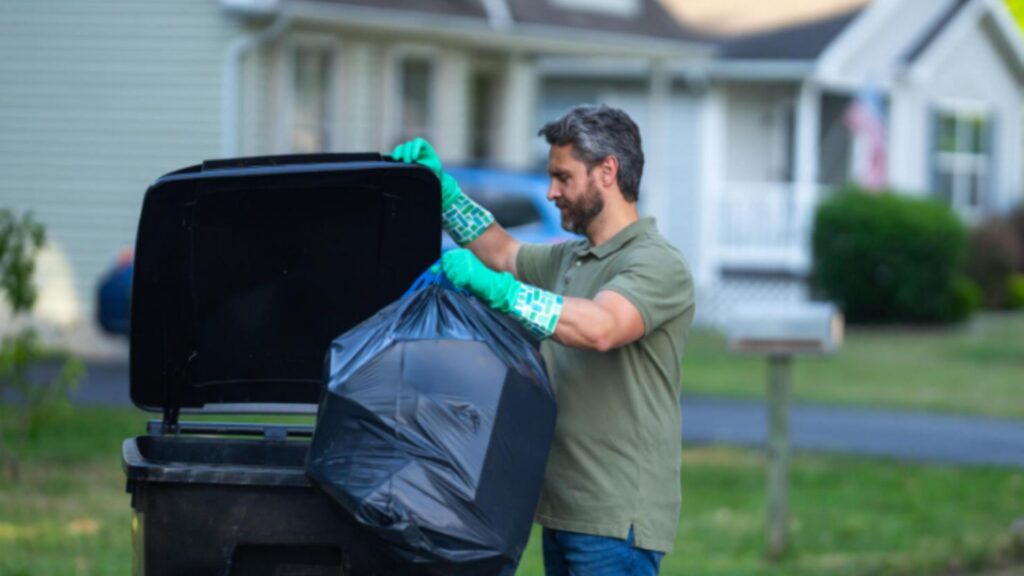
The rapid growth of technology has transformed the way people live, work, and connect with one another. Yet with this constant innovation comes a growing challenge: electronic waste. Discarded phones, computers, appliances, and other devices pile up at alarming rates, raising concerns about their impact on both ecosystems and communities. Unlike ordinary garbage, e-waste carries unique risks due to its mix of toxic chemicals and valuable metals. How society handles this growing stream of discarded technology will play a significant role in shaping environmental sustainability.
Proper e-waste management is not just about keeping landfills clear; it is about conserving resources, reducing pollution, and supporting a greener economy. Every device holds materials that can either harm the planet or help conserve it, depending on how disposal is handled. Exploring the role of e-waste in sustainability reveals the balance between technological progress and environmental responsibility, offering insights for households, businesses, and communities.
Understanding The Hidden Value In E-Waste
Electronic waste often appears useless once devices stop functioning, but within discarded gadgets lies a treasure trove of valuable materials. Inside smartphones, laptops, and televisions are metals like copper, silver, gold, and aluminum, all of which can be recovered and reused. Extracting these resources from old electronics requires far less energy than mining them from the earth, making recycling an essential part of conserving natural resources. By recognizing the hidden value in e-waste, society can reduce pressure on ecosystems while maximizing what has already been produced.
Beyond raw materials, e-waste contributes to environmental sustainability by promoting efficiency. Recycling electronics keeps valuable components circulating within the economy, reducing the need for constant extraction of virgin resources. This practice not only prevents harmful mining practices but also lowers greenhouse gas emissions tied to manufacturing. Viewing e-waste as a resource rather than refuse shifts mindsets toward sustainable practices and demonstrates how responsible disposal can drive positive environmental change.
The Dangers Of Neglecting Proper E-Waste Disposal
When e-waste is neglected and tossed into regular trash streams, the environmental consequences can be severe. Many electronic devices contain hazardous materials such as mercury, cadmium, and lead, which can leach into soil and water when left to degrade in landfills. These toxins threaten ecosystems, contaminate food supplies, and create health risks for both humans and wildlife. Neglecting proper disposal is not simply wasteful—it is dangerous on a long-term scale.
Improper disposal also contributes to greenhouse gas emissions. As electronics break down, they release harmful substances into the atmosphere, worsening air quality and climate change. In addition, valuable resources are wasted when metals and plastics that could have been reused end up buried in landfills. Choosing to ignore safe disposal practices undermines sustainability efforts. By addressing these risks, communities can understand why proper e-waste management is vital for environmental protection and why sustainable choices are necessary to safeguard future generations.
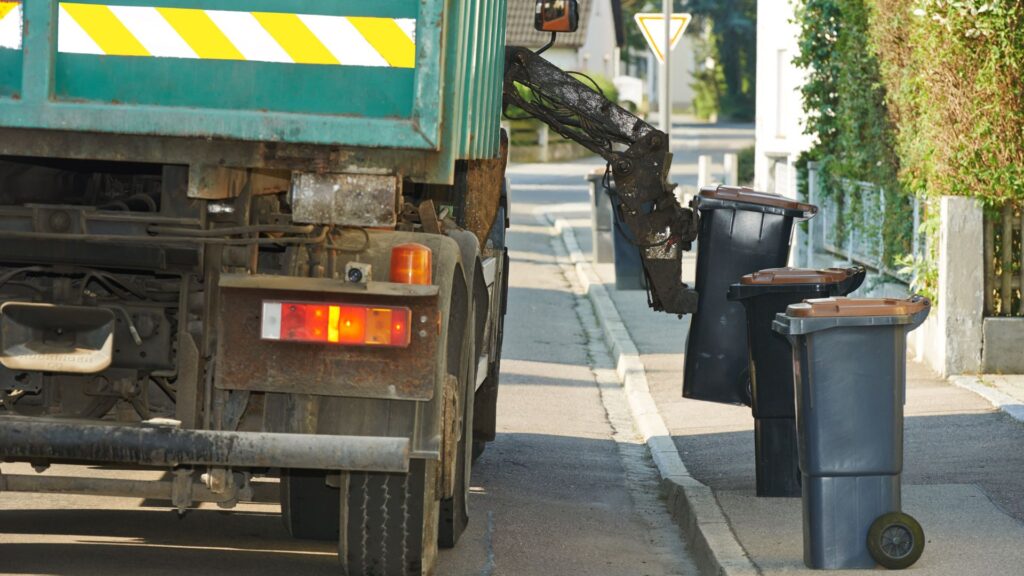
How Recycling Electronics Supports Sustainability Goals
Recycling plays a central role in connecting e-waste management with sustainability. Electronics recycling programs carefully dismantle devices, separate components, and reclaim metals and plastics for reuse. This process reduces reliance on mining and manufacturing, industries that consume massive amounts of energy and contribute to pollution. Recycling helps close the loop on resource consumption, making it a cornerstone of environmental responsibility.
Sustainability goals often emphasize reducing waste, conserving resources, and lowering emissions. Recycling electronics directly supports each of these objectives. By keeping e-waste out of landfills, we reduce pollution and extend the life cycle of valuable materials. The act of recycling transforms e-waste from an environmental threat into a renewable resource. Supporting recycling initiatives ensures that technological progress aligns with global sustainability targets, proving that innovation and environmental protection can move forward together without compromising one another.
The Role Of Businesses In Managing E-Waste
Businesses generate significant amounts of electronic waste as they update systems, upgrade hardware, and replace outdated equipment. From old computers and printers to obsolete servers and monitors, the volume of e-waste can grow quickly. Companies that prioritize sustainable disposal practices play a vital role in reducing the environmental burden associated with discarded electronics. Their influence extends beyond operations, setting standards for employees, clients, and partners.
Proper e-waste management also benefits businesses directly. Responsible disposal demonstrates corporate social responsibility, building trust with environmentally conscious customers. It can also reduce costs by reclaiming valuable materials or through partnerships with recycling and junk removal services. Businesses that recognize their role in sustainability create ripple effects across industries, encouraging others to adopt greener practices. By committing to responsible e-waste management, companies strengthen their environmental stewardship while contributing to broader goals of conservation and sustainable development.
Donation As A Sustainable Solution To E-Waste
Not every outdated electronic device is destined for recycling. Many still function well enough to serve another purpose, even if they no longer meet the needs of their current owner. Donating electronics extends their lifespan, keeping them out of landfills while helping schools, nonprofits, or families with limited resources. This practice blends environmental responsibility with social impact, proving that e-waste solutions can create multiple layers of benefit.
Donation reduces demand for manufacturing new devices, which conserves energy and raw materials. Instead of producing a new laptop or printer, a donated item can continue to meet practical needs. This approach highlights the importance of reuse in sustainability efforts. By choosing donation when possible, individuals and businesses reduce waste and extend the usefulness of their electronics.
Government Regulations Driving E-Waste Sustainability
Government policies and regulations play a crucial role in ensuring e-waste is managed responsibly. Many regions enforce rules that prohibit electronics from being disposed of with household garbage. These laws often require specialized recycling centers or approved collection programs to handle discarded devices safely. Such regulations are designed to minimize environmental harm while maximizing resource recovery.
For businesses, compliance with e-waste laws is not optional—it is essential. Failure to follow regulations can lead to fines, penalties, and reputational damage. Households also benefit from these frameworks, as structured collection programs provide convenient and safe disposal options. By creating accountability, governments encourage sustainable practices across entire communities. Effective regulation ensures that e-waste management is not left to chance, aligning public policy with environmental goals.
The Connection Between E-Waste And The Circular Economy
E-waste plays a direct role in advancing the circular economy, a model designed to keep materials in use for as long as possible. Instead of the traditional “take, make, dispose” approach, circular systems emphasize reuse, recycling, and regeneration. Electronics are perfect candidates for this model since they contain reusable metals, plastics, and components that can be redirected into new production cycles.
The circular economy reduces the strain on natural resources while cutting down on environmental pollution. E-waste recycling fits seamlessly into this vision, ensuring that valuable resources are not lost after a single use. Businesses that embrace the circular model often benefit financially while demonstrating environmental leadership. Households also contribute by responsibly managing their old devices.
The Global Impact Of Responsible E-Waste Practices
E-waste management is not just a local issue—it has global consequences. Many developing countries receive shipments of discarded electronics, often without the resources to handle them safely. This leads to unsafe dismantling practices that expose workers to toxic substances while polluting air, soil, and water. Responsible e-waste disposal in developed regions helps prevent this cycle of environmental harm and human suffering.
When managed correctly, e-waste recycling can also strengthen global supply chains. Recovered metals and plastics reduce reliance on new mining, which often occurs in sensitive ecosystems worldwide. This lessens international demand for resource extraction, protecting biodiversity and reducing greenhouse gas emissions. Responsible e-waste practices reflect a sense of global accountability.
How Individuals Can Contribute To E-Waste Sustainability
The role of individuals in addressing e-waste should not be underestimated. Every household owns electronics, and decisions about how to discard them collectively shape larger environmental outcomes. By choosing recycling programs, donating usable devices, or hiring professional junk removal services, individuals actively reduce waste and protect ecosystems. Small actions, repeated on a large scale, create significant impact.
Education plays an important role in driving these choices. Learning about the risks of improper disposal and the benefits of recycling motivates people to act responsibly. Communities that emphasize awareness often see higher participation in recycling initiatives. By making informed decisions, individuals demonstrate that sustainability is achievable through everyday practices. Each step, no matter how small, contributes to building a culture of responsibility around e-waste.
Building A Sustainable Future With E-Waste Solutions
The future of sustainability depends on how effectively society addresses the growing challenge of electronic waste. By treating e-waste as an opportunity rather than a problem, communities can shift toward more resilient systems. Recycling, donation, and responsible disposal turn discarded gadgets into resources, reducing environmental harm while conserving valuable materials. Businesses, individuals, and governments all play a role in this transformation, ensuring that innovation continues without overwhelming ecosystems.
Building a sustainable future also means embracing long-term solutions. Integrating circular economy principles, investing in recycling infrastructure, and encouraging cultural changes toward responsible consumption are all part of this vision. E-waste management is not an isolated issue—it connects to larger goals of reducing pollution, conserving energy, and protecting global biodiversity.
Conclusion
E-waste has become one of the most pressing environmental challenges of the modern age, but it also presents unique opportunities for sustainability. By recycling electronics, donating usable devices, and following responsible disposal practices, communities can reduce pollution, conserve resources, and protect ecosystems. Businesses and individuals alike have the power to influence positive change through conscious decisions about e-waste. Regulations, recycling programs, and professional services provide the framework needed to ensure these efforts succeed.
For residents and businesses in Santa Rosa, CA, North Bay Junk Removal offers reliable junk removal services tailored to handle e-waste responsibly. With a commitment to eco-friendly practices, they make it simple to dispose of outdated electronics without harming the environment. To schedule service or learn more, call 707-478-6817 today. Choosing professional junk removal is a powerful step toward sustainability, ensuring discarded devices are managed with care while helping to build a cleaner, greener future.